Home Blog Page 1341

Dusit International expands in the Philippines with signing of Dusit Greenhills Manila

Pictured (from left): Edgard O. Ang, Treasurer, Primex Realty Corp.; Karlvin Ernest L. Ang, Executive Vice-President, Primex Realty Corp.; Ernesto O. Ang, Chairman and President, Primex Realty Corp.; Gilles Cretallaz, Chief Operating Officer, Dusit International; Siradej Donavanik, Vice-President — Development (Global), Dusit International; Evelyn R. Singson, Vice-Chairman and President, Dusit Thani Philippines, Inc.

Set to open in 2026, Dusit’s latest signing in the Philippines will bring Thai-inspired gracious hospitality to the tallest skyscraper in San Juan City — further strengthening Dusit’s presence in its second-largest destination outside Thailand.

Dusit International, one of Thailand’s leading hotel and property development companies, has signed a hotel management agreement with Primex Realty Corp., a wholly owned subsidiary of publicly listed property developer Primex Corp., to manage Dusit Greenhills Manila in San Juan City, Metro Manila, Philippines.

Set to open at the end of 2026, this sophisticated upper-upscale urban retreat will feature 200 guest rooms and world-class facilities across the top 10 floors of Primex Tower, a landmark 50-storey mixed-use development in an affluent residential district, just 45 minutes by car from Manila International Airport. The tallest skyscraper in the area, the tower will also house premium retail and office spaces, further enhancing its appeal as a premier destination for business and leisure travelers.
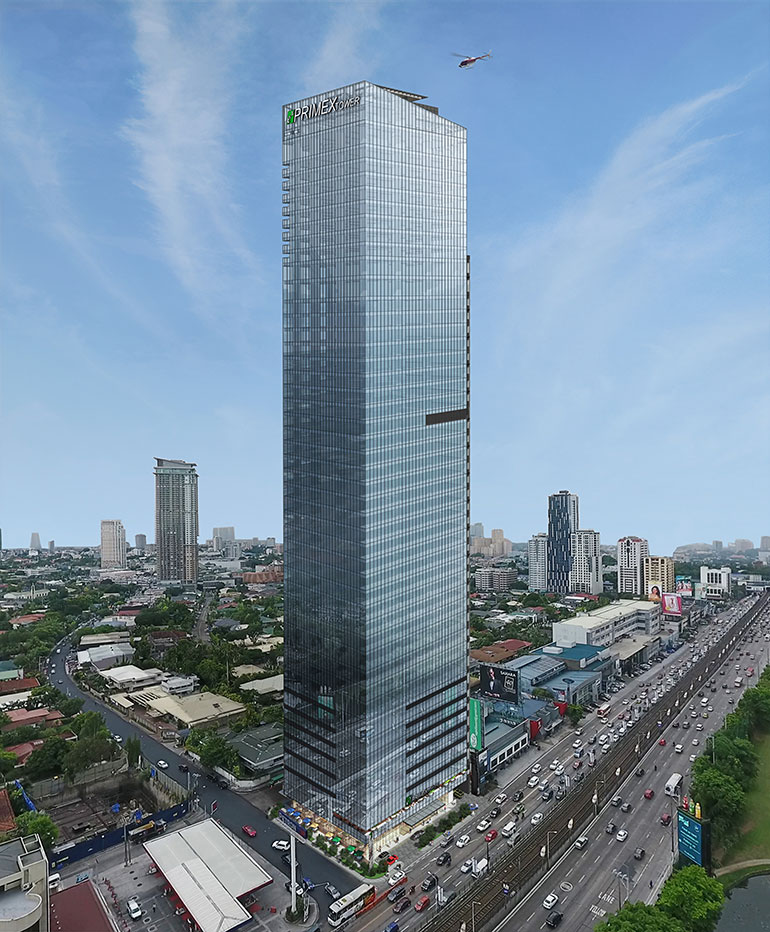
Set to open in late 2026, Dusit Greenhills Manila will occupy the top 10 floors of Primex Tower, offering 200 elegantly appointed guest rooms and a host of world-class facilities.

Alongside Dusit’s signature Thai-inspired gracious hospitality, guests will have the opportunity to savor award-winning Thai cuisine at Benjarong, enjoy international favorites at the all-day dining restaurant, take in breathtaking skyline views from the rooftop bar, unwind by the rooftop swimming pool, and stay active at the gym. The hotel will also feature a ballroom with spectacular city views and fully equipped meeting rooms, providing an ideal setting for business and social events. For added convenience, guests will enjoy easy access to Greenhills Mall, San Juan’s premier shopping and dining destination.
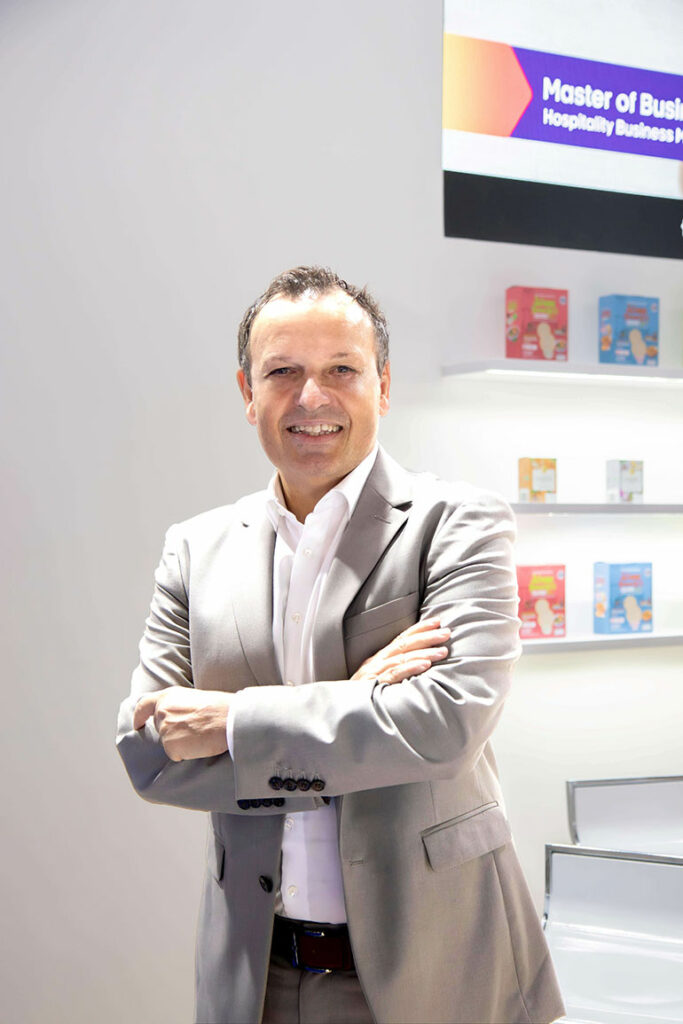
Gilles Cretallaz, Chief Operating Officer, Dusit International

“We are delighted to partner with Primex Realty Corp. to bring our unique brand of Thai-inspired gracious hospitality to the heart of San Juan City,” said Gilles Cretallaz, Chief Operating Officer, Dusit International. “With its prime location and seamless access to shopping, dining, and business hubs, Dusit Greenhills Manila will be ideally positioned to serve discerning travelers and local residents alike. With nine more properties in the pipeline set to open in the Philippines over the next five years, this signing reinforces the country’s status as Dusit’s second-largest destination outside of Thailand. We remain committed to expanding our presence and delivering exceptional guest experiences across the nation while setting new benchmarks in hospitality.”

Karlvin Ernest L Ang, Executive Vice-President & Director of Primex Realty Corp., said, “We are pleased to collaborate with Dusit International to bring a world-class hotel experience to Primex Tower. Dusit’s reputation for luxury hospitality, combined with our vision for this landmark development, will create an outstanding destination in San Juan. We are confident that this partnership will add significant value to our flagship project, and we look forward to its success.”
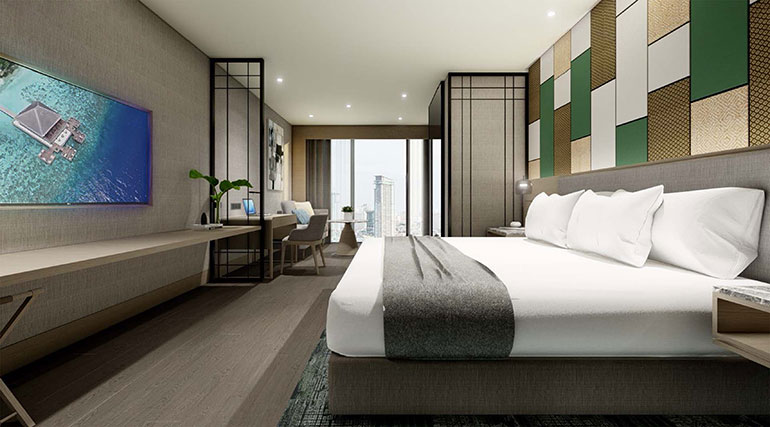
Guests can unwind in style while enjoying sweeping city views from the comfort of their room.

Dusit International currently operates 296 properties across 18 countries, including 57 operating under Dusit Hotels and Resorts and 239 luxury villas under Elite Havens. In the Philippines, Dusit’s existing portfolio includes Dusit Thani Manila, Dusit Thani Mactan Cebu Resort, Dusit Thani Residence Davao, dusitD2 Davao, and Dusit Thani Lubi Plantation Resort. With more than 60 new Dusit-branded properties in the pipeline globally, including several key developments in the Philippines, Dusit continues to strengthen its footprint in both established and emerging destinations.


Spotlight is BusinessWorld’s sponsored section that allows advertisers to amplify their brand and connect with BusinessWorld’s audience by publishing their stories on the BusinessWorld Web site. For more information, send an email to online@bworldonline.com.

Join us on Viber at https://bit.ly/3hv6bLA to get more updates and subscribe to BusinessWorld’s titles and get exclusive content through www.bworld-x.com.

Philippines revises Q4 2024 GDP growth to 5.3%

People flock to a mall to shop for Christmas gifts. — PHILIPPINE STAR/MIGUEL DE GUZMAN

MANILA – The Philippine statistics agency said annual growth in fourth-quarter economic output has been revised up to 5.3%
Full year 2024 gross domestic product growth was revised upwards to 5.7% from 5.6%, the agency said in a statement on Thursday. — Reuters

Brazil mulls ‘all possible actions’ as Congress lays framework for trade retaliation

STOCK PHOTO | Image by LhcCoutinho from Pixabay

 – Brazil said on Wednesday it is assessing all potential responses to the United States’ 10% tariffs on imports from Latin America’s largest economy, while its Congress approved a bill outlining the framework for trade retaliation.

“The Brazilian government is evaluating all possible actions to ensure reciprocity in bilateral trade, including resorting to the World Trade Organization, in defense of legitimate national interests,” the government said in a statement.

Minutes earlier, Brazil’s Congress approved a bill, which still requires a ratification by President Luiz Inacio Lula da Silva, that establishes a legal framework for Brazil to respond to potential unilateral trade measures targeting its goods and services, including countermeasures such as tariffs.

Though the text did not specify the United States, the bill gained traction with lawmakers in recent weeks amid the U.S. administration’s threats to impose tariffs.

The government also highlighted the framework’s approval in its response to the U.S. tariffs.

Brazil also said it remains open to dialogue and believes U.S. claims the tariffs are reciprocal do not “reflect reality”, pointing to the U.S. recording “recurrent and significant trade surpluses in goods and services with Brazil.” – Reuters

South Korea’s acting President orders emergency measures over US tariffs

Acting South Korean President and Prime Minister Han Duck-soo  / Yonhap via Reuters

 – South Korea’s acting President Han Duck-soo ordered emergency support measures for businesses that will be impacted by the imposition of U.S. tariffs, including automobiles, the industry ministry said on Thursday.

U.S. President Donald Trump has unveiled global reciprocal tariffs that include a 25% rate on South Korea.

Han asked the industry minister to analyze the content of the tariffs and actively negotiate with Washington to minimize the impact of U.S. reciprocal tariffs, the ministry said.

“As the global trade war has become a reality, the government must pour all its capabilities to overcome the trade crisis,” Han said at a meeting with the finance minister and other top officials, according to the industry ministry.

Mr. Trump in his speech singled out Washington’s Asian security allies South Korea and Japan, accusing them of being among the worst offenders for conducting unfair trade practices against the United States.

Analysts in Seoul said Mr. Trump’s extensive rollout of tariffs was harsher than expected, casting a cloud over the export-reliant economy.

“For the domestic economy, a significant blow will be inevitable,” said Park Sang-hyun, an economist at iM Securities.

“It is clear that major export products such as automobiles will be hit hard, and exports to the U.S. through production bases in Vietnam will also be hit hard,” Park said in a note.

Mr. Trump also said he will slap a 46% duty on imports from Vietnam. South Korea’s major corporations such as Samsung Electronics and LG Electronics have manufacturing bases in the Southeast Asian country.

The benchmark KOSPI stock index fell as much as 2.7% to three-month lows in early trade, as automakers hit their lowest levels in more than 14 months. Chipmakers also slumped, while battery maker LG Energy Solution hit a record low.

Finance Minister Choi Sang-mok said authorities would deploy all available tools to stabilize financial markets if volatility was seen as excessive, after a separate meeting with the central bank governor and other financial regulatory officials.

Han will preside over a meeting with the private sector later on Thursday to discuss responses to the U.S. tariffs.

Before Mr. Trump’s announcement on reciprocal tariffs, South Korean officials had sought exemptions, arguing the country had almost zero tariffs in place under a comprehensive free trade pact with the United States. – Reuters

Tesla quarterly sales plunge as Musk backlash grows

STOCK PHOTO | Image by ElasticComputeFarm from Pixabay

Tesla’s quarterly sales plunged 13% to the weakest in nearly three years, hurt by a backlash against CEO Elon Musk‘s politics, rising global competition and people waiting for a refresh to its highest-selling electric vehicle Model Y.

The stumbling sales during the first quarter indicate that the one-time leading brand is reeling from the fallout of the company delaying launches for years, and Musk’s foray into politics in the United States and Europe.

Tesla shares were down early on Wednesday but reversed course after a Politico report that Mr. Musk was planning to step down from his role as an adviser to U.S. President Donald Trump soon, as administration insiders increasingly view the billionaire as a political liability.

But the White House dismissed the report, saying the tech billionaire will stay on to complete his mission to slash government spending and downsize the federal workforce.

“Shareholders are hoping Musk will now have the time to focus on rebuilding the Tesla brand,” said Stock Trader Network Chief Strategist Dennis Dick, who has a position in Tesla, referring to the Politico report.

Following Mr. Trump’s steeper-than-expected tariffs against U.S. trading partners, Tesla shares fell more than 7% in after-market trading. While Tesla will be less affected than rivals, Tesla imports parts and Musk has said the cost impact from tariffs will not be trivial.

Mr. Musk’s role in spearheading federal cost-cutting in the United States and support of far-right parties in Germany and other nations have produced a sharp response around the world.

Protests against Musk outside Tesla showrooms have spiked, and the EV maker’s cars and charging stations globally have become targets for vandalism. Some Tesla owners have been looking to disassociate themselves from Mr. Musk and data has shown many are trading in their vehicles.

On Tuesday, a left-leaning judge won a seat on the state of Wisconsin’s highest court even after Mr. Musk spent more than $20 million backing her opponent in the race that led to protests from residents declaring that democracy was “not for sale.”

Tesla posted weak first-quarter sales in numerous European markets and in China, even as consumers continued to opt for EVs.

In the January-March period, the company globally recorded a bigger-than-expected drop in sales to 336,681 vehicles, down from 386,810 units a year ago.

The expectation was for a 3.7% drop to 372,410 vehicles delivered, according to an average estimate of 15 analysts from Visible Alpha – but in recent days analysts had braced for even worse figures, following Tesla’s first-ever annual sales decline in 2024.

“The brand crisis issues are clearly having a negative impact on Tesla … there is no debate,” long-time Tesla bull Dan Ives, an analyst at Wedbush Securities, said in a note, adding the delivery numbers “were a disaster.”

The company has lost about 45% of its value since mid-December. That follows a record high after Trump’s election win when investors expected Mr. Musk’s close ties to the White House to ease regulatory pressure over its self-driving taxi program.


MODEL Y REFRESH

Last year, Mr. Musk forecast 20% to 30% sales growth in 2025, promising to launch an affordable vehicle in the first half of the year and banking on demand for its newest vehicle, the Cybertruck.

While little is known about the progress on rolling out the cheaper vehicle, demand for the pricey Cybertruck – with its polarizing design and quality concerns – has been weak.

Mr. Musk did not reiterate the growth forecast on the January earnings call, but said Tesla would return to growth this year. Tesla is set to report first-quarter earnings on April 22.

Tesla began offering the refreshed Model Y SUV with a new look and updated features in China in late February and in the U.S. and Europe last month. Investors are waiting to see if demand for the model can counter competition from Chinese rivals including BYD.

Tesla said on Wednesday that retooling production lines for the refresh across all four of its factories led to the loss of several weeks of production during the first quarter.

After enjoying a leading position among EV makers for years, Tesla is set to be unseated by BYD for the first time this year with a 15.7% market share, ahead of Tesla’s 15.3%, according to Counterpoint Research.

“I’m skeptical about demand for the new Model Y from a couple of perspectives, even though there’s still a fair amount of growth for electric vehicles, the market is slowing down,” said Thomas Martin, senior portfolio manager at Tesla investor Globalt Investments.

Tesla’s sales in key European markets fell again in March, with numbers dropping for a third straight month in France and Sweden. – Reuters

Trump signs order ending duty-free treatment for cheap shipments from China

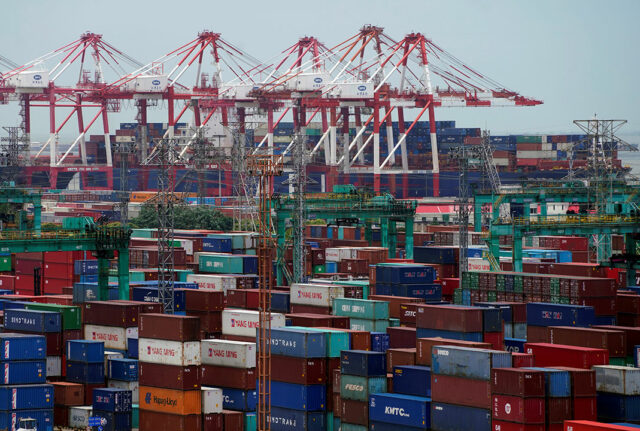
SHIPPING CONTAINERS are seen at a port in Shanghai, China ,July 10, 2018. — REUTERS FILE PHOTO

 – U.S. President Donald Trump signed an executive order on Wednesday that closes a trade loophole known as “de minimus” that has allowed low-value packages from China and Hong Kongto enter the United States free of duties.

Mr. Trump signed the order, which takes effect at 12:01 a.m. Eastern Time May 2, in the Rose Garden of the White House after announcing sweeping new tariffs on global trading partners.

The White House said the move, first reported by Reuters earlier on Wednesday, came after Commerce Secretary Howard Lutnick certified “adequate systems are in place to collect tariff revenue” on the shipments.

It said imported goods from China and Hong Kong sent outside the international postal network and valued at or under $800 would now be subject to all applicable duties.

Imported goods sent through the postal network and valued at or under $800 would now be subject to a duty rate of either 30% of their value or $25 per item, with that rate increasing to $50 per item after June 1.

Mr. Trump had signed an initial order on February 1 ending duty-free entry for the cheap Chinese goods, but later paused the order because of logistical issues complicating the inspection of millions of the low-value shipments.

“They figured it out,” a source familiar with the decision said. “De minimis is being stripped from China.”

The number of shipments entering the U.S. through the duty-free route has exploded in recent years, reaching nearly 1.4 billion packages last year.

More than 90% of all packages coming into the U.S. now enter via de minimis, and of those, about 60% come from China, led by direct-to-consumer retailers such as Temu and Shein.

Mr. Trump campaigned on a promise to punish China for the role it has played in the synthetic opioid crisis that has killed more than 450,000 Americans in the last decade. Chinese chemical makers are the top suppliers of raw materials purchased by Mexico’s cartels to produce the deadly drug, U.S. anti-narcotics officials say.

Reuters investigation last year showed how traffickers often route these chemicals through the United States by exploiting the de minimis rule. China has repeatedly denied culpability.

Mr. Trump’s order affecting de minimis parcels was paused on February 7 because there had not been sufficient time to prepare, with packages stacking up at ports of entry.

The White House said carriers transporting the Chinese and Hong Kong postal items must “report shipment details to U.S. Customs and Border Protection (CBP), maintain an international carrier bond to ensure duty payment, and remit duties to CBP on a set schedule.”

It said CBP may require formal entry for any postal package instead of the specified duties.

The White House said the Commerce secretary would submit a report within 90 days assessing the Order’s impact and considering whether to extend these rules to packages from Macau. – Reuters

Philippine Food Expo 2025: Your gateway to food industry success

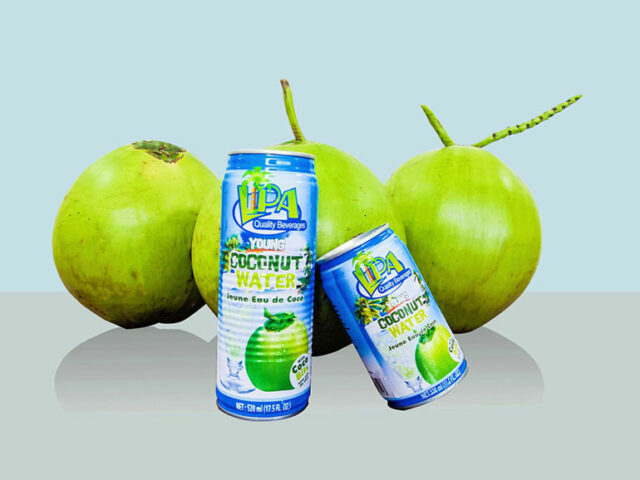
Refreshing coconut water, fresh coconut meat, and bottled coconut drinks at the 17th Philippine Food Expo

Mark your calendars for the 17th Philippine Food Expo happening on April 4-6, 2025, at the World Trade Center, Metro Manila! This premier trade event, organized by the Philippine Food Processors and Exporters Organization (PHILFOODEX), Inc., is the ultimate B2B and B2C platform where food manufacturers, suppliers, distributors, and retailers converge to unlock new business opportunities, discover innovations, and connect with industry leaders.

WHY ATTEND? A MUST-VISIT EVENT FOR INDUSTRY PROFESSIONALS AND FOOD ENTHUSIASTS!

✔ For Businesses (B2B): Discover cutting-edge food innovations, connect with top suppliers and distributors, and explore high-value business partnerships. Expand your product line, source premium ingredients, and access the latest food processing and packaging solutions.

✔ For Consumers (B2C): Get exclusive access to the best local and international brands, taste new flavors, and shop for top-quality products directly from manufacturers and suppliers.

MEET OUR FEATURED EXHIBITORS:

Food and Beverage Leaders:

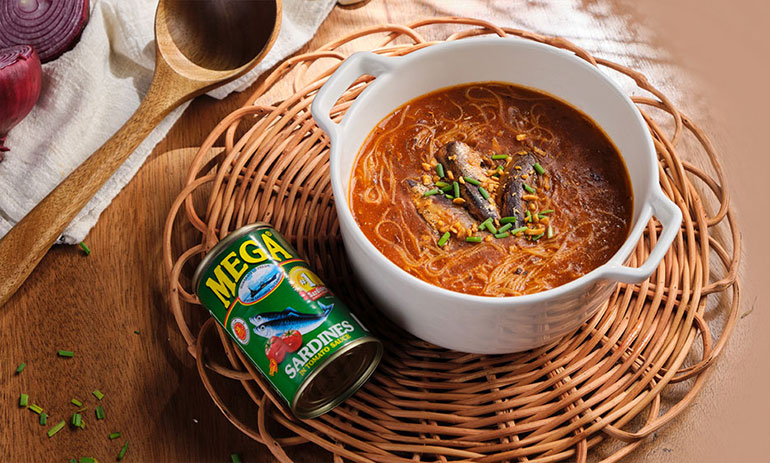
  • High-quality canned foods for every kitchen.

  • A variety of decadent gourmet snack options.
  • Refreshing coconut water, fresh coconut meat, and bottled coconut drinks.
  • Nutrient-dense greens and healthy snack alternatives
  • Fresh from the source products for retailing and B2B distribution
  • Producers of quality noodles for food businesses and consumers.

Food Packaging, Equipment & Tech Solutions:

  • High-quality pouch packaging services for food businesses and enterprises.
  • Manufacturers of eco-friendly plastic packaging, banners, and flexible solutions.

  • Custom plastic packaging solutions for diverse business needs.

Retail, Technology & Industry Solutions:

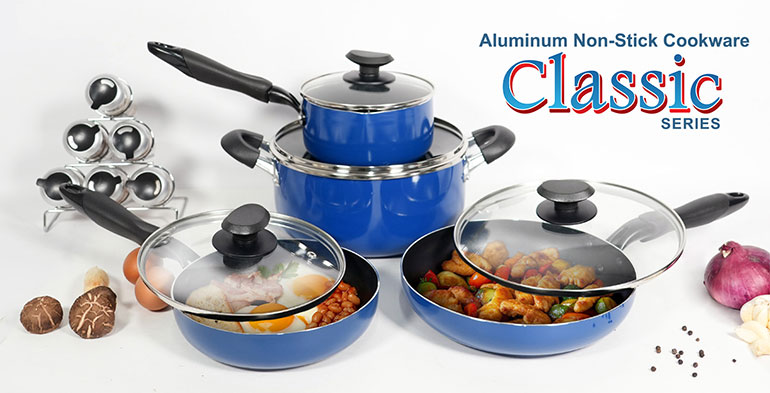
  • Providers of cookware and kitchenware accessories for businesses and households.

  • Premier distributor of imported and local liquors for retail and hospitality businesses.
  • Distributors of POS systems, CCTV, biometrics, and tech solutions to power retail and food businesses.

WHAT TO EXPECT?

✅ EXPAND YOUR NETWORK: Meet industry experts, potential business partners, and franchise opportunities.

✅ STAY AHEAD OF TRENDS: Discover emerging food and packaging innovations that will set your brand apart.

✅ TASTE & EXPERIENCE: Get firsthand access to new product launches, live demos, and sampling sessions.

✅ LEARN FROM THE BEST: Gain valuable market insights, food safety updates, and business strategies.

BE PART OF THE ONLY ALL-FILIPINO FOOD EVENT OF 2025!

Whether you’re a business looking for new suppliers, an entrepreneur exploring franchise opportunities, or a food lover eager to experience the latest culinary trends, the 17th Philippine Food Expo 2025 is the place to be!

📅 April 4-6, 2025

📍 World Trade Center, Metro Manila

For exhibitor and visitor inquiries, contact exhibition manager Cut Unlimited, Inc. at info@eventsbycut.com or call (02) 8363-4900 / 8362-2266.

Stay updated by visiting philippinefoodexpo.ph and following us on Facebook and Instagram (@PhilippineFoodExpo).


Spotlight is BusinessWorld’s sponsored section that allows advertisers to amplify their brand and connect with BusinessWorld’s audience by publishing their stories on the BusinessWorld Web site. For more information, send an email to online@bworldonline.com.

Join us on Viber at https://bit.ly/3hv6bLA to get more updates and subscribe to BusinessWorld’s titles and get exclusive content through www.bworld-x.com.
Trump tariffs pile stress on ailing world economy

RAWPIXEL

 – The latest round of U.S. trade tariffs unveiled on Wednesday will sap yet more vigor from a world economy barely recovered from the post-pandemic inflation surge, weighed down by record debt and unnerved by geopolitical strife.

Depending on how President Donald Trump and leaders of other nations proceed now, it may also go down as a turning point for a globalized system which until now had taken for granted the strength and reliability of America, its largest component.

“Trump’s tariffs carry the risk of destroying the global free trade order the United States itself has spear-headed since the Second World War,” said Takahide Kiuchi, chief economist at Nomura Research Institute.

But in coming months it will be the plain and simple price-hiking – and therefore demand-dampening – effects of new levies applied to thousands of goods bought and sold by consumers and businesses across the planet that will prevail.

“I see it as a drift of the U.S. and global economy towards worse performance, more uncertainty and possibly heading towards something we could call a global recession,” said Antonio Fatas, macroeconomist at the INSEAD business school in France.

“We are moving into a world which is worse for everyone because it is more inefficient,” said Mr. Fatas, who has acted as a consultant for the International Monetary Fund and World Bank.

Speaking in the White House Rose Garden, Trump said he would impose a 10% baseline tariff on all imports and held up a chart showing higher duties on some of the country’s biggest trading partners, including 34% on China and 20% on the European Union.

A 25% auto and auto parts tariff was confirmed earlier.

Mr. Trump said the tariffs would return strategically vital manufacturing capabilities to the United States.

Under the new global levies imposed by Mr. Trump, the U.S. tariff rate on all imports jumped to 22% – a rate last seen around 1910 – from just 2.5% in 2024, said Olu Sonola, head of U.S. economic research at Fitch Ratings.

“This is a game changer, not only for the U.S. economy but for the global economy,” Mr. Sonola said. “Many countries will likely end up in a recession.”

IMF Managing Director Kristalina Georgieva told a Reuters event this week she did not see global recession for now. She added the Fund expected shortly to make a small downward “correction” to its 2025 forecast of 3.3% global growth.

But the impact on national economies is set to diverge widely, given the spectrum of tariffs ranging from 10% for Britain to 49% to Cambodia.

If the result is a wider trade war, that would have even larger repercussions for producers like China, which would be left hunting for new markets in the face of wilting consumer demand across the globe.

And if the tariffs push the U.S. itself towards recession, that will weigh heavily on developing countries whose fortunes are closely tied to those of the world’s largest economy.

“What happens in the United States doesn’t stay in the United States,” said Barry Eichengreen, professor of economics and political science at the University of California, Berkeley.

“The economy is too big and too connected to the rest of the world via trade and capital flows for the rest of the world to be unaffected.”


AN ‘INVERTED WORLD’

The knock-on effects for policy-makers in central banks and governments are also potentially large.

An unravelling of the supply chains which for years kept a lid on prices for consumers could lead to a world in which inflation tends to run “hotter” than the 2% which central bankers currently agree is a manageable target to aim for.

That would complicate decisions for the Bank of Japan, which may face pressure to combat too-high inflation with more interest rate hikes just as its major counterparts eye cuts, and as its export-reliant economy takes a hit from U.S. duties.

Auto exporters Japan, hit with a 24% reciprocal tariff rate, and South Korea, which was imposed a 25% rate, have signaled plans to take emergency measures to support businesses hit by the higher U.S. levies.

Economies with weaker output growth would leave governments struggling even more to pay down the world’s record $318 trillion debt load and find money for budget priorities ranging from defense spending to climate action and welfare.

And what if the tariffs do not bring about Trump’s oft-stated goal of encouraging business to invest in domestic U.S. manufacturing, given the domestic labor shortages already facing a country with close to full employment?

Some see him seeking other ways to remove the U.S. global trade deficit that riles him so much – for example by demanding that others join in a re-balancing of foreign exchange rates to the advantage of U.S. exporters.

“We are going to continue to see him putting out there potentially more risky ways of dealing with the continuous strength of the dollar,” said Freya Beamish, chief economist at investment strategy firm TS Lombard.

Such moves could jeopardize the privileged position of the dollar as the world reserve currency of choice – an outcome few predict, if only because there are for now no real alternatives to the dollar.

Nonetheless, European Central Bank President Christine Lagarde on Wednesday told an event in Ireland that Europe needed to act now and accelerate economic reforms to compete in what she called an “inverted world”.

“Everyone benefited from a hegemon, the United States, that was committed to a multilateral, rules-based order,” she said of the post-Cold War era of low inflation and growing trade in an open global economy.

“Today we must contend with closure, fragmentation and uncertainty.” – Reuters

US businesses brace for more pain as Trump rolls out reciprocal tariffs

FREEPIK

U.S. President Donald Trump announced a slew of reciprocal tariffs on trading partners on Wednesday, the latest in a series of extensive duties imposed since his return to the White House earlier this year.

The U.S. will now impose a 10% baseline tariff on all imports to the country effective April 5 and higher duties on several of its biggest trading partners.

The levies could be particularly damaging for U.S. companies in sectors already slapped with duties.

The following U.S. business sectors are most exposed to Trump’s reciprocal tariffs:


AUTOS & ELECTRIC VEHICLES

REUTERS

Mr. Trump announced 25% tariffs on auto imports last week on all cars and parts made outside the United States. The duties will go into effect on Wednesday.

The Detroit Three automakers – Ford, General Motors and Stellantis – have a much bigger exposure to manufacturing outside of the U.S. vis-à-vis Elon Musk’s Tesla, and face a bigger hit.


CHIPS

STOCK PHOTO

Semiconductors were not named in the list of goods subject to reciprocal tariffs, despite Trump stating in February that he intended to impose tariffs of around 25% on the imports of semiconductors and related products.

The 34% tariffs on China, however, could prove disruptive for chips, PCs, semiconductors and server manufacturers, industry experts said.

U.S. chip companies and artificial intelligence networking equipment makers have complex and diverse supply chains spanning multiple countries, with executives saying the near-term fallout from any tariffs will be “uncertain.”

Industry heavyweight Nvidia’s CEO has said the company plans to move manufacturing domestically in response to higher tariffs but expects little short-term impact.


PHARMACEUTICALS

MIZIANITKA FROM PIXABAY

Pharmaceutical products, long spared from trade wars due to the potential harm, were exempt from Wednesday’s announcement, a temporary relief for drugmakers.

U.S. drugmakers have been lobbying Mr. Trump to phase in tariffs on imported pharmaceutical products in hopes of reducing the sting from the charges and to allow time to shift manufacturing.

Mr. Trump is planning other tariffs targeting pharmaceuticals, an official said.


PC MAKERS

STOCK IMAGE: vector created by sentavio – www.freepik.com

PC makers such as Dell face the risk of potential price increases driven by the tariffs on China.

Research firm International Data Corporation lowered its traditional PC forecast for 2025 and beyond in February due to tariff-related risks.


RETAIL & E-COMMERCE

STOCK PHOTO | Image by andrespradagarcia from Pixabay

Walmart, Target, Best Buy and several other U.S. retailers have been bracing for a likely hit from the tariffs, especially on key supplier China. The companies have been piling pressure on suppliers over prices on categories ranging from toys to cake pans.

Mr. Trump imposed 46% tariff on Vietnam, which will likely impact apparel and sportswear makers from Nike to On Holding, as they source about half of their products from the country.

Alcohol makers — including Brown-Forman , Diageo, Anheuser-Busch, Constellation Brands, Molson Coors Beverage — have also been caught in the cross-fire, following the tariffs on goods from Canada, Mexico and China imposed in February.

Mexico and Canada avoided fresh tariffs on Wednesday with Trump exempting the United States’ top trading partners from his new 10% global tariff baseline, although previous duties remain in place.

Separately, the removal of the trade loophole called “de minimis”, which allows goods valued at less than $800 to enter the U.S. duty-free and with minimal inspections, will hit discount-price online retailers as well.

E-commerce players such as Shein, PDD Holdings-owned Temu and Alibaba’s AliExpress all rely on the de minimis exemption to keep prices low.


ENERGY & RESOURCES

STOCK PHOTO | Image by Schmucki from Pixabay

Import of oil, gas and refined products was exempted from Mr. Trump’s sweeping new tariffs, the White House confirmed on Wednesday.

But, separate tariffs on critical minerals were under consideration. Uranium prices for U.S. companies could rise by 10% if tariffs are implemented, said Canadian uranium miner and producer Cameco, weighing heavily on the country that relies primarily on imports of the ore.


BANKS

Rolled euro banknotes are placed on US dollar banknotes in this illustration taken on May 26, 2020. — REUTERS/DADO RUVIC/ILLUSTRATION

The industry was expected to benefit from the Republican Party’s sweeping election victory in November, with investment banks anticipating a rise in dealmaking and capital markets activity.

However, economic uncertainty – partly driven by tariffs – has dampened that optimism.

The KBW Regional Banking Index has fallen nearly 7%. Profit estimates are at risk as uncertainty curbs sentiment and prompts businesses to adopt a wait-and-see approach, analysts at Raymond James warned in a note on Tuesday.


TRAVEL

FREEPIK

Tourists and companies have reduced spending amid the rising economic uncertainty, forcing carriers to cut their first-quarter expectations. Some airlines have also started culling flights to avoid lowering fares and to protect margins. – Reuters

Ford to offer across-the-board discounts, jumping on recent tariff-induced sales bump

 – Ford Motor plans to announce discounts across multiple models starting on Thursday, three sources said, leaning on its healthy inventory to offer customers thousands off their vehicles as some competitors have hiked prices to absorb added costs from tariffs.

The Dearborn, Michigan, car company will offer its employee pricing, a discounted rate available to Ford workers, to all customers, the sources said. The program will be called the “From America for America” plan, one of the sources said.

Ford declined to comment.

The automaker said it builds 80% of its U.S.-sold vehicles domestically, buffering itself more from U.S. President Donald Trump’s tariffs than some competitors. However, it is still facing the prospect of steep levies on imported vehicle parts. – Reuters

Trump announces 10% tariff on all imports, with higher rates for some countries

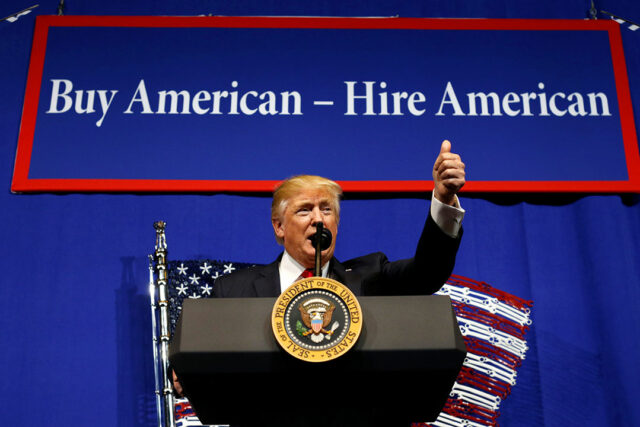
US PRESIDENT Donald J. Trump speaks at an event in Kenosha, Wisconsin, US, April 18, 2017. — REUTERS

WASHINGTON – President Donald Trump said on Wednesday that he would impose a 10% baseline tariff on all imports to the US and higher duties on dozens of other countries, including some of the United States’ biggest trading partners, deepening a trade war that has rattled global markets and bewildered US allies.

The sweeping duties would erect new barriers around the world’s largest consumer economy, reversing decades of trade liberalization that have shaped the global order.

Trading partners are expected to respond with countermeasures of their own that could lead to dramatically higher prices for everything from bicycles to wine.

US stock futures dropped sharply after the announcement, following weeks of volatile trading as investors speculated about how the incoming tariffs might affect the global economy, inflation and corporate earnings. US stocks have erased nearly $5 trillion of value since February.

Chinese imports will be hit with a 34% tariff, on top of the 20% he previously imposed, bringing the total new levy to 54%. Close US allies were not spared, including the European Union, which faces a 20% tariff, and Japan, which is targeted for a 24% rate.

A White House official, speaking on condition of anonymity, said the higher penalties will take effect on April 9 and will apply to about 60 countries in all. The baseline 10% tariff will take effect on Saturday, the official said.

The “reciprocal” tariffs, Mr. Trump said, were a response to duties and other non-tariff barriers put on US goods. He argued that the new levies will boost manufacturing jobs at home.

“For decades, our country has been looted, pillaged, raped and plundered by nations near and far, both friend and foe alike,” Mr. Trump said at an event in the White House Rose Garden.

Outside economists have warned that tariffs could slow the global economy, raise the risk of recession, and increase living costs for the average US family by thousands of dollars.

Canada and Mexico, the two largest US trading partners, already face 25% tariffs on many goods and will not face additional levies from Wednesday’s announcement.

The reciprocal tariffs do not apply to certain goods, including copper, pharmaceuticals, semiconductors, lumber, gold, energy and “certain minerals that are not available in the United States,” according to a White House fact sheet.

Following his remarks, Mr. Trump signed an order to close a trade loophole used to ship low-value packages – those valued at $800 or less – duty-free from China, known as “de minimis.” The order covers goods from China and Hong Kong and will take effect on May 2, according to the White House.

Chinese chemical makers are the top suppliers of raw materials purchased by Mexico’s cartels to produce the deadly drug, US anti-narcotics officials say. A Reuters investigation last year showed how traffickers often route these chemicals through the United States by exploiting the de minimis rule. China has repeatedly denied culpability.

Mr. Trump is also planning other tariffs targeting semiconductors, pharmaceuticals, and potentially critical minerals, the official said.

Mr. Trump’s barrage of penalties has rattled financial markets and businesses that have relied on trading arrangements that have been in place since the middle of last century.

Earlier in the day, the administration said a separate set of tariffs on auto imports that

Mr. Trump announced last week will take effect starting on Thursday.

Mr. Trump previously imposed 25% duties on steel and aluminum and extended them to nearly $150 billion worth of downstream products.

Tariff concerns have already slowed manufacturing activity across the globe, while also spurring sales of autos and other imported products as consumers rush to make purchases before prices rise.

European leaders reacted with dismay, saying a trade war would hurt consumers and benefit neither side.

“We will do everything we can to work towards an agreement with the United States, with the goal of avoiding a trade war that would inevitably weaken the West in favor of other global players,” Italy’s prime minister, Giorgia Meloni, said.

US Representative Gregory Meeks, the top Democrat on the House Foreign Affairs Committee, said he would introduce legislation to end the tariffs. Such a bill has little chance of passing the Republican-controlled Congress, however.

“Trump just hit Americans with the largest regressive tax hike in modern history – massive tariffs on all imports. His reckless policies are not only crashing markets, they will disproportionately hurt working families,” Mr. Meeks said. – Reuters

Beyond the Metro: Garden City opens the doors to opportunity in Bacoor, Cavite

A home is more than just a place to live. It is a place where you and your loved ones can live well. And in a time when Metro Manila grows more congested, costly, and difficult to navigate, a home that prioritizes space, peace of mind, and long-term livability has never been more important.

Garden City, located in Bacoor, Cavite, offers a compelling alternative to the hectic life of Metro Manila: a thoughtfully planned community designed for modern families who want more out of life than the crowded and increasingly unaffordable urban lifestyle.

This innovative development provides a solution that addresses the needs of today’s homebuyers — offering the perfect balance of affordability, flexibility, and accessibility. Garden City is set to deliver a high-quality residential experience without the hefty price tag. With its focus on nature inspired living, Garden City ensures prospective homeowners can embrace suburban tranquility without compromising on the benefits of city living.

Creating Infinite Possibilities

Garden City, understands that homebuyers are seeking more than just a place to live — they want a community where they can thrive. This is why the property is focused on delivering three key pillars: Price Point, Flexibility and Accessibility. Each of these pillars has been carefully considered and incorporated by its developer, Golden Bay Landholdings, as it actively pushes for the livework-play concept with the ultimate goal of achieving a seamless and enriched lifestyle for future residents.

Price Point and Flexibility

Garden City is surely a smart investment with prices 30%–40% lower, comparable to condos in the nearest CBD. Its competitive rates and light payment terms make homeownership more accessible, preventing financial strain. To accommodate buyers’ diverse needs, Garden City provides flexible payment options, including pre-selling, allowing buyers to lock in today’s prices before they appreciate. Whether you’re a young professional or a growing family, Garden City ensures an easy and budget-friendly path to owning a quality home — perfect for both personal use and investment.

Prime Location with Unmatched Accessibility

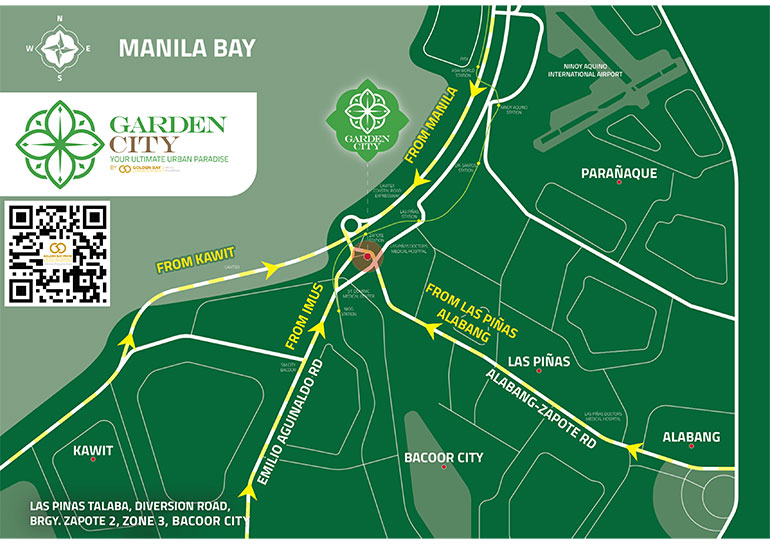
Located in Bacoor, Cavite, Garden City offers the ideal balance of urban convenience and suburban peace. Just a short drive from Metro Manila, it’s near major expressways like CAVITEX, CALAX, and the LRT Line 1 extension, ensuring residents quick access to Makati, BGC, and other business hubs. With seamless transport options by car, train, or bus, residents enjoy shorter commutes and more time for work, family, and leisure — making city life accessible minus the stress. In addition to these key features, Garden City offers 50% green spaces and nature-inspired designs that seamlessly blend modern aesthetics with sustainability, ensuring every aspect of one’s life feels fulfilling.

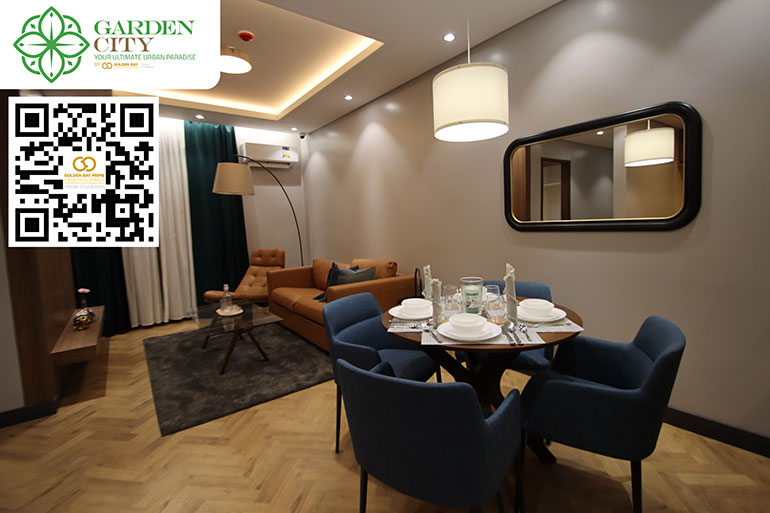
Where Dreams Become Reality

Studio Unit

Construction for Garden City is set to begin in the 4th quarter of 2025, with the first tower, Molave, scheduled for turnover starting in December 2028. This development has been awarded the prestigious OPAL Award 2020 for Mixed Used Development-Low Rise, recognizing its design, societal impact, and nature-inspired lifestyle concept. As Bacoor continues to grow as an important business hub, Garden City is perfectly positioned to become one of the most soughtafter addresses in Cavite.

With many state-of-the-art amenities, including indoor and outdoor gyms, a heated lap pool, charging stations, and even a free AC unit for buyers, Garden City offers everything residents need to live comfortably and in style.

2-Bedroom Unit

As construction progresses, buyers can look forward to a vibrant, nature-filled community that provides all the modern comforts and amenities they could ever need. Garden City is where one’s dreams of homeownership comes to life, offering a bright future for those who choose to make it their home.

For more information on Garden City, you may follow them on social media through their official Facebook account, https://www.facebook.com/gardencityph or visit Golden Bay Landholdings’ official website, https://goldenbayland.com/garden-city/.


Spotlight is BusinessWorld’s sponsored section that allows advertisers to amplify their brand and connect with BusinessWorld’s audience by publishing their stories on the BusinessWorld Web site. For more information, send an email to online@bworldonline.com.

Join us on Viber at https://bit.ly/3hv6bLA to get more updates and subscribe to BusinessWorld’s titles and get exclusive content through www.bworld-x.com.