
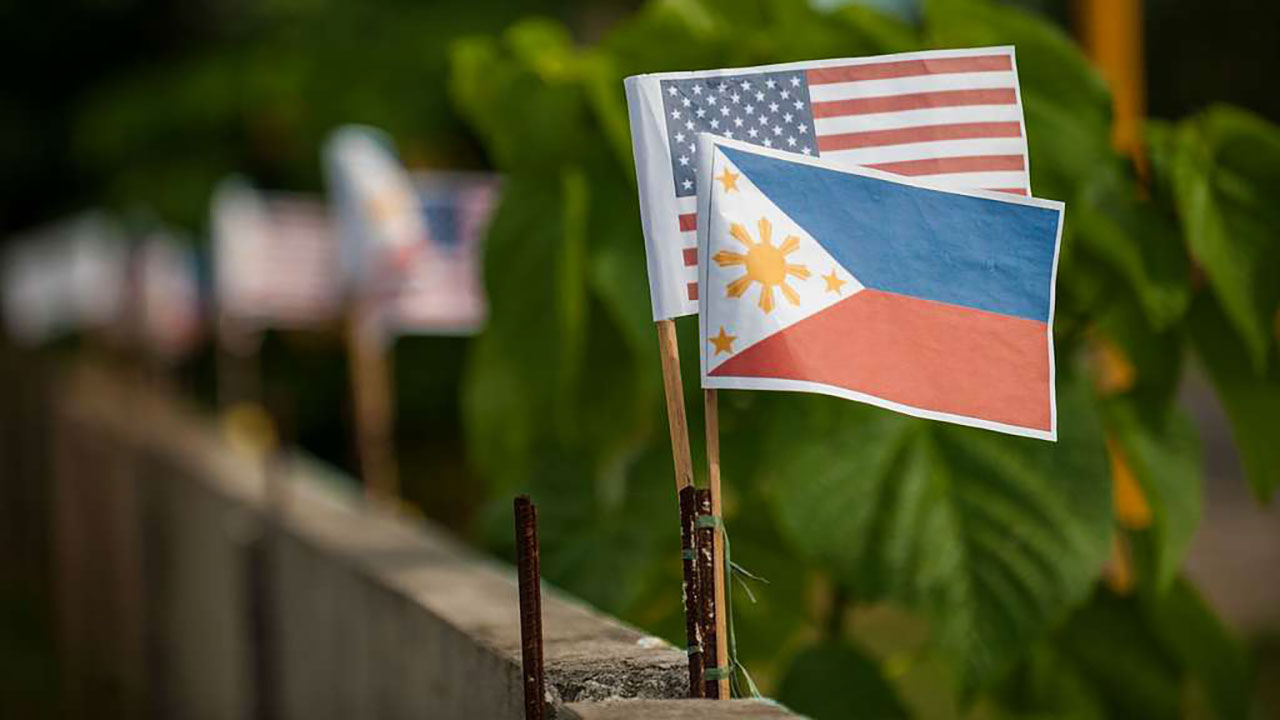
It seems unlikely that the Philippines will secure a significantly better trade deal from the United States between now and 2028. With the 19% tariff on Philippine exports set to begin on Aug. 1, this appears poised to remain unchanged throughout the Marcos II Administration, and possibly even through the end of the Trump II Administration.
Without further negotiation, the 19% “compromise” tariff, slightly reduced from an original proposal of 20%, could severely impact Philippine exports to the US. Thus, it is imperative for Manila to convince Washington that addressing its trade imbalance with the Philippines need not disrupt trade, jobs, and investments, and that protecting mutual strategic interests, particularly in the West Philippine Sea, is beneficial for both nations.
However, if Manila puts in deliberate and strategic effort, and with some luck, it might successfully lobby Washington for meaningful concessions. An initial, realistic goal could be reducing the tariff from 19% to 15% before Presidents Marcos or Trump leave office. Ultimately, the art of securing a better trade deal from the US hinges on what Manila can offer in return.
The US has granted tariff concessions to strategic partners such as Japan, Vietnam, and South Korea. While the Philippines received a small concession (the reduction from 20% to 19%), there remains considerable room for further negotiation. Manila should confidently pursue additional tariff reductions by offering reciprocal benefits, possibly beyond trade, including strategic security arrangements or other mutually beneficial agreements.
Timing also plays a critical role. The period between 2026 and 2027 represents a crucial negotiating window. As Presidents Marcos and Trump approach the end of their terms, both leaders might look for diplomatic victories to cement their legacies. Trade talks could serve as a tangible example of further “strengthening” the bilateral alliance, demonstrating that one nation’s success need not come at the expense of the other.
Moreover, despite common perceptions that the Philippines needs the US more than vice versa, the reality is more nuanced. The US equally needs strategic allies like the Philippines for regional stability, especially amid rising tensions with China. The relationship between Manila and Washington is, in fact, symbiotic, both for security and mutual economic benefit.
To leverage this relationship effectively, Manila must mobilize strong, data-driven advocacy. This advocacy must be supported by industry and business groups to demonstrate convincingly to Washington the disproportionate impact of a 19% tariff. Clearly framing how such tariffs unnecessarily undermine economic stability in a key US ally in Asia will bolster Manila’s negotiating position.
Furthermore, while the US typically employs tariffs as leverage to address global trade imbalances and support domestic industries, it is important to recognize that imposing higher import duties on trading partners also adversely impacts US consumers through higher prices. This reality provides an opening for the Philippines to engage allies within the US domestic market.
Here, US companies deeply integrated into Philippine supply chains can play a crucial role. Effective lobbying by US technology, electronics, and agri-food companies, which depend heavily on Philippine exports, could prompt a reconsideration of current tariff policy. Sectoral exclusions or targeted reductions for specific tariff lines could represent significant wins for the Philippines.
The Philippines indeed has a moderate to good chance of swaying the US to lower the tariff further to 15%, but achieving this will likely require visible reciprocal actions. These could include providing greater market access for US investors, clearer alignment on defense and security issues, or streamlined regulatory processes for US products entering the Philippine market.
In essence, bilateral negotiations will probably take precedence over broader, multilateral arrangements, potentially elevating the US to a more prominent trading position among the Philippines’ international partners. First among equals, so to speak.
Simultaneously, as Manila advocates for a comprehensive reduction to 15%, it should also seek immediate sector-specific relief. There is a high likelihood that the US might agree to reduce or exempt tariffs on strategically critical sectors like electronics, BPO-linked services, or key agricultural exports.
Manila’s message should consistently emphasize that lower tariffs help ensure Philippine economic stability, directly benefiting US security and economic interests in the Asia-Pacific region.
To enhance the effectiveness of its advocacy, Manila needs to build a broad coalition. Diplomatic engagement alone will not suffice; the Philippines must strategically engage US consumers, voters, and business stakeholders, especially those closely linked to Philippine-based businesses or supply chains.
Highlighting how tariff reductions could directly benefit US consumers through lower prices and greater product availability will increase domestic pressure on the US administration to reconsider its stance.
Furthermore, Manila should strategically leverage defense cooperation. Trade and security negotiations are inherently interconnected. Strengthening the economic relationship through mutually beneficial terms enhances the strategic stability of both nations, particularly bolstering the Philippines’ role as a key regional ally. This strategic alignment directly advances US interests by securing its access and influence within the increasingly contested Asian region.
In this context, the Philippine government must rapidly assemble robust, data-driven economic impact studies. These analyses should quantify the mutual benefits of tariff reductions, clearly illustrating potential job losses and negative regional economic consequences, including impacts on regional security, if tariffs remain at 19%.
Philippine trade and foreign affairs officials clearly recognize the necessity and urgency of further negotiations. Sectoral adjustments represent immediate, achievable gains, but broader tariff reductions require focused, high-level attention. Negotiations must therefore be prioritized while Presidents Marcos and Trump are still in office and while defense alignment remains a high priority for the US.
Marvin Tort is a former managing editor of BusinessWorld, and a former chairman of the Philippine Press Council