Labor seeks bigger role in PhilHealth, SSS, Pag-IBIG
By Erika Mae P. Sinaking, Reporter
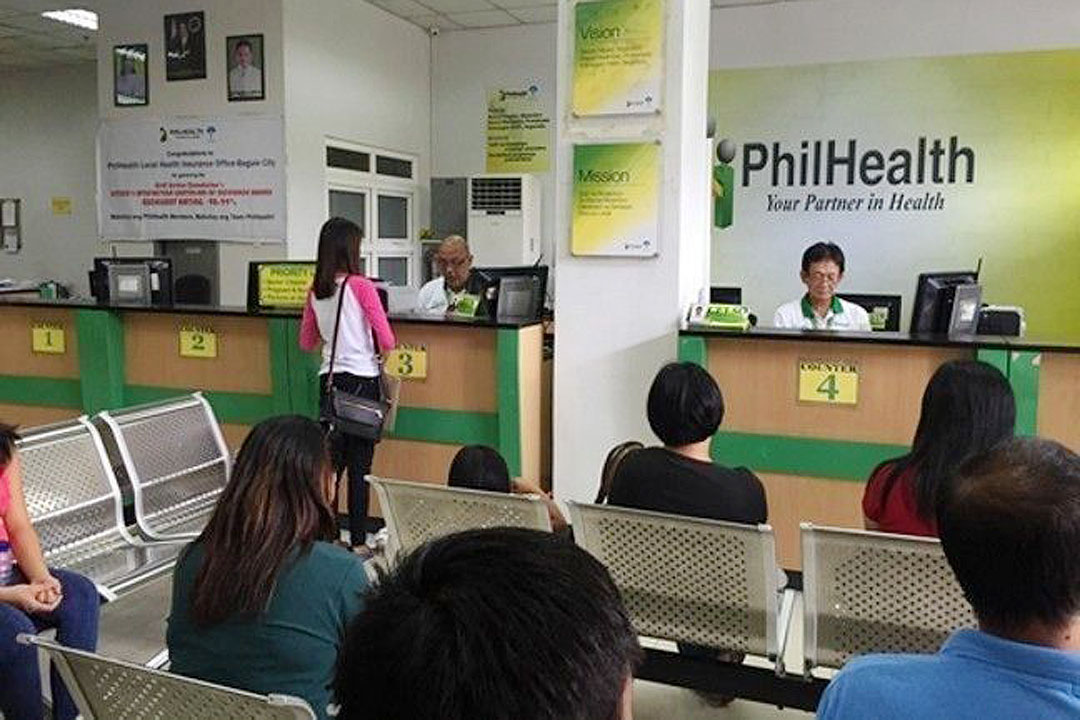
LABOR GROUPS pushed for stronger worker representation in government-owned and -controlled corporations (GOCCs) handling social funds, citing the reversal of the P60-billion remittance by the Philippine Health Insurance Corp. (PhilHealth).
Affiliates of the Nagkaisa Labor Coalition, which had earlier petitioned the Supreme Court for the return of the PhilHealth funds after the government tapped the health insurer’s surplus, welcomed the reported transfer. They renewed their demand for greater worker participation in the governing boards of PhilHealth, the Social Security System (SSS), the Pag-IBIG Fund, and other state-run institutions managing worker contributions.
PhilHealth, in a statement on Wednesday, confirmed that the returned P60 billion will support its operations to expand and improve healthcare services for members.
The Supreme Court ruled in December that the transfer of excess funds from GOCCs to the National Treasury was unconstitutional. A subsequent directive from President Ferdinand R. Marcos, Jr. ordered the restoration of the PhilHealth funds.
“The Supreme Court decision is a victory for workers and PhilHealth members. But the next challenge is to make sure the returned funds are actually used for their benefit — better services, wider coverage, faster claims, and real protection,” Jose G. Matula, Nagkaisa chairman and Federation of Free Workers president, told BusinessWorld via Viber.
“A meeting with the President is another necessary step to discuss labor issues, including genuine workers’ representation in GOCC boards,” he said.
“We also need a serious review of seats supposedly reserved for workers. There are plenty of ‘labor seats’ on paper, but in practice they go to those who are not truly representative of workers,” he added.
According to the High Court, excess funds from government financial institutions must be treated in accordance with their statutory mandates and cannot be utilized as surplus.
The P107.23 billion remitted by the Philippine Deposit Insurance Corp. in January 2025 — under the same budget provision that was declared unconstitutional — remains with the Treasury and is currently under legal review following calls from business groups for its return.
“We are studying the filing of another petition if the Marcos administration has no plan to return,” Mr. Matula said.
He also said that the development underscores the need to faithfully implement constitutional provisions on workers’ participation in policy and decision-making bodies, as well as adherence to International Labor Organization Convention No. 144 on tripartite consultation.
Anthony C. Leachon, an independent health reform advocate, said separately via Viber that the “diversion” of PhilHealth funds highlighted how resources intended for healthcare can be misallocated at the expense of patients and providers.
“The restoration in 2026 does not undo the operational harm already suffered. Restoration is not reversal. The injustice has already been inflicted. Taxpayers are effectively paying twice — once when the funds were siphoned off, and again when the Treasury refills the hole using fresh appropriations. The human cost is borne by patients and providers who were denied support at the critical moment,” he said.
“This is why accountability is essential. The diversion violated the Universal Health Care Act and the principle of earmarking. It is not merely a fiscal error — it is a moral failure that compromised lives and institutions,” he added.