ILO cites impact of programs in BARMM to reduce child labor
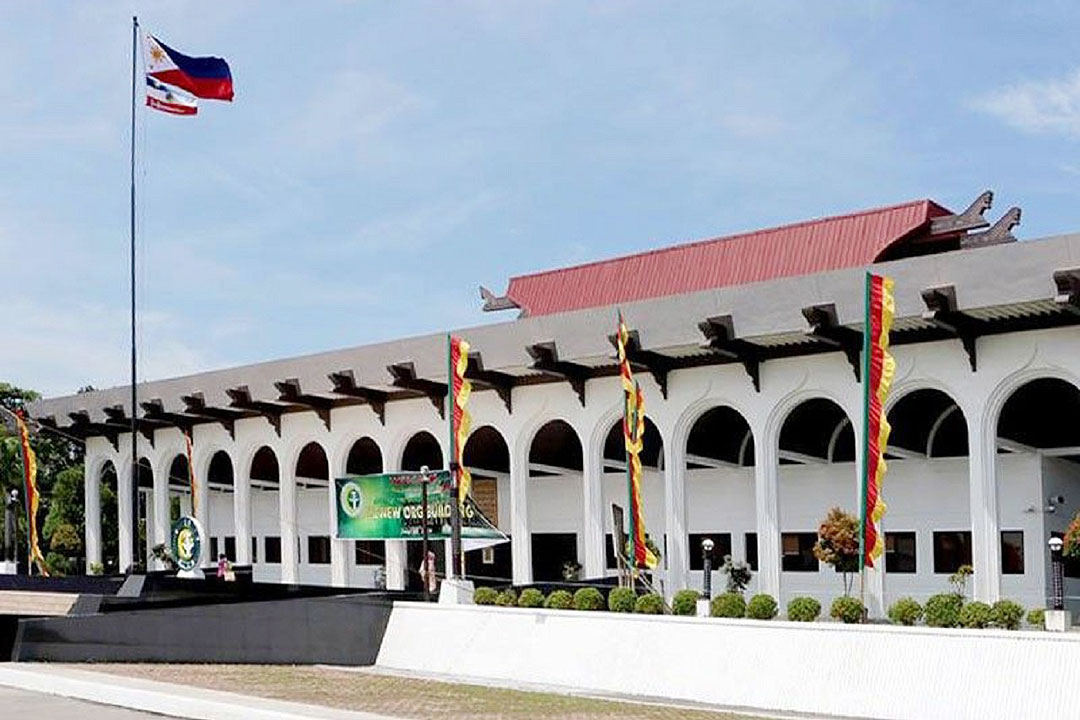
THE International Labour Organization (ILO) said the Bangsamoro Autonomous Region in Muslim Mindanao (BARMM) is pursuing policy reforms, livelihood programs, and education interventions that help break the cycle of child labor.
The ILO cited the Japan-funded Achieving Reduction of Child Labour in Support of Education Project, which promotes sustainable livelihoods to reduce families’ reliance on children’s income. In Barangay Looy, South Upi, Maguindanao del Sur, families previously dependent on hazardous scavenging and farm work have shifted to small-scale enterprises such as mushroom farming.
Education access has also been expanded through the Alternative Learning System, which enables out-of-school youth to complete basic education and qualify for further studies through Accreditation and Equivalency examinations, it said.
The ILO also pointed to labor governance reforms under the Bangsamoro Labour and Employment Code, which includes provisions on the minimum employment age, youth apprenticeship, skills training, and support for out-of-school children to prevent child labor.
Child labor in the Philippines fell to an estimated 509,000 children in 2024, down from 828,000 in 2022, according to the Philippine Statistics Authority (PSA). Many working children remain engaged in hazardous labor, particularly in agriculture and waste scavenging, the ILO said in a report released this week.
The PSA defines child labor as work or economic activity performed by a child aged 5 to 17 that is exploitative or harmful to their development.
“Child labor strips children of their rights to protection, learning, and health,” the ILO said, noting that poverty, agriculture-based livelihoods, and decades of armed conflict have heightened risks in parts of Bangsamoro.
Local governments have complemented national and regional efforts. Cotabato City Councilor Shalimar Candao, who chairs the city’s council against child labor, said a priority measure has been “relocating the families living inside the dump site” to reduce children’s exposure to hazardous work. — Erika Mae P. Sinaking