Palace weighing all options after Balisacan calls wealth tax ‘complex’
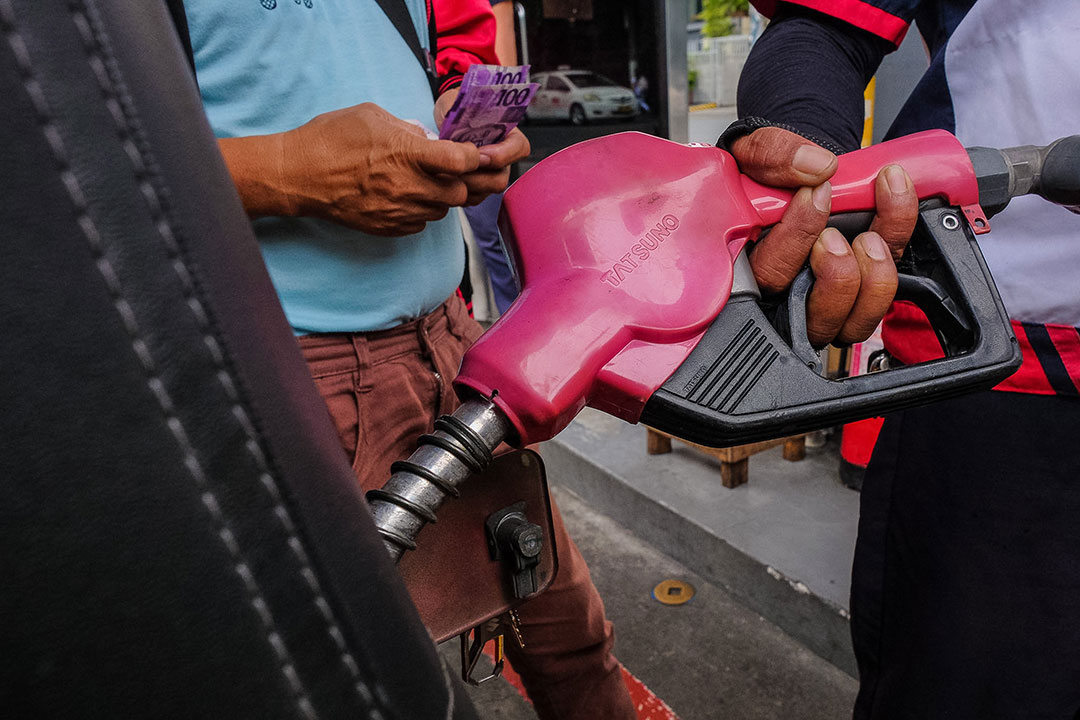
MALACAÑANG said all policy options remain on the table after Economy Secretary Arsenio M. Balisacan warned about the administrative burden of implementing a wealth tax.
Palace Press Officer Clarissa A. Castro said at a briefing that President Ferdinand R. Marcos, Jr. is open to all proposals to deal with the looming crisis triggered by the fighting in the Persian Gulf, adding that “nothing is off the table.”
She said Mr. Balisacan, who heads the Department of Economy, Planning, and Development (DEPDev) also warned that one of the other risk of a wealth tax is capital flight.
“Implementing or administering a wealth tax is never easy; most countries that have tried it, such as France, Germany and Sweden, abandoned it because of its administrative complexity and the low revenue it generated,” Mr. Balisacan was quoted as saying.
The Philippines is rolling out a program of targeted subsidies to cushion the impact of surging fuel prices.
Mr. Marcos late Wednesday signed into law Republic Act (RA) No. 12316, giving him the power to reduce or suspend fuel excise taxes, though any such action will rely on the recommendation of his officials.
Ms. Castro said the Department of Energy is still studying the extent of the fuel tax action.
Former Director General Solita C. Monsod, who used to head DEPDev’s predecessor agency, the National Economic and Development Authority, had put forward the wealth tax proposal after saying the suspension of fuel excise taxes disproportionately benefits higher-income groups while draining public revenue needed for social services.
Mr. Balisacan described a wealth tax as “an economist’s dream,” noting that it could curb the concentration of wealth over generations and mitigate the outsized political and economic influence of the ultra-rich.
Still, he warned that such measures are difficult to implement and often yield limited revenue.
“A wealth tax slows wealth concentration over generations,” he added.
“Such concentration translates into political and economic power, leading to market failure, slowing economic growth and further weakening inclusivity. Implementing or administering a wealth tax is never easy.”
The Philippines was first in the world to declare a state of energy emergency, with the Middle East crisis threatening its limited supply of fuel.
RA 12316 allows the government to respond with fuel tax cuts once the Dubai crude benchmark hits at least $80 per barrel for 30 days. — Chloe Mari A. Hufana