SEC suspends monthly penalties on late filings
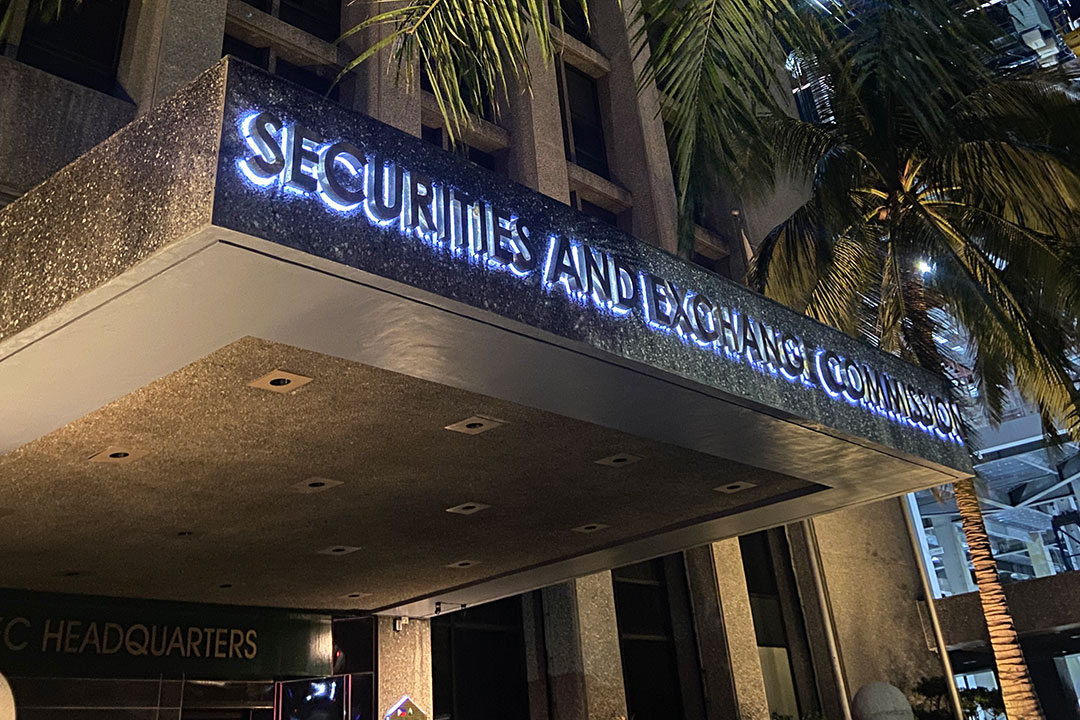
THE SECURITIES and Exchange Commission (SEC) has suspended monthly penalties on late and nonfiling of reportorial requirements until year-end as part of efforts to reduce compliance costs and improve the ease of doing business.
The corporate regulator in a memorandum circular deferred the “per month of delay” penalty in the submission of annual financial statements and general information sheets.
The previous system imposed escalating charges based on the length of delay, with each fraction of a month treated as a full month and penalties capped at 12 months for prolonged nonfiling.
“The suspension of the monthly penalty on a prospective basis constitutes a concrete and meaningful regulatory reform measure that directly reduces the compliance cost burden on all registered corporations, including micro, small and medium enterprises (MSME), and demonstrates the commission’s commitment to a more business-friendly regulatory environment,” it said in the circular.
The suspension will remain effective until Dec. 31 unless extended or modified by the commission.
The order covers all domestic and foreign corporations under SEC jurisdiction, including stock and nonstock and one-person corporations.
The SEC said companies must still file annual financial statements and general information sheets within prescribed deadlines under the Revised Corporation Code and existing rules, while base penalties for late or nonfiling remain in effect.
For pending monitoring cases, the SEC said monthly penalties would no longer be included in assessments, while companies that already received final assessments but have yet to pay will be issued updated billing statements excluding the monthly charge.
However, penalties that had been fully paid before the order took effect will no longer be refunded or credited.
“As we celebrate the Ease of Doing Business month this May, the SEC reaffirms its commitment to foster a robust and responsive business environment,” SEC Chairman Francisco Ed. Lim said in a statement.
“By suspending the compounding monthly penalties, we are providing corporations an opportunity to get back their good standing without the burden of mounting transaction costs, as part of our goal of pushing corporations toward full compliance and sustainable growth,” he added.
In a separate circular, the SEC also revised rules defining “qualified buyers” under the Securities Regulation Code by expanding the types of securities included in computing required investment portfolios.
Under the revised rules, individual investors must have either at least P10 million in annual gross income for two straight years or total portfolio investments of at least P10 million, including registered and exempt securities, along with relevant investment experience requirements.
For juridical entities, the threshold remains at either P100 million in gross assets or P60 million in portfolio investments. — Alexandria Grace C. Magno