Security Bank taps VeritasPay for MSME payment solutions
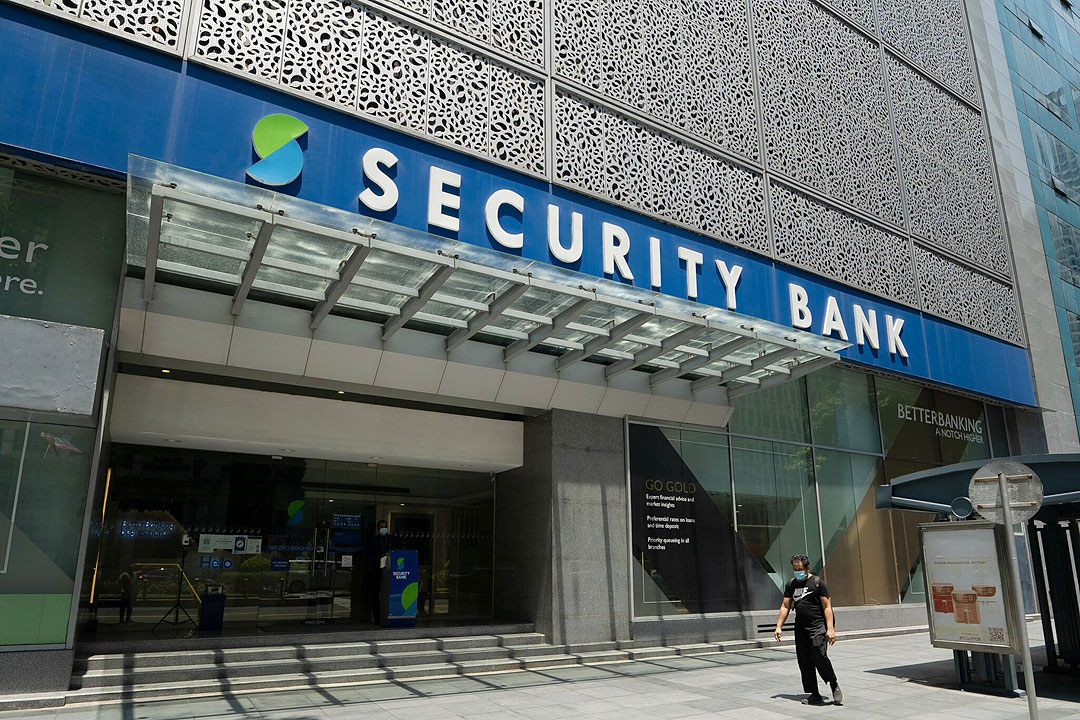
SECURITY BANK CORP. has partnered with VeritasPay Philippines, Inc. to expand digital payment options for its micro, small and medium enterprise (MSME) clients.
“MSMEs need simple and reliable ways to accept digital payments as customer behavior continues to evolve,” Security Bank Senior Vice-President and Business Banking Head John David Yap said in a statement on Sunday. “Through our partnership with VeritasPay, we are helping our clients adopt modern payment solutions that allow them to serve customers better and operate more efficiently.”
Under the partnership, the bank’s MSME clients will be able to access VeritasPay’s point-of-sale (POS) terminals at preferential rates through a referral program.
The listed lender said the collaboration falls under its Beyond Banking Partnership program, an initiative of its business banking segment that aims to support MSMEs through solutions and partnerships that go beyond traditional financing.
VeritasPay’s POS platform includes a merchant dashboard that offers real-time visibility of transactions and simplified daily payment reconciliation, helping business owners manage collections and monitor cash flow.
“Beyond financing, businesses today need tools that help them manage everyday operations,” Security Bank First Vice President Leo Xerxes C. Cimagala said. “By connecting our clients to VeritasPay’s POS solutions, we’re helping them streamline collections, improve cash flow visibility, and operate more efficiently.”
Security Bank’s BusinessPlus accountholders will also get exclusive discounts on VeritasPay POS terminals, including a 5% discount for one-time purchases and a 10% discount for monthly leasing options on eligible devices.
Christopher James Payne, president and chief executive officer at VeritasPay, said the partnership marks the beginning of a long-term collaboration aimed at supporting merchants with advanced payment solutions and improved services.
Security Bank reported a 3% increase in net income to P11.63 billion last year, supported by stronger revenue despite higher loan-loss provisions. — Aaron Michael C. Sy