FinTech Alliance pledges stricter safeguards vs online gambling risks
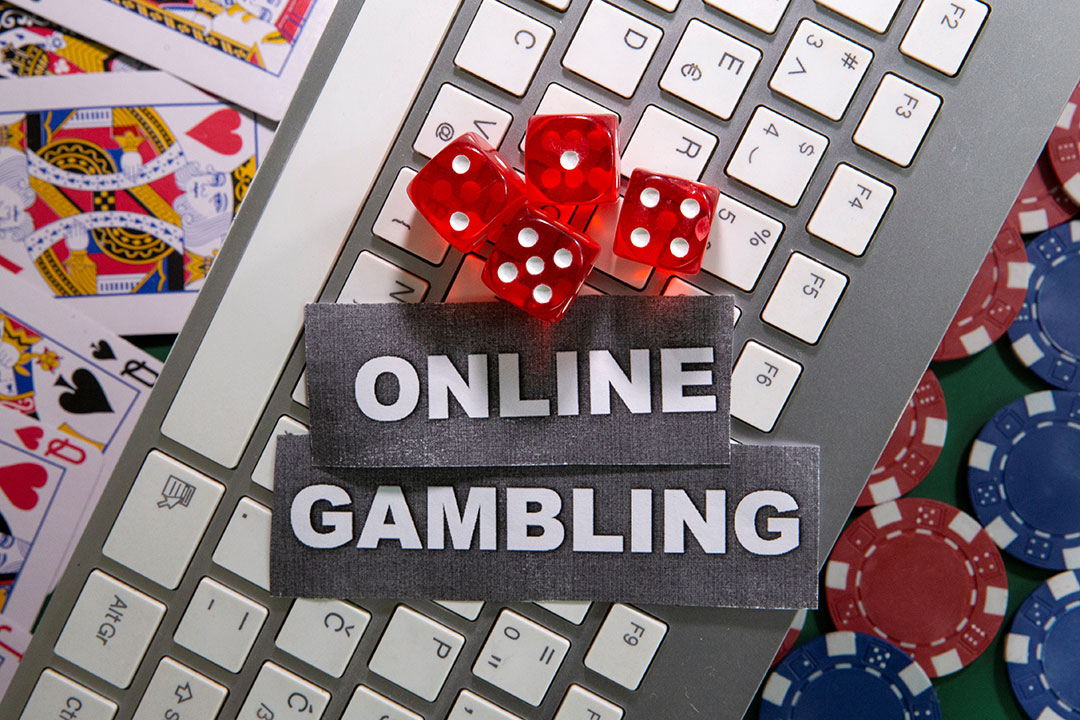
MEMBERS of FinTech Alliance Philippines will implement stricter safeguards and control mechanisms for the use of digital payment platforms for online gaming activities to prevent abuse and addition that could lead to financial ruin.
“The Alliance recognizes the growing concern from the public and other sectors over the impact of gaming. We are united in our commitment to be part of the solution by working closely with regulators, elevating safeguards, and protecting the welfare of Filipino consumers,” Lito M. Villanueva, founding chairman of FinTech Alliance Philippines, said in a statement on Wednesday.
“We remain aligned with the BSP (Bangko Sentral ng Pilipinas) in ensuring that access to payment channels for online licensed gaming is strictly controlled, and that all FinTech Alliance members adopt robust due diligence measures.”
The group is the largest organization of digital finance players made up of BSP-regulated financial technology companies and electronic money issuers, with its members accounting for over 90% of online transaction volumes in the country
It said it supports the BSP’s regulatory framework on the responsible use of online financial services to ensure that the Philippine digital economy “remains safe, ethical, and inclusive especially amid growing public concern around the societal risks of online gaming.”
The rise of online gambling poses risks related to financial distress, addiction, underage or unverified access, as well as the proliferation of illegal and unregulated platforms, the group said.
It added that there is a need for “a balanced, collaborative regulatory approach that preserves innovation while shielding vulnerable sectors of society.”
The group’s members committed to enhanced due diligence of merchant accounts classified under licensed online gaming; real-time detection, monitoring, and blacklisting of illegal and unregulated platforms; and full compliance with BSP-imposed restrictions and enforcement actions on payment channels found to be violating laws.
“The Alliance also encouraged evidence-based policymaking and data-driven interventions to ensure effectiveness and proportionality in regulation,” it said.
It added that it will boost its education and literacy efforts, especially for vulnerable consumers.
The group’s members will also adopt ethical marketing practices while promoting consumer protection and awareness about the risks of online gaming on their platforms.
“Financial literacy and responsible use are essential pillars of inclusive digital finance. As an industry, we are committed to upholding these values,” Mr. Villanueva said.
The central bank has said that it will issue regulations that would require banks and e-wallets to protect their users from the growing risks of online gambling.
Earlier this year, it released a draft circular on banks’ and electronic money issuers’ digital marketplace activities, which included a provision prohibiting them from presenting offerings related to gambling activities, such as online casinos, online betting and electronic gaming.
For its part, the Finance department has said it is looking to propose a tax on online gaming activities.
Lawmakers have filed several measures that seek to better regulate the online gambling industry, with some proposing a complete ban on these activities, as they look to curb rising cases of addiction to these platforms amid their growing popularity.
The Philippine Amusement and Gaming Corp. said gross gaming revenue (GGR) rose by 27.44% to P104.12 billion in the first quarter, with electronic gaming out-earning physical casinos for the first time. The e-games sector generated P51.39 billion or 49.36% of GGR in the period. — A.R.A. Inosante