ASEAN-BAC Philippines pushes food security as regional priority
The ASEAN Business Advisory Council (ASEAN-BAC) Philippines said that strengthening food security across the region must be prioritized to promote growth amid the global oil crisis.
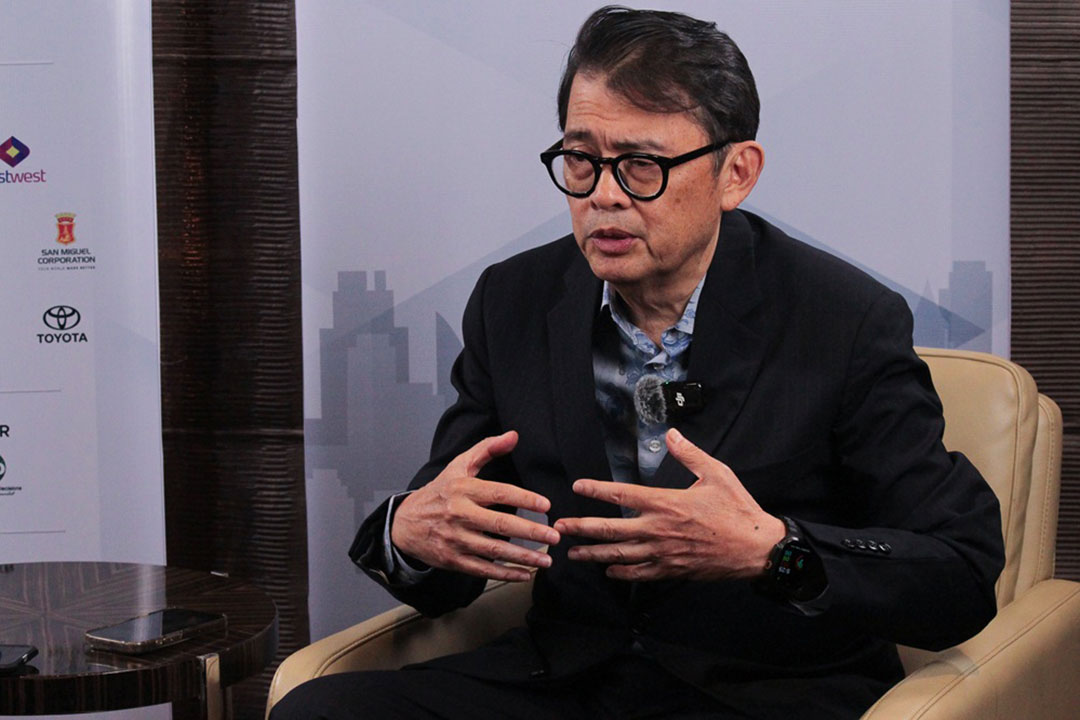
“Food security is closely linked to strong supply chains; it is also the issue people feel most directly across ASEAN,” ASEAN-BAC Philippines Chair Jose Ma. “Joey” A. Concepcion III told the BusinessWorld Economic Forum on Monday.
Among the recommendations to strengthen food security is establishing a “crisis green lane” for food, feed, fertilizer, and packaging to keep the trade open and avoid sudden export restrictions.
“Prosperity for all means keeping food moving, energy flowing, and business running – especially during the times of crisis,” Mr. Concepcion said.
Sufficient energy supply for the food system to ensure continuity amid disruptions, and easier financing support for farmers, small, and medium enterprises (SMEs) were also recommended.
“Make sure food systems have enough energy so food processing, cold storage, and logistics can continue during disruptions,” he added. “Support SMEs and farmers through easier access to financing so they can continue operations and protect jobs.”
Data from the 2025 State of Food Security and Nutrition in the World report found that, based on population share, the Philippines ranked second-highest in Southeast Asia in terms of its inability to afford a nutritious diet.
The report added that eating nutritious meals in the country costs $4.39 a day in 2024, 34.7% higher compared to 2017.
Apart from food security, other recommendations of the council include improving regulatory flexibility and a permanent public-private mechanism to monitor disruptions and coordinate faster regional responses.
Mr. Concepcion noted that the ASEAN-BAC will present these recommendations and flagship programs to global leaders during the ASEAN Business and Investment Summit (ABIS) 2026, scheduled in November, to ensure the inclusion of the private sector in the regional economic agenda.
“If the government and businesses work together, we can overcome today’s challenges, protect vulnerable sectors, and create more opportunities,” he said.
“No sector, no economy, and no one in ASEAN is left behind,” he added.
The Philippines, as the region’s 2026 chair, will facilitate a year-long series of meetings to discuss collaborations and priorities on emerging issues across ASEAN.
Thematic priorities of the country’s chairship are anchored in three key pillars – Peace and Security Anchors, Prosperity Corridors, and People Empowerment. — Almira Louise S. Martinez