DOST funds project for rapid detection of heavy metals in high-value crops
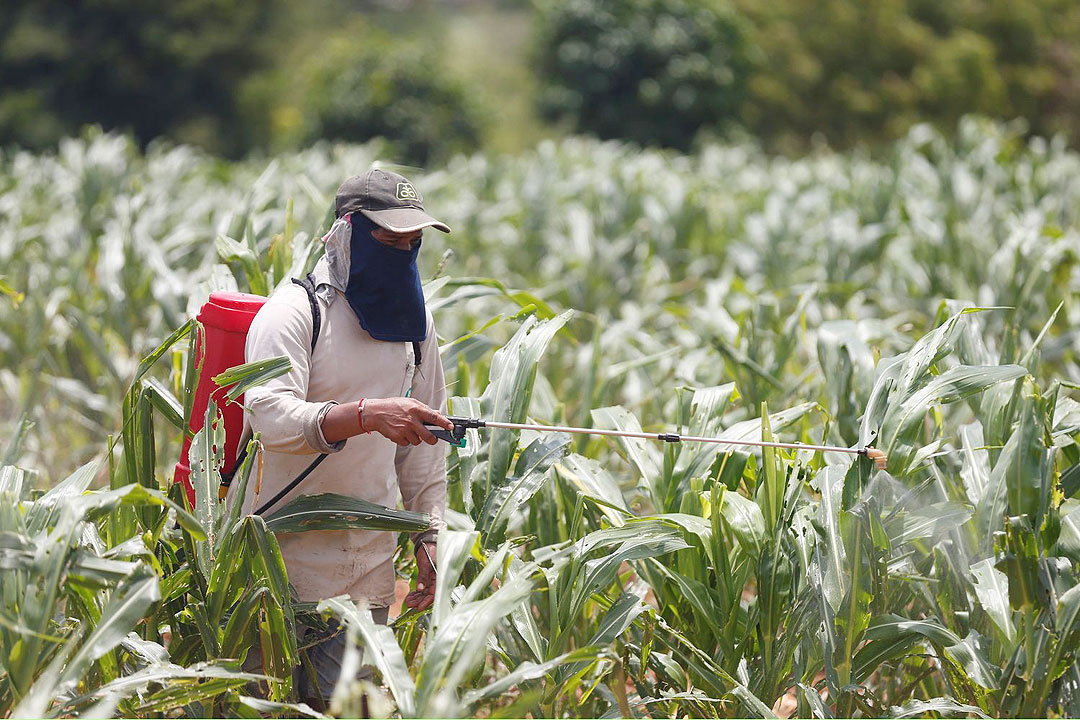
The Department of Science and Technology (DOST) has funded a project to develop a portable, cheaper, and faster method of detecting heavy metals and trace elements in high-value crops that could pose health risks to humans if consumed regularly.
The project is titled “Development and Application of Rapid, Non-destructive Heavy Metal and Trace Element Detection Techniques in Plant Materials.”
DOST Secretary Renato U. Solidum Jr. said the project is a scientific intervention aimed at addressing heavy metal contamination in agricultural lands.
“This project will help improve the quality of our produce while equipping our farmers with a cost-effective method for detecting heavy metals,” he said.
Heavy metals and trace elements can be found in crops due to agricultural inputs such as fertilizers and pesticides, industrial activities in nearby areas, metal equipment used in processing, as well as transport and storage, DOST said.
Heavy metals that may be present in crops include cadmium, copper, lead, chromium, arsenic, and mercury, which, if consumed in significant amounts, can cause cancer, cardiovascular, neurological, and kidney diseases.
Through the project, high-value agricultural crops such as cacao, coffee, and mangoes—often produced for export—will be tested for heavy metal contamination using a portable diagnostic method based on nuclear-related techniques.
If successful, farmers, farm owners, and other stakeholders will have access to a cost-effective and accessible device that can help improve crop quality, marketability, and livelihoods.
The project is being implemented by the DOST-Philippine Nuclear Research Institute (PNRI) and monitored by the DOST-Philippine Council for Agriculture, Aquatic and Natural Resources Research and Development (PCAARRD).
It is expected to run for two years in the regions of Ilocos, Western Visayas, Davao, Zamboanga Peninsula, and SOCCSKSARGEN.
The project was formally launched during a meeting held on January 12. — Edg Adrian A. Eva