


Traffic jams and the toll on public health
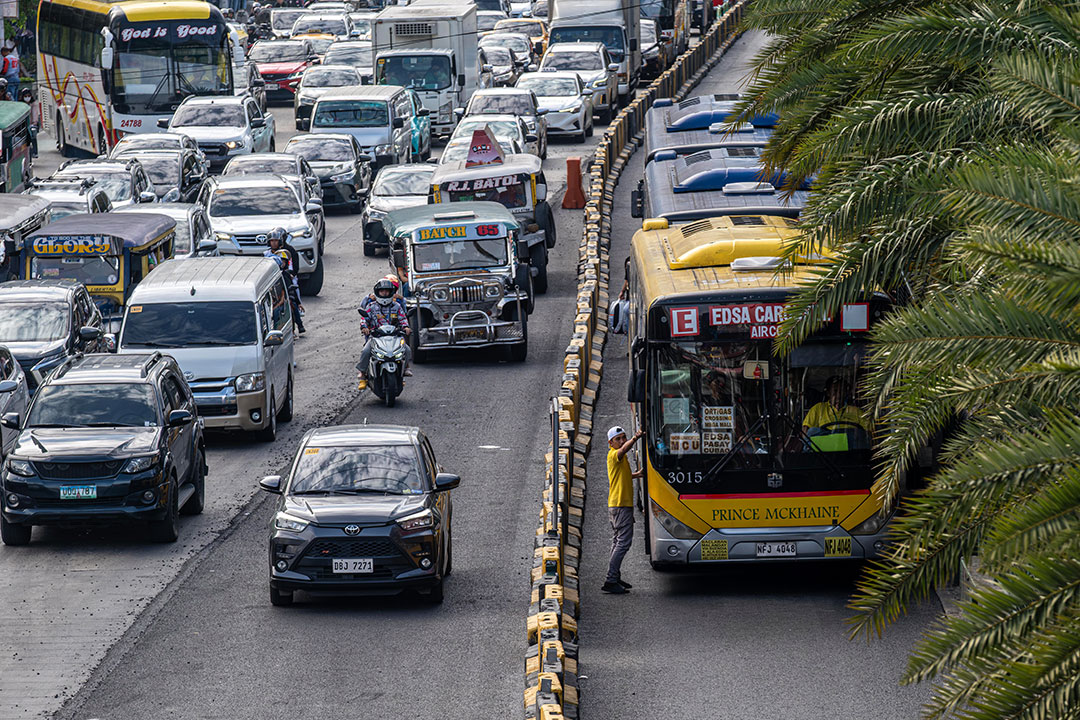
The Philippines ranks among the five most traffic-congested countries in Asia, with Metro Manila and Davao City consistently listed among the world’s most congested urban centers. For millions of Filipinos, traffic is not just a daily inconvenience — it is now a growing public health concern.
Metro Manila commuters spend an average of 120 to 145 hours a year stuck in traffic, equivalent to losing nearly an entire workweek annually while sitting on the road. Beyond lost time and productivity, prolonged exposure to traffic congestion can silently affect cardiovascular and respiratory health.
A 2017 study by the Japan International Cooperation Agency (JICA) estimated that traffic congestion in Metro Manila costs the Philippine economy at least P3.5 billion daily. Without major interventions, these losses could rise to P5.4 billion per day by 2035.
Yet the impact of traffic extends beyond economics. Scientific evidence increasingly links traffic-related air pollution, chronic noise exposure, stress, and sedentary behavior to elevated risks of cardiovascular and lung disease.
A meta-analysis published in the Journal of Urban Health found that long-term exposure to traffic noise is associated with higher rates of cardiovascular disease, including ischemic heart disease, heart failure, and stroke. Another review published in Circulation Research, the official journal of the American Heart Association, showed that chronic exposure to traffic noise activates stress pathways that raise blood pressure and heart rate, accelerating cardiovascular damage over time.
Similarly, the UK Biobank Study involving over 500,000 participants found that residential road traffic noise was associated with elevated blood pressure, inflammation markers, and self-reported hypertension — all established cardiovascular risk factors. Published in the European Heart Journal, the study reinforces growing evidence that traffic-related stressors can have long-term health consequences.
A cohort study by Italian researchers published in the International Journal of Environmental Research and Public Health further revealed that combined exposure to vehicular traffic noise and air pollution significantly increased cardiovascular disease risk even after accounting for socioeconomic factors such as age, education, and income.
These findings are consistent with local studies conducted in the Philippines. Research involving Metropolitan Manila Development Authority (MMDA) traffic enforcers found that cumulative exposure to black carbon — a pollutant strongly associated with vehicular emissions — was linked to higher blood pressure levels. The study, conducted by researchers from the University of the Philippines-Manila, University of Santo Tomas, St. Luke’s College of Medicine-William H. Quasha Memorial, and the Professional Regulation Commission, was also published in the International Journal of Environmental Research and Public Health.
The study noted that the effects were more pronounced among female traffic enforcers and individuals classified as “ever smokers,” suggesting that certain populations may be more vulnerable to the cardiovascular effects of traffic-related pollution. Researchers also found that inflammation triggered by black carbon and heavy metals may contribute to long-term heart damage.
The findings are particularly important because they provide one of the first localized datasets on occupational exposure to traffic-related pollutants in Metro Manila. They also underscore the need for stronger protective measures such as masks, health monitoring, and work rotation schedules for traffic enforcers and other highly exposed workers.
Traffic-related pollutants likewise pose serious risks to respiratory health. A study by researchers from the Ateneo School of Medicine and Public Health found that long-term exposure to fine particulate matter was associated with increased risk of chronic obstructive pulmonary disease (COPD) among MMDA traffic enforcers.
As the country observes Road Safety Month, it is important to remember that protecting road users also means protecting them from the hidden health risks associated with traffic congestion.
Several practical measures can help reduce exposure to traffic-related stressors such as air pollution, noise, and psychological strain. During heavy traffic, keeping car windows closed and using air-conditioning on recirculation mode may help limit the intake of exhaust fumes. Carpooling or ridesharing can also help reduce the number of vehicles on the road and lower collective exposure to pollution.
When using public transportation, wearing a properly fitted KN95 or N95 mask can help protect against particulate pollution and airborne infectious diseases. Listening to calming music and practicing stress-management techniques such as deep breathing or mindfulness exercises during commutes may also help regulate blood pressure and reduce stress.
Maintaining a healthy lifestyle can further help buffer the negative effects of traffic-related stressors. Regular physical activity, a balanced diet, adequate sleep, moderation in alcohol consumption, and avoiding smoking can strengthen cardiovascular and respiratory resilience.
Vaccination also plays an important role in protecting vulnerable individuals. Respiratory infections such as influenza and pneumococcal disease can worsen cardiovascular conditions and increase the risk of serious complications. Flu and pneumococcal vaccination can help reduce illness severity, prevent complications, and protect vulnerable populations.
Addressing traffic congestion ultimately requires long-term investments in transportation systems, urban planning, and environmental protection. But while broader solutions are being pursued, individuals can still take meaningful steps to protect themselves from the hidden health costs of life on congested roads.
Teodoro B. Padilla is the executive director of Pharmaceutical and Healthcare Association of the Philippines, which represents the biopharmaceutical medicines and vaccines industry in the country. Its members are at the forefront of developing, investing and delivering innovative medicines, vaccines, and diagnostics for Filipinos to live healthier and more productive lives.


