Political noise seen adding to FDI uncertainty alongside energy crisis
By Beatriz Marie D. Cruz, Senior Reporter
FOREIGN INVESTMENT pledges in the coming months could dampened by the fighting in Iran, compounded by a flareup of domestic political uncertainty, analysts said.
“This might be a slower year (for foreign investment pledges) due to uncertainties and the higher base recorded in the first quarter, Diana R. Rueda, an economics professor at the University of Asia & the Pacific, said via Viber.
Despite this, she noted that rising oil prices will likely attract foreign investment in sustainable energy, logistics and storage.
In the first quarter, foreign investment pledges jumped 52.3% to P42.64 billion, according to preliminary data from the Philippine Statistics Authority.
However, this was well below the P105.66 billion in foreign investment pledges approved in the fourth quarter of 2025.
Foreign investment pledges during the period were also the lowest since the P27.99 billion recorded in the first quarter of 2025.
“The Q1 number is a statistical artifact of a low base — not an evidence of investor conviction,” Leonardo A. Lanzona, an economics professor at the Ateneo De Manila University, said via Facebook Messenger.
In the coming months, foreign investment pledges will likely cater to industries like manufacturing, digital infrastructure, logistics, and export-oriented ecozone projects, he also said.
“The main downside risks are global slowdown, geopolitical tensions, and weaker FDI (foreign direct investment) appetite,” Mr. Lanzona added.
He also noted that the recent turmoil surrounding the impeachment could further dampen investor sentiment.
“The Senate crisis adds a political risk premium on top of an already fragile external environment,” Mr. Lanzona said.
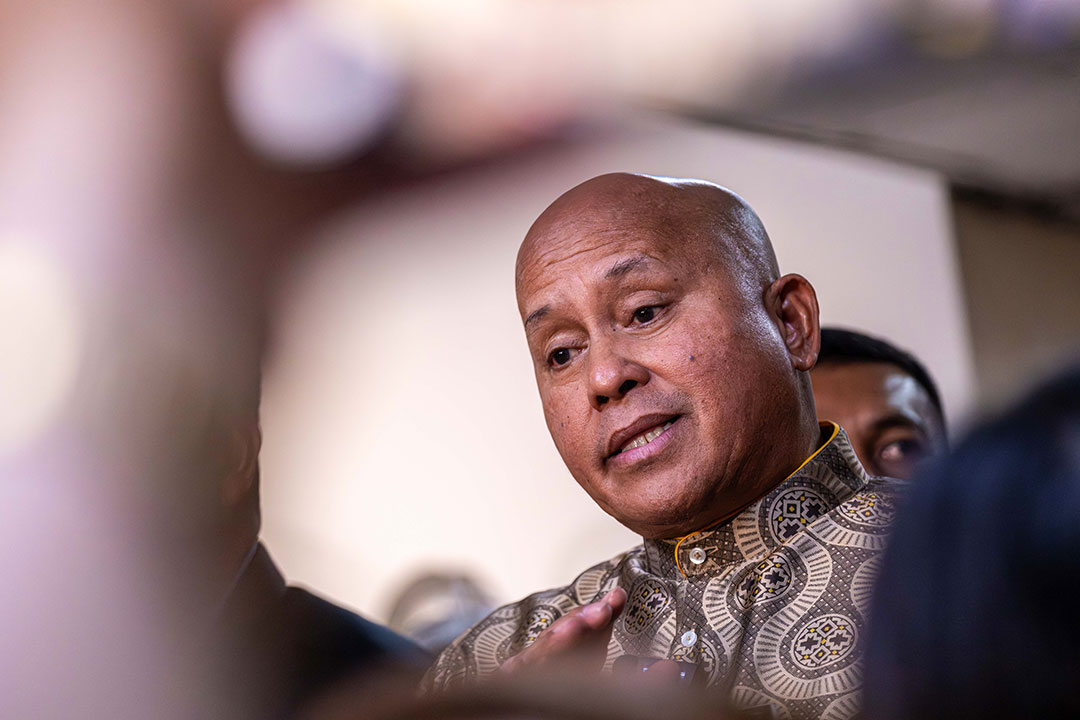
Gunshots were reported inside the Senate building on May 13 after the chamber sheltered Senator Ronald M. dela Rosa, who is wanted by the International Criminal Court over his alleged involvement in the previous administration’s drug war.
“For a country that needs structural FDI to close its investment gap, that’s compounding damage it can ill afford,” Mr. Lanzona added.