
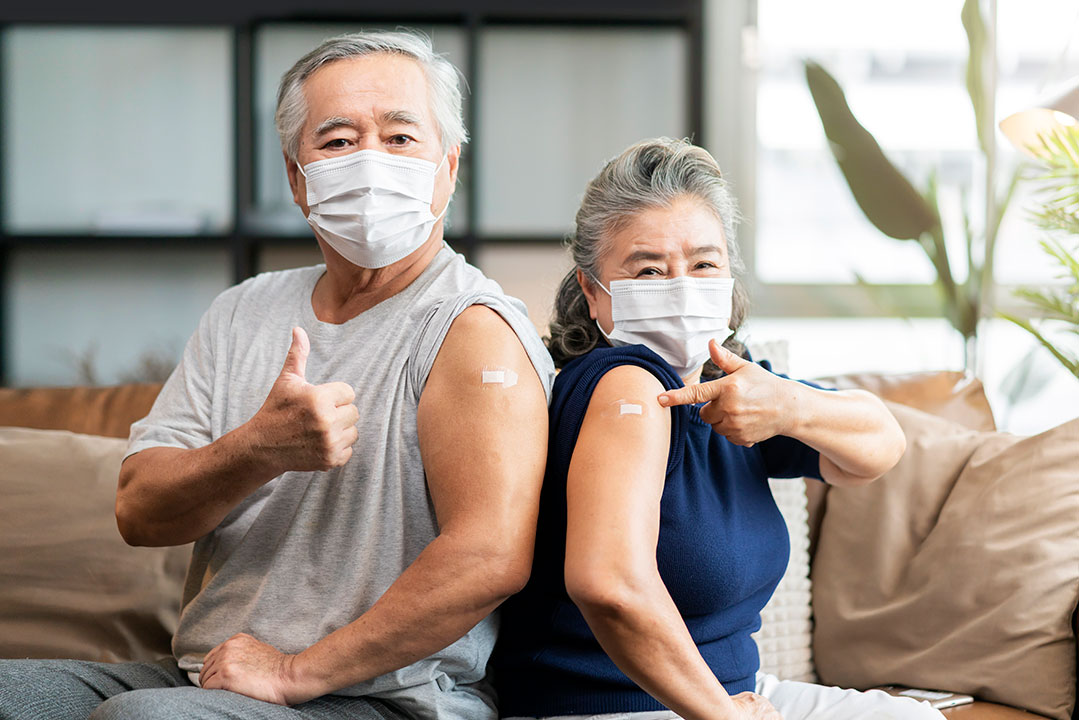
As the Philippines marked the 50th anniversary of the Essential Program on Immunization (EPI) during World Immunization Week, it was a moment not only to celebrate progress, but to confront a critical gap: immunization across the life course.
Established in April 1976, the EPI has reduced child mortality in the country by more than 80% and helped control diseases such as polio and tetanus. This year’s theme, “For every generation, vaccines work,” is a timely reminder that protection should not stop in childhood. Sustaining momentum requires closing immunization gaps across all age groups through stronger policies, improved vaccine confidence, resilient supply chains, and sustained public and private investment, especially as geopolitical tensions continue to disrupt global health systems.
This is particularly urgent as the Philippines moves toward an aging society. By 2030, an estimated 8.5 million Filipinos or around 7% of the population, will be aged 65 and older. At the same time, non-communicable diseases (NCDs) such as cancer, cardiovascular diseases, diabetes, and chronic respiratory conditions already account for 68% of deaths nationwide.
For older adults and those living with NCDs, infections are not just short-term illnesses as they can accelerate physical and cognitive decline, leading to frailty, disability, and loss of independence. The consequences ripple outward such as longer hospital stays, delayed discharges, overstretched health workers, and rising system costs. These pressures compound an already burdened healthcare system facing demographic shifts and fiscal constraints.
The financial toll is equally significant. Filipino households still shoulder nearly half of total health expenditures through out-of-pocket payments. When infections strike, they drive up medical costs, reduce productivity, and strain both family finances and national resources.
Vaccination offers a proven, cost-effective solution. Adult immunization helps prevent disease, reduce complications, and preserve functional independence, allowing individuals to remain active in work, caregiving, and community life. For example, influenza vaccination has been shown to reduce the risk of heart attacks by up to 66% among individuals with cardiovascular disease.
The World Health Organization and the World Federation of Public Health Associations advocate a life-course approach to immunization, recognizing that vaccines are not only tools for child survival, but essential enablers of healthy aging.
The benefits extend well beyond individual protection. For healthcare systems, higher adult vaccination coverage reduces patient load, preserves critical resources, and strengthens resilience. For society, it lowers transmission and protects vulnerable populations. For the economy, the returns are substantial. Studies show that immunization can yield up to 19 times return on investment by safeguarding productivity, reducing healthcare costs, and supporting economic stability.
Realizing these benefits requires coordinated, multi-sectoral action. Adult immunization must be elevated to equal priority as childhood vaccination. It should be recognized not as a cost, but as a strategic investment in long-term health and economic security.
Encouragingly, important steps are already underway. Under Expanded Senior Citizens Act of 2010, the Department of Health, in partnership with local government units, provides free pneumococcal and influenza vaccines to eligible senior citizens. Legislative proposals are also advancing to expand adult immunization benefits under PhilHealth, enabling broader access across both public and private facilities.
Access is further improving through policy reforms. The Pharmacy Law authorizes trained pharmacists to administer adult vaccines approved by the Food and Drug Administration, helping bring vaccination services closer to communities.
The Pharmaceutical and Healthcare Association of the Philippines (PHAP) and its members continue to support these efforts through sustained partnerships. Campaigns such as “IBA ang BAKUNADO,” alongside member initiatives, promote protection at every stage of life through innovation, collaboration, and continued investment in vaccines.
Building trust remains essential. PHAP works closely with the Philippine Medical Association and the Philippine Foundation for Vaccination to strengthen public awareness, address vaccine hesitancy, and ensure Filipinos have access to accurate, science-based information.
As the country looks ahead, the case for adult immunization is clear. Vaccines protect not only individuals, but also families, communities, and the broader economy. Investing in immunization across the life course is one of the most practical and high-impact strategies to build a healthier, more resilient Philippines today and for generations to come.
Teodoro B. Padilla is the executive director of Pharmaceutical and Healthcare Association of the Philippines, which represents the biopharmaceutical medicines and vaccines industry in the country. Its members are at the forefront of developing, investing and delivering innovative medicines, vaccines, and diagnostics for Filipinos to live healthier and more productive lives.