PHL health innovations on the rise, gaps still persist — experts
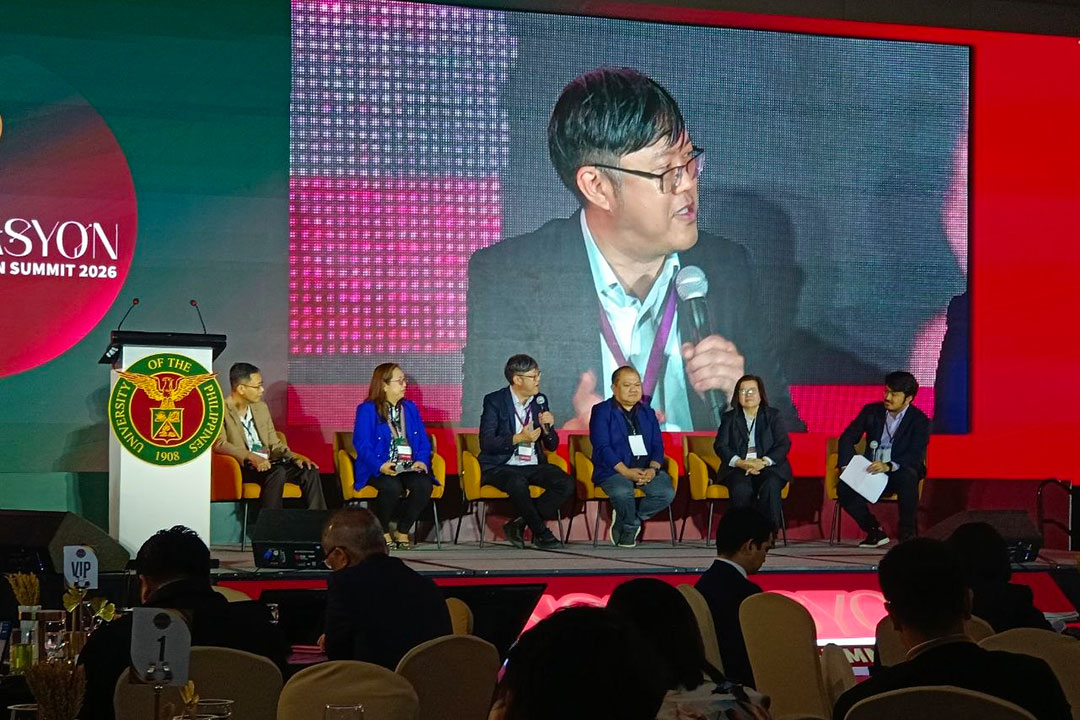
Health experts say innovation in the Philippines is steadily growing at a roundtable discussion on research and innovation during the second day of the Inoblasyon: UP Innovation Summit 2026 in Taguig City on Wednesday.
According to orthopedic surgeon Dr. Emmanuel P. Estrella, there has been a “boom” in innovation in the Philippines.
“I think in the past, it’s been in everyone’s mind but now everyone can see the opportunity and the support either from the government, or private sector, or from the academe. That’s why they are expressing more of their ideas, and it’s been welcomed by everyone, I think. It’s a staggering development from 10 years ago.” Mr. Estrella said in the discussion.
This was seconded by University of the Philippines Manila’s Department of Pharmacology and Toxicology vice chair for research Ailyn M. Yabes.
“Innovation is very open now. There’s a lot of support for this innovative solutions, and I think each member of a research team has something to bring in.” Ms. Yabes said.
While the health experts had recognized the growth of innovation in the Philippines, they have mentioned that there are still gaps that needed to be filled.
Assistant professor of UP College of Dentistry Arnon L. Rivera pointed out the need to encourage the younger generation to develop innovations.
“Aside from these tools that we have, I think we have to also create an environment to encourage the young generation to think—to really develop.” Mr. Rivera said.
“We cannot settle for what’s easy; we should settle for what we need and what we can do.” Mr. Rivera added.
Meanwhile, Jude L. Sasing, Orthopaedic International, Inc. president said that there are gaps from the government with regards to research support.
“I think the biggest gap is the government. Because the government is not totally, I think, supporting the outputs of its own researches. In particularly from UP, which is a government university, and I don’t see a translation into—if we develop a product, it should be—there should be support from the government.” Mr. Sasing said in the discussion.
UP Manila College of Medicine dean Charlotte M. Chiong said it is important to be responsive and for sectors to work together.
“It is important to be agile, to be responsive to the needs of the society, and I think what Covid 19 has taught all of us and our government is the need for really acting together and looking at the fragmentation of healthcare delivered in the country.” Ms. Chiong said.
“We have more than a thousand resident trainees, we have more than a thousand medical students, we have 300 graduate students. And all of these people have all the talent. They just need the time, they just need the support, you just need to give them protected time for research.” Ms. Chiong added. — Kaizzer Angela Marie V. Manuba