Supreme Court asked to halt fee increases at Manila’s int’l airport
By Erika Mae P. Sinaking, Reporter
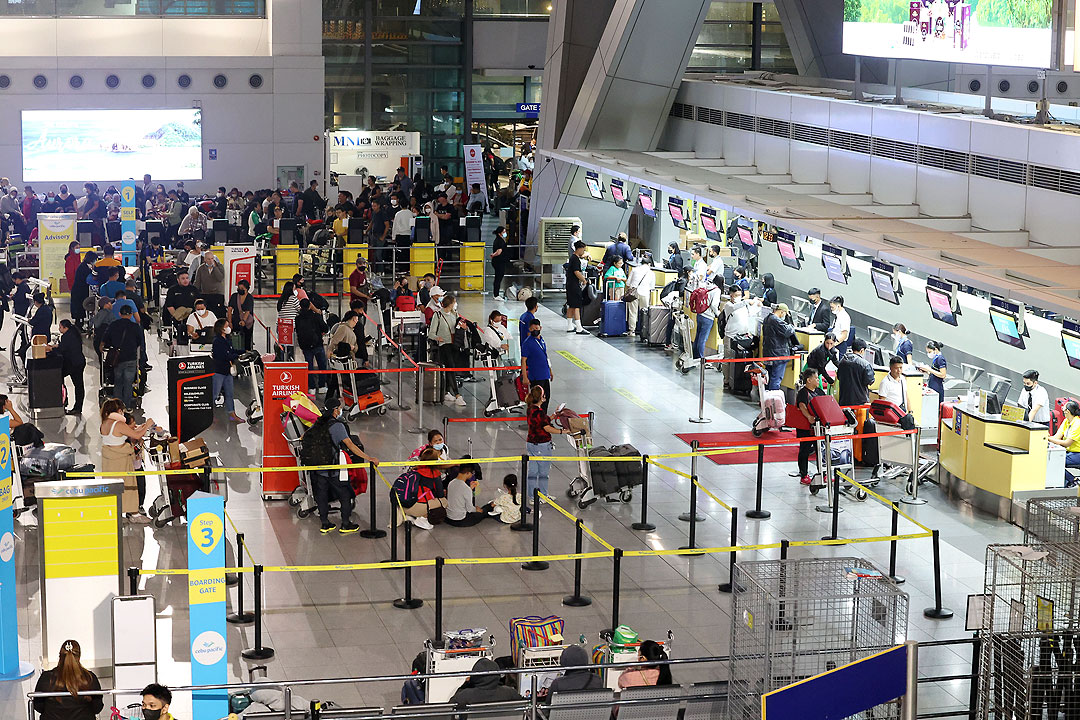
TWO TAXPAYERS have asked the Supreme Court to stop higher fees at the country’s main gateway, arguing that the privatization of the Ninoy Aquino International Airport (NAIA) is worsening the economic burden on travelers amid global instability.
In a second reiterative motion filed on Wednesday, Rico V. Domingo and Caesar G. Oracion urged the high court to stop both the concession agreement for NAIA and the fee increases imposed by management.
The plaintiffs said war in the Middle East and its knock-on effects on fuel prices make the suspension of the higher fees a matter of urgent public necessity.
“The petitioners are constrained to submit this second motion reiterating the prayer for the issuance of a temporary restraining order or other injunctive remedies by reason of the ongoing war in the Middle East,” according to a copy of the filing, arguing that continued implementation of the agreement would deepen the financial strain on Filipinos.
The petitioners said the revised administrative order has sharply raised operating costs at NAIA, citing a more than threefold increase in landing and takeoff fees. Aircraft parking fees for the first 30 minutes for planes weighing up to 50,000 kilos rose by more than 15 times for both domestic and international operations.
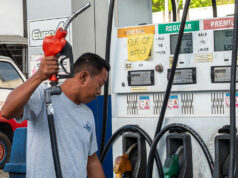
They also pointed to soaring fuel prices, noting that diesel prices climbed by about P40 per liter within two weeks and that the Civil Aeronautics Board has approved level 8 fuel surcharges, which could raise international airfares by as much as P6,208.98.
The motion alleged that the airport’s privatization was marred by legal irregularities and asked the court to immediately restrain the Department of Transportation, Manila International Airport Authority and New NAIA Infra Corp. from enforcing the higher charges.
In a statement, New NAIA Infra Corp. maintained that exemptions and discounts already provide relief to travelers, noting that overseas Filipino workers are exempt from travel tax and international terminal fees while airlines get a 65% discount on domestic charges.
“For many years, NAIA’s fees remained unchanged even as the airport grew busier and more strained,” it said. “This contributed to congestion, aging facilities and service limitations that travelers experienced firsthand.”
“Improving NAIA and making it safer, more modern and more efficient requires sustained investment. That, in turn, requires a stable and fair funding structure,” it added.