Home Blog Page 93

Energy security amid geopolitical risks

STOCK PHOTO | Image by Macrovector from Freepik

Even before the raging crisis in the Middle East, energy security has long been a strategic priority for the Philippines. The challenge has always been twofold: ensuring a sufficient supply today while building a system that remains stable and resilient in the future.

Part of this strategy is a gradual transition to renewable energy (RE). The government has set clear targets: 35% of the power generation mix by 2030, 50% by 2040, and over 50% by 2050. These are not just environmental goals — they are central to reducing the country’s long-term dependence on imported fuels.

Recent developments appeared to support this transition. In January, President Ferdinand Marcos, Jr. announced the discovery of a new natural gas resource, Malampaya East-1, near the existing Malampaya field. This raised hopes of extending the life of a critical domestic energy source that has powered much of Luzon for over two decades. At a time when Malampaya’s output has been declining and import dependence increasing, the discovery offered a measure of reassurance.

But the global environment shifted quickly.

The World Economic Forum’s Global Risks Report 2026 identified geoeconomic confrontation as the top global risk. Ongoing tensions in the Middle East have since underscored this reality, disrupting supply chains, driving oil price volatility, and reshaping geopolitical dynamics. For fuel-importing countries like the Philippines, these disruptions have immediate and tangible consequences.

The closure of the Strait of Hormuz to most vessels has tightened the global oil supply and driven up prices. For the Philippines, this translates into higher fuel costs, increased inflationary pressure, and greater exposure to external shocks. More urgently, it has brought supply security to the forefront. Government estimates suggesting that the country may have only around two months’ worth of fuel reserves highlight the scale of vulnerability.

To its credit, the administration has responded with urgency. President Marcos Jr. issued Executive Order No. 110, declaring a state of National Energy Emergency and authorizing the Department of Energy (DoE) to implement measures to strengthen fuel resilience. The order empowers key institutions, including the Philippine National Oil Co. and its exploration arm, to secure additional supply.

The government has since moved to diversify procurement, sourcing fuel from countries such as Japan and Russia, with expected deliveries from Malaysia, Singapore, and Oman. It is also in discussions with other partners, including India, Brunei, and South Korea. Complementing these efforts, the Department of Budget and Management has released P20 billion to fund the acquisition of additional oil reserves.

These are necessary steps. But they are, by nature, temporary.

Even as the government works to stabilize supply and contain price pressures in the immediate term, the broader challenge remains: building an energy system that is resilient, diversified, and less vulnerable to external shocks.

This requires accelerating the development of alternative energy sources and strengthening partnerships that support both energy security and national interest. The Philippine Energy Plan already reflects this direction, emphasizing reduced import dependence and greater system resilience.

Encouragingly, the Philippines is not without credible partners.

In renewable energy, countries such as Japan, Singapore, the United Kingdom, and several European states are supporting investments and technical cooperation in offshore wind, solar, and grid integration. Partners including Australia, the United States, and Canada are contributing to project development, financing, and clean energy innovation.

In liquefied natural gas (LNG), cooperation with countries such as Japan and Switzerland helps ensure stable supply during the transition period. Meanwhile, as the Philippines explores the inclusion of civil nuclear energy in its power mix, countries including France, South Korea, Canada, the United States, and Japan have emerged as potential partners in developing safe and reliable nuclear capacity.

Against this backdrop, proposals for joint energy exploration with China in the West Philippine Sea have resurfaced. While such ideas may arise in times of uncertainty, they must be assessed with caution.

Energy partnerships are not purely economic arrangements — they are strategic decisions with long-term implications. It is therefore essential that the Philippines work with partners that respect a rules-based order and uphold the country’s sovereignty and national integrity. Short-term supply concerns should not come at the expense of long-term strategic interests.

It is also important to recognize that the Philippines has viable alternatives. The recent natural gas discovery in Camago-3, following the Malampaya East-1 announcement, demonstrates that Filipino private sector actors have both the technical capability and financial capacity to contribute meaningfully to the country’s energy supply chain.

The current situation underscores a familiar but urgent lesson: energy security cannot be treated as a purely short-term problem. Supply must be secured in times of crisis, but resilience must be built over time.

In moments of disruption, the temptation is to focus solely on immediate needs. But lasting energy security depends on more than access to fuel. It requires diversification, strategic foresight, and partnerships anchored in trust.

The Philippines must therefore continue to act on both fronts — ensuring supply today while strengthening the foundations of a more secure and resilient energy future.


Victor Andres “Dindo” C. Manhit is the president of the Stratbase ADR Institute.
Bank of Japan likely to raise rates by July on mounting price pressure, ex-board member says

WIKIPEDIA.ORG

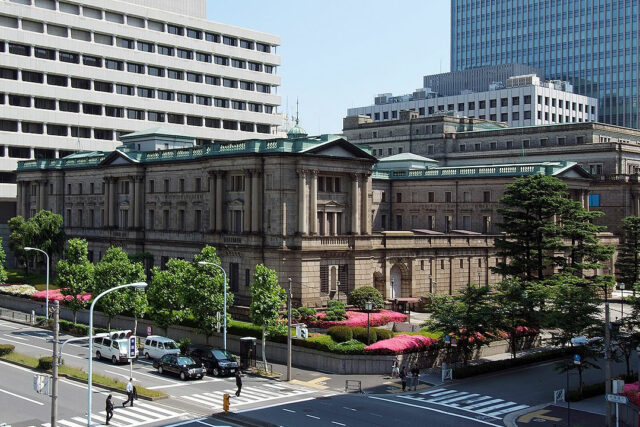
TOKYO — The Bank of Japan (BoJ) will likely raise interest rates by July, as soaring oil costs from the Middle East war increase the risk it will fall behind the curve in dealing with mounting inflationary pressure, its former board member Seiji Adachi said on Tuesday.

Underlying inflation has already hit the central bank’s 2% target, as seen in last week’s “tankan” survey that showed corporate five-year inflation expectations hitting 2.5%, said Mr. Adachi, who was a member of the BoJ board until March last year.

Surging oil prices and supply constraints brought about by the Iran war add to reasons for the central bank to soon raise its short-term policy rate from the current 0.75%, he said.

“With the Middle East conflict, the risk of the BoJ falling behind the curve in dealing with inflation has heightened somewhat,” Mr. Adachi told Reuters in an interview.

“It’s better for the BoJ to raise rates to levels deemed neutral to the economy as soon as possible,” he said, adding that Japan’s neutral rate likely stood somewhere around 1.25%.

But Mr. Adachi said the chance of a rate hike in April was “50-50,” as the Iran war kept markets volatile and muddled the outlook for Japan’s fragile economy.

“The BoJ will probably raise rates again in April, June or July,” judging from its recent hawkish communication and disclosure of data justifying further rate hikes, he said.

“But whether it hikes in April would be a tough call, as doing so would mean pulling the trigger when the economic impact of the war remains unclear.”

Politics could also complicate the BoJ’s decision, he said.

The fact dovish Prime Minister Sanae Takaichi appointed two reflationists to join the BoJ board is a sign the administration is opposed to further near-term rate hikes, Mr. Adachi said.

“Rate hikes would push up the cost of corporate borrowing. That runs counter to the administration’s push to boost investment in growth areas,” he said.

Markets have been rattled after the Iran war effectively shut the Strait of Hormuz, a chokepoint for about a fifth of global oil and gas flows, driving up crude oil prices and the safe-haven dollar against the yen.

The war has complicated the BoJ’s rate hike plan, though rising inflationary pressure and its hawkish communication have led markets to price in roughly a 70% chance of a hike in April.

Mr. Adachi said the BoJ will probably aim to raise rates twice this year, which will bring its policy rate to levels deemed neutral to the economy.

If the Middle East war turns into a protracted conflict that triggers a more than year-long oil shock, the BoJ may need to hike rates at a faster pace to push real borrowing costs out of negative territory, he said.

“We’re not there yet,” Mr. Adachi said. “But depending on how the conflict unfolds, the BoJ will face a very tough decision, sandwiched between rising inflation and low growth.” — Reuters

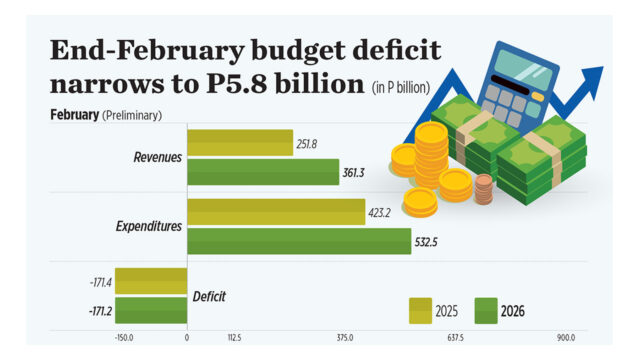
End-February budget deficit narrows to P5.8 billion

THE NATIONAL Government’s (NG) budget deficit narrowed to P171.2 billion in February after revenue growth outpaced expenditures, the Bureau of Treasury said. Read the full story.

Manila Water’s Wawa project shortlisted for global award

MANILA WATER CO.

RAZON-LED Manila Water Co., Inc. said its P26-billion bulk water supply project has been shortlisted for an international award, marking recognition of a key infrastructure asset that supports water supply in Metro Manila and nearby areas.

In a statement on Tuesday, the company said the Upper Wawa Dam has been shortlisted for the Water Project of the Year category at the Global Water Awards organized by industry publication Global Water Intelligence.

The awards honor projects, companies, and technologies that “deliver transformative impact, innovation, and long-term sustainability in addressing global water challenges.”

“Being shortlisted signals that a project is among the world’s most significant water initiatives, evaluated by an international panel of experts against the highest global benchmarks,” Manila Water said.

The Upper Wawa Dam forms part of the Wawa Bulk Water Supply Project, which aims to strengthen water supply for the east zone of Metro Manila and Rizal province.

Commissioned on Dec. 31, 2025, the project has a capacity of up to 710 million liters per day and is the largest water supply dam built in the country in more than 50 years.

The project serves around 3.5 million people and is designed to reduce reliance on Angat Dam, a key water source for Metro Manila.

Manila Water said the shortlisting places the project alongside other international initiatives that “exemplify innovation, scale, and societal impact.”

“It underscores how the Philippines is advancing solutions that move beyond temporary fixes toward long-term water security, flood protection, and climate adaptation for rapidly growing and climate-exposed urban centers,” the company said.

Last year, Manila Water completed the P37.8-billion acquisition of the Wawa Bulk Water Supply Project from its parent firm, Prime Infrastructure Capital, Inc., allowing it to take full control of the asset. — Sheldeen Joy Talavera

Artifacts of ‘inestimable value’ to Romania are recovered after Dutch heist

DRENTSMUSEUM.NL

AMSTERDAM — A 2,500-year-old golden helmet and two other ancient Romanian treasures stolen from a museum in the Netherlands have been recovered with the help of information from the suspected thieves, Dutch prosecutors said on Thursday.

The artifacts, from Geto-Dacian communities, were presented at a heavily guarded press conference at the Drents Museum in the northern Dutch city of Assen where they had been on loan. They were stolen when thieves broke into the museum in January last year.

The golden Helmet of Cotofenesti is one of Romania’s most important archaeological objects.

The two gold bracelets recovered date back to 50 BC. Another bracelet remains missing, lead prosecutor Corien Fahner told reporters.

PART OF THE ROMANIAN NATIONAL IDENTITY
Romania’s Foreign Minister Oana Toiu described the artifacts as being of “inestimable value” for Romanian identity and universal heritage, and said it had been essential to Romania that they were found.

Ms. Fahner said the prosecutors were thrilled to have recovered the treasures. She said the months of uncertainty about their whereabouts had been a rollercoaster.

Dutch Prime Minister Rob Jetten praised the police for their determination, and said the theft had been “a massive blow” to Romania.

Security footage shared by Dutch police last year showed three men gaining access to the museum at night, as they used explosives and a crowbar to force a large door.

Three suspects were arrested within days and have been in custody since. They gave the information that led the missing artifacts to being found as part of a deal in relation to their trial, the prosecutor said, without giving more details.

The artifacts belong to the National History Museum in Bucharest and will be returned to Romania as soon as possible.

The Dutch government last year paid €5.7 million ($6.6 million) to compensate Romania for the theft. — Reuters

Turning AI into a force for competitiveness in the Philippines

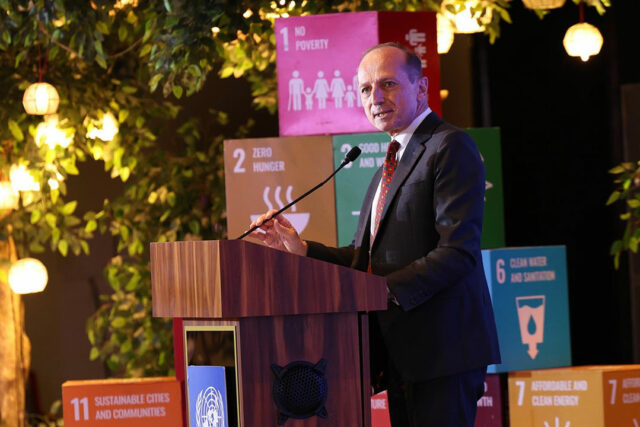
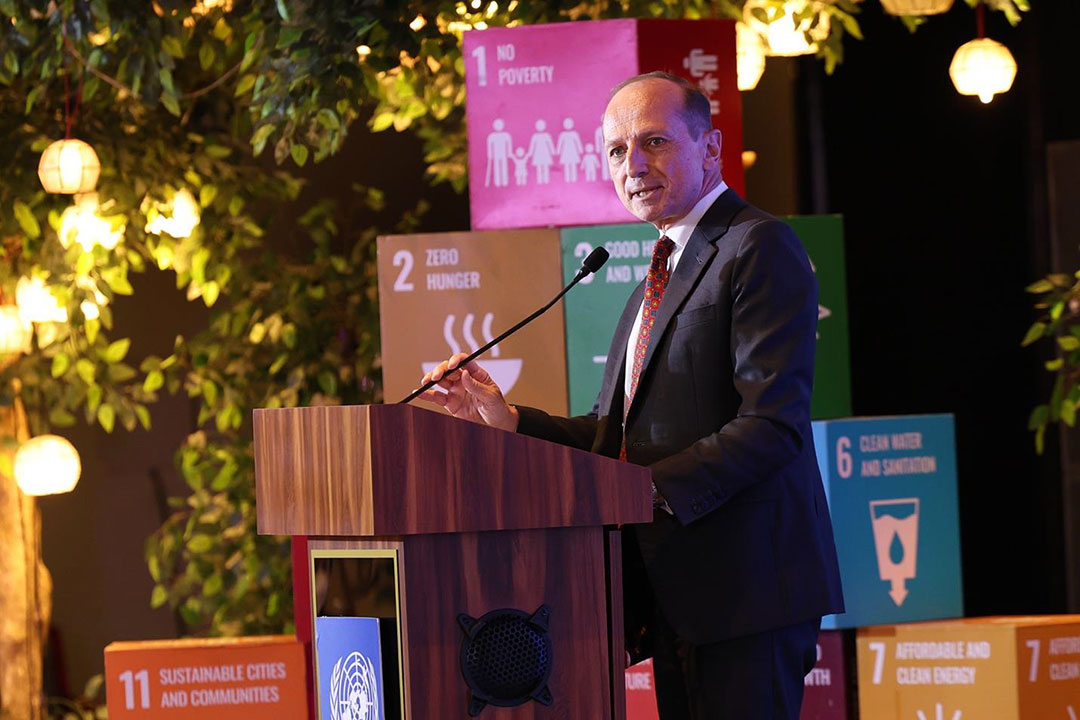
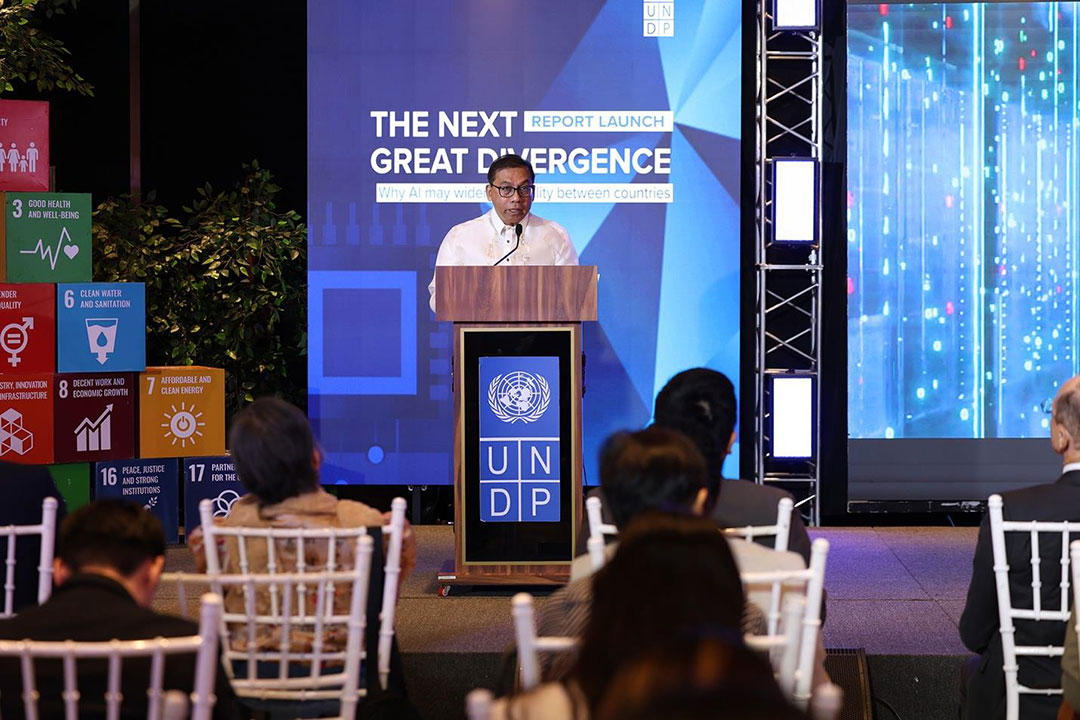
CHRISTOPHE BAHUET, UNDP Philippines resident representative, delivers opening remarks at the launch of The Next Great Divergence, UNDP’s flagship AI report.

By Christophe Bahuet

UNDP’S RECENT REPORT, “The Next Great Divergence,” underscores a defining challenge for countries across Asia and the Pacific: they are entering the AI era with uneven foundations and this may create a divide among them. Large gaps already exist in the region in infrastructure, skills, and governance systems creating a dual challenge — slower capture of benefits alongside wider exposure to disruption. Just like the Industrial Revolution, AI can be the next great divergence among countries.

Yet this divergence is not inevitable. It is first a matter of choice at a national level. The policy choices, investments, and institutions that countries put in place today will determine whether AI becomes a force for competitiveness and inclusion, or whether they are outpaced and left behind. This applies to the Philippines.

The country enters the AI era with strong momentum. In 2024, its digital economy contributed 8.5% of GDP and supported 23.1% of total employment — equivalent to 11.3 million jobs. Looking ahead, AI adoption across key industries could unlock an additional $50.7 billion in economic value by 2030.

This progress is underpinned by a strong policy drive led by the Department of Science and Technology and involving the Department of Trade and Industry, and the Department of Information and Communications Technology, among others. The completion of the country’s AI readiness assessment in 2026, the adoption of a National AI Strategy, alongside the recent establishment of the National Artificial Intelligence Center for Research and Innovation, reflects a clear vision and strong resolve to strengthen country’s AI ecosystem.

What lies ahead is translating this momentum into institutions and frameworks that ensure AI benefits all economic actors in the country and strengthens nationwide competitiveness. To achieve this, four strategic priorities stand out.

First, expanding affordable and reliable connectivity is a matter of urgency. With 67.25% of individuals using the internet, the Philippines is far behind Singapore and Malaysia, and below Thailand and Vietnam. Broadband costs remain high — at 11% of GNI per capita, nearly double the ASEAN average. Without improvements in connectivity and affordability, the benefits of AI in economic and social sectors will remain concentrated among those already connected. Education illustrates what is at risk. AI tools such as Khanmigo are already being deployed in the Philippines, but addressing gaps in connectivity, devices, and cost is critical to expanding their reach to millions more and prepare an AI-ready new generation.

Second, data must be mobilized as a public good for all economic actors and citizens. The persistence of “data deserts” can render communities and languages invisible, creating economic and social exclusion. AI systems rely on data, yet much of the information that could improve public services and the value chains remains fragmented. Without interoperability, secure sharing, and accountability, there is a risk of developing isolated AI applications that fail to yield benefits at scale, thus hampering national competitiveness.

Third, stronger governance is essential to enable inclusive and responsible AI development. As the Philippines develops its National AI Framework, it has a timely opportunity to align policies across sectors — such as energy — so the growing demand for computer and data infrastructure translates into affordable access for all, including MSMEs. While “sovereign AI” is increasingly discussed worldwide, developing countries must approach the concept pragmatically. The Philippines may not yet have the scale to build frontier models, but it can still secure meaningful sovereignty by strengthening AI systems and governance. In parallel and as ASEAN chair in 2026, the Philippines can champion regional cooperation — especially on shared computing infrastructure — to cut duplication, lower costs, and strengthen ASEAN’s collective voice in shaping AI.

Finally, developing skills for the entire Filipino population is critical. Time is of the essence as AI reshapes at high speed the nature of work and learning, requiring not only technical skills but also the ability to think critically, act creatively, and engage collaboratively. Making both the current workforce and the new generations AI-proficient is a high return on investment for the long-term competitiveness of the Philippine economy.

If these priorities are pursued with urgency — connectivity, data as a public good, governance that enables innovation with clear safeguards, pragmatic sovereign AI, and skills for all — the Philippines can turn AI into a driver of productivity, inclusion, and long-term competitiveness.


Christophe Bahuet is the UNDP resident representative in the Philippines.

Managing inflation expectations crucial to ensuring financial system’s stability

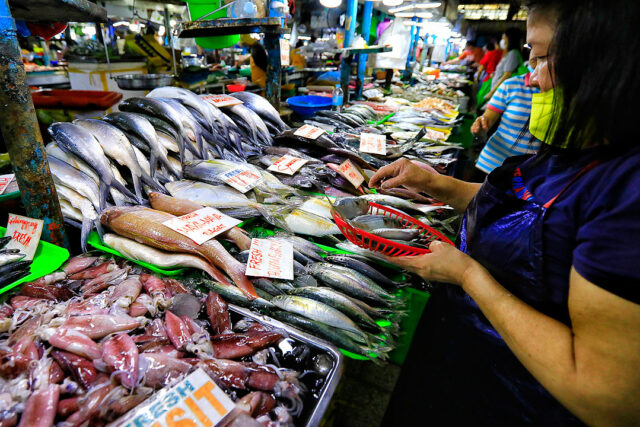
A wide variety of fish at the Marikina Public Market. — PHILIPPINE STAR/ WALTER BOLLOZOS

THE BANGKO SENTRAL ng Pilipinas (BSP) should manage inflation expectations to maintain both price and financial stability as the country continues to grapple with the economic fallout from the Middle East conflict.

GlobalSource Partners Philippine analyst and principal advisor Diwa C. Guinigundo, a former central bank deputy governor, said potential second-round effects risk de-anchoring the BSP’s inflation expectations.

“True, inflation is deriving more pressures from the supply side, but the demand side will also be hit once the second-round effects are felt by the consuming and riding public. And therefore, inflation expectations may be de-anchored,” he said in an interview with Money Talks with Cathy Yang on One News on Tuesday.

“That’s where the central bank should come in and communicate to the general public its singular commitment to maintain price stability, and ensure that even in the process of maintaining price stability, financial stability — meaning the banks, financial institutions and even the financial markets — will be ensured,” Mr. Guinigundo added.

Oil price shocks caused Philippine headline inflation to quicken to its fastest pace in 20 months in March, settling at 4.1% from 2.4% in February and 1.8% in the same month last year.

This was the first time since July 2024 that the monthly consumer price index breached the BSP’s 2%-4% annual target.

March inflation also came in above the 3.8% median estimate in a BusinessWorld poll of 18 analysts and the central bank’s 3.1%-3.9% forecast for the month.

On March 26, the Monetary Board left benchmark rates untouched in an off-cycle review held to assess the impact of the fast-changing situation in the Middle East.

Officials said they decided to stand pat as inflation risks stemming from the war are supply-driven, which monetary policy cannot effectively address. They added that raising rates could delay the economy’s recovery.

BSP Governor Eli M. Remolona, Jr. also said future policy decisions will focus on tempering second-round price effects, which they expect to manifest through higher transport fares, food and fertilizer prices, electricity rates and wages.

The Monetary Board’s next policy review is on April 23.

For Mr. Guinigundo, the BSP could have already tightened as early as its first policy review this year.

“It could have paused last December and then started increasing the policy rate last February and continue communicating to the public the need to tighten monetary policy,” he said.

He also flagged potential stagflation risks.

“The prospect for economic growth may not be as bright as some people would like to show, and therefore, we may be in a situation where prices continue to increase unless the central bank intervenes and really tightens monetary policy, and the financial sector also contributes to the effort to maintain price stability.”

He added that Filipino taxpayers would get the short end of the stick if the National Government decides to impose tax relief measures amid the oil supply crisis as foregone revenues from these will have to be recouped in other ways.

Still, Mr. Guinigundo said the government may suspend the value-added tax (VAT) or excise tax on petroleum products for a limited time to lower pump prices and provide consumers some immediate support.

“If we consider the relative effect of removing the excise tax versus, let’s say, VAT and providing time-bound targeted support to affected sectors, I think the impact of the excise tax would just be limited. But somehow, it could provide some relief, at least during this period,” he said.

Late last month, President Ferdinand R. Marcos, Jr. signed into law a measure temporarily authorizing the Executive department to suspend or reduce the excise tax on petroleum products.

As of writing, Mr. Marcos has yet to declare his decision regarding the fuel excise tax.

However, the Palace said the Development Budget Coordination Committee, composed of the country’s economic managers, met with the President on Tuesday to present their recommendations. — Katherine K. Chan

NaturLoop turns coco waste into wood panels

NATURLOOP.COM

By Edg Adrian A. Eva, Reporter

NATURLOOP, a Swiss‑based material science startup with deep Filipino links, is turning coconut husk waste from the Philippines into sustainable wood panels, offering a lower‑carbon alternative to conventional building materials while addressing deforestation and agricultural waste.

Founded in 2014 at Bern University of Applied Sciences by faculty members and graduate students, NaturLoop was built around the idea of converting agricultural byproducts into construction materials that reduce greenhouse gas emissions.

Its flagship product, Cocoboard, is the first commercial result of that research, according to Filipino entrepreneur Charmaine Cu‑Unjieng, who is co‑founder and chief strategy officer at NaturLoop.

The product arrives as pressure intensifies on the global construction sector, which accounted for 37% of global greenhouse gas emissions in 2023, according to the United Nations Environment Programme.

NaturLoop positions Cocoboard as an emission‑reducing alternative that also creates value from waste streams in coconut‑producing countries.

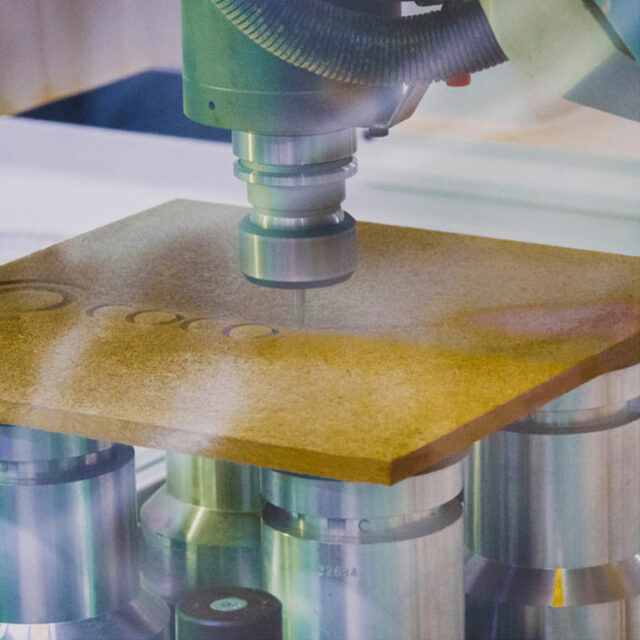
Cocoboard is made of 90% coconut husks and 10% bio‑based resin, derived largely from tannin, a naturally occurring compound found in plants. Coconut husks were selected for their strong natural fibers, which can replace wood fibers used in conventional panels.

“We use these to make panels that are completely circular and sustainable,” Ms. Unjieng told BusinessWorld in a Microsoft Teams interview. “This can be used for furniture and interior architecture.”

Although NaturLoop is headquartered in Switzerland, much of its development and sourcing is rooted in the Philippines.

Cocoboard was developed in partnership with Filipino researchers, universities and organizations, including the Philippine Coconut Authority. The company works with local supply partners in Quezon province, Zamboanga and Agusan del Norte, where its processing plant is also located.

The Philippines is the world’s second‑biggest coconut producer after Indonesia, making it a natural base for NaturLoop’s raw materials. Ms. Unjieng said the country generates about 15 billion coconut husks each year, most of which are treated as waste or burned, releasing carbon into the atmosphere.

“That translates to around 80 million 4×8 Cocoboard panels that can be produced from available raw materials,” she said, assuming 222 factories operating around the clock. “Instead, we burn this waste and import wood panels when we could be producing what we need from waste materials.”

Cocoboard is designed to match the performance of medium‑density fiberboard (MDF), commonly used for furniture, cabinetry and interior finishes.

Based on NaturLoop’s internal estimates, Cocoboard can be produced with up to 70% lower carbon emissions than standard MDF and about 30% lower emissions than colored MDF.

“Regardless of the parameters used, emissions are reduced because no trees are felled,” Ms. Unjieng said. She added that turning coconut waste into panels locks in carbon that would otherwise be released during decomposition or burning.

The panels use renewable, biodegradable adhesives rather than synthetic binders derived from fossil fuels. Production also requires less energy, as coconut husks already contain naturally formed fibers, eliminating several processing steps used for wood products.

Cocoboard meets European Union fire safety standards, with low smoke production and no flaming droplets, according to the company. It is also termite‑resistant and more moisture‑resistant than conventional MDF, though protective coatings are recommended for outdoor use.

Each panel measures 2,440 × 1,220 × 12 millimeters, using the equivalent of about 100 coconuts. NaturLoop used eight to 20 tons of dried coconut fiber and pith annually and plans to raise this to 20 to 50 tons within the year.

Ms. Unjieng said Filipinos stand to benefit most if more processing happens locally.

NaturLoop is seeking investors to build a Philippine‑based manufacturing facility to convert husks directly into finished panels. At present, some materials still need to be shipped to Europe for processing, raising costs amid expensive fuel and slower global shipping.

She cited the lack of local processing infrastructure, the need for strategic partners and limited market research as hurdles.

Government investment in research, funding coordination and market development could boost the country’s coconut sector and position Philippine‑made sustainable materials on the global stage, she added.

Mead Johnson relocates PHL headquarters to Uptown Bonifacio

MEAD JOHNSON’S new headquarters in the Philippines will be located at Uptown Eastgate in Uptown Bonifacio, Taguig City. — MEGAWORLD

MEAD JOHNSON Nutrition Philippines said it is relocating its Philippine headquarters to Uptown Eastgate in Uptown Bonifacio, Taguig, as it consolidates its local operations with Reckitt Philippines.

Reckitt produces Lysol, Strepsils, Durex, Veet, and Mead Johnson brands including Enfamil, Lactum, and Sustagen.

Uptown Eastgate is a 31-storey, LEED Gold-certified office tower with about 100,000 square meters (sq.m.) of gross leasable area and floor plates of up to 5,000 sq.m., among the largest in the market.

The company will join other multinational firms operating in Uptown Bonifacio, including JPMorganChase, Google, Tesla, and Coca-Cola.

“Uptown Bonifacio continues to attract the world’s biggest companies because it offers a complete ecosystem for success — modern office developments complemented by a vibrant commercial district and topnotch residential condominium towers. Our developments meet the highest international standards for workspace, connectivity, and sustainability, making it the ideal location for multinational headquarters and shared services operations,” Megaworld Global Offices Head Francisco Ma. D. Roxas said in a statement on Tuesday.

Uptown Bonifacio hosts more than 30 local and multinational companies across seven office towers, employing over 60,000 professionals.

Megaworld Corp. manages about 900,000 sq.m. of office space in Bonifacio Global City, part of its 1.7 million sq.m. nationwide office portfolio, according to CBRE Philippines.

Megaworld said leasing revenues from its premier office segment rose 11% to P14.9 billion in 2025, driven by new assets, rental adjustments, lease renewals, and demand from business process outsourcing firms and multinational companies.

The company recorded more than 330,000 sq.m. of office transactions during the year, including about 180,000 sq.m. in new leases, with the rest from renewals.

“Megaworld also ended 2025 as the top office lessor in the country, closing an industry-leading 162,000 sq.m. of office transactions, consisting of expansions from top-tier BPOs and multinational firms according to property consultancy firm CBRE,” Megaworld said.

CBRE ranked Megaworld as the top office lessor nationwide, leading in Metro Manila as well as in provincial hubs such as Pampanga, Bacolod City, Iloilo City, and Davao City.

At the stock exchange on Tuesday, shares in Megaworld rose 0.98% to close at P2.07 each. — Alexandria Grace C. Magno

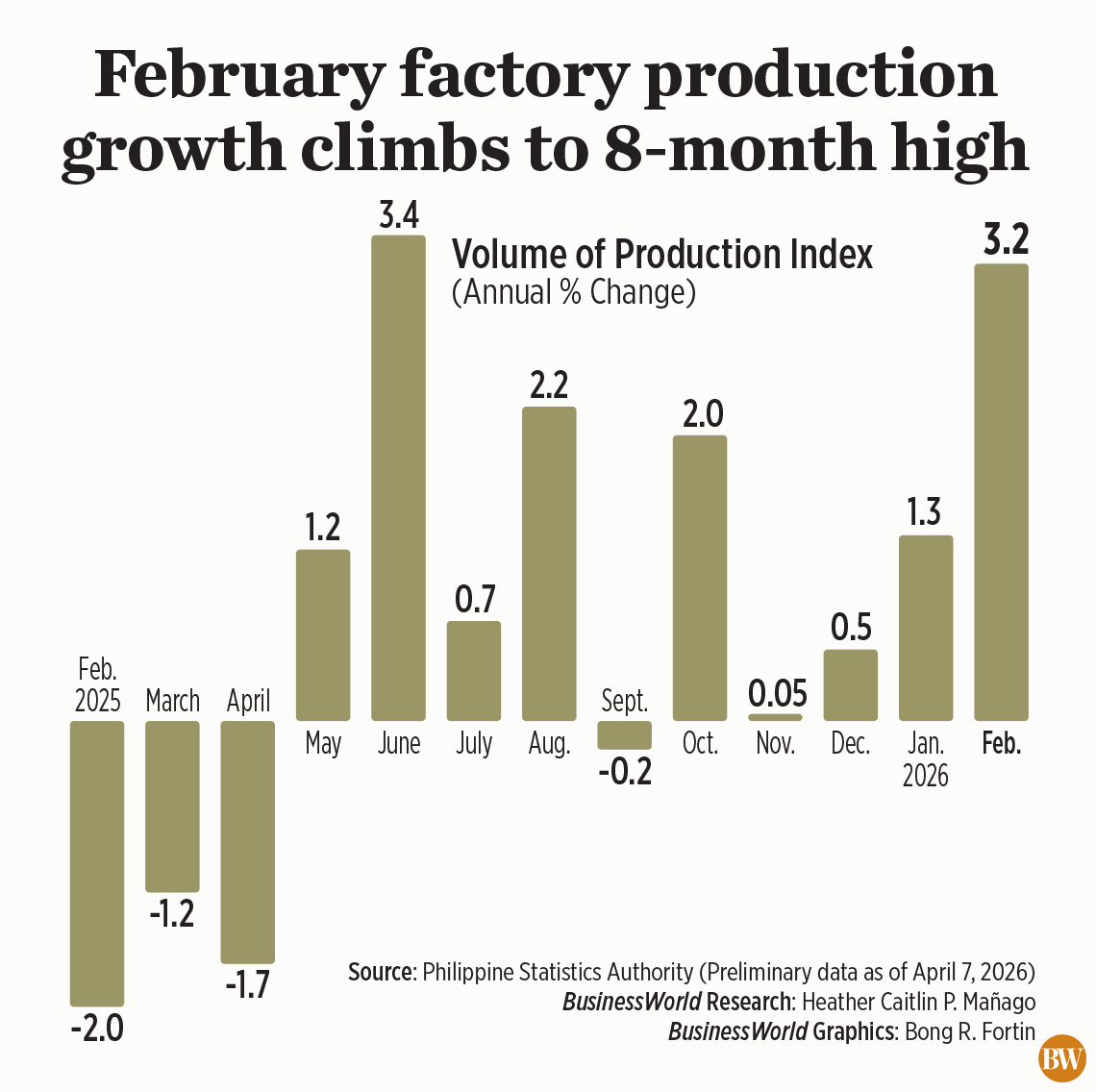
February factory production growth climbs to 8-month high

MANUFACTURING output growth expanded to an eight-month high in February, driven by sustained local demand, with a boost provided by the US Supreme Court’s cancellation of impending tariffs that month, analysts said. Read the full story.

Stolen Renoir, Cézanne, and Matisse were probably uninsured, market sources say

CEZANNE’S Tasse et Plat de Cerises (Cup and plate of cherries) — MAGNANIROCCA.IT

THREE PAINTINGS by French masters Pierre-Auguste Renoir, Paul Cézanne, and Henri Matisse stolen from a museum in northern Italy in March were probably not insured, according to market sources.

One fine art underwriter told the Reuters publication The Insurer that the paintings, estimated to be worth around $10 million, had previously failed to secure insurance cover due to the cost.

The heist reportedly took only three minutes from the moment the thieves forced their way in through the main entrance of the Fondazione Magnani Rocca, near Parma, on the night of March 22.

They stole Cézanne’s Tasse et Plat de Cerises (Cup and Plate of Cherries), Renoir’s Les Poissons (The Fish), and Matisse’s Odalisque sur la Terrasse (Odalisque on the Terrace), police said.

One source said they had been surprised at the thieves’ choice of works of relatively low value from the museum’s permanent collections, which also contain artworks by the likes of Monet, Durer, and Rubens.

The lack of commercial insurance for paintings like the stolen ones is not uncommon, market sources say.

In a high-profile heist last October, thieves took €88 million ($101 million) worth of crown jewels from the Louvre Museum in Paris.

As in Italy, the government was expected to indemnify the museum as no commercial policy was in place for the jewels, a part of the permanent collection.

Most losses occur when works are being transported for storage or temporary exhibitions, and this tends to be the focus of commercial art insurance.

For permanent collections, the cost to individual museums or galleries of insuring against the substantial risk of theft or damage is prohibitive. For museums or heritage sites of national standing, the state often acts as a de facto insurer. — Reuters

Megacities can Chinamaxx their way out of an oil shock

STOCK PHOTO | Image by 4045 from Freepik

By David Fickling

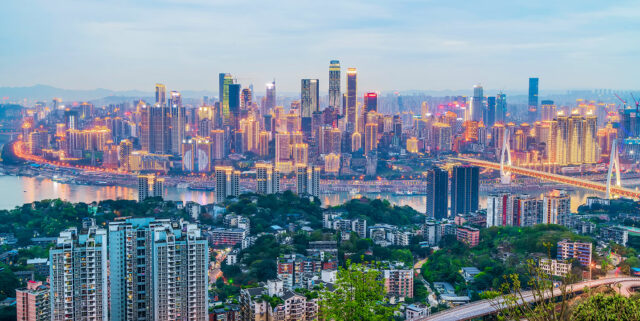
FOR THE EMERGING megacities of Asia, the oil crisis spreading from the Strait of Hormuz is like the acute phase of a chronic condition.

The largest migration in human history is filling their streets and alleyways to bursting point. Urbanization and births will add a billion more people between now and 2050. Jakarta and Dhaka, with 42 million and 37 million people respectively, have overtaken Tokyo at 33 million as the world’s biggest metropolises. Delhi, Shanghai, Guangzhou, Manila, Kolkata, Seoul, Karachi, and Bangkok aren’t far behind.

Keeping that many people on the move is a challenge at the best of times. When the price of road fuel doubles, it becomes a nightmare.

The good news is that one country in Asia has been through this cycle already: China. It offers a guide for how to cut oil import bills and transport costs for citizens, reduce pollution from noise and exhaust smoke, and make the urban experience a more pleasant one for the average resident. Asia’s megacities can follow the Chinamaxxing trend that’s taken over social media lately: On quality-of-life issues, there’s plenty to learn from the country that’s home to one in five of the world’s urbanites.

From the perspective of a rich country, it’s easy to think that the electrification of transport is all about passenger cars. In emerging Asia, however, the real gains are to be made in scooters, motorbikes, trucks, and buses.

Two-wheelers are most ripe for EV disruption. As we’ve written, parts of Asia are already moving toward hard restrictions on gasoline-powered bikes and scooters. Most Chinese cities have been operating with such restrictions for a decade or more, making them motorbike-free zones. Nearly 60% of sales are already fully electric.

Falling battery costs are now changing the game across the region. In India, a base model Ola Electric Mobility Ltd. S1 electric scooter costs about 90,000 rupees ($964), compared to 78,000 rupees ($836) for the entry-level gasoline-powered Honda Motor Co. Activa. That’s close enough to make the electric bike a serious proposition, especially when you consider savings on maintenance and fuel. With small batteries that can typically be swapped and charged at home, such bikes don’t require costly infrastructure, either.

They also offer a quick route to making the urban environment more pleasant. Conventional motorbikes and scooters contribute a disproportionate amount of particulate pollution. Just one can make as much noise as 30 electric bikes. When visiting EV-dominated major Chinese cities these days it’s striking how weirdly quiet they can be.

Unfortunately, the sector elsewhere has been held back by baffling policy reversals. Indonesia, the third-largest two-wheeler market, announced the cancellation of its EV subsidies last year, leaving manufacturers and buyers uncertain of what was going on. India, the biggest, recently cut sales taxes on conventional motorbikes from 28% to 18%. That’s still higher than the 5% levied on EV bikes, but the narrowing of the discount made electric models less competitive. Policies encouraging a wholesale switch should be expanded, and held in place.

Trucks will be a harder fix, but there are opportunities there, too. Asian megacities, including those in China, already restrict deliveries to nighttime to prevent vehicles cramming up the road — but that creates its own problems, because noisy diesel engines ruin everybody’s sleep. Smaller trucks are already cost-competitive once you factor in fuel expenses, but operators still lack the incentive to switch. Cities should complement their night-delivery rules with charges for non-electric deliveries, similar to those employed in Europe’s low-emission zones. The revenue can be used to provide low-cost loans for drivers to switch to new, cleaner vehicles.

Buses form the last part of the picture. In China, two-thirds of the fleet and 97% of city bus sales are now electric. Typically, these services are state-run, so governments are well placed to act. Though they are a small share of traffic and fuel consumption, using fleet renewals to stimulate local supply chains will help build capability in manufacturing other heavy-duty vehicles, such as trucks.

We can’t ignore the EV car fleet, but that’s going to be the toughest nut to crack for emerging megacities. It will require comprehensive charging networks and costlier subsidies, given the sheer scale of the potential market. It will also funnel money to affluent citizens least in need of it. Metro systems, being built across Asia at a furious pace, are likewise a relatively big-ticket way to tackle the fuel, pollution, and traffic problems faced by 21st century metropolises.

Governments should certainly remove any subsidies that still incentivize gasoline and diesel usage. But making the transition to EV cars and commuter rail is a challenge that will take billions of dollars, and years, to solve. For governments struggling with the fiscal headaches spawned by the Iran war, Chinamaxxing the two-wheeler, truck and bus fleets will be far quicker, and cheaper. Fix that problem, and you’ll also make the cities of the future more pleasant places to live.

BLOOMBERG OPINION