Home Blog Page 8322

China says aircraft carrier group on way to South China Sea for drills

West Philippine Sea

BEIJING — An aircraft carrier group led by China’s newest carrier, the Shandong, has sailed through the Taiwan Strait on its way to routine drills in the South China Sea, China’s navy said on Monday, after Taiwan mobilized its forces to monitor the trip.

While it is not the first time China’s carriers have passed close to Taiwan, it comes at a time of heightened tension between Taipei and Beijing, which claims the democratically ruled island as its territory.

The Shandong carrier group sailed through the Taiwan Strait a day after a US warship transited the same waterway. China’s military said it tailed the ship.

China’s navy said the Shandong and its accompanying ships had “smoothly” transited the sensitive and narrow Taiwan Strait on Sunday, heading for exercises in the South China Sea, where China has extensive and disputed territorial gains.

The drills are part of “normal arrangements made in accordance with annual plans,” it said. “In the future, we will continue to organise similar operations based on training needs.”

Taiwan’s Defence Ministry said the Shandong was accompanied by four warships and had set out from the northern Chinese port of Dalian on Thursday. Taiwan said it sent six warships and eight air force aircraft to “stand guard” and monitor the Chinese ships’ movements.

The Shandong is China’s second carrier, and was formally commissioned almost exactly a year ago.

Since then, it has successfully completed tasks such as carrier-based aircraft take-off and landing and use of its weapons, the Chinese navy said.

“The combat capability of the formation system has been continuously improved in experimental training,” it added, referring to the group of warships which accompany the Shandong.

China has been working to hone its carrier operations, but has little experience compared to the United States, which has operated integrated carrier battle groups with multiple vessels for decades. — Reuters

Singapore hotel used for quarantine may have spread infection

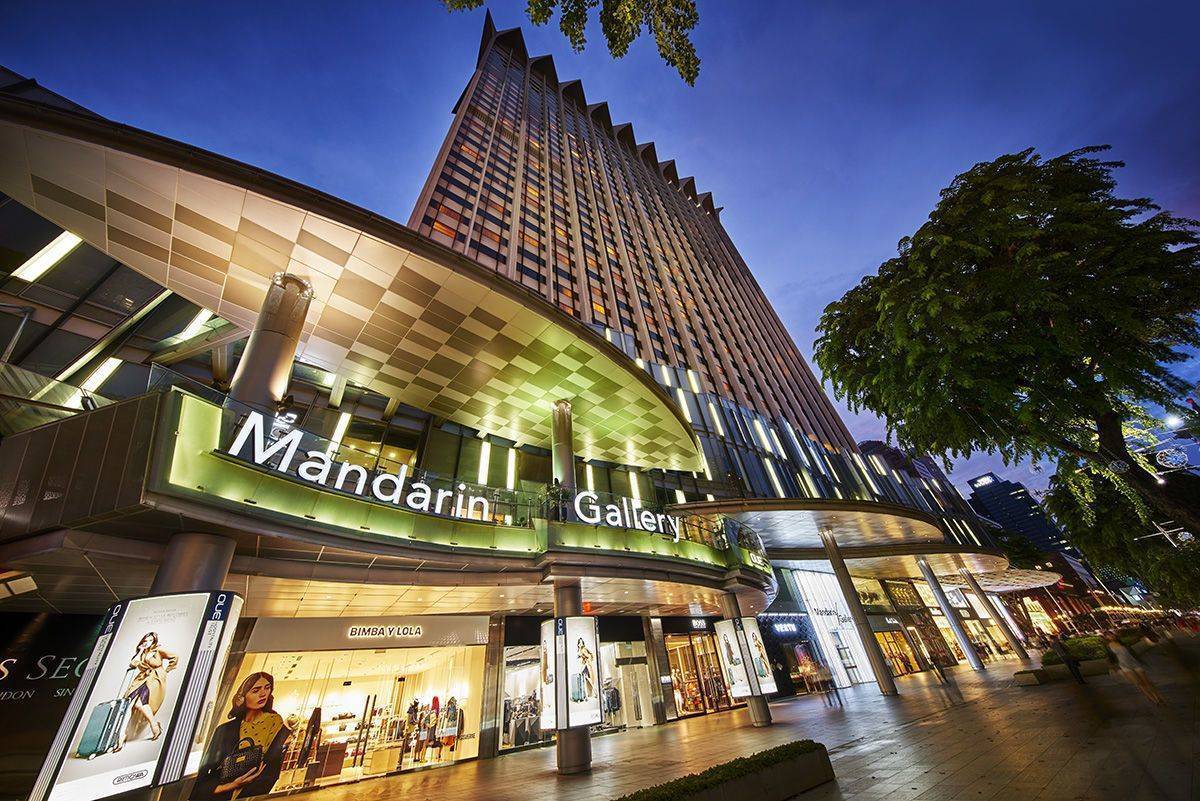
Image via Mandarin Orchard Singapore website / meritushotels.com/mandarin-orchard-singapore

A SINGAPORE hotel suspected of spreading the virus among quarantined travelers has now found signs of past infection among three staffers, raising concern over pockets of undetected transmission in a country that’s largely managed to stamp out local cases.

The Mandarin Orchard, a hotel that welcomed recreational guests while also housing quarantined travelers on designated floors, is now scaling back operations as the Singapore government probes the situation.

Serological tests for 571 of the hotel’s staff have so far indicated the likelihood of past infection for three people, the Singapore Ministry of Health said in a statement on Sunday.

This followed its disclosure on Saturday that 13 cases of infection among travelers quarantining at the Mandarin Orchard had a “high genetic similarity” despite the patients arriving from 10 different countries, raising the suspicion that the hotel has become a site of transmission.

From “preliminary investigations, we cannot exclude that transmissions could have occurred at Mandarin Orchard Singapore,” said the statement.

Quarantine hotels and the management of foreign arrivals have been a vulnerability for many countries as governments try to balance the risk of overseas infection slipping into local communities while allowing some essential travel.

Lapses at a quarantine hotel led to an unprecedented outbreak in Australia’s Victoria state that was contained only through a brutal three-month lockdown, while lax management of air and shipping crew arrivals was blamed for overturning Hong Kong’s containment success earlier this year.

After containing a rampant outbreak among its army of migrant workers, Singapore has been able to keep new cases close to zero for weeks, and is set to ease curbs on movement and gatherings on Dec. 28. The government has also moved ambitiously to restart international travel, allowing quarantine-free visits from places with contained outbreaks, while planning a bubble to house business travelers near the airport.

The 13 infected travelers quarantined at the Mandarin Orchard stayed there between Oct. 22 and Nov. 11 and arrived from places including Bahrain, Canada, Indonesia, Myanmar, the Netherlands, the Philippines, South Korea, the United Arab Emirates, the UK and the US, said the Ministry of Health.

Authorities are conducting analysis on more cases beyond Nov. 11. The hotel has stopped taking visitors for quarantine purposes since Dec. 13 and those currently serving their so-called stay-home notice will be sent to another facility, the government said.

The Mandarin Orchard is one of the hotels approved by authorities to offer staycation packages to Singapore residents eager for a break and unable to leave the country because of travel restrictions. While those in quarantine are housed on dedicated floors and segregated from other guests, fears are growing that infection could have slipped through. — Bloomberg

Pope snubs Vatican’s sci-fi Nativity scene, directs visitors to others

VATICAN CITY, Dec 20 (Reuters) – Pope Francis on Sunday appeared to add his own thumbs-down to widespread criticism of an unorthodox nativity scene in St. Peter’s Square, telling visitors to instead visit a nearby exhibition of traditional crèches.

At his last Sunday blessing and address before Christmas, Francis also said the holy day that marks the birth of Jesus had been “kidnapped” by consumerism.

Speaking from his window overlooking the square, Francis twice urged people to visit an outdoor exhibit under the square’s colonnade where 100 small traditional nativity scenes are on display.

They demonstrated “how people try to use art to show how Jesus was born (and)… are a great religious education of our faith,” he said.

He made no mention of the main nativity in the centre of the square, a larger-than-life ceramic assembly of statues that includes an astronaut and a character reminiscent of Darth Vader from Star Wars..

It has received scathing reviews in the media and from visitors, many of whom have expressed emotions ranging from puzzlement to contempt.

The Vatican displays a different donated nativity scene each year, chosen by its municipal government.

This year’s was made between 1965 and 1975 by students and teachers in Castelli, an Italian town famous for ceramics. The astronaut represents the lunar landings of the late 1960s and early 1970s, according to a description for visitors.

In his address, Francis also warned against “frenetic” consumerism during the Christmas season, urging people to remember those who have nothing.

“Consumerism has kidnapped Christmas, (taking it) away from us,” he said. “There is no consumerism in the manger in Bethlehem. What is there is reality, poverty and love.” — REUTERS

How to prepare and protect your gut health over Christmas and the silly season

It’s that time of year again, with Christmas parties, end-of-year get-togethers and holiday catch-ups on the horizon for many of us — all COVID-safe, of course. All that party food and takeaway, however, can have consequences for your gut health.

Gut health matters. Your gut is a crucial part of your immune system. In fact, 70% of your entire immune system sits around your gut, and an important part of that is what’s known as the gut-associated lymphoid tissue (GALT), which houses a host of immune cells in your gut.

Good gut health means looking after your gut microbiome — the bacteria, fungi, viruses and tiny organisms that live inside you and help break down your food — but also the cells and function of your gastrointestinal system.

We know gut health can affect mood, thanks to what’s known as the gut-brain axis. But there’s also a gut-lung axis and a gut-liver axis, meaning what happens in your gut can affect your respiratory system or liver, too.

Here’s what you can do to bolster your gut microbiome in the coming weeks and months.

You can change your gut microbiome within a couple of days by changing your diet. And over a longer period of time, such as the Christmas-New Year season, your diet pattern can change significantly, often without you really noticing.

That means we may be changing the organisms that make up our microbiome during this time. Whatever you put in will favour certain bacteria in your microbiome over others.

We know fatty, sugary foods promote bacteria that are not as beneficial for gut health. And if you indulge over days or weeks, you are pushing your microbiome towards an imbalance.

Yes! If your gut is healthy to begin with, it will take more to knock it out of whack. Prepare yourself now by making choices that feed the beneficial organisms in your gut microbiome and enhance gut health.

That means:

eating prebiotic foods such as jerusalem artichokes, garlic, onions and a variety of grains and inulin-enhanced yoghurts (inulin is a prebiotic carbohydrate shown to have broad benefits to gut health)

eating resistant starches, which are starches that pass undigested through the small intestine and feed the bacteria in the large intestine. That includes grainy wholemeal bread, legumes such as beans and lentils, firm bananas, starchy vegetables like potatoes and some pasta and rice. The trick to increasing resistant starches in potato, pasta and rice is to cook them but eat them cold. So consider serving a cold potato or pasta salad over Christmas

choosing fresh, unprocessed fruits and vegetables

steering clear of added sugar where possible. Excessive amounts of added sugar (or fruit sugar from high consumption of fruit) flows quickly to the large intestine, where it gets gobbled up by bacteria. That can cause higher gas production, diarrhoea and potentially upset the balance of the microbiome

remembering that if you increase the amount of fibre in your diet (or via a supplement), you’ll need to drink more water — or you can get constipated.

For inspiration on how to increase resistant starch in your diet for improved gut health, you might consider checking out a cookbook I coauthored (all proceeds fund research and I have no personal interest).

If Christmas and New Year means a higher intake of red meat or processed meat for you, remember some studies have shown that diets higher red meat can introduce DNA damage in the colon, which makes you more susceptible to colorectal cancer.

The good news is other research suggests if you include a certain amount of resistant starch in a higher red meat diet, you can reduce or even eliminate that damage. So consider a helping of cold potato salad along with a steak or sausage from the barbie.

Don’t forget to exercise over your Christmas break. Even going for a brisk walk can get things moving and keep your bowel movements regular, which helps improve your gut health.

Have a look at the Australian Guide to Healthy Eating and remember what foods are in the “sometimes” category. Try to keep track of whether you really are only having these foods “sometimes” or if you have slipped into a habit of having them much more frequently.

The best and easiest way to check your gut health is to use the Bristol stool chart. If you’re hitting around a 4, you should be good.

Remember, there are no quick fixes. Your gut health is like a garden or an ecosystem. If you want the good plants to grow, you need to tend to them — otherwise, the weeds can take over.

I know you’re probably sick of hearing the basics — eat fruits and vegetables, exercise and don’t make the treats too frequent — but the fact is good gut health is hard won and easily lost. It’s worth putting in the effort.

A preventative mindset helps. If you do the right thing most of the time and indulge just now and then, your gut health will be OK in the end. — REUTERS

Moderna’s COVID-19 vaccine shots leave warehouses, widening U.S. push to immunize

Dec 20 (Reuters) – Trucks and planes loaded with doses of Moderna Inc’s COVID19 vaccine are expected on Sunday to leave warehouses en route for healthcare facilities around the United States in a push to distribute the second approved COVID19 vaccine.

The distribution of Moderna’s vaccine to more than 3,700 locations in the United States will vastly widen the rollout started last week by Pfizer Inc. The U.S. government plans to deliver 5.9 million Moderna shots and 2 million Pfizer shots this week.

But an ambitious target to get 20 million Americans started with their first shot of the two dose vaccine regimen before the end of the year could slip into the first week of January, U.S. Army General Gustave Perna told reporters on Saturday.

Moderna on Saturday moved vaccines from its manufacturing plants to warehouses operated by distributor McKesson Corp where they were packed into containers and loaded onto trucks. Shipments are departing Sunday and will start reaching healthcare providers as soon as Monday, Perna said.

The Food and Drug Administration on Friday issued an emergency use authorization for Moderna’s vaccine. The vaccine developed by Pfizer and its German partner BioNTech SE was authorized on Dec. 11.

Vials of Moderna’s vaccine were filled in pharmaceutical services provider Catalent Inc’s facility in Bloomington, Indiana. McKesson is shipping doses from facilities including Louisville, Kentucky and Memphis, Tennessee – close to air hubs for United Parcel Service Inc and FedEx Corp.

The start of delivery for the Moderna vaccine will significantly widen availability of COVID19 vaccines as U.S. deaths caused by the respiratory disease reached more than 310,000 last week in the 11 months since the first documented U.S. cases.

Some states are choosing to use Moderna’s shots for harder-to-reach rural areas because they can be stored for 30 days in standard-temperature refrigerators. Pfizer’s must be shipped and stored at -70 Celsius (-94 F), and can be held for only 5 days at standard refrigerator temperatures.

Initial doses were given to health professionals. Programs by pharmacies Walgreens and CVS to distribute the Pfizer vaccine to long-term care facilities are expected to start on Monday.

The U.S. Centers for Disease Control and Prevention will decide Sunday on who it will recommend to be next in line to receive COVID19 vaccines. The populations under closest consideration include essential workers, those over 65, and people with pre-existing conditions. — REUTERS

Drawing inspiration from plants to solve design problems

By Patricia Mirasol

Plants have already solved a lot of the questions we ask ourselves how to solve. In a Business of Design Walk session entitled “Can Plants Give us New and Visionary Solutions to Design Problems?,” JA Studio’s Kigge Mai Hvid talked about drawing inspiration from the plant kingdom to create better lives for people and the planet. 

The artist and founder of the Index: Awards, the world’s largest design award, gave several examples for solving specific tasks. Solutions for cleaning up nuclear waste, for instance, might be drawn from sunflowers. Huge beds of the plant can be found thriving and offering cheer in the wastelands of Fukushima. Mangroves, meanwhile, with their capability to desalinate water, can be used to provide clean drinking water. Those looking to design structures with strength and flexibility, on the other hand, can scrutinize the pomelo. Because of its organized peel structure, it can be dropped from 30 feet up without harming its interior.

Plants, which are indispensable to the oxygen supply needed for sustaining human life, are also models of resilience. Ninety percent of a plant can be destroyed without it losing its basic functions.

Inspired design

Some of the world’s most famous landmarks have drawn inspiration from nature. The Sydney Opera House was designed by the Danish architect Jørn Utzon in January 1957 with orange peels in mind. The Gherkin, a skyscraper in the UK, has an air ventilation system similar to sea sponges and anemones, which feed by directing sea water to flow through their bodies. The skyscraper is likewise supported by an exoskeleton structure, and is designed so ventilation flows through the entire building.

“Can plants teach us something about beauty?,” asked Ms. Hvid. “That’s the largest reservoir of beauty we have in the world.”

Circular economy

Understanding the natural world also makes it easier to understand the circular economy, or the closed loop system wherein the focus is on eliminating waste by reusing, recycling, and refurbishing products and infrastructure for a longer time.

Ms. Hvid cited as an example UK-based biodesign research studio Faber Futures, which uses bacteria to color clothes. The studio works with Streptomyces coelicolor, a bacteria that produces pigment as it grows during its week-long life. Using biology to produce clothing could help create closed-loops fashion systems that mitigate the impact of fast fashion.

For all their utility, a fifth of plants are threatened by extinction due to invasive species, climate change, urbanization, agriculture, and humans at large. 

“A fifth of all plants are threatened by extinction,” Ms. Hvid said. “Why are we not scared about that?” She added that learning about plants and how they effectively partner with other organisms such as fungi and bacteria will improve the way humans collaborate, design, and build for a sustainable future.

[B-SIDE Podcast] Shipping news: Lessons from UPS

Follow us on Spotify BusinessWorld B-Side

The disruptions caused by the coronavirus pandemic to global supply chains were unexpected.  

“This has really been one of the most challenging times … in all walks of life,” said Christopher Buono, managing director of UPS Philippines, who has been in the industry for 18 years.

UPS is one of several logistics groups tasked with delivering billions of coronavirus vaccine doses to the world. On top of that, it’s the holiday season and packages have to be delivered.

For the logistics industry, the new normal means operating in a peak-like environment for the entire year.

In this episode of B-Side, Mr. Buono speaks with BusinessWorld senior reporter Arjay L. Balinbin, and takes stock of this year against the backdrop of the ongoing health crisis.

TAKEAWAYS

Businesses are now rethinking how their supply chains are set up, not just from a cost-efficiency standpoint but also from a resiliency perspective.

“We’ve even seen their maturity, just in the last eight to nine months, where companies got online, initially in March and April just to stay afloat, just to keep their heads above water… They’ve learned a lot over the last eight months, and they’ve become much more mature as they work to continue to grow,” Mr. Buono said.

To be resilient, he said, businesses should ensure business continuity, which can mean transforming their business model and utilizing digital channels.

Digital tools being made available to businesses help them identify growth opportunities amid the pandemic.

Mr. Buono said technology solutions allow businesses “to look at data, tell them where their customers are, and what sort of behaviors they may have online.”

For the logistics industry, the new normal means operating in a peak-like environment for the entire year.

UPS alone has gotten more than 600 flights in the second quarter of 2020 and more than 260 in the third quarter to cater to the demand coming out of Asia, Mr. Buono said.

This B-Side episode was recorded remotely on November 27. Produced by Nina M. Diaz, Paolo L. Lopez, and Sam L. Marcelo.

Follow us on Spotify BusinessWorld B-Side

Winner of Friday’s $310-million Mega Millions jackpot can spend $30,000 daily for 30 years

Think about it. A Mega Millions jackpot prize of US$330 million (₱ 15.8 billion) is up for grabs in a lottery draw tomorrow night. After deductions for taking the prize’s cash option and paying American taxes, the winner could still spend about $15 thousand (₱ 721 thousand) per day or alternatively, $420 thousand (more than ₱20 million) per month for the next 30 years.

In Wednesday’s draw, the American Powerball lottery’s jackpot is worth US$321 million (₱15.4 billion). Participating in this draw gives players yet another chance to win an astronomical lottery prize.

If you are lucky enough to win such a jackpot, you would be wise to consult professional financial and tax advisors before spending your winnings. And if you’re wondering how you could possibly win such a fortune, without leaving the Philippines, you will be amazed to know that you can purchase official American lottery tickets online at theLotter.com.

American lotteries are doing it again — offering hundreds of millions of dollars in jackpot prizes! Up until now, residents of the Philippines could only look in envy at lottery fans in the United States, where tickets for Mega Millions, Powerball, and local state lotteries are up for sale. Traveling to the USA for the sole purpose of participating in a lottery draw is not practical, and needless to say, an enormous expense.

This can probably explain why thousands of Filipinos are already using the online ticket purchasing services of theLotter.com to buy official tickets for Mega Millions, Powerball, and more than 45 other lotteries from around the globe. Filipinos can enjoy online lottery play from the comfort of their homes in the Philippines. If someone from the Philippines was lucky enough to win the jackpot, they would become one of the richest people in the world overnight.

Here’s how you could win a $330-million jackpot from the Philippines:

  1. Sign up at theLotter.com, the world’s leading online lottery ticket purchasing service.
  2. Select the Mega Millions lottery from over 45 lotteries available on the site.
  3. Fill out your ticket with your favorite numbers, or use a computer-generated random selection.
  4. Indicate how many lines you want to play or choose to play with a lottery syndicate to increase your chances of winning.
  5. Confirm your ticket purchase and you’re eligible to win prizes in the upcoming draw.

How theLotter works

TheLotter spokesperson, Adrian Cooremans, explains that when you order official American lottery tickets on the site, “theLotter’s local agents in the US will buy them on your behalf. In return, the website charges a transaction fee, and you will get a scan of your tickets before the draw. When you win a prize, it’s entirely yours as no commissions are taken from winning tickets.”

By purchasing their tickets online at theLotter, more than 6 million lucky players from all over the world have won over $100 million in prizes without setting foot in the US. The site’s biggest winner to date is Aura D. from Panama, a retired woman still working to support her kids. Aura was the sole jackpot winner in a July 2017 Florida Lotto draw, entitling her to the entire $30 million prize.

If someone from Panama can play American lotteries by purchasing official tickets online at theLotter, so could someone from the Philippines.

Playing the world’s biggest lotteries at theLotter is simple, safe, and secure. Players everywhere are impressed by how easy it is to purchase official lottery tickets online.

The lucky winner of the Mega Millions jackpot of $330 million this Tuesday will be able to guarantee their entire family’s financial security for generations to come.

For more information how to play Mega Millions online from the comfort of your home in the Philippines, please visit thelotter.com.


Spotlight is BusinessWorld’s new sponsored section that allows advertisers to amplify their brand and connect with BusinessWorld’s audience by enabling them to publish their stories directly on the BusinessWorld Web site. For more information, send an email to online@bworldonline.com.

BusinessWorld Insights: “More Hopeful Tomorrows: Strides in Lung Cancer Care”

Join BusinessWorld Insights, with the theme, “More Hopeful Tomorrows: Strides in Lung Cancer Care”, as speakers discuss how we can work together to eliminate the lung cancer stigma and how we can overcome this disease.

This session of #BUSINESSWORLDINSIGHTS​ is presented by MSD in the Philippines’ Hope From Within.

Policy makers eye GDP-linked bonds

The government is hoping a pickup in consumer spending ahead of the holidays will help boost economic growth. — PHILIPPINE STAR/MICHAEL VARCAS

By Luz Wendy T. Noble, Reporter

THE Financial Stability Coordination Council (FSCC) is evaluating the possibility of issuing securities linked to the country’s gross domestic product (GDP) as a new instrument to manage liquidity in the financial system, FSCC Chairman and Bangko Sentral ng Pilipinas (BSP) Governor Benjamin E. Diokno said.

“We continue to consider the prospects and timing of GDP-linked bonds (GLBs). But this has to also come hand in hand with the recent issuance of BSP securities and the evolving market conditions,” Mr. Diokno said in an e-mail to BusinessWorld.

“Our objective is to re-deploy liquidity that is already available in the market as part of our shared objective to address risk aversion and move further towards the New Economy,” he added.

In September, the BSP launched the 28-day BSP bills as part of its initiatives towards more market-based monetary operations.

Pressed for details, Mr. Diokno said the GDP-linked bonds, if issued, will have a longer tenor than the Treasury bills, by nature.

“The prospect of issuing GDP-linked bonds is under review, but there is no firm commitment for its adoption,” he said in a Viber message.

Analysts said the risks of such bonds lie on the volatility of the economy.

“GDP-linked bonds will be both an advantage and disadvantage depending on the volatility of GDP indicators which as of now are moving in the opposite direction (e.g. unemployment, foreign direct investments, inflation, etc.). This opposite movement may jeopardize the value of bond share,” Colegio de San Juan de Letran Graduate School Dean Emmanuel J. Lopez said in a text message.

Despite this, Mr. Lopez said such bond issuance could stimulate spending and investment, which could then create a “semblance of normality, at the same time, induce GDP growth.”

From an investors’ perspective, a faster pace of recovery will provide higher interest rate returns, said Rizal Commercial Banking Corp. Chief Economist Michael L. Ricafort.

“Since the Philippine GDP growth (before the pandemic) had been one of the fastest-growing among relatively larger countries around the world, this would provide greater incentives for investors,” Mr. Ricafort said in a text message.

The economy shrank by 11.5% in the third quarter, bringing the nine-month GDP contraction to 10%. The government expects the GDP to slump by 8.5% to 9.5% this year.

In 2019, the country’s GDP rose by 6%.

Meanwhile, a softer economic bounceback will still be favorable from an issuer’s point of view, said Mr. Ricafort.

“[Such] conditions would allow lower borrowing costs for GDP-linked bonds, thereby providing greater support in terms of lower debt-servicing costs as the resulting savings may be re-allocated to pump-priming other support measures when needed most to resuscitate the economy,” he said.

Economic managers maintained its GDP growth outlook for 2021 at 6.5-7.5%, and for 2022 at 8-10%.

UnionBank of the Philippines, Inc. Chief Economist Ruben Carlo O. Asuncion said the GDP-linked bonds could be a welcome development if the government decides to push through with the issuance.

“If these were used in other countries, why not ours? The good thing here is that investment instruments are growing and varieties are expanding,” Mr. Asuncion said in a Viber message.

‘Manageable’ inflation seen in next four years

In November, the consumer price index rose by 3.3%, quicker than the 2.5% in October and the 1.3% a year ago. — REUTERS

THE inflation environment is expected to remain “manageable” in the next four years, with the central bank taking into account the economy’s recovery trajectory after the pandemic.

“The DBCC (Development Budget Coordination Committee) in consultation with the BSP (Bangko Sentral ng Pilipinas), decided to retain the current inflation target range at 3% plus or minus one percentage point (ppt) for 2021 – 2022 and set the inflation target range at 3% plus or minus one ppt for 2023 – 2024,” the BSP said in a statement on Friday evening.

“Moreover, inflation expectations are expected to remain firmly anchored to the National Government’s target.”

The inflation rate from 2023 to 2024 will be dependent on the pace of economic recovery from the current coronavirus disease 2019 (COVID-19) crisis.

“The Philippine economy is expected to regain momentum as the health crisis is sufficiently addressed, while macroeconomic policies gain full traction in reviving the economy,” the BSP said.

Economic managers are pinning their hopes on a strong economic recovery starting 2021.

In its meeting earlier this month, the DBCC lowered its 2020 gross domestic product (GDP) outlook to 8.5-9.5% contraction this year (from 4.5-6.6% in July) but kept its growth forecast at 6.5% to 7.5% for 2021.

Moreover, the DBCC upwardly revised the growth estimate for 2022 to 8-10% (from 6.5-7.5%).

The economy remained in a recession after GDP shrank by 11.5% in the third quarter. Year to date, the GDP contracted by 10%.

“The COVID-19 pandemic could lead to structural changes in supply and demand factors that determine the level of inflation as well as affect the country’s future productive capacity,” the BSP said.

“This reinforces the important role of the inflation target as an important guidepost for the BSP in ensuring inflation remains low and stable, which will be conducive to long-term economic growth,” it added.

In its December policy meeting on Thursday, the Monetary Board raised its inflation forecast for 2020 and 2021 to 2.6% (from 2.5%) and 3.2% (from 2.7%), respectively. BSP Deputy Governor Francisco G. Dakila, Jr. said the outlook was updated due to the faster increase in food and global oil prices.

Meanwhile, the BSP maintained its 2022 inflation forecast at 2.9%.

In November, the consumer price index rose by 3.3%, quicker than the 2.5% in October and the 1.3% a year ago. The month’s print is also the fastest in 21 months or since the 3.8% logged in February 2019. — L.W.T. Noble

PHL lost 2.1 million jobs this year — ADB

Employment in the construction industry fell during the strict lockdown in Metro Manila. — PHILIPPINE STAR/MICHAEL VARCAS

THE Asian Development Bank (ADB) estimated at least two million Filipino workers may have lost their jobs by the end of the year as the pandemic continued, with the steepest drop in employment seen in services sector that depend heavily on tourism.

“Our analysis shows that by the end of 2020, around 2.1 million workers may have lost their jobs, relative to the pre-COVID baseline scenario. About 1.5 million of these workers (about 68%) may become unemployed, raising the unemployment rate from 5.1% in 2019 to 8.5% in 2020,” ADB Southeast Asia Department technology and innovation specialist Sameer Khatiwada and economist Rosa Mia Arao said in a blog post published on Friday.

They noted another 389,000 workers may drop out of the labor force, while around 288,000 workers may look for work in other sectors, mainly agriculture.

“Such labor reallocation following economic shocks is typical in the context of developing economies. Without adequate social protection, displaced workers cannot afford to remain unemployed and, therefore, shift to lower productivity employment in agriculture or informal employment in low productivity services,” they said.

However, there are “signs that a pickup in the job market is underway,” the ADB analysts said.

In October, the unemployment rate stood at 8.7% which represents 3.813 million jobless Filipinos, data from the Philippine Statistics Authority showed. This eased from the 10% jobless rate in July when 4.571 million Filipinos are unemployed.

Based on ADB’s estimates, a decline in employment is seen in tradable sectors such as manufacturing and transportation due to the drop in global demand. However, job losses were higher in non-tradable industries such as construction, wholesale and retail, accommodation and food, and public administration, because of strict lockdown measures.

“We estimate job loss north of 500,000 in wholesale and retail, 265,000 in accommodation and food, and a drop of about 100,000 jobs in transport, public administration, and other services,” the ADB analysts said.

There is also a sharp increase in employees that reported they had a job but did not work during the year. The ADB analysts noted some of these workers likely did not get any salary at this time.

“Indeed, the COVID-19 pandemic had significant labor market impacts, including massive job losses and unemployment, a decline in labor force participation, and reductions in hours worked. Moreover, our analysis indicates that job loss disproportionately affected low productivity sectors such as construction, transport, tourism, and wholesale and retail that employ many low-skilled workers,” they said.

Moving forward, the government’s infrastructure push, stable inflation and low interest rates, as well as the upcoming availability of vaccines should boost economic recovery and increase jobs.

“Over the medium-term, policies to spur and save jobs, help struggling firms, help displaced workers to find reemployment, and to boost spending, will be critical to ensure a resilient and robust recovery,” the analysts said.

“Moreover, intensified efforts to improve education and training will help to enhance the skills of workers whose livelihoods have been affected by the pandemic. Together, these measures are encouraging signs that workers will not only find employment but thrive in the post-COVID-19 labor market.”

The ADB expects the Philippine economy to shrink by 8.5% this year before growing by 6.5% in 2021. This compares with the government’s forecast of an 8.5-9.5% contraction in 2020 and a growth of 6.5-7.5% by 2021. — L.W.T. Noble