Home Blog Page 8227

Energy dep’t welcomes US investment in renewables, nuclear

REUTERS

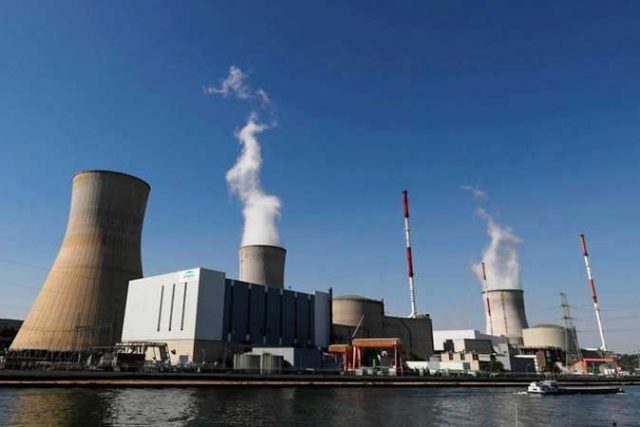
ENERGY Secretary Alfonso G. Cusi invited US companies Thursday to invest in the Philippine energy sector, particularly in renewables and nuclear power, as the country strives to make its power sources more reliable and sustainable.

“I hope our American friends in the business community will again take a look at our new initiatives that aim to make the Philippines rife with many investment opportunities,” Mr. Cusi said during his talk at the virtual economic briefing “PH-US at 75: Strengthening Ties through Sustainable Recovery.”

He invited US companies to take part in the department’s Green Energy Option Program (GEOP) and Green Energy Auction Program (GEAP). GEOP allows users consuming at least 100 kilowatts of power to tap retail energy suppliers generating electricity from renewables, while GEAP allows qualified RE (renewable energy) developers to offer their output to the rest of the power industry.

“I want to invite you to participate in these renewable programs,” Mr. Cusi said.

One of the Department of Energy objectives based on its updated Philippine Energy Plan (PEP) 2018-2040 is to increase output of clean and indigenous sources of energy, such as geothermal, hydro, and natural gas to meet the demands of economic development, according to Mr. Cusi.

He said the new PEP contemplates a clean energy scenario of slower growth in the total primary energy supply as a result of embarking on energy efficiency and conservation measures. “Coal and oil shares will also continue to decrease due to the use of alternative fuels for transport, among others,” he said.

Asked about which particular area of RE he would like to see more private sector participation in, Mr. Cusi said he would like to accelerate the development of geothermal.

“Geothermal energy is an area that we would really like to tap and develop. That’s the kind of power we need, and we’d like to see investors from the US doing a 100% participation in the development of our geothermal energy,” he said during the virtual event’s panel discussion.

Mr. Cusi also highlighted the investment opportunity in nuclear energy. “I am a firm believer that integrating nuclear power into the country’s energy mix would significantly help us meet our future power requirements,” he said.

Before President Rodrigo R. Duterte signed the order creating the Nuclear Energy Program Inter-Agency Committee, PEP had assumed the inclusion of nuclear power in the energy mix by 2035, Mr. Cusi said. The inter-agency committee, which studied the adoption of a national position for a Nuclear Energy Program, submitted its recommendation to the President in December.

Mr. Cusi said that with the evolution of small modular reactors which can be used for off-grid areas or remote islands, the possibility of integrating nuclear power in the generation mix “might come as early as 2027.”

This will depend on the passage of legislation regulating nuclear power, he said.

In his speech, he also invited business leaders to consider the Philippine Conventional Energy Contracting Program which aims to spur exploration by offering areas with potential oil and gas reserves. The program features a revised petroleum service contract awarding mechanism which allows investors to bid for exploration projects through competitive selection or by nomination.

“I am happy to share that as a result of our strong promotional efforts, both locally and abroad, as of December 2020, we received a total of 14 applications for nominated and new areas,” Mr. Cusi said. — Angelica Y. Yang

PHL to hire 4,754 additional contact tracers for NCR

PHILSTAR

THE GOVERNMENT plans to hire an additional 4,754 contact tracers in Metro Manila to help meet the goal of tracking down potentially exposed persons within 24 hours, according to the Department of the Interior and Local Government (DILG).

The National Capital Region (NCR) remains a priority area for staffing because infection numbers remain high, Interior Undersecretary Bernardo C. Florence, Jr. said at a televised briefing Thursday. Metro Manila staffing is estimated to be nearly 7,000 short of the level deemed ideal.

Mr. Florence said the contact tracers will be hired under the Department of Labor and Employment (DoLE) TUPAD program.

DoLE has announced that it plans to hire an additional 14,000 contact tracers overall.

Mr. Florence said the NCR had 10,097 contact tracers as of April 15. The government needs to employ 17,000 contact tracers if it is to hit the desired ratio of one for every 800 people.

Mr. Florence said the government will accept high school graduates to increase the candidate pool. Applicants were previously required to have a college degree.

Applicants are required to submit a letter of intent, personal data sheet, and barangay residence certificate.

“Our requirements for contact tracing applicants are very simple and starting tomorrow until April 22 we are open for hiring,’’ Mr. Florence said.

Applicants will go through initial training to be conducted by representatives of the DILG, DoLE and Metropolitan Manila Development Authority.

“The hired contact tracers may start working on May 1,” Mr. Florence said.

The Palace has identified contact tracing as a weak link in the pandemic response. — Kyle Aristophere T. Atienza

Agriculture, food seen key to PHL economic recovery

COURTESY OF DEPARTMENT OF AGRICULTURE

THE PHILIPPINE agriculture and food industries will play an important role in the economic recovery, according to a report by Oxford Economics.

Food Industry Asia, which commissioned the Oxford Economics study, said in a statement Thursday that the Philippine agri-food sector will create employment and provide food for consumers at stable prices, but still runs the risk of supply and demand disruptions during a drawn-out pandemic.

“In 2019, the agri-food sector in the Philippines made a gross domestic product (GDP) contribution of P6.1 trillion, which marked a 16% increase from 2015. The sector is also responsible for 42.7% of the workforce with 18 million jobs, making it the single most critical source of employment in the economy. The sector also contributed a total of P829.5 billion in tax revenue,” the report said.

The report identified a key driver of the agri-food sector to be food and beverage manufacturing, which accounts for 46% of the sector’s contribution to GDP.

“The sector was impacted by the disruptions coming from the COVID-19 pandemic, seeing a 4% contraction in 2020, or a P262.1 billion drop in GDP contribution. However, the scale of this impact was considerably smaller than what the economy endured as a whole, highlighting the essential nature of agri-food production and distribution,” according to the report.

“The Philippines showed important vulnerabilities due to its dependence on tourism to revive its food industry. It placed second worst across 10 countries when it comes to the sector’s expected economic recovery,” it added.

Elizabeth M. de Leon-Lim, Philippine Chamber of Food Manufacturers, Inc. chairman and president, said the agri-food industry needs to work closely with the government to explore other ways to thrive despite the pandemic, as demand from international tourism remains uncertain.

“With the agri-food industry being instrumental to the national economy, it is critical that both the industry and the public sector come together to sustain and uplift the agri-food sector as we move forward into the rest of this year,” Ms. De Leon-Lim said.

James Lambert, Oxford Economics director of Economic Consulting Asia, said fiscal adjustments can be made to deal with potential risks to the recovery of the sector and the country’s economy, such as lowering public expenditure or increasing tax revenues.

“As the Philippines looks to emerge from the pandemic stronger, it is important that policymakers provide the most conducive conditions for the agri-food industry to successfully rebuild itself, and that any fiscal policy implemented is carefully planned, designed, and communicated. That will allow the industry to continue to provide the economic benefits it has delivered over recent decades,” Mr. Lambert said.

The Philippines was deemed among the most vulnerable in Asia to fiscal adjustments after the pandemic, which means that poorly-executed fiscal responses can potentially harm the recovery of the agri-food sector, and consequently the economic recovery.

“The report recommends that for governments to develop successful fiscal responses that do not inhibit the recovery of the agri-food industry, three conditions need to be met: using education to influence behavior; favoring regulatory standards over taxes; and maintaining a constant conversation with the industry,” it said. — Revin Mikhael D. Ochave

Apo Agua sets end-2021 target for Davao bulk water operations

WWW.APOAGUA.COM

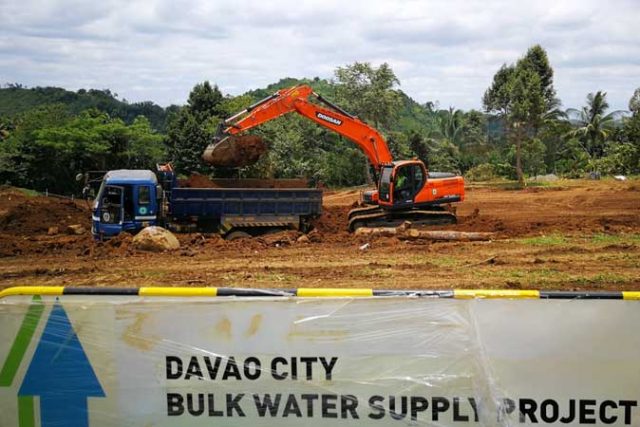
DAVAO CITY — Aboitiz-controlled Apo Agua Infrastructura, Inc., (AAII) is aiming to start operations at its bulk water supply project here at the end of the year, from the original launch date of mid-2021 target due to coronavirus-related delays.

“It is a very challenging and a tight timeline, but with the constant support for our project (from the) Davao City Water District and the strong support of the city government of Davao, we are optimistic that we can have first drop of water by end of this year,” Shake A. Tuason, operations head of AAII, said during the AFP-PNP Press Corps media briefing Wednesday.

“We are still constantly monitoring our project timeline,” he added.

Mr. Tuason said after construction delays last year due to pandemic restrictions, the company has nearly doubled staffing to 4,500 workers at the various work sites to make up for the disruptions. — Maya M. Padillo

US grants $4M to fund PHL vaccines, traffic study

PHILSTAR FILE PHOTO

THE PHILIPPINES obtained two new grants from the US worth a combined $4.186 million, which will help fund the Health department’s mass vaccination program and support a study aiming to address road congestion in Cebu.

The US Agency for International Development (USAID) provided $3.5 million to help the Department of Health with its vaccination rollout, USAID Acting Administrator Gloria D. Steele said at a virtual economic briefing between the two governments Thursday.

This will bring the US government’s total coronavirus disease 2019 (COVID-19) grants to the Philippines to the equivalent of P1.3 billion so far since 2020.

The funds will be used on monitoring the safety of vaccines, information campaigns, and helping local government units (LGUs) plan, track and administer doses.

At the same briefing, the Philippine government and US Trade and Development Agency (USTDA) signed a $686,000 technical assistance grant for the master plan of an intelligent transport system in Metropolitan Cebu.

USTDA Acting Director Enoh T. Ebong said the project aims to ease road congestion, improve mobility and cut vehicle emissions by deploying smart mobility and traffic management solutions across the 13 LGUs in Metro Cebu.

“The improvement of the transportation system in Metro Cebu is part of our massive ‘Build, Build, Build’ program. The development of this project shows our commitment to maintain the pace of our infrastructure modernization program to hasten our economic recovery. The technical assistance to be provided by the USTDA under this project will help us transition rapidly into the new digital economy,” Finance Secretary Carlos G. Dominguez III said at the briefing.

Ms. Ebong said the USTDA is also hoping to establish a presence at the US Embassy in Manila this year as the agency expands its programs in the Philippines.

“It will also facilitate the financing and implementation of our infrastructure projects through closer engagement with the Asian Development Bank and other regional financial institutions,” she added.

The US was the Philippines’ sixth largest source of external funding, with total grants of $577.7 million as of March 2020. — Beatrice M. Laforga

Poland exploring technology, agriculture ventures with PHL

REUTERS

POLAND is seeking economic partnerships with the Philippines in the technology and agriculture sectors, the Department of Trade and Industry (DTI) said.

Trade representatives met virtually with the Polish Chamber of Commerce and the Poland Ministry of Economic Development last week, the DTI said in a statement Thursday.

Polish Ministry of Economic Development, Labour and Technology Undersecretary Robert Tomanek said at the online event that possible areas of collaboration also include IT and food.

“The demographic and economic potential of the Philippines and Poland should generate greater cooperation. We really can do better. We want to diversify economic cooperation, especially in the Asia-Pacific area,” he said.

The Philippines in turn is interested in promoting its semiconductors and information technology to Europe, Philippine Trade and Investment Center – Berlin Commercial Counsellor Althea Antonio said.

The Philippine trade representatives also expressed interest in fresh and processed goods exports as well as raw and intermediate goods exports in food processing, pharmaceuticals, and construction.

Philippine Chamber of Commerce and Industry Vice Chair for Asia and ASEAN Affairs Roberto C. Amores encouraged Polish investors to explore joint ventures and distribution deals for coconut, bananas, processed mangoes and pineapples, cacao, and other high-value crops that have seen strong demand from the European Union.

Mr. Amores also heads the Philippine Food Processors & Exporters Organization, Inc. — Jenina P. Ibañez

OOKLA: Globe fastest download speeds in 10 of 17 regions in Q1 2021

PH mean mobile download speed sustains improvement

Globe beats competition across 10 out of 17 regions in the Philippines in terms of mobile download speed based on Ookla®’s Q1 2021 data.  This is a reflection of the telco’s rigorous network upgrades to provide customers with better mobile data experience.

According to Ookla®’s Q1 2021 data [1], the telco has registered the fastest mobile download speeds in the following regions: Autonomous Region in Muslim Mindanao (ARMM), Bicol, Cagayan Valley, Caraga, Cordillera Administrative Region (CAR), Eastern Visayas, Ilocos Region, Northern Mindanao, Region XII, and Zamboanga. These regions have been enjoying median mobile download speeds of at least 5.76 Mbps to 9.08 Mbps.

The continuous improvements in mobile download speeds may be attributed to the telco’s steady investments in network upgrades and infrastructure development. To date,  90 percent of Globe’s cell towers are now equipped with 4G LTE technology, which provides better and faster mobile data experience.

For the Philippines, the mean mobile download speed improved 29.22% in Q1 2021, posting 24.72 Mbps compared to 19.13 Mbps in Q4 2020[2].

“We are glad that our increased investments and steady improvements in our network are being felt by our customers. Having improved mobile download speed in various regions across the country bodes well for inclusive digital growth as we envisioned,” said Ernest Cu, Globe President, and Chief Executive Officer.

Globe strongly supports the United Nations Sustainable Development Goals, particularly UN SDG No. 9 which highlights the roles of infrastructure and innovation as crucial drivers of economic growth and development. Globe is committed to upholding the 10 United Nations Global Compact principles and 10 UN SDGs.


Philippines: Redeeming the time

Last Wednesday’s broadsheets quoted Vaccine Czar Carlito Galvez, Jr. warning the Filipino public “to brace for another surge in COVID-19 infections by June or July.” This sounds good, but it could also be bad.

How Secretary Galvez came to this conclusion escapes us. However, this is a good indication that a sense of anticipation has finally dawned among our health authorities. All we need to see is decisive action to be fully convinced. He could not have said it better: “We have to expect the worst when we are planning something and we are now preparing for it. Until such time that there is a definite cure for COVID, that is the time that we will see what we call economic recovery.”

We need to avoid the worst of two situations. The first is the inability to manage the pandemic and allow the virus to spread with its more contagious mutations. The second is to be forced again to lock down without end because our public health system is just too enfeebled. The economy might end up in a double dip this year. Both outcomes are undesirable because joblessness could only worsen, sending more Filipinos below the poverty line.

The odds are great.

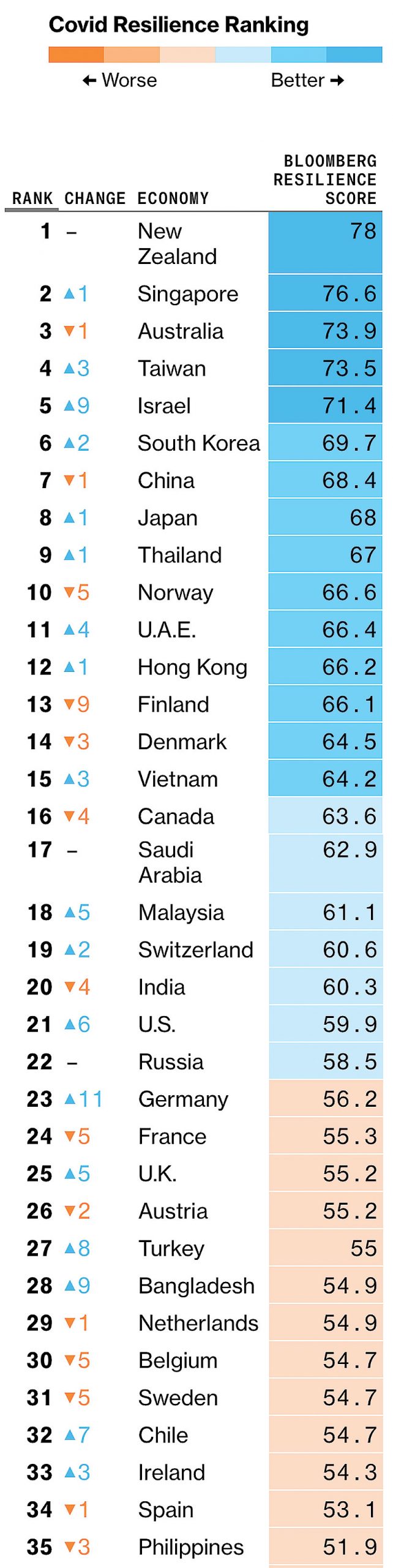
We are seriously handicapped, as shown by our poor scores in an independent assessment of 53 major economies’ resiliency in COVID mitigation. Therefore, if Secretary Galvez’ warning comes to pass in mid-year, and that is barely one month and a half away, we could be in deep trouble.

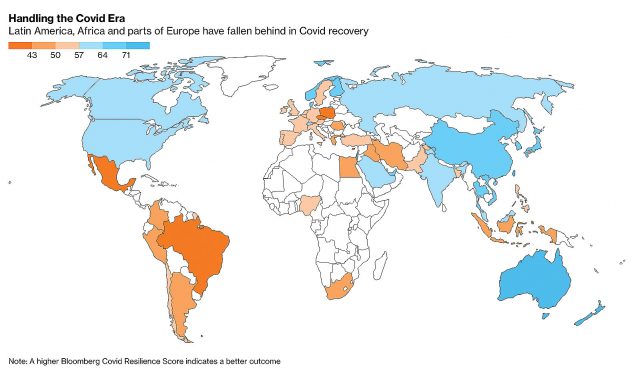
Bloomberg’s COVID Resilience Score paints the global map from orange to light orange, signifying relatively weak ability in COVID management; and light blue to blue, the marker for relatively reasonable level of COVID management.

The Philippines is in the light orange group, 35th in a field of 53 major economies with a score of 51.9. Last February, the country was ranked higher at 32nd. New Zealand, Singapore and Australia stood as the strongest in containing COVID with a score of nearly 74 and above.

Scores are based on two general criteria, namely COVID status and quality of life, each with sub-components including vaccine coverage for COVID status, and lockdown severity, community mobility and GDP forecast for quality of life. We had more light blues in COVID status while more oranges marked our quality of life. With sustained increase in infection and limited vaccine rollout, our lockdown was severe and prolonged while community mobility was limited.

How is global vaccine rollout doing?

Bloomberg tracks this down, too. As of April 14, 2021, more than 814 million jabs have been given across 152 countries, or only 5% of the global population.

What is sobering here is Bloomberg’s somber analysis: “None of these shots, on its own, is enough to inoculate a global population of some 7.8 billion people. But together they represent humanity’s best chance of ending a scourge that has claimed more than 2.6 million lives and triggered global economic calamity.”

In the US, some 192 million doses have been administered. China and India, the world’s most populous nations are catching up with 172 million and 111 million, respectively. While the US record translates to 30% of its people, China and India’s efforts were good enough to cover only 6% and 4% of their huge populations. These three vaccine frontrunners could inoculate their citizens at a rate of between 3.4 to 4.2 million doses a day.

While the wealthiest 27 countries account for 39% of all administered vaccines, they only constitute 11% of the global population. Access to vaccines cannot be more uneven than that.

In Southeast Asia, Indonesia tops with 15.91 million doses covering only 3% of its equally huge population. Singapore, Myanmar, Malaysia, Thailand, and Vietnam have rolled out their vaccines but the coverage has remained undeniably low. Vietnam’s success in virus control reduces vaccination to a supplemental protection. Its public health readiness and facilities are just excellent even as it locked down its territory and economy at the beginning of the pandemic early last year.

In the case of the Philippines, some 923,000 doses have been launched covering 0.4% of its 108 million people. This performance is just comparable to the US’ state of Idaho with almost 922,000 doses to protect nearly 27% of its population.

The other revealing statistics from Bloomberg, sourced from Johns Hopkins University, is the effect of vaccine rollout on mortality trends.

For the frontrunners in administering vaccines — Israel, the United Arab Emirates, the UK, and the US — the chart here is quite clear that once the vaccines came on stream at the beginning of 2021, COVID cases have declined. In the US, with the dramatic drop in the number of deaths, some states have eased on the use of face masks. Schools have reopened along with restaurants and cinemas.

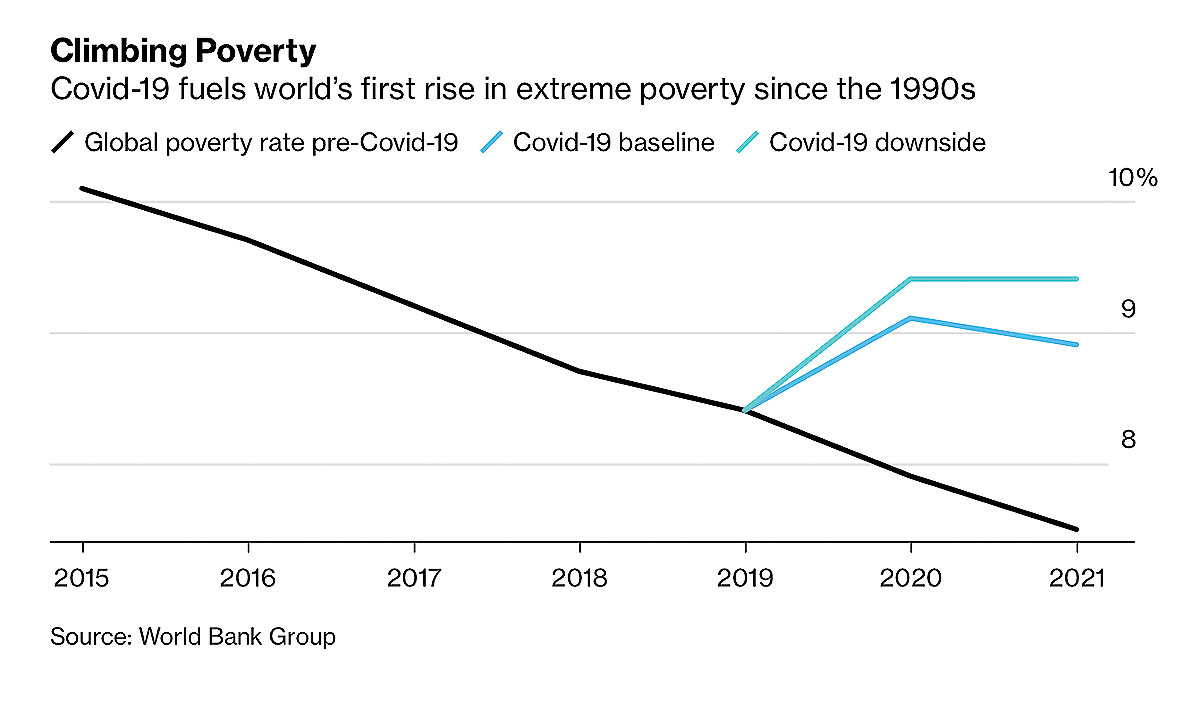
The Bloomberg assessment also included some good reference to the World Bank’s study that extreme poverty has been on the decline since the 1990s. However, the pandemic pushed this up for the first time in 2020. This is expected to continue in 2021.

This was also the thrust of the latest blog from the IMF released last Wednesday. Alfred Kammer, director of the Fund’s European Department, correctly pointed out that while Europe suffered another COVID upsurge, the rollout of safe and effective vaccines proved crucial. Industrial production is slowly reviving even as services continue to shrink because of limited mobility. The Fund expects pre-pandemic growth could be restored next year.

All up, global eyes continue to be on the virus mutations and weakness in vaccine administration. The global implication is that vaccine production and logistics should be stepped up even as some countries are about to achieve their herd immunity goal in a few months. This might as well be Europe’s singular contribution to the infected world.

Secretary Galvez’ warning about another upsurge in the Philippines by the middle of the year makes it imperative for the Government to intensify our health protocols and accelerate the launch of any available vaccine.

Should lockdown be re-imposed, our health authorities might as well use this timeout to once and for all make testing cheap or, better still, free; tracing automated; isolation facilities expanded in areas accessible to people. Contracting COVID in the Philippines is like being meted with a death sentence or condemned to bankruptcy. And, yes, we are not quite out of the woods yet so these basic steps that we should have taken last year will have to be done again. That should enable us to go into selective lockdowns with a manageable economic fallout. This is one clear lesson of 2020.

Bloomberg’s survey should always resonate with our authorities; that they need to bone up on sustaining policy support to economic recovery especially once the vaccines are out in a big way to reduce the nation’s vulnerability to the virus. Job retention worked wonders for small business and the labor sector and their families so this can be considered again in public intervention policy. The Fund would call this a fiscal booster shot. Monetary policy cannot be more useful now that it is running out of its ammunition as inflation gathers momentum.

The risks are deeper economic scarring and more voluntary quarantine. For many countries, Bloomberg observed widespread hesitation to get the jabs. If anything, its narrative teaches that success in COVID mitigation with the least disruption appears to rely less on forced compliance and more on governments fostering a high degree of trust. Therefore, we need better articulation of public health policy and a clearer roadmap ahead to inspire public ownership and cooperation. New Zealand implements a four-level alert system that walks people through several steps in case of another outbreak.

Without doubt, a bounce back can be inspired with smarter use of whatever time is in our hands. Secretary Galvez’ warning leaves us with no other option but to act now.


Diwa C. Guinigundo is the former Deputy Governor for the Monetary and Economics Sector, the Bangko Sentral ng Pilipinas (BSP). He served the BSP for 41 years. In 2001-2003, he was Alternate Executive Director at the International Monetary Fund in Washington, DC. He is the senior pastor of the Fullness of Christ International Ministries in Mandaluyong.


Vaccine-plus vacuity

RAWPIXEL.COMN/FREEPIK

A lethal mix of government ineptitude, economic need and insufficient information has made the Philippines the country with the most number of COVID-19 cases in Southeast Asia.

As of Wednesday, April 14, nearly 900,000 men, women, and children and even entire families had been afflicted with the disease. That number — most of it from the National Capital Region (NCR) and surrounding provinces — could reach the one million mark, or nearly 1% of the country’s over 100 million population by the end of the month.

Should the trend continue, the country’s less than adequate health system, already severely challenged by shortfalls in hospital beds and other facilities as well as supplies and personnel, could totally collapse as doctors, nurses, and other medical frontliners are exhausted beyond human endurance, or even catch the contagion themselves.

And yet the NCR, Bulacan, Cavite, Laguna and Rizal had been under Enhanced Community Quarantine (ECQ) lockdown from March 29 to April 11 after the number of daily infections surged as a result of the reopening of cinemas and other public places and the easing of domestic and international travel. Some businesses and companies were operating despite the ECQ, and their workers commuting daily to and from their places of employment mostly via jeepneys, buses, and municipal train services such as the MRT and LRT. In the process these conveyances were helping spread the coronavirus in workplaces and in employee homes. Oddly enough, however, it was individual motorists and motorcyclists rather than jeepneys and buses the police were monitoring and stopping at their checkpoints. The NCR-plus “bubbles” being placed under “modified” ECQ despite the continuing surge in cases has been opposed by health experts, but was nevertheless implemented last Monday, April 12.

Only those engaged in such enterprises as providing food and medicine were supposed to be at work during the ECQ, although one barangay dolt thought that delivering rice porridge (lugaw) is not in that category. Millions of other workers in “non-essential” industries and those that have permanently shut down have lost their jobs and sources of income. Government financial aid — ayuda — is supposed to temporarily meet their families’ needs. But only a few hundred thousands have so far received the P1,000 to P4,000 promised, while the usual bureaucratic red tape — depending upon the local government unit it could mean requiring ID cards and other papers — has made the process of getting that paltry amount as difficult as pulling teeth.

Long lines stretching for blocks are among its consequences, and together with it the increased chances of catching and transmitting the infection among those waiting for hours or being made to make two or more trips to the local barangay hall. Although some local government units are distributing financial aid from house to house, the more enterprising are also distributing ayuda in kind — a kilo or two of rice, sardines and instant noodles are the usual components — despite their constituencies’ preference for cash.

The same bureaucratic maze characterizes the vaccination program President Rodrigo Duterte has been saying since a year ago is the only thing that could end the pandemic. In some jurisdictions only those with voter IDs and/or proof that one is a resident of the locality can register in their vaccination programs. Those requirements negate the strategic goal of immunizing as many as possible, to achieve which anyone, whether voter or local resident, should be given the vaccine, subject only to such medical safety protocols as looking into pre-existing ailments, allergies, etc., which already delay the process.

However, because the Duterte regime did not act quickly enough in ordering vaccines, and earlier even limited its sources to China’s pharmaceutical companies, the country has run out of AstraZeneca doses while still awaiting others. Only China’s Sinovac vaccine is still available. The Department of Health had earlier proscribed it for use on senior citizens, but last week announced that it can now be administered to those 60 years old and above on the specious argument that any vaccine, whatever the risks, is better than none.

Meanwhile, although it has not been tested and registered for humans, the Philippine Food and Drug Administration (FDA) has approved the use in one hospital of the anti-parasitic veterinary drug Ivermectin despite a standing order from Mr. Duterte for the police to arrest those who supply the drug for human use, and the Department of Health threat to cancel the professional licenses of doctors who prescribe it for their patients.

The confusion arising from this policy chaos fans the anti-vaccination reservations and skepticism already rampant among large segments of the population, and makes convincing those who fear suffering from the side effects of certain vaccines even more problematic. It helps make more difficult achieving the goal of vaccinating 70 million out of the country’s 100 million-plus population so as to achieve the herd immunity that is bringing people’s lives back to normal and reviving the economy in other countries.

Testing 20% of the population as those other countries have done could ease the contagion, but the Inter-Agency Task Force for the Management of Emerging Infectious Diseases (IATF-EID) charged with combating the pandemic has not made it a priority and instead insists on lockdowns regardless of their limitations in cutting the spread of the infection.

Despite its reliance on lockdowns, the Duterte administration has time and again declared that the surviving business companies’ resuming operations is essential in reviving the economy, halting its contraction, and curbing the recession. Breadwinners also want to keep working or to get back to work even if they have not been vaccinated, and despite the government ayuda that in the context of the continuing increase in the prices of food and other needs amounts to only a few drops in the vast ocean of cash the average Filipino family of six needs to survive.

Among other consequences, the current state of affairs is further encouraging the fatalism and the “God will take care of it” perspective that social psychologists have long noted as characteristic of Philippine feudal society. It is all too evident in the “things will take care of themselves” (bahala na) attitude of the poorest and most oppressed classes and even among the less desperate, and their assumption that everything — whether the pandemic, poverty, corruption or bad government — is God’s will and beyond human capacity to understand.

But the fear and desperation are also morphing into anger and such demands for change even from some Duterte allies as the disbandment of the IATF-EID and its replacement by a body of doctors, epidemiologists, and other health experts as members. There are also the beginnings of a call for Mr. Duterte to give way to the leadership of Vice-President Maria Leonor “Leni” Robredo.

Change is the one thing the dynastic rulers of this country have always opposed while claiming to be for it. It was nevertheless what then candidate for President Rodrigo Duterte offered in 2016 to a people disillusioned by an endless succession of false leaders. Good government was what 16 million voters thought was forthcoming when he assumed the country’s highest elective office, but what the country has since been getting is the exact opposite. The vacuum in leadership, competence and moral and intellectual gravity in government in the last five years and during the present crisis is once more demonstrating that just like the promises of his predecessors, his own are nothing more than words without meaning, and gestures without substance.


Luis V. Teodoro is on Facebook and Twitter (@luisteodoro).

www.luisteodoro.com

Emerging markets: The post-pandemic promise

FREEPIK

A YEAR has now passed since the correction of March 2020, as markets first appreciated the implications of a global pandemic. The last 12 months have seen more disruption than entire decades in ordinary times. Emerging markets, led by Asia, have remained relatively resilient, having successfully adapted to or suppressed the virus. By contrast, a return to economic normality in the West is dependent almost wholly on vaccines. While we are seeing rapid progress with vaccinations in the United States and United Kingdom, Europe remains far behind amid continued lockdowns and economic stagnation.

A YEAR ON
Looking back on our prior outlooks, we highlight some key points:

• At the early stages of the pandemic, we emphasized China’s resilience — borne of drastic policy measures — which suggested even at an early stage that of large economies, China could ultimately be among the least affected by COVID-19.

• We saw far greater risks associated with demand destruction in the West and related liquidity and corporate stress driving a deflationary shock.

• While the massive monetary and fiscal packages unveiled in developed markets globally were greeted with optimism, we harbored doubts whether this would translate into the V-shaped recovery we expected in China.

• This caution hinged on whether developed markets would be able to replicate several factors shown to successfully drive containment. These included decisive policymaking paired with effective execution, economic resilience supported by digitalization, and social cohesion.

THE WORLD TODAY
Many countries in the West failed on the factors outlined above, albeit the extent to which we would see divergence with the more successful emerging Asian economies has taken us by surprise. This gulf in performance was evident across health outcomes, economic impact, partisan politics, and social unrest — in turn, reinforcing the spread of the virus.

With continued weakness in developed markets, we have seen a continuance of unprecedented fiscal and monetary stimulus. In the United States, the long-term implications for debt service, incipient inflation and currency debasement remain unaddressed. In Europe, the longer lockdowns are extended, the greater the risk that temporary economic weakness translates into structural stagnation.

We continue to hold our views of a year ago, and believe the structural underpinnings of emerging markets’ resilience have been evidenced by the stark contrast with developed markets over this period.

CHINA
It is striking that while China was the only major economy to show reasonable growth during 2020, and with an ongoing strong recovery, policymakers have set a more cautious growth target for 2021 of 6% against International Monetary Fund forecasts of 8%. In addition, for the first time, no longer-term average growth target was set. This was paired with greater emphasis on environmental and social reforms and new clean technologies — a “greening” of the economy. These measures signal the government’s broader push to a more sustainable and higher quality of growth for the long term.

China’s fiscal and monetary stimulus during the pandemic was far more measured than in the West; previous periods of overheating in real estate and shadow lending have driven an innate caution. We are now accordingly seeing a greater balance in China between economic recovery and policy leeway — a “Goldilocks” environment in which the government has greater flexibility to respond to economic developments. With any slowing of the economy, we wouldn’t be surprised to see policy loosening.

We believe we’ve passed the nadir in China-US relations, though tensions will remain elevated. After years of aggressive trade policy, the US trade deficit continues to reach all-time highs. Rather than a futile focus on trade, we believe the United States would benefit more from domestic reforms, infrastructure investment, and advancing digitization in its economy.

PORTFOLIO IMPLICATIONS
The concept of a world-leading emerging-market company has evolved from an aspiration to a reality over the last decade — a trend reinforced during the pandemic.

Taiwanese and South Korean semiconductor firms dominate the global industry with their strong manufacturing capabilities, especially in cutting-edge semiconductor chips. Moreover, their clout has generated the cash for them to ramp up investments and widen their competitive advantages amid booming demand for chips from high-performance computing, bitcoin, auto, and other businesses. By comparison, Western semiconductor firms have struggled to keep up, whether in innovation or capital expenditure.

South Korean companies have also spearheaded the development of electric vehicle batteries, which have achieved greater penetration worldwide on the back of policy support and technology advancements. In China, biotechnology firms are developing innovative treatments for cancer and other major diseases and have won the confidence of global pharmaceutical groups in licensing these new drugs. India’s internet space, which has been under-represented in stock markets, also offers huge potential, in our view.

Taken together, evidence of emerging market companies scaling the value chain has increased, and we see durable growth characteristics in many of these firms. We expect a rising number of high-quality companies to emerge as various industries continue to develop and consolidate.

From the height of the pandemic through to the current early stage of recovery, our conviction in the growing structural advantages of emerging markets, led by key Asian economies, has only strengthened as the evidence has accumulated. Exemplifying this post COVID-19, China is now on track to become the world’s largest economy before the end of the decade. We believe this trend, which the COVID-19-led divide in performance over the last year reinforced, will continue to have positive implications for portfolio allocations to emerging markets, led by China, for years to come. 


Manraj Sekhon is the CIO of Franklin Templeton Emerging Markets Equity.

How Bernie Madoff fooled the world

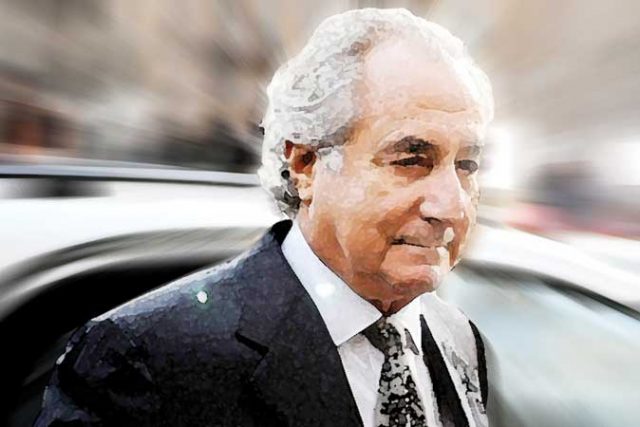
BERNARD MADOFF has gone to meet his maker, but we have not heard the last of him. Like Charles Ponzi before him, his name has already become part of the financial lexicon, shorthand for how financiers can exploit human nature for profit.

Ponzi, with a plan involving airmail stamps, gave his name to investment plans that pay old investors with money they take in from new investors, and do not make the underlying investments that they claim. Sadly, there have been plenty more such schemes since Ponzi died in 1949, many of which came to light like Madoff’s in the wake of the financial crisis of 2008. But Madoff took the Ponzi concept to extremes nobody had previously thought possible. The news that he had been arrested and charged with running a Ponzi scheme then estimated to be worth $65 billion was one of the greatest of all the shocks of 2008. Across the world of finance the reaction was the same when the news hit screens: “How is this even possible?”

More than a decade later, we can begin to see the secrets of Madoff’s success. As he departs, we should all understand the key principles that allowed him to get away with what he did for so long:

• He was disciplined. The scheme was internally consistent, records were kept, clients received fictitious statements on a regular basis, and those who wanted to withdraw cash received it promptly. Close examination of those statements might have raised concerns but he also worked out how not to raise such alarm;

• Consistency was his distinction, rather than anything spectacular. Everyone knows the cliche that if something looks too good to be true, it probably is. Judged in its totality, Madoff’s investment record was far too good to be true. But no one year ever looked that great. He simply continued compounding his “gains” at a rate of 10% or thereabouts, year after year. He never claimed to do better, even if the market was up 20%. It was only after he had been operating for many years that statisticians could call foul. His very consistency eventually became statistically impossible to believe, but each individual year, in itself, was perfectly plausible;

• He understood that conservative people can be conned by the right kind of trickster, and not just the greedy hoping to make a fast buck. Madoffs’ victims weren’t in many cases wildly greedy, or star struck by some improbable way to make money in a hurry. They saw investing with Madoff as a trustworthy and conservative way to ensure that their savings would gain steadily;

• Exclusivity will help you sell anything to anyone. Madoff did not advertise his scheme. And he had a well-practiced schtick of telling friends who asked if they could buy into his funds that they were full and that there was nothing he could do for them — only to relent and say that he could find a way in for them. In such circumstances, people feel privileged to be allowed in and perceive something special in what they are buying. It is almost a virtue that your fund is not regulated and lacks transparency. A decade later, alternative assets such as hedge funds and private equity continue to benefit from this;

• You don’t even need a great story to persuade people to invest with you. On the rare occasions that Madoff talked about his investing strategy in public, he was almost comically imprecise. Replicating his results was impossible; but as he hadn’t told people enough to try to replicate them, he could avoid detection;

Utter ruthlessness and a sociopathic lack of any concern for others make crime much easier. Madoff deliberately targeted charities and his own religious groups. He stole from his friends. A practicing Orthodox Jew, he stole from his fellow congregants and ransacked the endowment of Yeshiva University, one of the central institutions of the US Orthodox community, where he was the chairman of the board of trustees. One of his own sons was driven to suicide. Cynicism on such a scale is hard for most of us to imagine. In a version of Josef Goebbels’ “big lie,” the more he became involved as a philanthropist, the harder it became to believe that he was stealing from those philanthropies;

• A position in the establishment is great cover. Madoff ran a brokerage, and rose to be chairman of Nasdaq.

Beyond these points, many red flags should have been obvious at the time. His numbers were audited by an accounting firm with only three employees. Several whistle-blowers pointed out that his numbers were too good to be true, but assumed that he was engaged in insider trading, front running, or money laundering, rather than making up his numbers out of thin air.

Gossip that he was up to something was widespread on Wall Street. Several banks wouldn’t touch him. Journalists were sniffing around and Barron’s, one of the most influential voices on Wall Street, had run a piece questioning his numbers as early as 2001. But Madoff’s scheme was so well conceived and organized that he carried on as ever.

Regulatory changes in the wake of Madoff have been minimal. And so perhaps the most sobering thought as he leaves is that without the once-in-a-century crisis of 2008 he might well have died without ever being detected.

BLOOMBERG OPINION

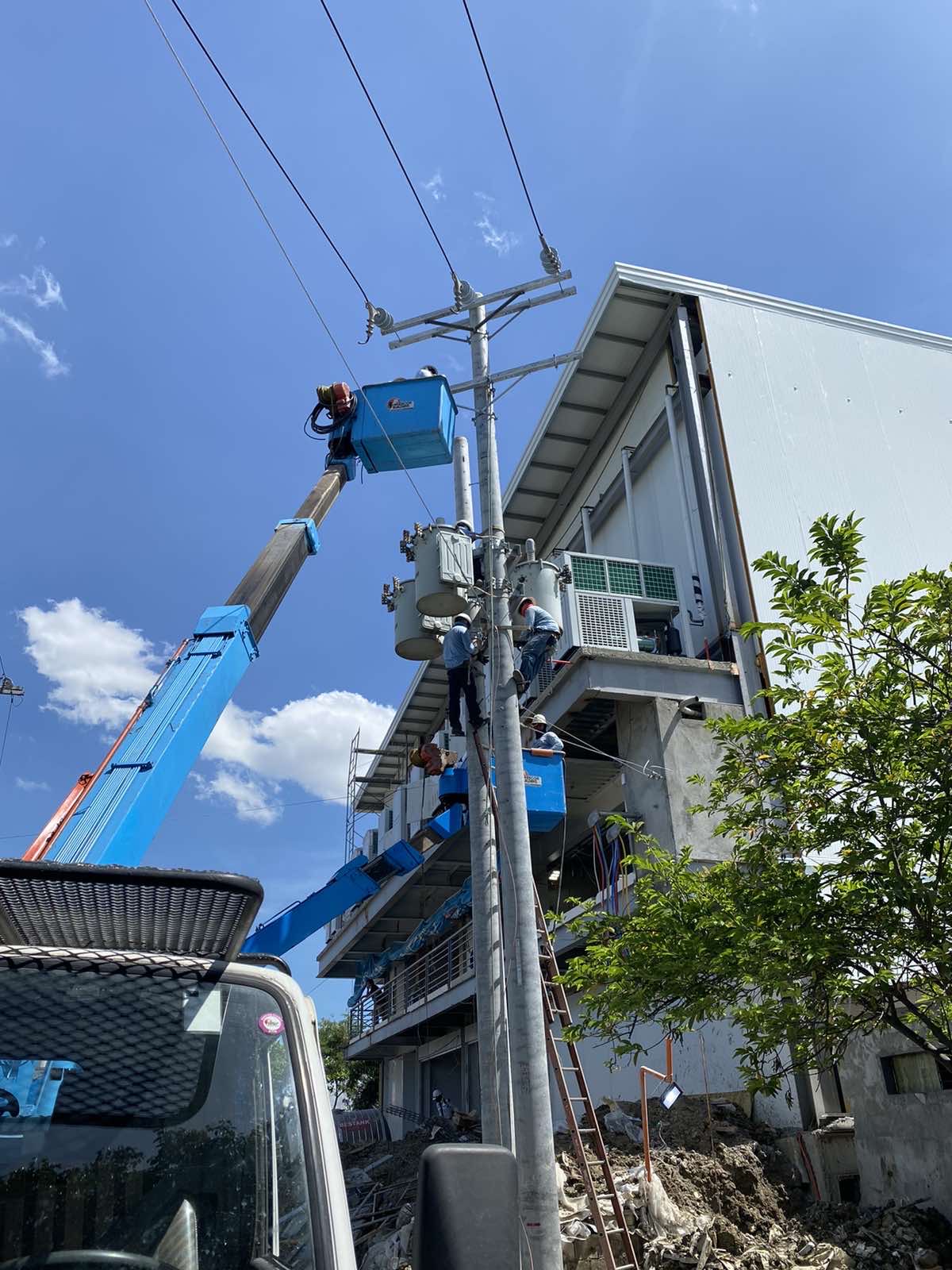
New Covid-19 vaccine storage facility energized by Meralco

Meralco energizes a new COVID-19 vaccine storage facility located at Flamingo Street, New Marikina Subdivision, Barangay Sta. Elena, Marikina City. The project involves the installation of 15-meter and tandem 13.5-meter concrete poles, three (3) 167-kVA distribution transformers, service drop, and metering facility, and extension of three (3) spans of covered overhead conductor. This new,privately-owned facility will be used to store the AstraZeneca, Sinovac, Moderna, and Pfizer COVID-19 vaccines purchased by the government. In line with the company’s thrust to assist the government and the private sector in its continued fight against the COVID-19 pandemic, vital COVID-19 facilities such as these located in the Meralco franchise area are given the highest priority in terms of providing a safe, adequate, and reliable supply of electricity.  To date, more than 95 vital COVID-19 facilities have already been energized by Meralco and these include government offices, hospitals, testing laboratories, quarantine and vaccination centers, and vaccine storage facilities.