Home Blog Page 7752

Aussie ‘Terminator’ takes gold on pool duel with US’ Ledecky

TOKYO — The great pool rivalry between Australia and the US passed to a new generation on Monday when a 20-year-old known as “Terminator” hunted down the US dominator of women’s distance swimming in a dramatic 400m freestyle final in Tokyo.

Australian Ariarne Titmus clawed back Stanford graduate Katie Ledecky’s early lead to win gold, delaying the American’s quest for the three more gold medals that would make her the most successful female Olympic swimmer of all time.

“I can’t believe it, I’m trying to contain my emotions,” said Titmus, who praised her rival for raising the bar in the sport.

“I thanked her, I wouldn’t be here without her. She set this incredible standard. All credit to her for the swimmer she is.”

Team USA got their victory in the 4x100m men’s relay, beating Italy by more than a second with Australia taking the bronze.

British swimmer Adam Peaty roared with pride after he became the first Olympic swimmer to defend an Olympic title with a gold medal in the 100m breaststroke. Canadian Maggie MacNeil stormed to victory in a close women’s 100m butterfly.

The high-stakes swimming finals, staged in the morning in Tokyo to reach prime-time American television viewers, were held in a nearly empty aquatic center with spectators banned because of coronavirus disease 2019 (COVID-19) restrictions.

The loud cheers of one fan, however, were heard across the world when video footage of Titmus’ coach Dean Boxall headbanging and dancing in the stands became a focus for National Broadcasting Company (NBC) commentators and went viral, making him an instant Games meme. — Reuters

Chery Tiggo returns to winning ways, beats Perlas 

Jaja Santiago and the Chery Tiggo Crossovers bounced back from a loss in their previous game by defeating the Perlas Spikers in straight sets in PVL Open Conference action on Monday. (PVL Media Bureau) 

The Chery Tiggo Crossovers swung back to winning in the Premier Volleyball League Open Conference on Monday after defeating the Perlas Spikers in three sets, 25-10, 27-25, 25-23, in action held at the PCV Socio-Civic Cultural Center in Bacarra, Ilocos Norte. 

Dealt their first defeat last time around, the Crossovers made sure they would not fall in consecutive matches by staying the course amid the tough challenge presented by the Spikers. 

Jaja Santiago led Chery Tiggo in the win with 15 points, 11 coming from kills. Shaya Adorador added 12 points of her own while Dindin Santiago-Manabat and Arriane Layug chipped in eight and seven points, respectively. 

The Crossovers had their way in the opening set but were made to sweat by Perlas in the next two sets, with the second extended. 

Amid the challenge by the Spikers though, Chery Tiggo showed composure and resilience to hold off its opponent en route to the victory. 

“Definitely, I’m happy. A win is a win,” said Chery Tiggo coach Aaron Velez post-game. “But there’s a lot of work to do and we can’t relax.” 

The win took the Crossovers to a 3-1 record, solo third in the ongoing Open Conference. 

For Perlas, which dropped to a second straight defeat in as many matches, it was Sue Roces and Nicole Tiamzon who led the way with 11 points apiece. 

Chery Tiggo next plays on Wednesday against the Sta. Lucia Lady Realtors while Perlas takes on the Cignal HD Spikers on Thursday. —Michael Angelo S. Murillo

Lady Aces, Glow Boosters weekend winners at the WNBL

THE Parañaque Lady Aces and Glutagence Glow Boosters (in photo) were winners in weekend action of the Women’s National Basketball League. — WNBL

THE Parañaque Lady Aces and Glutagence Glow Boosters were winners in weekend action of the Women’s National Basketball League (WNBL) at the Bren Z. Guiao Convention Center in San Fernando, Pampanga.

Parañaque defeated the Pacific Water Queens, 85-56, in their game on Sunday, July 25, while Glutagence beat the Quezon Lady SparTAN, 75-60, the previous day.

Allana Lim took the lead role for the Lady Aces as she scored 18 points and grabbed 10 rebounds in their debut game in the first professional season of the WNBL.

Ms. Lim, the 2012 University Athletic Association of the Philippines most valuable player out of Far Eastern University, scored 12 of her total points in the opening half that saw them build a comfortable 41-24 advantage at the break. They did not look back from there.

Jhenn Angeles and Angeli Gloriani backstopped Ms. Lim with 12 and 11 points, respectively.

For the Queens, who dropped to their second defeat in as many matches, it was Snow Peñaranda who showed the way with 19 points and 12 rebounds.

Meanwhile, Glutagence kept its record spotless by notching its second straight win in as many matches at the expense of Quezon.

The Glow Boosters picked things up in the fourth canto, outscoring the Lady SparTAN, 26-6, to overturn a five-point deficit, 49-54, entering the payoff quarter, and creating separation from which the latter could not recover from.

Raiza Palmera-Dy led Glutagence anew in the win, tallying 22 points, nine rebounds, eight assists and two steals.

Micah Figuracion (13 points), Khate Castillo (12) and Carol Sangalang (8) also stepped up for the Glow Boosters.

Kristine Duran made 12 points and Dianne Ventura had nine points for Quezon.

WNBL action resumes on the weekend of July 31 and Aug. 1 which will see the Taguig Lady Generals making their debut and playing consecutive games against the Lady SparTAN and Pacific Water Queens, in that order. — MASM

Where to, workforce?

VECTOR JUICE-FREEPIK

If we were still of that age, when droves of students write up their CVs and send out resumes, we would be very worried. One, where do you apply for work? In my younger days, schools would send your names to prospective employers (like hotels as I took Hotel and Restaurant Management) and, with luck, you may land a job easily.

These days, the young are scared of getting sick, of working in a real office where they may get the virus, and instead may look for work online as virtual assistants, artists, or writers.

For the past 16 months, I have hired people for their talent, not for their educational background. We work virtually and I do not even ask from where or when they graduated. Mostly, referrals work — from friends who know exactly the service or work assistance I need — tech, artists, writers, and even social media teams.

So, where do our K-12 graduates go to seek employment?

THE INDOOR OFFICE
Online seems to be the answer.

1. It is safe. You need not go to a physical office but can get paid just the same.

2. It is practical. You need no uniforms or lunchboxes.

3. It is rewarding. People pay virtual assistants and employees who render service albeit virtually.

What about those who wish to work in QSRs (fast food places), coffee shops, and other food establishments? I am afraid that would be increased exposure to the elements.

Like water seeking its own level, the workforce, especially the younger new graduates of K-12 or those who even are in the middle of school, will tend to look at employment that’s safer and more practical. More people will want to work from home, and learn new skills that can make them employable, such as training from the Technical Education and Skills Development Authority (TESDA) and other tech-voc institutions. TESDA can teach you baking, welding, and even painting — skills which can make you employable in safer spaces.

THE OUTDOOR OFFICE
The other opportunity is in wide open spaces, like farms and gardens. The young can go to the K-12 senior track of Organic Agriculture, Farming, and other skills that bring you to safer open-air spaces for work or employment. K-12 has an Organic Agriculture track and the Department of Agriculture’s Agricultural Training Institute (ATI) has courses in just about anything related to growing food.

This development is going to make the youth go into agriculture or farming, rather than cruise ships and hotels or restaurants. Agriculture or farming are and would be safer than having to commute to the city, looking for a crowded boarding house, and eating bad food.

Our youth must be redirected to think “new normal.” There is wisdom in seeking safer places while being of use in society as a gainfully employed teen — which is the objective of K-12. It is unfortunate that many employers and parents still have not appreciated the merits of the program, which, of course, got eclipsed when college education was recently made free. However, college may not be the best path to employment in this new age. The key is practicality and safety. Where are you best placed? Indoors or online — or outdoors in an open-air environment like gardens and farms?

What are the skills you need to add to your K-12?

1. Online skills are in demand. Coding, STEM, social media marketing, SEO, SEM.

2. Practical skills in agriculture or agri-business. This is the new business idea.

3. Specialty art — painters, graphic artists, etc.

4. Writing — master Filipino or English writing and be a writer or virtual assistant.

There is life after lockdown. There are careers after online classes. But we need to look elsewhere and look away from traditional jobs.

This is the new reality for our youth. Even a college education may not be the best way forward.

And to our legislators and the Department of Education, please coordinate and think of how the K-12 program can be optimized. When we said K-12 graduates could get employed right away, did we tell employers how to employ them?

Maybe employers need a briefing or two on the K-12 program. And a change in mindset may soon be coming to Human Resource practitioners. If their boss or CEO says so. Just like how we explained CSR (corporate social responsibility) at the turn of the millennium, the CEO needs to be apprised of the merits of hiring just graduated K-12 teens. Or change the employment policies of big business. So the youth can find their rightful place to be useful in society.

Otherwise, K-12 may produce more “tambays,” adding to the unemployed statistics and a disillusioned next generation.

If you are a CEO or an HR practitioner, when was the last time you hired a newbie that finished 12th grade? If we must keep the youth busy and productive, we must change the way we formulate and enforce hiring policies in our companies.

At the next job interview, we must give the 12th grade graduate a chance. And maybe hone him or her into a most useful member of the next generation of leaders. Our country will be ruled by the young and keeping the young fearless, versatile, and hungry must be the way to do it.

This article reflects the personal opinion of the author and does not reflect the official stand of the Management Association of the Philippines or MAP.


Chit U. Juan is a member of the MAP Inclusive Growth Committee and the President of the Philippine Coffee Board, Inc.

pujuan29@gmail.com

map@map.org.ph

http://map.org.ph

The world’s cascade of disasters is not a coincidence

MACROVECTOR-FREEPIK

“IT NEVER RAINS, but what it pours,” sang Judy Garland to Mickey Rooney in 1938, memorably describing what happens “if Lady Luck should happen to desert you.”

You stub your toe, ouch,

You hit your elbow, ooh,

You bump your head, ooh.

You step on a tack and you let out a howl.

There’s soap in your eyes and you can’t find a towel.

You try to comb your hair but can’t arrange it,

Spill orange juice on your dress and have to change it.

Then all day long

Everything you touch goes wrong.

“The same thing happens in life,” the song goes on. “But on a very much larger scale.”

Too right. Poor humanity just can’t catch a break these days. No sooner does the COVID-19 pandemic appear to be receding than a new Delta variant sweeps the world, far more contagious than earlier versions of the coronavirus. Simultaneously, there are disastrous floods in Europe’s Rhineland and China’s Henan Province. Huge wildfires rage in Siberia and in Oregon. And in a succession of countries — Afghanistan, Cuba, and Haiti, to name just three — political order threatens to break down.

The idea of a time of troubles — a period when somehow everything goes wrong — is deeply rooted in the human imagination. In the book of Exodus, God inflicts no fewer than 10 plagues on Egypt. He turns the water of the Nile into blood. He sends frogs, then lice, then flies, then a pestilence that kills the livestock, then a plague of festering boils, then a hailstorm, then locusts, and then three days of darkness. He signs off with a disease that kills the first-born children of every Egyptian family — not to mention the first-born calves.

It never rains but it pours.

God had a purpose in plaguing Egypt: to persuade the Pharaoh to release the Israelites from bondage. In our secular age, we seek similar meanings in bad times. The obvious inference from images of cars reduced to flotsam and jetsam by torrential rain in places as far apart as Kreuzberg and Zhengzhou is that we need to get a lot more serious about reducing greenhouse gas emissions. No doubt. But there is more to all this tribulation than that.

Superficially, in the phrase made famous by Lemony Snicket, it’s all just “a series of unfortunate events” — no more than a very nasty coincidence that the latest wave of the pandemic should happen at the same time as so many extreme weather events and a wave of social and political unrest. On closer inspection, however, we can see that there are connections between these disasters — and that they are in fact parts of interlocking trends.

It looks as if the world is bumping up against some kind of ceiling. It appears that, given the constraints of our existing energy technologies, we cannot support much more than our current population of 7.9 billion humans without destabilizing the planet, even though the United Nations projects that we shall get to 10.9 billion by the end of the century. I doubt that. As if to curb our numbers, our technological advances and demographic expansion have created ideal conditions for significant, life-shortening disasters.

It is precisely the expansion of human settlement that has increased the probability of new zoonotic diseases emerging. It is precisely the growth of international air travel that has increased the probability of pandemics. It is precisely the way we have constrained major rivers with dams and rigid banks that has increased the probability of disastrous flooding, quite apart from still-rising carbon dioxide emissions.

This is not to say that we cannot overcome these problems. History suggests that we can. European populations by the 1300s had become rather too large in relation to the basic technologies of that era, at a time when the world’s population was just over 390 million. With most people engaged in subsistence agriculture, it did not take much — a succession of bad years, of bad weather and bad harvests — to render the population highly susceptible to a pandemic of bubonic plague.

The population of England began to decline before the Black Death struck in the 1340s. The combination of climatic disappointments and a novel pathogen led to demographic disaster. The plague then unleashed a kind of cascade, as mass death led to economic and social dislocation, which in turn led to religious and political upheaval.

At this point we move from coincidence to causation. In a vain attempt to ward off further divine retribution, thousands of European men wandered from town to town as flagellants, whipping and scourging themselves in collective acts of expiation. At the same time, in numerous towns — especially in Germany — Christian communities turned on the Jewish minority, whom they blamed for the plague.

The Black Death fundamentally destabilized European society. Drastic population declines led to labor shortages which led, in turn, to attempts by landlords and the state to bind peasants more strictly to the land. In England, these measures ultimately precipitated the Peasants’ Revolt of 1381.

As in our time, plague and war competed to shorten lives. It is not easy to wage war in a time of pandemic, but somehow the English and the French managed. For the next 100 years, the warring kingdoms clashed on land and sea, the efforts to seize territory from one another generally petering out when their armies fell too sick to keep fighting. It was the same story in Italy.

We are not only 700 years ahead of the people of that time. We are countless scientific discoveries ahead of them. Nevertheless, our experience resembles theirs in eerie ways. Waves of pandemic coincide with severe weather. These natural disasters then precipitate economic, social, and political crises.

Predictably, it is some of the world’s weakest states that have been the first to succumb to this kind of contagion. With the US intent on remaking the movie Saigon 1975 in Kabul, Afghanistan is sinking back under the rule of the Taliban, a theocratic regime with a vision of social order that dates back even further than the Black Death.

Cuba, one of the last remaining communist dictatorships of the old type, is teetering on the brink of collapse, deprived of the revenue from tourism that kept its economy afloat and now held together (like its chilly northern European counterpart, Belarus) by brute repression. Haiti, a morass of anarchy and poverty that was barely a polity before, has now descended into complete mayhem following the assassination of its president, Jovenel Moise. Myanmar is on the brink of civil war in the wake of a military coup.

Other poor countries will go the same way. Some 155 million people across 55 countries suffered from acute food shortages or full-blown famine in 2020, according the 2021 Global Report on Food Crises, an increase of 20 million compared with 2019. The Democratic Republic of Congo and Yemen are among the hardest-hit countries. The latest Global Peace Index, published by the Institute for Economics and Peace (IEP), names Azerbaijan, Belarus, Burkina Faso, Honduras, and Zambia as the five “most deteriorated countries” in terms of political stability.

Yet this contagion from pandemic to political chaos is not confined to the most wretched nations of the earth. The IEP estimates that there was a 10% increase in violent demonstrations in 2020 from the year before. Political instability deteriorated in 46 countries.

Not all those countries were dirt poor. Half of all people in Brazil, Mexico, and the Dominican Republic report violence as the greatest risk to safety in their daily lives. Lebanon was once “the envy of the Arab world,” to quote Al Jazeera. But its per capita gross domestic product has fallen by a staggering 40% since 2018, the World Bank estimates, as a result of political paralysis, corruption, and inflation. South Africa is the richest country in sub-Saharan Africa. But more than 200 people died in political violence in KwaZulu-Natal and Gauteng following the imprisonment former President Jacob Zuma.

To an extent not fully appreciated, the US, too, is experiencing unrest and instability. Since the extraordinary wave of protest that followed the murder of George Floyd in Minneapolis last June, there has been a marked increase in urban violence, specifically in the number of homicides, which rose by 25% in 2020. (Data for 2021 are patchy, but in Chicago the 2020 level has thus far been maintained.) At the same time, the deterioration of conditions in Central America has led to surge of new migrants across the southern border.

Superficially — and to the relief of the mainstream media — political normalcy has been restored at the top, in the person of President Joe Biden, who has done his best to make the presidency dull again, after the four years of overexcitement under Donald Trump.

Yet this normalcy is illusory. Trump has not gone away. He remains the front-runner to be the Republican nominee in 2024. He retains an ardent base of supporters. Worse, the weird network of conspiracy theorists — who lean toward Trump politically — continues to deter a significant proportion of the population from getting vaccinated against COVID-19, ensuring that the next wave, brought to you by the Delta variant, will kill tens of thousands.

In a poll published last week, one in five American adults said it was definitely or probably true that “the US government is using the COVID vaccine to microchip the population.” Is there any real difference between such magical thinking and the superstitions that led medieval peasants to flog themselves?

The cascade of disaster is ubiquitous, in other words, as the social and political consequences of the pandemic, the lockdowns and extreme weather play out. Yet we should not deceive ourselves into thinking of 2020 as a strange annus horribilis that abruptly brought all these evils into the world. The trends toward both a pandemic and a crisis of public order were visible well before last year.

COVID-19 was not the first public health emergency caused by a new coronavirus. SARS in 2003 and MERS in 2012 provided the overture to this dance of death. In the same way, the global peace index shows that the rising trend of public protest can be traced back 10 years. The IEP estimates that what it calls “major unrest events” increased by 251% between 2011 and 2019. (Interestingly, the same is not true of either war or homicide, both of which declined globally.)

A new paper published by three economists at the International Monetary Fund identifies a rising frequency of social unrest events since the mid-1980s, with peaks in 1999, 2011, and 2019. As Metodij Hadzi-Vaskov, Samuel Pienknagura and Luca Ricci point out, there is a kind of feedback loop, whereby a major unrest event is associated with a one-percentage-point reduction in GDP six quarters after the event. They cite the yellow-vest protests in France in 2018 and the pro-democracy protests in Hong Kong a year later as examples of the process whereby unruly protests make a country’s economic situation significantly worse.

The most systematic attempt to explain such phenomena is by researchers led by Edward D. Lee at the Santa Fe Institute. Looking at statistics from the Armed Conflict Location & Event Data Project that cover warfare in Africa since 1997, Lee and his team hypothesize a kind of contagion effect. “At each newly infected region,” they write, “conflict becomes endemic, generating instability, news reports, and fatalities.”

What they call “conflict potency” only wanes as distance reduces both the relevance of the original bone of contention and the density of transport infrastructure. They describe the phenomenon of spreading violence as a “conflict avalanche.” I believe we are living through a global version of such an avalanche.

The reason I find this approach so attractive is it captures two important realities about the historical process. First, most states and societies are complex adaptive systems, meaning that the interactions of all the multiple elements are very difficult indeed to model accurately and are characterized by emergent properties and phase transitions. Second, the most important characteristic of human societies is the way social networks cause all kinds of contagion, from the spread of novel pathogens to the dissemination of crazy memes like “anti-vaxx.”

It is not for me to hypothesize what really lay behind the 10 plagues that struck Egypt during the captivity of the Israelites. Suffice to say that this was probably not the first time in human history that a combination of natural and man-made disasters left a whole nation vulnerable to multiple forms of contagion.

In the same way, there were reasons why Judy Garland had days when it didn’t just rain but poured. Addicted to amphetamines and barbiturates from an early age (booze came later), chronically insecure about her appearance, cursed in her love life (she was married five times), nearly always broke, and seriously suicidal on at least two occasions, Garland’s life was one of the great show-business train wrecks.

When Garland stubbed her toe, hit her elbow, and bumped her head, it was not just because Lady Luck had deserted her. In the same way, this cascade of disaster that we are living through is more than just bad luck; it has real and intertwined causes. Small wonder the billionaires have taken to exploring space. What used to be “the final frontier” is fast becoming the ultimate hedge. And at least in space it neither rains — nor pours.

BLOOMBERG OPINION

SONA on business over the last five years

President Rodrigo Roa Duterte (PRRD) will deliver his sixth and last State of the Nation Address (SONA) 2021 hours after I submit this paper to my editor today. So, I can only write and assess his SONA speeches for the last five years, each speech ranging from 10 to 20 pages long.

I focus on some of his pronouncements that help encourage or discourage investments. SONA 2016 was generally constructive, with no attacks on business. But in SONA 2017 to 2020, he inserted implicit and explicit threats to some businesses, as well as an admission of helplessness in fighting corruption.

1. SONA 2016: “We shall also enhance local business environment by addressing bottlenecks in business registration and processing, streamlining investment application process and integration the services of various government offices.”

2. SONA 2017: “we shall put a stop to the extraction and exportation of our mineral resources to foreign nations for processing abroad and importing them back to the Philippines… So, I will increase the taxes… compensate or make up for the damage or at least the income restored. Otherwise, I’ll have to stop mining.”

3. SONA 2018: “Our campaign against Endo has resulted in the regularization of more than 300,000 workers as of early this month… To the mining industry… change [your] management radically because this time you will have restrictive policies. The prohibition of open pit mining is one.”

4. SONA 2019: “When will corruption end? Kailan ba talaga ‘to? Hanggang kailan? (Until when, really? Until when?) Well, I don’t know. I’ve been in — with government for almost 35 years now. I am not singling out myself. It’s the entire gamut of our system.”

5. SONA 2020: “I might just as well close all of you (telcos) and we revert back to the line telephone at kukunin ko ‘yan, expropriate ko sa gobyerno… (I will get them, I will have government expropriate them) How can you now craft a new (water) contract? Because I would insist that you pay the billions and billions that you collected.”

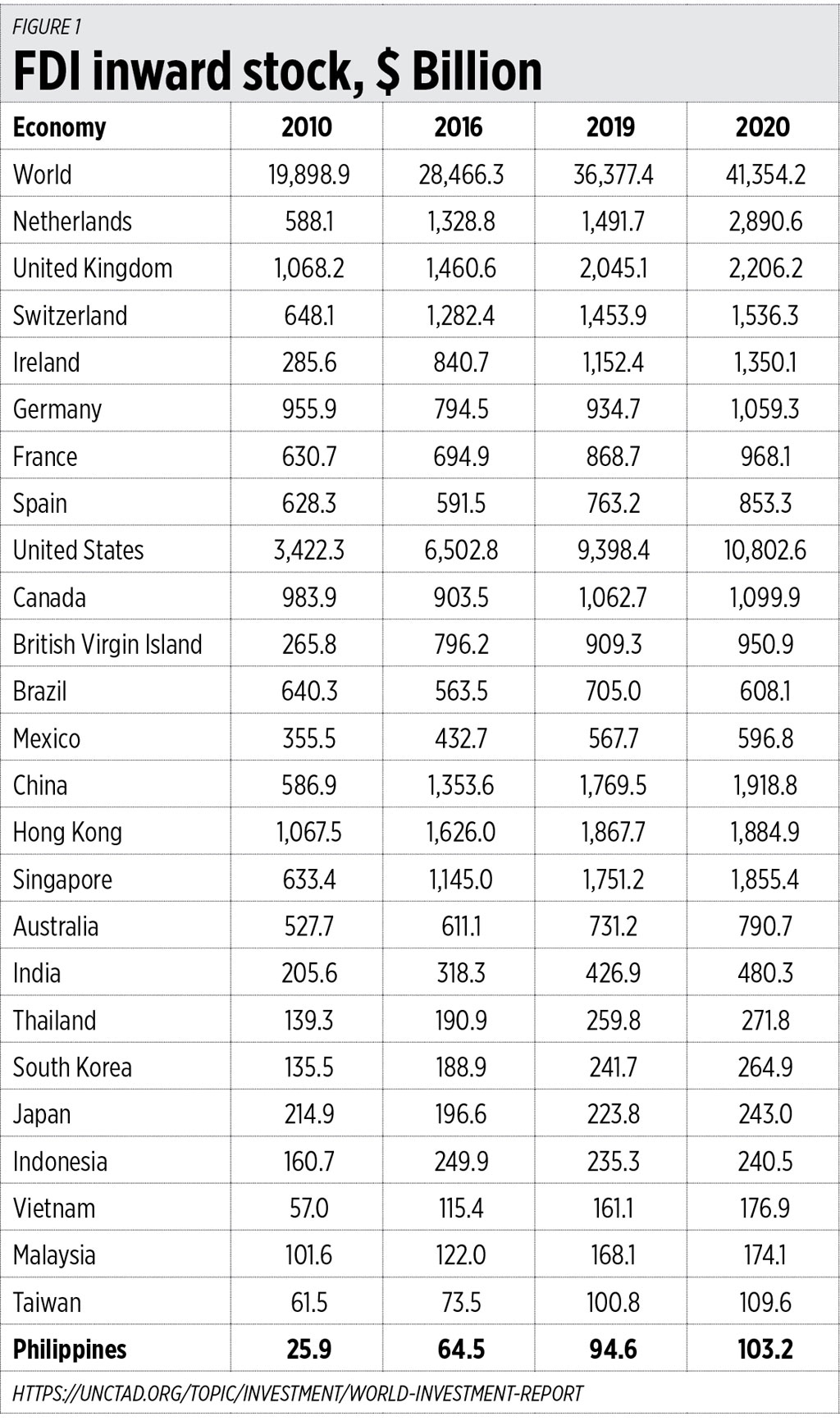
To measure how the Philippines attracts foreign direct investment (FDI) relative to other countries, I will use the UN Conference on Trade and Development (UNCTAD) World Investment Report (WIR) 2021, released last month. I also use FDI inward stock, not annual inflows, because the inward stock reflects the net of inflows less outflows in investments.

Among emerging and developed economies in Asia, the Philippines remains to have the smallest FDI stock. Especially in 2010, the last year of former President Gloria Macapagal Arroyo’s administration, the Philippines’ FDI stock of $26 billion was less than half of Taiwan’s and one-fourth of Malaysia’s.

But in 2016, the last year of former President Benigno Aquino III’s administration, the Philippines’ FDI stock has surged to $64.5 billion and nearly reached Taiwan’s level and was more than one-half of Malaysia’s.

In 2019, three years into the PRRD administration, the momentum of FDI confidence was retained but we have not overtaken Taiwan. Global mobility restrictions in 2020 only slowed down but did not stop expansion of FDI stock worldwide (see Figure 1).

In SONA 2020, PRRD discussed lengthily the impact of COVID-19 and global mobility restrictions. His administration responded with stricter lockdown policies than many countries and he expanded public spending and borrowings.

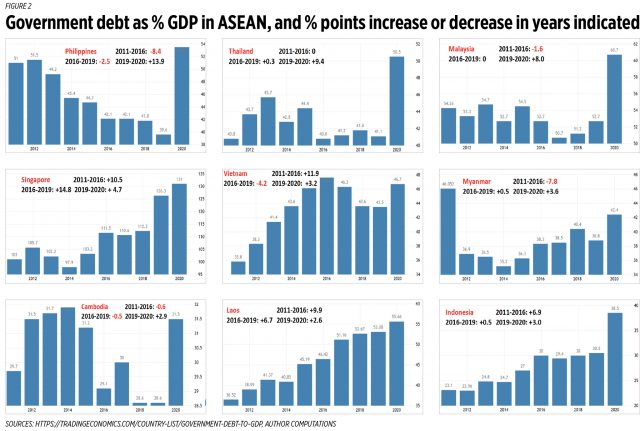
I compared government debt as a percentage of GDP (or Public debt/GDP) in the ASEAN except Brunei. The following trends emerged in changes in percentage points:

• From 2011 to 2016, the Philippines had the biggest drop or decline at -8.4%.

• From 2016 to 2019, the Philippines had the second biggest drop at -2.5%, second to Vietnam’s -4.2%. 

• But from 2019 to 2020, the Philippines had the biggest increase at +13.9%.

Meaning that in the ASEAN, the PRRD administration has fiscally over-reacted and over-borrowed and our Public debt/GDP in 2020 of 53.5% has returned to almost the 2009 level of 54.8% (see Figure 2).

There are three bad omens and threats for Philippine businesses and taxpayers:

One, the numerator — government debt — jumping significantly shows a new age of high fiscal irresponsibility. Unlimited borrowing to continue and let the next administrations worry how to deal with them.

Two, the denominator — the Philippines’ GDP level — was severely smacked down in 2020 by the very restrictive lockdown policies. The GDP contraction of -9.6% in 2020 was the worst for the Philippines since post-World War II, was the deepest in East Asia, and was among the worst in the whole world.

Three, taxpayers will be slammed with new taxes, or higher tax rates, plus higher regulatory fees, fines and penalties, to pay the huge debt obligations, principal plus interest. This will likely start in 2022 after the elections.

There are two ways to mitigate these three threats. One is to relax the lockdown — let Philippine entrepreneurs and workers do more business, then government can collect more tax revenues without resorting to higher borrowings. And, two, resume large-scale privatization of some government corporations and assets, plus downsize some government agencies in manpower and subsidies.

More economic freedom and not more restrictive lockdowns, more privatization and not more taxation, will provide win-win pathways to economic recovery while dealing with the virus.


Bienvenido S. Oplas, Jr. is the Director for Communication and Corporate Affairs, Alas Oplas & Co. CPAs

nonoyoplas@alasoplascpas.com

Where is the back-to-school roadmap?

ROUGHLY TWO MONTHS before the filing of candidacies for the 2022 polls start, we’ve seen presidential and vice-presidential tandems and senatorial lineups fielded. Politicians have made their plans to run for office known. Don’t we wish to see the same clarity, energy, and haste in coming up with a roadmap for the reopening of schools? Classes are set to start in September. Yet students are likely to spend another year attending classes from home despite the challenging remote learning setup.

Is this coming school year any different from the previous one? Are there necessary pivots and improvements on learning systems based on assessments? And when can we safely bring students back inside the classrooms?

A recent Asian Development Bank study stated that global south economies have lost one third of a year’s worth of learning due to school closures and the lack of effectiveness in remote learning. Children from lower-income and disadvantaged families suffer more. They also lose access to public health and social welfare services previously delivered in schools.

Prolonged closures will have a significant reduction on the future productivity and lifetime earning potential. If learning loss is likened to a cancer left untreated, we can expect metastasizing and further decline. Studies show that students who suffer from cognitive learning losses can expect lower lifetime incomes and levels of well-being. Our economy will be at risk of having a less skilled labor force, hampering our growth prospects.

With a vision of accessible quality education for all, we are pushing for the immediate and safe reopening of schools. The price to pay for learning losses will be difficult to carry and will impact the future generation.

In this pandemic-accelerated learning crisis, we can use global evidence and experience to walk us through school reopening.

The Philippine Pediatric Society backed a global study that the reopening of schools has not been associated with an increase in COVID-19 infection rates in the community. When transmission in communities is low, we don’t see spikes of cases in schools. We can also place layers of risk mitigation activities to further reduce school transmission. These interventions include:

• at the home level: personal and household health monitoring;

• at the school level: water, sanitation, hygiene facilities, proper ventilation, universal wearing of face masks, safe distancing, assignment of response personnel;

  at the community level: contact tracing, safe transportation, and testing.

From a systems perspective, we can look to the US-Center for Disease Control and Prevention’s operational considerations for COVID-19 mitigation in low resource and international settings.

These efforts will be complemented by the vaccination program in LGUs. Right now, we see teaching and non-teaching personnel getting their jabs. Not only are they getting individual protection from COVID-19, it also boosts our confidence to restart education.

And what about the Delta variant? Well, so long as we have not reached herd immunity, variants will appear. But education must continue. We know that Delta has a higher transmission rate than other variants because of a mutation in its spike protein. We also know that, as with the rest of COVID-19 variants, it is spread as an aerosol. Therefore, the mitigation activities we stated earlier would work even with Delta.

In saying so, face-to-face classes should already be allowed in areas with low-risk of COVID-19. We even dare say that these operational aspects are already covered by the Department of Education’s and Department of Health’s learning continuity plan. In fact, we are hearing some anecdotes of limited face-to-face classes in some provinces or municipalities. Local government units (LGUs) and families are ready to bring children back to school. The private sector, education institutions, and civil society have expressed their support and readiness for the reopening of schools.

School reopening requires strong political will and follow-through. Parents, schools, LGUs, and some in the bureaucracy have displayed this in the past months. We remain hopeful that our top education decision-makers can muster enough courage to reopen schools.

If politicians can, with conviction, announce plans for the elections this early, then surely it is possible to allow a roadmap for school reopening.


Love Basillote is Executive Director of Philippine Business for Education (PBEd), while Marco de los Reyes is PBEd’s Head of Research and Policy.

Delta variant drives SE Asia’s coronavirus cases to new highs

REUTERS
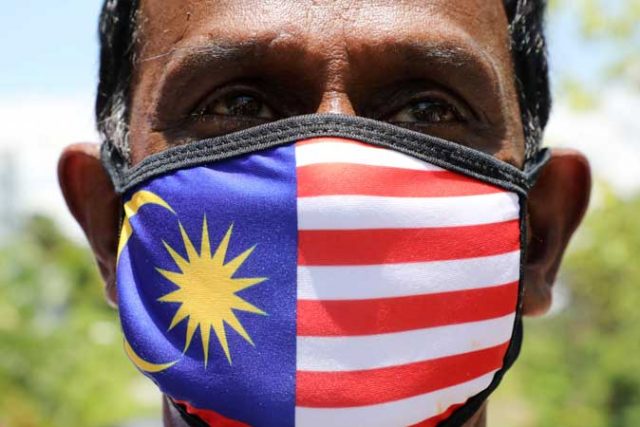
A MAN wears a mask with Malaysia’s flag outside National Palace, Kuala Lumpur in this file photo. — REUTERS

KUALA LUMPUR — Thailand reported a record number of coronavirus cases on Monday, while Malaysia has notched up more than 1 million infections, as the virulent Delta variant carves a deadly path through Southeast Asia — now a global epicenter for the virus.

Thailand had 15,376 new coronavirus cases, a daily record for a second consecutive day in the nation of more than 66 million.

Malaysia, which has one of Southeast Asia’s highest per capita infection rates, reported on Sunday 17,045 new cases, bringing the total to 1,013,438 and nearly 8,000 deaths, despite a being under lockdown since June.

Like many parts of the region of more than 650 million people, Malaysian hospitals and medical staff have borne the brunt of the outbreak amid shortages of beds, ventilators and oxygen.

Thousands of Malaysian contract doctors on Monday staged a walkout over the terms of their employment, though they pledged patients would not be affected by the protest.

The doctors, who want permanent postings, as well as better pay and benefits, said an offer by Prime Minister Muhyiddin Yassin to extend their contracts did not go far enough.

Malaysia’s vaccine rollout, however, has outpaced that of many neighbors, with about 16.9% of its 32 million people fully inoculated.

Thailand’s government last week imposed tighter lockdown measures in the capital, Bangkok, and 12 high-risk provinces, suspending most domestic fights and expanding curfew area.

The Thai central bank has said the wave of infections is expected to reduce gross domestic product in the tourism-dependent country by up to 2% this year.

INDONESIA RELAXING SOME CURBS
Indonesia, the region’s most populous country, with more than 270 million people, has Southeast Asia’s biggest caseload. It has reported more than 3.1 million infections and 83,000 deaths.

Still, amid economic pressures, the government on Sunday announced that although coronavirus curbs would be extended by a week, some measures would be relaxed, including allowing traditional markets and restaurants with outdoor areas to reopen.

Hospitals have been filled with patients in the past month, particularly on the densely populated island of Java and in Bali, but on Sunday President Joko Widodo said infections and hospital occupancy had declined, without specifying by how much.

“The decision doesn’t seem to be related to the pandemic, but to economics,” said Pandu Riono, an epidemiologist at the University of Indonesia, urging people to maintain health protocols.

Indonesia last week reported record-high deaths on four separate days, the last of which was 1,566 fatalities on Friday, bringing cumulative deaths to more than 83,000, as authorities pledged to add more intensive-care units.

After successfully containing the virus for much of the pandemic, Vietnam has been facing a renewed outbreak, with southern business hub Ho Chi Minh City and surrounding provinces accounting for most new infections.

The health ministry reported 7,531 infections on Sunday, down from Saturday’s record daily increase of 7,968.

Myanmar has also seen a surge in infections since June and on Sunday reported 355 deaths, a new record, while daily cases topped 6,000 on Thursday last week.

Medics and people working in the funeral industry there say the actual death toll is far higher, with turmoil since February’s military coup hindering the pandemic response.

In the Philippines, authorities have been scrambling to curb the spread of the Delta variant.

Infections have recently started to rise and authorities this week suspended travel from Malaysia and Thailand, as well as tightened restrictions in the Manila area. — Reuters

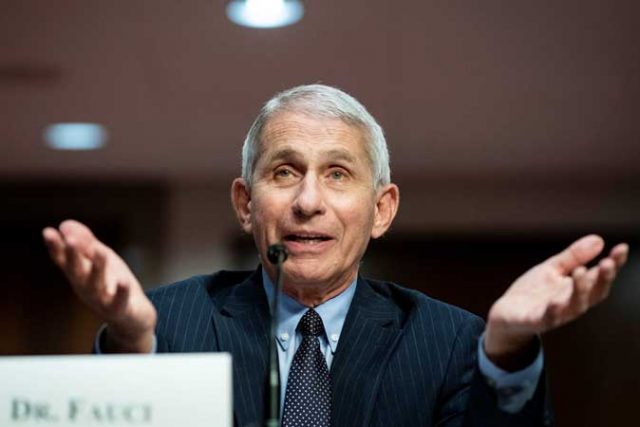
Some Americans could need COVID vaccine booster — Fauci

REUTERS
Top infectious disease official Anthony Fauci said Americans who are immune compromised may end up needing COVID-19 vaccine booster shots. — REUTERS

WASHINGTON — Top infectious disease official Anthony Fauci said on Sunday that Americans who are immune compromised may end up needing COVID-19 vaccine booster shots as the United States deals with increasing cases from the Delta variant of the coronavirus.

“Those who are transplant patients, cancer chemotherapy, auto-immune diseases, that are on immunosuppressant regimens, those are the kind of individuals that if there’s going to be a third booster, which might likely happen, would be among first the vulnerable,” Mr. Fauci said during a CNN interview.

He added health officials are also considering whether to revise mask guidance for vaccinated Americans saying it was “under active consideration.”

Citing studies that show there might be waning immunity in vaccinated people, Fauci said US health officials are reviewing data to determine when boosters might be needed.

“It’s a dynamic situation. It’s a work in progress, it evolves like in so many other areas of the pandemic,” said Mr. Fauci, the director of the National Institute of Allergy and Infectious Diseases. “You’ve got to look at the data.”

Last week, Israel’s health ministry reported a decrease in the effectiveness of the Pfizer vaccine in preventing infections and symptomatic illness. But it added that the two-dose COVID-19 vaccine developed by Pfizer with partner BioNTech still remained highly effective in preventing severe illness.

The decline in efficacy coincided with the spread of the Delta variant, now the dominant strain in Israel.

Israel is administering third doses of the vaccine to immunocompromised people, including those who have had heart, lung, kidney or liver transplants and cancer patients receiving chemotherapy.

The Delta variant, which was first found in India, is driving up infections in the United States.

The sharpest increases in COVID-19 cases are in places with lower vaccination rates. Florida, Texas and Missouri account for 40% of all new cases nationwide, with around one in five of all new US cases occurring in Florida, White House adviser Jeffrey Zients said last week. The US Centers for Disease Control and Prevention (CDC) on Sunday reported an uptick in the number of vaccine doses administered in the past 24 hours — 778,996, the highest number given in a 24-hour period since the United States reported giving 1.16 million doses on July 3.

However, that number is far below the peak of 4.63 million doses reported on April 10 and, despite the rise, the pace of vaccinations is still generally declining, CDC data shows.

Since vaccines became widely available in the spring, President Joe Biden’s White House has been conducting an aggressive campaign to get shots in arms that has been met with skepticism in some states and communities.

White House Chief of Staff Ronald Klain on Sunday hailed the CDC numbers as a sign that vaccinations were picking back up.

Pfizer and BioNTech said on Friday that the United States had purchased 200 million more doses of their vaccine to help with pediatric vaccination as well as possible booster shots. — Reuters

With eye on China, Pentagon chief heads to Southeast Asia

DEFENSE.GOV

FAIRBANKS, Alaska — US Defense Secretary Lloyd Austin will become the first member of President Joseph R. Biden’s cabinet to visit Southeast Asia this week, seeking to emphasize the importance Washington places on fortifying ties in the region while pushing back against China.

The United States has put countering China at the heart of its national security policy for years and the Biden administration has called rivalry with Beijing “the biggest geopolitical test” of this century.

Six months into his presidency, however, Southeast Asian countries are still looking for details of Mr. Biden’s strategy as well as his specific plans for economic, trade and military engagement with the Indo-Pacific.

“You’ll hear me talk a lot about partnerships and the value of partnerships,” Mr. Austin told reporters enroute to Alaska.

“My goal is to strengthen relationships,” he said.

In a keynote speech in Singapore on Tuesday and meetings in Vietnam and the Philippines, Mr. Austin will call out aggressive Chinese behavior in the South China Sea and stress the importance of keeping the wider region free and open.

His trip follows the first visit by US Deputy Secretary of State Wendy Sherman to China on Sunday and Monday and coincide with a trip by Secretary of State Antony Blinken to India, another important partner in US efforts to counter Beijing.

Experts say Austin’s presence is important to make clear that Southeast Asia is a vital component in Mr. Biden’s efforts.

“The administration does understand that this region is critical, so that’s a big part of it: Just showing up,” said Gregory Poling, a senior fellow for Southeast Asia at Washington’s Center for Strategic and International Studies.

An Asian diplomat, speaking on the condition of anonymity, said it appeared the Biden administration was now directing its focus more firmly on Asia after addressing other global issues, such as relations with Russia and Europe.

Mr. Austin had been due to visit the region in June, but was forced to postpone due to COVID-19 restrictions in Singapore.

‘MEAT ON THE BONE’
So far the Biden administration has broadly sought to rally allies and partners to form a united front against what it says are China’s increasingly coercive economic and foreign policies.

One pillar of engagement that has been conspicuously lacking has been on the economic and trade side after Mr. Biden’s predecessor, Donald Trump, withdrew from the Trans Pacific Partnership trade pact in 2017.

The administration has made clear it is in no rush to rejoin such a pact, which critics say would cost American jobs, but has been discussing the possibility of smaller agreements such as on digital trade.

The Pentagon has completed a study of its China policy and Mr. Austin has issued an internal directive calling for several initiatives, but few details have emerged.

The US Navy has maintained a steady pattern of freedom of navigation operations in the South China Sea and near Taiwan but these appear to have done little to discourage Beijing.

Malaysia, Vietnam, the Philippines, Brunei and Taiwan all have rival claims to Beijing’s in the South China Sea and largely welcome a US presence in the face of China’s militarization of the waterway and its vast coastguard and fishing fleet.

Abraham Denmark, a former deputy assistant secretary of defense for East Asia, said Washington was saying “all the right things on competition” with China but there were questions about how it could “translate words into actions and investments.”

It was still unclear “what’s it’s going to look like in terms of our budget, in terms of our force posture, in terms of our investments in diplomacy and infrastructure, really putting meat on the bone,” he said.

Austin’s priority in the Philippines will be progress on renewing an agreement governing the presence of US troops there, which is of vital US strategic interest. A deadline for the pact’s expiration has been extended several times.

Analysts say Mr. Austin will need to strike a balance between stressing the China threat and making clear that Washington sees Southeast Asia as more than just a military theater.

“The emphasis from the region is yes, having the military around is good and welcome, but you need an economic strategy,” the Asian diplomat said. — Reuters

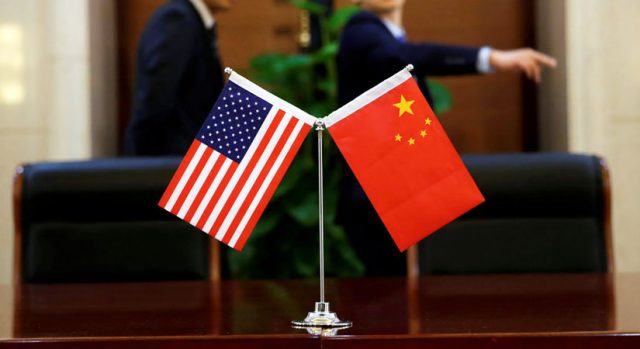
China blames US for ‘stalemate’ in ties as talks begin

REUTERS

BEIJING  China blamed the United States on Monday for a “stalemate” in two-way ties, accusing it of creating an “imaginary enemy,” and setting a confrontational tone during a meeting with US Deputy Secretary of State Wendy Sherman.  

Ms. Sherman, the second-ranked US diplomat, arrived on Sunday for the rare face-to-face talks in the northern city of Tianjin amid worsening relations between the world’s two largest economies.  

“US-China relations are in a standstill and face serious difficulties,” Vice Foreign Minister Xie Feng was quoted as saying during the meeting by state television.  

“The United States wants to reignite the sense of national purpose by establishing China as an ‘imaginary enemy.’”  

Ms. Sherman, whose China visit was added late to an Asian itinerary that included stops in Japan, South Korea, and Mongolia amid wrangling over protocol between Beijing and Washington, was due to meet later on Monday with Foreign Minister Wang Yi, a member of the state council, or China’s cabinet.  

On Saturday, Mr. Wang had warned that China would not accept the United States taking a “superior” position in the relationship, a day after China announced sanctions on former US Commerce Secretary Wilbur Ross and others.  

Senior US officials had outlined Ms. Sherman’s expected position during the talks, saying the United States welcomed competition with Beijing but would insist on a level playing field and “guardrails” to avoid conflicts.  

The US government and lawmakers have been critical of China’s policy in Hong Kong and Xinjiang, with the U.S. Senate having passed a bill this month to ban imports from the far western region, citing forced labor concerns.  

Last Wednesday, State Department spokesman Ned Price said that Sherman would be travelling to China “from a position of strength.”  

Monday’s meeting took place amid frayed relations between Beijing and Washington that have worsened in the months since an initial diplomatic meeting in March in Anchorage, the first under US President Joseph R. Biden, Jr.’s administration.  

At the Alaska meeting, Chinese officials, including Mr. Wang, railed against the state of US democracy, while US officials accused the Chinese side of grandstanding.  

Monday’s talks were held amid stringent Chinese COVID-19 measures, which have meant that visiting foreign officials have met Chinese counterparts outside Beijing, the capital.  

Foreign media were kept at a distance from the hotel where the talks took place, but Chinese media were permitted on the premises.  Yew Lun Tian/Reuters 

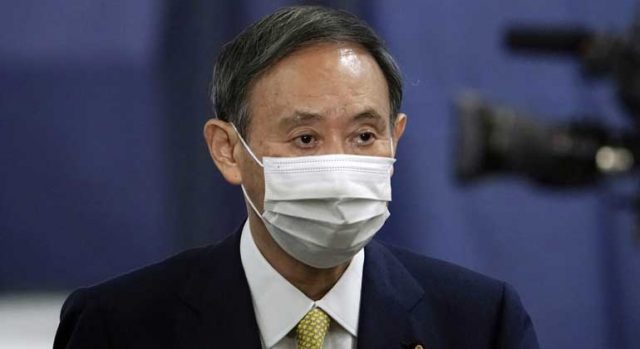
Support for Japan’s PM Suga slides as COVID shadows Tokyo Games

BLOOMBERG

TOKYO  Millions of Japanese watched the Olympics opening ceremony and many are cheering on their athletes, but the shadow of coronavirus disease 2019 (COVID-19) is so far preventing Prime Minister Yoshihide Suga from getting a boost in his soggy support ahead of an election this year. 

Voter support for Mr. Suga slid nine points to 34%, its lowest since he took office last September, a July 2325 Nikkei business daily survey showed on Monday. The Games, postponed last year by the pandemic, opened on Friday. 

Nearly two-thirds of respondents said the country’s rollout of coronavirus vaccinations was not going well.  

The program has been hampered by a slow start and supply snarls, and less than a quarter are fully vaccinated. 

Mr. Suga’s dream scenario had been to contain the virus outbreak, preside over a successful Games and call a general election. That was upended after a surge in COVID-19 infections led to a fourth state of emergency in Tokyo and forced Olympic organizers to ban spectators from almost all venues. 

Japan has had some cheering news from the Games, taking a total of six gold medals  including a historic two in judo by Uta Abe and her brother Hifumi on Sunday, as well as one silver and one bronze medal. 

Yiannis Exarchos, chief executive officer of Olympic Broadcasting Services, said the opening ceremony was watched by more than 70 million people in Japan, making it the most watched event in the last decade. 

Organizers were keeping a wary eye on Tropical Storm Nepartak, which was heading toward Japan’s east coast and forecast to pass to the north of Tokyo. 

They said there was currently no plan to reschedule further events. Tuesday’s rowing program was disrupted, with races rescheduled for later in the week. Monday’s rowing events were moved to Sunday in anticipation of the storm. 

WORRIES ABOUT CONTAGION
Many Japanese fear the influx of athletes and officials for the global sporting event will add to the surge in infections, and 31% in the Nikkei survey said the Games should be canceled or postponed again. 

Fifty-six percent said Japan’s border steps for incoming Olympics athletes and officials were “inappropriate,” the Nikkei survey showed. The Games are being held under tight quarantine rules to prevent the spread of infections, but a number of cases have emerged involving athletes and others. 

Olympics organizers reported 16 new Games-related COVID-19 cases on Monday, bringing the total since July 1 to 148. 

The Dutch rowing team’s performance director said the team had agreed to separate itself from other competitors after one of its athletes, a coach and a staff member all tested positive for COVID-19. 

A strict “playbook” setting out rules to avoid contagion mandates frequent testing for the virus, restricted movements and wearing masks by athletes and others in most situations. 

The International Olympic Committee said on Sunday, however, that athletes can briefly take off their masks on the podium for 30 seconds for a photo opportunity, as several did after their wins on the day. 

Japanese residents have been encouraged to watch the Games on TV to help prevent the virus from spreading. But fans assembled at the open-air triathlon route on the island of Odaiba in Tokyo Bay, on Monday in defiance of Olympic staff carrying signs asking them not to gather. 

Mr. Suga took over as premier after predecessor Shinzo Abe quit, citing ill health, ending a tenure that lasted nearly eight years, making him Japan’s longest-serving prime minister. 

Commenting on his soggy support, Mr. Suga told monthly magazine Hanada, “I am confident what I am doing is not mistaken. That will not waver,” Kyodo reported. 

Mr. Suga’s term as ruling Liberal Democratic Party (LDP) president expires in September and an election for parliament’s powerful lower house must be held by November. 

Mr. Suga came in fifth in the Nikkei’s survey of preferred next prime ministers, with just 5% backing him. 

Taro Kono, the minister in charge of the vaccine rollout, topped the list but his rating slipped four points to 19%, virtually tied with former defense minister Shigeru Ishiba. — Linda Sieg/Reuters