Home Blog Page 6115

The clock is ticking: The office of the future is here


ANNIE SPRATT-UNSPLASH

By Claro Cordero, Jr., Cushman & Wakefield

ASIDE FROM the current and impending global economic challenges seeping through the local economy, attracting employees back to the office remains one of the top concerns faced by corporates and employers. The imperative to protect workers’ health during the COVID-19 pandemic has shifted working practices and caused workers and businesses to reconsider how often to use their offices, how to use the office differently in the future, and how much office space they will require.

Using real-time data captured from Cushman & Wakefield’s bespoke workplace strategy tool, Experience per Square Foot TM, the rising trend towards greater workplace flexibility is expected to take further shape in the post-pandemic period.

Interestingly, the evolution of the role of the office was underway even prior to the pandemic. Agile and flexible working has gained popularity due to recent technological advancements. Telecommuting or remote work for jobs requiring minimal client-facing interaction was encouraged to enhance overall employee well-being and talent retention while lowering cost and improving productivity.

POST-PANDEMIC OFFICE SPACE DEMAND
The long-term outlook for the major demand drivers of office space remains favorable, especially in the Asia-Pacific region. In its recent study, “Asia Pacific Office of the Future Revisited,” Cushman & Wakefield estimated over 23 million office-using jobs (which represent approximately 76% of all total global jobs) will be available in the Asia-Pacific over the 2020-2030 period. This employment growth is estimated to translate to about 100 million square meters (sq.m.) of office space. In the Philippines, total employment in office-using jobs is expected to grow by more than 2.4 million, equating to more than 8.3 million sq.m. in office space demand — which is equivalent to a more than 70% increase in the current stock of office space in the country.

The near-term outlook on net office space absorption in the Philippines will still be lower than the estimated average in the last 15 years. The expansionary demand in the medium term, however, will come from the continued growth of the outsourcing and information technology and business processing management (IT-BPM) companies. Beginning in the fourth quarter of 2021, net absorption in the Metro Manila market has recovered after breaching negative levels for five previous consecutive quarters.

EMPHASIS ON URBAN DOMINANCE
Unlike the trend towards urban decentralization in mature markets in the US and parts of Europe, rural-to-urban migration flow is still the predominant pattern in the Philippines. Major cities will continue to be the economic centers and attract talent. From a real estate strategic plan perspective, maintaining a solid presence in the commercial business districts (CBDs) and urban centers with modern facilities will be crucial to entice employees to return to the office. On the other hand, some industries, such as the IT-BPM industry, will thrive in a “hub-and-spoke” strategy, where maintaining operations in second-and third-tier cities and locations will ensure a steady flow of available qualified workforce.

THE EMERGENCE OF THE ‘PHYGITAL’ WORKFORCE
Generation Z (born 1997-2012) currently accounts for around 330 million or roughly 25% of the entire Asia-Pacific (APAC) population, but only approximately 13% of the working-age population (20-64 yrs.). By 2030, Gen Z will grow to around one billion and will comprise more than 30% of the working-age population in APAC. Being digital natives, Generation Z is looking at the seamless integration between the physical (which includes bonding with their team and growing their network) and digital (remote working experience) — or “phygital” — spheres in their workplace. The growing influence of this generation in instilling up-to-date policies and technology attracting and retaining the working population will determine the success of companies in retaining top-notch talent across the various workforce classes.

THE ROLE OF TECHNOLOGY IN WORKPLACE TRANSFORMATION
The central role of technology is crucial in instilling a paradigm shift on how the workforce view the workplace transformation amidst the rise of COVID-induced flexible working practices. Technology needs to be leveraged to enable the change in workplace strategy and as a platform to measure the impact of that change. In conjunction with this change is the alignment towards the corporate goals of Diversity, Equity, and Inclusion (DEI) and Environmental, Social, and Governance (ESG). Both DEI and ESG can help in understanding the demand of the workforce and in evolving the workplace strategy.

NO ‘ONE-SIZE-FITS-ALL’ STRATEGY
The various workforce segments will have different responses to their current work experience, as well as different needs. However, while the future of workplace is still evolving, the underlying change should begin with how both corporates and employees view the office space. Both occupiers and employees should treat the workplace as a focal point to inspire and be inspired to strengthen employee engagement. The challenge of enticing the workforce to return to the office rests on an optimal work environment for employees where productivity, satisfaction, and well-being are equally prioritized with the organization’s goal towards enriching culture and enhanced profitability.

CREATE INSPIRING WORKPLACES THAT DRAW PEOPLE BACK
Global corporate occupiers have started to implement ground-breaking workplace models to entice their employees back to the physical office space. Employees long for a diverse and inclusive environment and workspace that they can showcase to clients. The future of the workplace for each organization should undergo thoughtful occupancy planning to apply innovative workplace strategies and people-centric change programs that must have buy-in from all the relevant stakeholders.

To this end, we can expect a significant flight to quality among corporate occupiers, with state-of-the-art buildings featuring smart technology considered attractive by employees. Moreover, office spaces with flexible floor plans are preferred, to accommodate increased allocation for collaboration areas and well-being facilities (including nursing rooms, prayer rooms, and vending machines that dispense healthy snacks, among others). Workplace technology applications such as seamless booking of desks and meeting rooms, face recognition program for easier access, automatic doors and smart toilet systems will all contribute to efficient facility management of the transformed workplace.

The transformation of the workplace should be focused on the people, not just the place, to ensure that it translates to high levels of employee engagement. As the COVID-19 pandemic has underscored, attracting, and retaining the right talent should be given the same attention as occupancy costs in drafting the corporate occupier’s future workplace strategy.


Claro Cordero, Jr. is director and head of research, Consulting & Advisory Services at Cushman & Wakefield.


Banking on the Philippine property industry’s recovery

SEAN YORO-UNSPLASH

By Joey Roi Bondoc, Colliers Philippines

THE Philippine economy is definitely on its way to recovery and Colliers Philippines believes that will have a significant impact on the property market’s own recovery. The office market remains stable especially with continued take-up from outsourcing firms; we also see sustained demand for industrial spaces and warehouses. The residential market appears testy, especially with a slowdown in pre-selling condominium launches and take-up in the first six months of 2022. A bright spot for the residential market is the strong demand for horizontal (house and lot as well as lot-only) projects especially in Central Luzon, Calabarzon, and Central and Western Visayas. However, developers and investors should be mindful of rising interest rates and prices of basic commodities.

The economy surprised with 8.3% growth in the first quarter of 2022, a reversal from the 3.8% contraction posted a year earlier. This made the Philippines the fastest-growing economy in East Asia during the period. Colliers believes that this level of economic output sets the stage for accelerated GDP growth beyond 2022. A number of developers, investors and occupiers took a wait-and-see stance prior to the May 9 national elections. The election of a new set of leaders, along with the continued implementation of pro-property reforms such as accelerated infrastructure construction, should guide property firms in their expansion plans over the next three to six years. In our view, developers should continue lining up projects and acquiring parcels of developable land in anticipation of improving investor appetite. This will play a crucial role in the property sector’s recovery post-COVID.

OFFICE: TURNING A CORNER AHEAD OF THE GREAT RETURN
In the first quarter of 2022, Colliers recorded the completion of 306,100 square meters (3.3 million square feet) of new supply. This is higher than the 114,300 sq.m. (1.2 million sq. ft.) in the fourth quarter of 2021. Among the buildings completed in the first quarter were One Ayala Towers 1 & 2 in Makati CBD, DoubleDragon Tower, Four E-com Tower 3 and Iland Bay Plaza in the Bay Area, NEX 54 in Ortigas Fringe and Savya Financial Center North in Arca South.

In 2022, we project new supply to reach 821,900 sq.m. (8.8 million sq. ft.), up 30% from 2021 completions.

Colliers saw net take-up in the first quarter reaching 26,400 sq. m. (285,100 sq. ft.) from minus 130,100 sq.m. (minus 1.4 million sq. ft.) in the fourth quarter of 2021. This was also the first recorded positive net take-up after seven consecutive quarters of negative net absorption.

Office transactions in the capital region totaled 146,100 sq.m. (1.6 million sq. ft.), up 30% year on year. Traditional and outsourcing firms took up space during the period. Most of the firms leased space in Fort Bonifacio, the Bay Area and Makati CBD. Outside of Metro Manila, we saw absorption of new office space in Pampanga, Cebu, Iloilo, Davao, and Cagayan de Oro.

In our opinion, the return-to-office (RTO) mandates should support the recovery of the office market. The improving COVID situation and the passage of economic reforms such as the amendments to the Retail Trade Liberalization and Foreign Investment Act should help boost office space take-up for the remainder of the year. These pro-business reforms also play an important role in ensuring continued take-up of office space as they indicate that the country is open for business.

RESIDENTIAL LEASING TO PICK UP AS EMPLOYEES RETURN TO CBDS
Colliers recorded the delivery of 560 units in the first quarter of 2022, down 86% year on year, with the completion of Proscenium Residences in Rockwell Center. In 2022, we expect the completion of 10,500 units, up 20% year on year, with the Bay Area likely accounting for 57% of new supply.

Meanwhile, pre-selling launches in Metro Manila reached 1,500 units in the first quarter of 2022, down 80% quarter on quarter. On the other hand, take-up in the pre-selling market reached 3,100 units, up 16% from a quarter earlier.

In the first quarter of 2022, we saw rents dropping by 0.2% quarter on quarter, miniscule compared with the 1.6% quarter-on-quarter decline recorded in the first quarter. Meanwhile, prices in the secondary market rose by 1.2% quarter on quarter. In our view, the recovery in the residential leasing market will be driven by local employees starting to work on-site and the gradual return of expatriates. Residential demand should also be supported by an increase in office leasing and an improvement in general business confidence.

The return of traffic to pre-COVID levels should also drive employees to rent a condominium unit or co-living facility near their offices.

RETAIL TO SEE FASTEST REBOUND IN PROPERTY SECTOR
In the first quarter of 2022, vacancies across malls in Metro Manila continued to increase, albeit at a slower pace, to about 15.2% from 14.8% in the third quarter of 2021. In 2022, we see vacancy reaching 16%, lower than our previous projection of 17% despite the estimated completion of 409,000 sq.m. (4.4 million sq. ft.). Among the malls due to be completed this year are Mitsukoshi Mall in Fort Bonifacio, Ayala Triangle Retail in Makati CBD and Parqal Mall in the Bay Area.

Colliers is optimistic that the de-escalation of the capital region to Alert Level 1 and improving vaccination rates should increase consumer traffic and consumer confidence. Various operators have reported that consumer traffic in malls has reached about 63% of pre-COVID level.

The Philippine Statistics Authority (PSA) estimates that household spending grew 10.1% in the first quarter from a 4.8% contraction a year earlier. Among the sub-segments which showed significant increase year on year are restaurants and hotels, transport, and food and non-alcoholic beverages. Revenge spending and dining should help buoy the retail sector’s rebound this year.

We project retail rents to rise by 1% in 2022, from a cumulative 15% drop in 2020 and 2021. We expect the gradual pickup in retail space absorption supporting our projected rebound in lease rates.

DEVELOPERS PLUG INTO THRIVING DATA CENTER DEMAND
Colliers Philippines is seeing growing interest in data centers. In our view, this should be sustained by the continued rise of e-commerce transactions, emergence of smart cities, proliferation of cloud computing technologies, the need for 5G connectivity, increasing financial inclusion, and the government’s push to digitize its processes. Colliers encourages developers of industrial parks to take a proactive stance in cornering demand from data center operators. In our opinion, the conversion of brownfield assets should also be considered. Looking forward, we believe that joint ventures will be a popular route among foreign and local players planning to establish and expand data center presence in the Philippines. Stakeholders should also maximize fiscal and non-fiscal incentives provided by the government. In our view, the data center is one industrial segment that property developers should keep an eye on.


Joey Roi Bondoc is associate director and head of research at Colliers Philippines.

Shaping the future of real estate in cities Version 2.0

JC GELLIDON-UNSPLASH

By Joey Radovan, JLL Philippines

BY THE TIME this article is published, I would have clocked in a full 26 years in the corporate real estate industry. I started the same time that talks began on the redevelopment of Fort Bonifacio and Makati City was clearly the top central business district with few capable of competing on sheer scale, Ortigas Center being the closest. I remember in the late 90s that annual office space take-up didn’t even crack 100,000 square meters (sq.m.) in most years. Prior to the pandemic, that number topped 500,000 sq.m. Of course, this was primarily due to the growth of the IT-BPO Industry. Many cities flourished because of the demand generated by this specific industry. Many employees have moved up the socioeconomic ladder by working in this industry. The growth of this sector was also a by-product of the last two global market downturns, which our country eventually benefited from.

Even with the adoption of work-from-home schemes, office space demand from corporate tenants will be strong in the long term. Office work will always be part of the business equation and is not going away. I have been in three market downturns, including this pandemic, and each one taught me key lessons after experiencing the various challenges faced by the real estate industry. I do believe we are at the tail end of this pandemic. With a new President and leadership team in charge, we have a clear runway of at least six years to continue the growth trajectory of the commercial real estate industry — assuming the public and private sectors can come together. The first job is to identify the cities we need to support for job creation.

Let’s use the Eastwood City development in Quezon City as a case study. Who would have thought that Fortune 500 companies could be persuaded to leave the comforts of the Makati business district? Four elements made it happen for Eastwood: 1. The cost of real estate 2. Fiscal incentives 3. Access to labor and 4. Market timing. You need very mature corporate tenants to pre-commit and sign a lease after looking only at a master plan and renderings, which can only happen if there is trust in the developer. I believe this project was the catalyst for the real estate industry to flourish while supporting the IT-BPO industry. This playbook has been used for more than two decades and it still generally works, given the right value-proposition.

But what has changed today? For one, most companies are now focused on sustainability, which even city governments need to get behind given the impact of the real estate sector on our environment; solutions are required for reducing direct and indirect carbon emissions from both real estate and construction over the entire project life cycle. Beyond constructing these projects, developers also need to pay closer attention to how these projects consume energy, produce waste and place demands on public and private transportation, all of which generate carbon emissions.  Suddenly, corporate social responsibility with a focus on the environment is in play. Some say sustainability is a long game that costs money, and I agree. But it does not have to be that way, if we can bring these real estate projects to greenfield and developing cities, and not just focus on Metro Manila and other popular provinces. If we bring these new developments to new cities where there is labor, or at least the potential to develop a workforce, whether for the IT-BPO industry or for new industries, then that can solve a lot of sustainability issues. These workers wouldn’t need to leave their cities or undertake long commutes. They don’t have to pay high rents or buy expensive apartments. They may well be able to walk to work and not use cars or public transport.

This concept I first learned of from a book called Walkable City by Jeff Speck. But his idea involves converting an existing, bustling metropolis by improving its walkability. My main takeaway was that it might be easier to do this in a greenfield site or in provincial communities that can still grow and experience “suburbanization.” In effect, we could try urbanizing the suburbs. There are already communities that fit this description, where potential workers live.

Employing people where they live can help minimize migration to the cities, thus easing population pressures in the key urban centers. Metro Manila’s population is projected to approach 17 million by 2030. The density of its cities will further increase. Contrast this with locating in provinces, where the real estate cost will be cheaper. Wages will also be competitive compared to developed central business districts. I hope both national and local governments understand that this is where fiscal incentives need to be offered, because these corporations still need to minimize the risk they face by locating in growth provinces.

There is nothing new in what I am saying — we need to keep identifying new cities and support them in terms of design, master planning, infrastructure planning, public transport, fiscal incentives, project financing and sustainability strategies. These are all challenges for developers, occupiers/businesses, foreign investors and our government.

There are other cities around the world that we should draw inspiration from, like Oslo, Cape Town, San Francisco, Vancouver, Portland, Stockholm and others that are on the path to sustainability. Our cities are the “supply” side of the equation. We as a country, need to focus on the “demand” side. The next chapter of our story — ideally when the next bull run for real estate comes — can only be written if we find a new pillar that can rival the success of the IT-BPO industry!, which created millions of jobs and supported the long-term growth of the real estate industry.


Joey Radovan is country head of JLL Philippines.

The rise of neighborhood malls: How malls are changing in the post-pandemic era

JEZAEL MELGOZA-UNSPLASH

By Michael McCullough, KMC Savills, Inc.

THE MALL CULTURE is deeply ingrained in Filipinos, pandemic or not. With around 65.3% of the eligible population (about 71.6 million individuals) vaccinated against COVID-19, more people are seeking a sense of normalcy by going to malls to shop, dine, and socialize.

Despite the jarring shift in consumer behavior that peaked during government-imposed lockdowns, brick-and-mortar stores are expected to remain relevant to complement e-commerce and online shopping.

In the Philippines, malls are all-in-one destinations that provide more than shopping — they are also centers for dining and entertainment, as well as accessing utility and government services. It is undeniable that these physical retail locations offer a space for face-to-face socializing that the internet can’t replicate.

For now, retailers are expected to continue investing in their digital platforms to complement their physical stores. The tenant mix will evolve, incorporating a diverse set of essential goods and services, which are more proximal to the communities.

KMC data show that mall foot traffic has increased in 2022. While still far from pre-pandemic numbers, malls are starting to be filled with tenants again, registering a 3% improvement in terms of vacancy rate as of the second quarter of 2022.

In a report published by Oxford Economics, retail sales are expected to increase by 10.6% year on year this year, following the 8.4% growth recorded in 2021. In terms of rental performance, prime retail rent in Metro Manila dropped by 9.5% during the past two years. On average, prime retail rent corrected from P2,489 per square meter (sq.m.) per month in the second half of 2019 to P2,254 per sq.m. per month in the second half of 2021.

However, the depth of concession narrowed down after the first half of 2021, signaling a slight recovery in the retail property market.

CONVENIENCE SHOPPING AND NEIGHBORHOOD MALLS
Deloitte reported that single-purpose malls will struggle to stay relevant as more consumers change their priorities when going out. As people “go back to normal,” their priorities when going out can be classified into two: safety and convenience. Gone are the days when malls were standalone destinations.

The trend for horizontal developers is to address all aspects of life in one community. Townships on the fringes of Metro Manila strive to create a self-contained community with all the amenities and facets of work, life, and play in the new normal.

Research from KMC’s Information and Data Management group found that the majority of the big players in the industry have started to build master-planned communities and townships outside Metro Manila that are self-sustaining in terms of amenities and location. Residential complexes are complemented by office, retail, and leisure establishments, providing a venue for every aspect of life.

Renowned architect Jun Palafox said in an article that the suburbs around the capital are expected to thrive, opening more opportunities for people to relocate to less densely populated areas. With a more flexible and hybrid work setup and increased accessibility through heavily improved infrastructure, a growing preference for suburban and community-type development was preferred in the new normal.

This becomes an opportunity for horizontal developers to capitalize on creating townships and target community bubbles, a captived market within the township offering limited exposure to the threat of the virus. Master-planned communities leverage a diversity that prioritizes a balanced, dynamic, and integrated development for its occupants.

15-MINUTE CITIES
In the new normal, the concept of the 15-minute city is poised to become more mainstream in and around Metro Manila, in which office, retail, and entertainment venues are integrated within residential areas. This is a 180-degree shift from the urban planning paradigm that dominated in the last 100 years before the pandemic.

In the new normal, malls begin to serve the purpose of being “town centers” again, providing space for residents to gather and socialize within their shared community. In the post-pandemic era, malls become multipurpose destinations that offer leisure activities highlighting safety and proximity. District malls, or strip malls, become key locations to leverage existing needs and demands, catering to daily and functional needs without compromising safety and convenience from a neighborhood angle.


Michael McCullough is the managing director of KMC Savills, Inc.

BPI Global Markets expands activities, adopts sustainability principles

The Bank of the Philippine Islands (BPI) has expanded its treasury activities under its Global Markets segment by adopting sustainability principles in its asset-liability management investment process.

Chief among these has been the creation and implementation of the Green, Social, and Sustainability Business Model for Debt Securities and Loans, business models for investing in green and renewable assets. With this, investment decisions have been aligned to be consistent with BPI’s existing Sustainable Finance Framework.

Accordingly, this has allowed BPI to expand the portfolio of eligible assets it can invest in, and at the same time, lend to companies involved in business with clear environmental benefits. While the project offers tangible benefits such as ‘meaningful’ balance sheet and revenue growth, the more notable impact is how it embeds sustainability considerations into the decision-making process of the Bank’s portfolio managers and credit officers.

“Sustainability has always remained at the forefront of BPI’s business strategy. Now that we are adopting a new set of sustainable principles for the investment process of our asset-liability management, we see that this will further push the Bank’s commitment to responsible banking and contribution to nation-building,” said Dino Gasmen, BPI Treasurer and Head of Global Markets.

On the sales side, Global Markets has provided treasury solutions to clients, including foundations and charitable organizations, educational institutions, healthcare, and clean energy, by servicing their foreign exchange requirements and helping manage risk exposures through hedging solutions. It services around 400 active Corporates and 750 SMEs, with the objective of growing its clientele’s current portfolio to promote sustainable and responsible banking.

For the past few years, the Bank – through Global Markets – has been supporting the expansion of a client engaged in the renewables business. The client, one of the fastest-growing energy companies in the country, aspires to be the largest listed renewable energy company in Southeast Asia. BPI serviced a total of around USD 70 million Forward contracts for loan payments and investments to hedge FX risk, lock in favorable rates through FX Forward transactions, and realize cost savings.


Spotlight is BusinessWorld’s sponsored section that allows advertisers to amplify their brand and connect with BusinessWorld’s audience by enabling them to publish their stories directly on the BusinessWorld Web site. For more information, send an email to online@bworldonline.com.

Join us on Viber to get more updates from BusinessWorld: https://bit.ly/3hv6bLA.

Metrobank named ‘Best Bank in the Philippines’ at the Euromoney Awards 2022

Metropolitan Bank & Trust Co. (Metrobank) bagged the ‘Best Bank in the Philippines’ award at the recently held Euromoney Awards for Excellence 2022, solidifying its strong position and reliability as the country’s second largest private universal bank.

“Metrobank’s story was about more than prudence. The bank is out there supporting a reviving economy, recording a growth in its commercial lending business. It also took advantage of COVID to push digital channels and launch a host of new services to address its customers’ needs,” said Euromoney.

Euromoney Excellence Awards recognizes the best of the best financial institutions globally. For the Best Bank category, Euromoney scrutinizes the following key metrics: market capitalization; total revenues; pre-tax profit; net income; return on tangible common equity; return on assets; net interest margin; cost-to-income ratio; Basel III Tier-1 capital; market share of deposits; market share of loans; loan-to-deposit ratio; non-performing loan ratio; and non-performing loan coverage ratio.

“It is a great honor to be named as the Best Bank in the Philippines by Euromoney, which is a highly regarded institution in the financial industry. This is very timely as we mark our 60th anniversary of serving Filipinos this September,” said Metrobank President Fabian Dee.

“This award is a testament to the hard work of Metrobankers to maintain the Bank’s status as a strong, reliable, and stable partner for all our stakeholders. At Metrobank, we remain committed in serving our customers as their trusted financial partner,” he added.

Metrobank also recently received praise from other award-giving bodies such as Asiamoney for being the Best Domestic Bank and the Best Domestic Private Bank; The Asian Banker for being the Strongest Bank; and LinkedIn for being the Top Banking Employer in the Philippines.

For more information on Metrobank, visit http://metrobank.com.ph/.


Spotlight is BusinessWorld’s sponsored section that allows advertisers to amplify their brand and connect with BusinessWorld’s audience by enabling them to publish their stories directly on the BusinessWorld Web site. For more information, send an email to online@bworldonline.com.

Join us on Viber to get more updates from BusinessWorld: https://bit.ly/3hv6bLA.

Smart cities aren’t just an infrastructure play: They are also massive social experiments

By Arjay L. Balinbin, Senior Reporter

PLANNING a smart city is not simply an exercise in deploying the most wondrous new technology. If the Philippines’ planners have their way, future city architecture will serve as a tool for making prosperity more broad-based, and attractiveness to investors more sustained. In other words, the building works may be critically important on the surface, but the social engineering may matter more in the long run.

According to the National Economic and Development Authority (NEDA), the whole point of smart cities is to create a “high trust” society that is globally competitive and knowledge-based. Practically speaking, that means a city of fewer metal detectors and a lower expectation of street crime, leaving residents free to pursue their own prosperity in an increasingly connected world, untroubled by the usual urban inconveniences.

Visions like these vary depending on which government agency is doing the talking and what its development agenda is, but they tend to consist of elements of a broader, overarching theme. For instance, the Department of Information and Communications Technology (DICT) believes in planning for a city that is attractive to investors because of talent availability, solid infrastructure, low costs for locators, and has a conducive business environment.

From these lofty plans, a look at the capital, Manila, makes it clear that the Philippines has a long way to go.

Manila ranked last in the inaugural 2022 Digital Cities Index developed by Economist Impact and supported by NEC. It assessed the extent and impact of digitization in 30 cities while considering digital connectivity, services, culture, and sustainability. Manila scored 39.1 out of 100 on the index, well below the Asia-Pacific average of 59.4 and the global average score of 63.3.

Roderick M. Planta, a NEDA undersecretary from the previous government, said that the smart city must address problems stemming from the increasing population, rapid urbanization, vulnerability to disasters, and shortfalls in infrastructure.

The population is expected to rise to 115.38 million in 2025 from 108.77 million in 2020, he said in a document provided by NEDA to BusinessWorld.

“Smart and sustainable infrastructure is indispensable in transitioning to low-emission and resilient future and achieving SDGs (the United Nations’ sustainable development goals).” He added that it will be a challenge to bring smart and sustainable infrastructure planning to the mainstream.

There are three main goals for pursuing smart city development, he said, citing the ASEAN Sustainable Urbanization Strategy: high quality of life, a competitive economy, and sustainable development.

CURRENT INITIATIVES
Mr. Planta said increasing investment in strategic infrastructure demonstrates the government’s commitment to building resiliency.

The 2021 infrastructure expenditure of P1.24 trillion was 5.8% of gross domestic product (GDP) in 2021, up from 3.9% or P590.5 billion in 2016, he said. Infrastructure spending as a percentage of GDP is expected to hit P1.20 trillion or 5.5% of GDP in 2022.

The Philippines has identified six smart city projects as part of its commitment to the ASEAN Smart Cities Network, which facilitates cooperation on smart cities development in the region.

Such projects are a command center upgrade and e-government services in Metro Manila, digital traffic systems and a bus rapid transit system in Cebu City, and the convergence of command and control, intelligent transport, traffic systems, and security in Davao City.

Meanwhile, New Clark City in Central Luzon is seeking to become an inclusive, disaster-resilient, sustainable, and smart metropolis.

The NEDA project development fund supported master planning for 13 urban areas, according to Mr. Planta.

The development master plans, which will guide the preparation and implementation of programs and projects for sustainable infrastructure development, cover Baguio, Butuan, Calapan, General Santos, Pagadian, Iloilo, Bacolod, Cagayan de Oro, Ormoc, Tuguegarao, Vigan, Olongapo, and investment corridors in Central Luzon.

Infrastructure-related strategies, according Mr. Planta, include the implementation of intelligent transport systems; the management of floodwaters as a resource instead of their current treatment as disasters to be prevented; the development of an interconnected Philippine Smart Grid; energy-efficient, disaster resilient, and responsive health facilities; and expanded digital infrastructure to promote growth in information and communications technology.

FINANCING
Kelly Bird, the Philippines’ Country Director for the Asian Development Bank (ADB), said there are no firm estimates for the investment required to transform the country’s cities, but called the funding requirement significant due to the long-term underinvestment in urban services like clean water, sewage treatment, drainage, urban transport and traffic management, access to social services, online payments architecture, online revenue collection by local government units (LGUs), and extreme weather early warning systems.

“An inter-generational investment commitment is needed,” Mr. Bird said in an e-mail interview. “The financing of these investments should always be an optimal mix. With the Mandanas ruling of 2019 and implemented this year, LGUs will be called upon to provide an increasing share of financing for smart cities investment,” he added.

He also noted that the further development of the bond market for LGUs to raise long-term infrastructure financing will be a key source of funding.

“Public-private partnerships (PPPs) in urban infrastructure also remain an important funding source,” he added.

“Part of the financing needs can come from the National Government and overseas development assistance if considered in the public interest and where there are LGU financing gaps, especially for the poorer LGUs,” Mr. Bird said.

The ADB is currently working with the national and local governments on smart cities in Baguio, Coron, and El Nido focused on “financing urban infrastructure and marine conservation for achieving environmentally sustainable development in these tourist destinations. Second, we are working with Davao City on its High Priority Bus System to promote climate friendly, efficient, and safe mass public transport,” Mr. Bird said.

“Third, we are preparing a regional technical assistance grant dedicated to supporting our member countries (including the Philippines) in developing programs for smart and livable cities in Southeast Asia. It will cover support for urban planning, delivery of services, and financial management.”

Joey Roi H. Bondoc, associate director for research at Colliers International Philippines, said the “Build, Build, Build” program should be continued by the Marcos administration, which has set an annual spending target of between 5% and 6% of GDP.  

“In our view, a mix of foreign aid/loans and PPPs is necessary to sustain the ushering in of the Golden Age of Infrastructure beyond the Duterte administration,” he said in an e-mail interview.

Claro dG. Cordero, Jr., director and head of research at Cushman & Wakefield, said the development of smart cities may work well within the PPP framework.

“This type of ecosystem development enhances the power and credibility of a locally directed implementation model for smart city projects. The more inclusive approach where diverse stakeholders are encouraged to participate will yield more efficient implementation and rollout of the different projects,” he said in an e-mailed reply to questions.

CHALLENGES
Mr. Bondoc said poor connectivity remains a major challenge, as seen mainly in low internet penetration and slow internet service.

“Internet access should be universal as this will support the development of smart cities across the Philippines. Infrastructure implementation is also crucial as it will improve mobility and connectivity between major cities and business hubs across the Philippines,” he added.

Mr. Cordero said the biggest hurdle to developing smart cities is the lack of an integrated urban masterplan incorporating energy efficiency, sustainability initiatives and well-coordinated execution of a comprehensive ICT framework across all cities and urban areas.

“The lack of engagement and commitment of the community to embrace smart city initiatives and the issue of trust in data use and storage have hindered in developing smart cities in the Philippines,” he added.

MARCOS GOVERNMENT
President Ferdinand R. Marcos, Jr.’s administration can focus on the development of a reliable ICT backbone, according to Mr. Cordero.

“ICT can be used to improve power use and distribution, ensure 24/7 water supply, improve efficiency in mobility through intelligent transportation and traffic management, enhance automated surveillance and security systems and enable Wi-Fi powered open spaces and houses for businesses,” Mr. Cordero said.

He noted that an efficient IT system will be useful in the distribution of scarce resources and real-time tracking of available services.

The new administration should prioritize mass public transportation systems, including the Metro Manila subway, Mr. Bondoc said.

“This should be supported by the modernization of airports in major urban areas outside Metro Manila. In our view, the new economic managers and members of Congress should carefully assess the Build-Operate-Transfer law amendments and the PPP Act,” he noted.

“Do they require further tweaking? Will new provisions ensure that implementation of new infrastructure projects will be unhampered over the near to medium term?”

Mr. Bondoc also said the new administration should ensure the construction of public projects is sustained. “Supporting infrastructure implementation are measures that will ease the process of doing business in the country. Common bottlenecks such as right-of-way must also be addressed.”

Mr. Cordero sees Metro Manila, Metro Clark, Metro Cebu and Metro Davao as having the most potential to become smart cities in the next few years.

“While the pandemic poses threats to funding infrastructure projects, the ‘reset’ mindset will aid in obtaining the buy-in of the various stakeholders. On the other hand, other cities can significantly learn from the development design weaknesses and serve as inputs to their respective development blueprints,” he said.

Bulacan, where San Miguel Corp. is building a new airport, has massive potential, according to Mr. Bondoc.

“Potential smart cities should exhibit competitiveness, as measured by economic dynamism, quality of infrastructure, and ease of doing business,” he noted.

Powering up an archipelago with microgrids

SOLAR PV SYSTEM - Lahuy Island - Camarines Sur Qualified Third Party Project — FP ISLAND
SOLAR PV SYSTEM – Lahuy Island – Camarines Sur Qualified Third Party Project — FP ISLAND

By Martin Antonio A. Lacdao, FP Island Energy Corp.

A QUICK SEARCH on the internet for “Philippine map at night” will invariably return satellite images showing the country lit up by evening lights. It’s easy to spot the National Capital Region and neighboring areas since they appear as a glowing streak stretching from Pampanga in the north to Batangas in the south. Metro Manila, at the center, shines with a fierce intensity which reflects the population density and electricity use in the area

It’s also not hard to pick out the glowing lights of the country’s major urban centers such as Metro Cebu, Iloilo City, Bacolod, Cagayan de Oro, Iligan, Zamboanga City, General Santos City, and Metro Davao. A person keen on geography can make a quick game of picking out individual towns and cities like Baguio, Laoag, Legazpi, Puerto Princesa, and even Busuanga in Coron. However, as fascinating as this game may be, attention is inevitably drawn to the dark spaces in between.

There are large swathes of the Cordilleras, Cagayan Valley, South Cotabato and Sultan Kudarat where there is not even one pin-prick of light. The darkness gets even more pronounced in the island provinces where there may be just one point of light showing a large town. While this information may be of some general interest to the casual observer, for those involved in the task of rural electrification, these maps of the country at night are a reminder of what still needs to be done.

According to the Department of Energy (DoE), in 2021, 93% of all Filipino households have access to electricity. This, however, obscures the fact that access to electricity does not necessarily mean getting it 24/7. In most rural areas, especially in islands, electricity service is limited to four to eight hours a day. In a perfect world, all the households in the country would have full-time access to electricity. But, through the years, this goal has remained elusive.  One factor making this goal difficult to achieve is that the Philippines is an archipelago of 7,641 islands, and it is simply more difficult and costly to supply electricity to islands.

Electrification starts in the huge population centers of the mainland where power generation plants are built. By putting up transmission and distribution lines, the electricity generated from the power plant can be supplied to consumers. For as long as the transmission and distribution lines can reach a town or village, the consumers there are considered “on the grid.”

A problem occurs, however, when the transmission lines hit water’s edge on the main islands. At that point, a choice has to be made on how to power up islands off the coast.

One option is to extend a transmission line to the island by laying a submarine cable. In this manner, the power generated on the mainland is sent to the island, bringing the consumers there “on the grid.” This solution, however, is expensive, since laying down cable and building the associated infrastructure costs a minimum of P170 million per kilometer. Since these costs mount the further away an island is from one of the main islands, laying down submarine cable is usually reserved for connecting major islands with huge populations and robust economic activity. An example of this is the interconnection of the Luzon Grid with the Visayas Grid through an undersea cable between Bicol and Samar.

However, for roughly the same cost of laying down a kilometer of submarine cable, a small power generation plant and distribution system can be built on an island. Since the transmission line from the mainland is not extended, the island is considered “off-grid.”

Because of the high costs associated with undersea cable, building these small electricity systems has become the preferred mode of powering up smaller and more distant islands. These off-grid islands are also called missionary areas, and the task of providing power to them has principally fallen to the National Power Corp., (NPC), which is the country’s power generator of last resort. In these off-grid missionary areas, NPC operates the power generation plants while the local electric cooperative takes charge of distributing power to the residents.

While NPC does its best to bring power to off-grid areas, it still has to overcome a number of challenges. Until very recently, NPC powered off-grid islands using diesel-powered generators. Because of the high cost of diesel fuel, electricity in off-grid islands is very expensive and electricity service is limited to only a few hours each night.

In order to spread the burden of providing electricity in off-grid areas, the Electric Power Industry Reform Act (EPIRA) allowed the private sector to supply power in remote and unviable areas through the Qualified Third Party (QTP) program. Through the QTP program, private companies which had the required technical, legal and financial qualifications were allowed to generate and distribute power in rural and off-grid areas on the condition that they supply 24/7 power. Under this program, a private company would replace both the NPC and the electric cooperative as power generator and distribution utility, respectively.

Since the passage of EPIRA in 2001, QTP projects have been established in off-grid areas in Palawan, Cebu, and Camarines Sur. However, despite the best efforts of the DoE to roll out the QTP program, as of the end of 2021, only 11 QTP projects had been awarded.

In the early years of the QTP program, private developers also used diesel-powered generators to supply power in off-grid islands. However, in the last five years, technological improvements such as the rise of microgrids and the development of smart microgrid controllers paved the way for a resurgence in the QTP program and led to the use of renewable energy (RE) as a source of power.

In its simplest terms, a microgrid is a power generation and distribution system that supplies power to a defined geographical area such as a township, an industrial park, a military base, or a small island. Because it has its own generation and distribution facilities, a microgrid is capable of operating independently of the main power grid and, thus, is capable of supplying power in off-grid areas.

In more advanced microgrid systems, a smart microgrid controller is used in order to seamlessly orchestrate the supply of electricity coming from various power sources. This is crucial in case the microgrid is powered by RE sources such as wind, hydro, or solar power. While RE sources provide clean energy, they are intermittent by nature (e.g., a passing cloud can disrupt solar power production). Thus, a smart microgrid controller is used to ensure a smooth transition between the various RE sources so that consumers enjoy uninterrupted power. Microgrids that use smart microgrid controllers are called “smart microgrids” and are fully capable of supplying 24/7 power to off-grid areas using RE sources.

Because of the advantages of using smart microgrids in off-grid areas, the Microgrid Systems Act (MSA) was signed in January 2022. While the MSA built upon the foundations of the old QTP program, it was a more streamlined version with accelerated timelines for the competitive selection process (CSP) and project execution.

An essential feature of the MSA is that it included well-defined criteria for determining unserved and underserved areas (that is, areas with less than 24 hours of electricity). Once an off-grid island is determined to be unserved or underserved, the DoE can initiate a competitive selection process to choose a microgrid service provider that will provide 24/7 power to the island.

Furthermore, unlike the old QTP program, which was open only to private corporations, the MSA broadened the field of microgrid service providers to include private corporations, local government units (LGUs), cooperatives, nongovernment organizations, generation companies, and distribution utilities.

With the recent issuance of the implementing rules and regulations of the MSA, microgrid developers such as FP Island Energy Corp. (FP Island) are eagerly awaiting the start of the CSP process which will kick off once the DoE publishes the initial list of unserved and underserved areas. If this list is issued within the year, the selection process can start soon after and more residents in off-grid islands can look forward to having 24/7 power as early as the middle of 2024.

For its part, FP Island hopes to build on the initial success of its microgrid project in the islands of Lahuy, Haponan, and Quinalasag in Camarines Sur. Prior to the start of FP Island’s commercial operations in December 2021, these islands received a maximum of 12 hours of electricity daily. By using a hybrid generation system which combined an RE source (solar power and battery storage) with conventional energy sources, FP Island has been providing 24/7 power to more than 2,200 households in the islands. FP Island uses a smart microgrid controller to ensure that power is supplied mainly by RE sources. In fact, in Haponan Island, solar and battery power supply almost 100% of the electricity needs of the residents.

While the smart microgrids in the islands have been operating for a little more than six months, life on the islands is already changing. From the purchase of more durable appliances like refrigerators and electric stoves to the establishment of small businesses like “bayad centers” and ice-making facilities, the lifestyle and economic prospects of the residents are looking up. Significantly, a lot of new houses are being built because people are moving back from the mainland because of the availability of 24/7 electricity. There is a renewed sense of optimism in the islands and it is this feeling of empowerment that FP Island would like to replicate in other off-grid islands in the country.

Through its microgrids, FP Island hopes to add more pinpoints of light to the “Philippine map at night” to reduce the areas of darkness, especially in the outlying and off-grid parts of the archipelago.


Martin Antonio A. Lacdao is the business development officer of FP Island Energy Corp., a wholly owned subsidiary of First Philippine Holdings Corp., which develops and operates smart microgrids in off-grid islands, industrial parks, townships, and resorts. He can be reached at malacdao@fpiec.com.ph.

Healing our healthcare system

MYRIAM ZILLES-UNSPLASH

By Jose Xavier Gonzales, Chairman, The Medical City

THE WORLD never anticipated the global medical and economic freeze from COVID-19, but this is now part of a regular cadence of pandemics that we should continuously prepare for.

Is COVID-19 on its death knell?  Long COVID still has a residual impact on humanity, with 10-15% suffering chronic weakness for life.  And new virus variants are popping up that increasingly dodge immunity from prior infections. On the other hand, both RT-PCR testing and mRNA vaccines were quicker to the draw because the world was already deep into genome sequencing and gene-splicing technology. So instead of a 50 million Spanish flu mortality rate against a global population of 1.5 billion (3.33%), we have 6.3 million deaths against 7.9 billion (0.08%). In the East, because of more consistent mask wearing and social distancing, our deaths per 100,000 are one-sixth of the West’s.

All crises expose deeply etched flaws in the way things get done, so that they are either not done or undone. This weakness in earthquake-proofing for COVID-19 events showed up on three fronts: human capacity, technology foundation, and funding provision. These go, of course, deeper than COVID. Regardless, the privately run health sector can be a willing ally of government in capitalizing on these opportunities through various public-private partnership (PPP) initiatives.

NURSING
On February 23, 2021, a Reuters news report highlighted local as well as global problems in the nursing profession: “The Philippines will let thousands of its healthcare workers, mostly nurses, take up jobs in Britain and Germany if the two countries agree to donate coronavirus vaccines, a senior official said.” The government had previously limited international healthcare worker (HCW) hirings to 6,000 a year.

We have interesting statistics on our global nursing resource. Of 500,000 registered nurses, 60% are overseas, half of whom are in the US. Of the 25,000 in the UK, 90% work for the National Health Service. The Middle East, and particularly Saudi Arabia, makes up a second major destination. Recently, there was a substantive relaxation in both certification and immigration requirements in foreign HCW hiring.

Of the 200,000 remaining nurses in the Philippines, a mere 90,000 work in healthcare facilities. The second-largest absorber of graduates is the BPO/call center industry.  Two hundred and thirty-three nursing schools have produced around 20,000 graduates yearly since 1999.

The Medical City (TMC) Network responded to the pandemic-induced nursing shortage by offering a 2-3 year structured development program in our hospitals for nursing professionals, after which we would place them in our Guam hospital.  Five years ago, TMC also developed a joint nursing program with Phinma’s University of Iloilo affiliate, at a very modest cost to an enrollee, without typical enrollment screening tests. In the May 2022 licensure exam, Phinma Nursing graduates achieved a 97% passing rate for first-time takers, against the 68% national average.

This suggests two PPP options to strengthen the nursing sector of our $35-billion OFW industry. The first is a strong vouchering system to encourage private sector investment in nursing (and allied medical) education. The second is R&D credited nursing internship programs at Tier2/3 hospitals that are internationally benchmarked for certification results.

Two-thirds of local hospital capacity is in private hands. What better way to harness their learning capacity than to encourage practicums to address the expected 4.6 million (WHO estimate) global nursing professional shortfall by 2030.

INNOVATION
When COVID Patient 1 emerged from the Greenhills shopping arcade in March 2020, the Research Institute for Tropical Medicine (RITM) was the country’s only accredited laboratory for testing, with a capacity of 100 tests/day. (RITM also happens to be the regulator of other labs.) Thus, only in July-August 2020 did testing system capacity finally scale from 5,000 to 30,000 tests per day, as a slew of labs got accredited. A year later, despite the first vaccines arriving from China in February 2021, limited genomic sequencing results on variant spread were still being released two months after identification.

Clearly, it is very difficult to encourage innovation when you also regulate all laboratories nationally based on what you are able to do as a lab.  It might be best to stick to one function, say laboratory operations solely, and transfer the regulatory function to say, an independently run Food and Drug Administration (FDA), which can concentrate on regulation based on global US (FDA) and/or EU (European Medical Agency) standards.

This is a more subtle, but two-step forward-thinking form of PPP.  If we want to encourage global innovation in biotechnology, which is driving the frontiers of medicine at the molecular level, we should let the private sector flourish under an unbiased regulatory framework. Further, there is also no need to reinvent the wheel on what is globally acceptable. For example, there is a European standard that was introduced across all of the EU in May, called CE-IVD, where in-vitro diagnostic devices that meet high safety, health, and environmental safety requirements can be legally commercialized across a single European market.

Let’s not downplay the government’s role in facilitating market agility in the biotech space. South Korea provided strong regulatory assistance in uniting academe and business efforts to launch its RT-PCR test solution in March 2020. Beyond Bill Gates, the US government committed to massive dosage purchases in support of Moderna and Pfizer vaccines. On TMC’s part, we have created a Clinical Transitional Research Institute to provide the bench-to-bed basis for advanced precision medicine in Oncology, in an open PPP research partnership.

In the Philippines, the opportunity for government to spur biotech investment locally was lost due to corruption charges surrounding personal protective equipment (PPE) purchases in 2020. One wonders why foreign purchases were shown preference over repurposed local manufacturing capacity. Locally developed test kits, for example, which would provide opportunities for job creation and expertise development, were shunned in favor of more expensive test kits from China.

FUNDING
After a meandering decades-long migration on health devolution, there appears a strong shaft of light at the end of this tunnel.

The issue on financing for health has historically been rooted in the mismatch between the internal revenue allotments (IRAs) and the cost of devolved functions. In the initial devolution in 1992, LGUs picked up 66% of personnel, 93% of hospital facilities, and 100% of regional and barangay health units, but only 40% of the yearly budget.

This imbalance in funding was only significantly remedied 22 years later in 2014, when a casting of sin tax allocations resulted in a jump in the Department of Health (DoH)/PhilHealth annual spend from P40 billion to P100 billion in five years.  Subsequently, the Universal Health Care (UHC) Act in 2020 stepped up premium contributions by 0.5% annually until a maximum 5% in 2025.  And a recasting of the Sin Tax Law in 2021 raised incremental allocations from more sin taxes, so that this year, DoH budget appropriations are at P205 billion.

Not to be outdone, a Supreme Court ruling on June 1, 2021 affirmed the Mandanas petition to allot to LGUs not just 40% of income but all other tax revenue, including customs and excise (including sin) taxes. This separate reallocation raised the LGU 2022 budget appropriation from P850 billion to P1 trillion.

By 2020, healthcare spend had reached 5.6% of GDP, a percentage point lower than Vietnam, but two percentage points higher than Indonesia. This compares with 10-12% for most developed markets, and 19% for the US.

The uplift continues. The DoH 2022 budget alone provides for P80 billion to be allocated for UHC implementation.  Are the stars aligned now between healthcare devolution and resource and organizational implementation?

The original devolution effort was diluted by an inability to sustainably find a substitute for the original District Health System that nationally coordinated healthcare delivery.  Now, with startup funding available, multi-sectoral models with Local Health Boards and Inter-Local Health System Zones need to carry the brunt of moving the healthcare registry from 87% to 100% of the population, educating the public on primary care choices, and ensuring appropriate access for all along the wellness-to-illness spectrum.  Private sector hospital participation in this process can depoliticize healthcare across political lines.

Our experience working with the local government unit of Pasig could be useful as a model for small-scale PPP:

1. We adopted five major Pasig barangay health centers where we send residents and consultants of various specialties twice a week.  Patients needing specialty care are either referred to Pasig General Hospital or if needed, to TMC Main.

2. We established an open system of referral/transfer of patients within the Pasig City hospital ecosystem especially during the peak of the pandemic.

3. Our hospital premises and manpower resources are openly being used for the Pasig community vaccination program.

Partnering in the hospital sector, which is two-thirds private sector-owned, can range from case referrals to management assistance, clinical professional development to facilities complementation and outsourcing.  What needs to be recognized is that the value proposition for a PPP rests on efficiency and profitability, not on equity and subsidies. Nurses, for example, are paid more in the public sector, but nurse-patient ratios are higher, and there is thus less opportunity for professional development.

CHARTING THE FUTURE
The current state of our healthcare ecosystem reeks of opportunity to do better by doing good. Nursing apprenticeships favor “industrial synergy” between schools and hospitals. Medical biotech has its roots in the establishment of the National Institute of Molecular Biology and Biotechnology as far back as 1979. The past decade has seen the quintupling of monetary resources available to the healthcare ecosystem. The pandemic has hit our country hard, but as Paul Coelho writes, “Life always waits for some crisis to occur before revealing itself at its most brilliant.”


Jose Xavier “Eckie” Gonzales is the chairman of The Medical City, a network of hospitals and clinics in the Philippines, as well as the operator of Guam Regional Medical City, the only private hospital in Guam. He is also the president and CEO of USSC, one of the country’s largest remittance companies. He holds an MBA from the Harvard Business School, and is a magna cum laude graduate of Business Economics from the University of the Philippines.

Still the best seats in the house? The cautious return of the cinema industry

MAINTENANCE PERSONNEL of the Eastwood Mall in Quezon City prepare before the reopening of cinemas on Nov. 10, 2021. — PHILIPPPINE STAR/ MICHAEL VARCAS

By Michelle Anne P. Soliman and Joseph L. Garcia, Reporters

LOCKDOWNS and restrictions imposed at the height of the pandemic saw cinemas and other places of public entertainment shuttered for almost two years. Late in 2021, movie theaters started opening again. In the interim, streaming services and other media stepped in to meet audience demand for entertainment. Are cinemas still the best seats in the house?

Charmaine Bauzon, Head of Ayala Malls Cinemas, reports that operations have been picking up. Last year, the division reported revenue that was about 6% of pre-pandemic levels. In the first quarter, revenue was up by as much as 25%.

“The entire cinema exhibition industry was at P21 billion (in) 2019, and this could have been earned again if the cinemas were not closed,” she said in an interview with BusinessWorld.

Steven Tan, President of SM Supermalls, said that prior to the pandemic, SM Cinema was growing at least 6% year on year. Recalling the cinema closures during the height of the pandemic, he told BusinessWorld in an e-mail, “No operation means zero income. It’s not just SM Cinema that was affected. Even our subsidiary business unit like Snack Time was also affected. No movies means no popcorn and hotdogs and all other snacks and beverages were sold during that time. Those 18 months were challenging times indeed.”

In the meantime, SM cinemas, like many public venues, hosted vaccinations and national ID registrations to make best possible use of the space. “At the height of the pandemic (when) theaters were closed, we worked with various government agencies and converted our cinemas to vaccination sites, voter registration centers, and national ID registration sites temporarily,” said Mr. Tan. “It was a corporate social responsibility (CSR) initiative. No income was generated,” he said, noting that the effort was part of their SM Cares Program.

Both companies acknowledge the long climb ahead for cinema operators. Ms. Bauzon said the various issues faced by the company since reopening had to be resolved, with manpower front and center.

“With the prolonged lockdowns, most personnel went back to the provinces and either opted to stay there or had difficulty returning due to limited transport. Thus, we operated with a very lean team,” she said.

Another problem included supply, which hindered the company’s ability to carry out repairs even though the facilities were inactive. “With suppliers halting operations, compounded by the international shipment crises, spare parts were not readily available,” she said. The restrictions posted by the Inter-Agency Task Force for the Management of Emerging Infectious Diseases Resolutions (IATF) did not help either, with limits on occupancy (until March 2022, maximum occupancy rates in movie theaters were restricted to between 30% and 50%). Film distributors also adopted a “wait-and-see” attitude and “delayed the release of potential blockbusters.”

Spiderman: No Way Home had a hand in breaking the impasse. “When Spiderman: No Way Home was shown in January and performed well despite the high alert level status, it encouraged the other distributors to start fielding their movies,” Ms. Bauzon said.

At the heart of both companies’ approach to reopening was the need to assuage health and safety fears, Ms. Bauzon said. “(There is an) emphasis on enforcing the safety protocols for a healthy and safe movie environment for both our customers and our team and to assuage the public’s initial reluctance to stay in enclosed spaces,” she said. At the same time, the company offered private watch parties, block screenings, and luxury offerings like A Giant Screen and A-Luxe Cinemas with full recliner seats, as well as food bundles to go with the movie.

At SM cinemas, Mr. Tan noted, “In the beginning, we had to revisit our cinema seat layout and adjusted it according to the restrictions… Of course, there are still (non-negotiable rules) to be observed like presenting vaccination cards upon entry and masking up inside the cinema.” He added, “We are one of the first to implement a high-grade air filter system comparable to those in big hospitals. In partnership with Hygiea Innovations and Technology, Inc., we installed MERV filters to ensure safe and clean cinemas for everyone. We also have a health and safety officer present at every screening, and all our cinemas are thoroughly cleaned and sanitized after each show.”

The question that arises is: What are we really missing? Thanks to the streaming platforms, we can watch as many movies as we can. KTX, an online events platform, began in 2018 as a ticketing platform for ABS-CBN’s live shows. Due to the restrictions on live audiences during the pandemic (as well as the franchise renewal issue that hamstrung the media company), it has since transitioned to streaming concerts, TV shows — and movies.

In an interview, Gian Carlo Vizcarra, head for KTX, gave no revenue estimates, but said that for some movies, revenue is comparable to movie earnings from the “old normal.” He counts 750,000 customers at this writing. “We could serve thousands of people all at the same time… with the flick of a finger, you can accommodate everyone,” said Mr. Vizcarra. “Dati (before), the window is just in the Philippines. With KTX, and online, you can reach everybody in the entire world — sabay-sabay (all at the same time).”

“It was profitable,” he said, without providing details. “The challenge now is how to sustain it when we go back to the post-pandemic (conditions).” He said movie-watching used to be a question of which cinema to choose. Now the question is more along the lines of “Pang-sine kaya ito? (Is this movie worth watching in the cinema)?”

The industry that emerges from the pandemic will be a hybrid product, he said, adding that now that film producers have seen the benefits of streaming, perhaps they throw more support for that distribution channel. “Nabuksan na natin ang mundo (we have opened that world). Bakit babalik pa tayo sa limited (Why should we return to limited releases)?”

“The difference between going to a movie theater or online streaming is that going to a movie theater is an event which means we remember content” because other memories are associated with it.

“We can meet up with friends… and have dinner and talk about the film,” said cultural critic and University of the Philippines Film Institute (UPFI) professor Rolando B. Tolentino in an interview with BusinessWorld. “One of the things that online did is that everything now becomes a way to pass boredom and a way to pass time. In streaming any time of day, you can pause and then continue. So, it breaks the kind of the decorum dictated by the one ticket-one screening activity. In streaming, if you do not like what you’re viewing, you move on to another title.”

“Theater-going is a different kind of experience. There is sociality; there is some kind of flow in the moment of your life that is pure leisure,” he said, adding that watching in the cinema allows you to focus on the movie, unlike the multi-tasking often required when watching online shows.

“Watching movies in the cinemas is all about the experience,” said Ms. Bauzon, pointing out the big screens, the seats, surround sound, and going with friends. “That cannot be mimicked through the use of TVs, laptops, mobile phones or any other device,” she said, adding that film studios continue to produce movies that are “experiential and best seen on the big screen.” Mr. Tan adds: “There are tangible emotional benefits from watching movies in the cinema that watching at home will not equal. We will continue to capitalize on that.”

Mr. Tolentino said, “People need to realize that in order to support the film industry, they need to move back to the movie theaters, to enjoy again the experience of the movie theaters (the way they did in) the pre-pandemic period.”

A paper, “The Film And Audiovisual Industry Is One Of The Hardest-hit Business Sectors During The COVID-19 Pandemic,” issued by the Film Development Council of the Philippines argued: “We wish to call your attention to the particularly critical situation in which a large number of companies and creators in the film industry find themselves hit hard by the current crisis. Movie theater exhibitors, operators, publisher-distributors of cinematographic works, producers, creators, video editors, exporters, performers, artists, technicians, and technical industries, must (endure) serious cash flow difficulties, like many other industries. They also have to face the shutdown of whole sections of their activity (closing of cinemas and interruption of shooting in particular). This shutdown will have lasting repercussions, given a long time to design and realize the production and editing-distribution of films. The crisis is affecting a sector in which specific segments have already been structurally weakened for many years.”

Mr. Tolentino said, “Kailangan bumalik tayo sa sinehan (We need to return to the cinema) …80% pa rin ng income ay nangagaling sa movie theaters (80% of the income is still generated by movie theaters).” He said that most of that 80% goes to the major movie studios, while independent filmmakers get a smaller share. “May domino effect. Kapag hindi sinuportahan iyung foreign films na pinapalabas ngayon, hindi makakapasok iyung local films ng studios. Kapag hindi nakapasok iyung local studios, walang platforms and funding for indie cinema. (There’s a domino effect. If the foreign films shown today are not supported, local films won’t be shown in theaters. If local studios can’t make it into cinemas, there won’t be platforms and funding for indie cinema).”

Mr. Vizcarra said: “We try to be ready and offer more and new things to make the experience better.” He says live experiences really are different. There is “no need to compare” with the streaming experience, “because we offer different things…It’s similar, but not the same.”

Biotech firm introduces AI-powered cancer diagnostics to PHL, aims to bring in P500M by end of 2022

Image via InterVenn

By Brontë H. Lacsamana, Reporter 

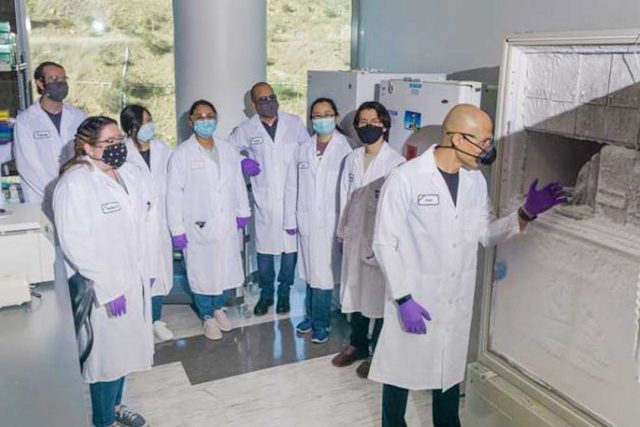
INTERVENN BIOSCIENCES, a Filipino-founded biotechnology company based in the US, is bringing its early cancer detection tests powered by artificial intelligence (AI) to the Philippines. 

The San Francisco-based firm — which recently opened its local headquarters in The Podium in Ortigas business district, Mandaluyong City — aims to recruit more local talent

“We are bringing resources into the Philippines. We expect that, by the end of 2022, InterVenn will have brought over half a billion pesos into the Philippine economy,” said Axel Kornerup, InterVenn’s general manager, at the July 22 launch.  

“As of today, we have over 150 Filipino employees based in the Philippines, majority of which are software developers,” he added.  

A DROP OF BLOOD
The InterVenn Ovarian Cancer Liquid Biopsy (VOCAL) testing program is an ongoing collaboration with local oncologists from the National Kidney and Transplant Institute, The Medical City, and the Philippine General Hospital.  

InterVenn’s goal is for the next-generation liquid biopsy diagnostic test to determine whether a person has cancer with only a drop of blood. Though it’s being developed for ovarian cancer, there are earlier stage studies being done for liver cancer.  

According to Dr. Beatrice J. Tiangco, oncologist and InterVenn consulting scientist, a traditional biopsy, requested by a doctor after finding an abnormal mass in a person, requires invasive surgery.  

A quick finger prick is an easier option in comparison, especially for Filipinos who may have a fear of surgical procedures, she said.  

“While traditional tests would take at least seven days to get a result, the new liquid biopsy test may be able to reduce that to minutes or seconds,” Dr. Tiangco added.  

InterVenn aims to make the test available soon, with significant progress by the middle of next year. Though it may be made into a home testing kit or added to annual physical exams in the future, the company is focused for now on ensuring high testing accuracy.  

‘ASIAN-CENTRIC’
In 2021, the company received P10 billion in funding to develop Dawn, a blood-based test that can assist doctors in matching cancer patients to immuno-oncology therapies.   

Previously, it had developed Glori, a test that can determine whether pelvic tumors in women are benign or malignant with 86% accuracy. Both tests are possible through an AI-enabled software platform that can perform glycoproteomic analysis.   

Aldo Carrascoso, the Filipino co-founder and chief executive officer of InterVenn, explained that glycoproteomics is basically the study of sets of proteins in the body and the sugars attached to them. Analyzing these helps in identifying cancer biomarkers and developing liquid biopsy cancer detection tests.   

The fact that 90% of drugs and diagnostics were created primarily for a Western demographic motivated InterVenn to be an “Asian-centric company,” he added.  

Mr. Carrascoso founded the firm in 2017 with two multi-awarded scientists: Dr. Carolyn Bertozzi, a chemist and professor at Stanford University in California; and Dr. Carlito LeBrilla, a researcher and distinguished professor of chemistry at University of California, Davis.  

DoE’s Lotilla outlines priorities; renewables and nuclear in focus

REUTERS

THE PHILIPPINES needs to diversify its sources of energy for the security of supply, the Energy chief said on Tuesday, as he outlined the administration’s priorities to include developing indigenous sources and possibly adopting nuclear energy.

“For power, this will include the 28,000 gigawatts of offshore wind which can be mobilized by 2030,” Department of Energy (DoE) Secretary Raphael P.M. Lotilla said in a briefing led by the country’s economic managers after the President’s State of the Nation Address (SONA) on Monday.

He also said that to achieve energy diversification, new technologies and nuclear solutions could be utilized to partly address energy supply issues.

“100% of our fuel requirements are imported. In the power sector, 45% of our plants use coal for fuel and 80% of that coal is imported. Another 11.8% of the fuel for power is oil-based,” said Mr. Lotilla, who gave his comments by phone in the event shown by state media.

“These show our country’s vulnerability to volatilities in global prices,” he said.

Mario C. Marasigan, director of the DoE’s Electric Power Industry Management Bureau, said during the briefing that while the country has a sufficient supply of liquid fuel and electricity, the cost is dictated by imported fuel.

Mr. Lotilla said that he had been instructed by President Ferdinand R. Marcos, Jr. that top priority should be given to addressing uncertainties regarding investment incentives to the upstream sector, especially natural gas.

He said one of these is the interpretation of Presidential Decree (PD) 87, which was issued to revamp petroleum legislation by introducing the service contracting system.

“PD 87 allowing the service contractor’s corporate taxes to form part of the government’s 60% net share has hindered investments and roll out in this sector. The DoE will be submitting a clear articulation of that policy. We will seek legislative articulation of that policy,” Mr. Lotilla said.

He also said that his department would pursue the electrification targets for households nationwide.

“There are still more than a million unserved households in the country, with more than 800,000 in Mindanao,” he said.

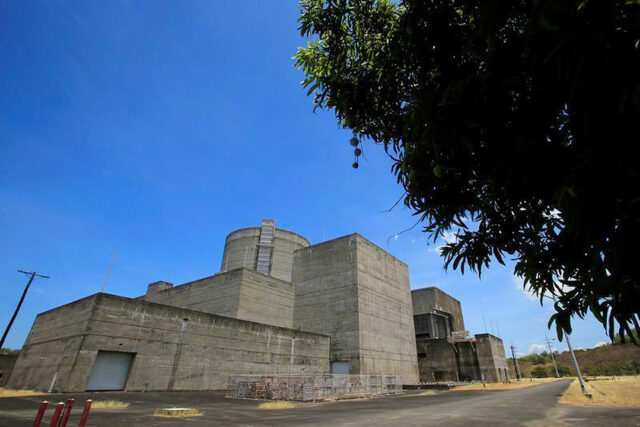
In Mr. Marcos’ SONA, he said that it is time to re-examine nuclear energy to attract more investors and ensure enough power supply. He said that cheap and reliable energy is a requirement for economic growth as it is related to the ease of doing business.

“There is some room to expand our present power supply through existing power sources, but this is only to a very limited extent. We must build new power plants. We must take advantage of all the best technology that is now available, especially in the areas of renewable energy,” he added.

Philippine Nuclear Research Institute Director Carlo A. Arcilla told Businessworld through Viber that adopting nuclear energy is feasible as long as there is political will.

Meanwhile, several energy companies and environmental groups were divided on the government’s energy agenda.

Philippine Energy Efficiency Alliance (PE2) President Alexander D. Ablaza said that energy efficiency should be planned as a primary resource when determining additional capacity requirements in the 2040 energy mix.

In a statement released by PE2, it said that Mr. Marcos’ push for a closer linkage between the energy sector and the country’s climate agreement compliance is a welcome policy statement.

It said that the President in his address sought “several reforms in the energy sector targeted toward increasing generation capacities, decarbonizing the supply-side of the power industry, while reducing energy prices.”

“What the energy efficiency industry was hoping to hear from his address however was the explicit scale-up of energy efficiency interventions as a cost-effective solution to support the energy security and decarbonization objectives of the Philippines,” it said.

Alternergy Holdings Corp. led by Energy chief Vicente S. Pérez, Jr. backed Mr. Marcos’ call to improve the mix of energy supply between traditional and renewable sources.

“This is a strong statement and sets a clear direction for the energy industry to rally behind [Mr. Marcos’] call to build new power plants and with the use of renewable energy,” Mr. Perez said, noting that Alternergy and its subsidiaries plan to bring some 1,245 MW of new renewable energy capacity in the next five years.

On the other hand, Greenpeace campaigner Khevin Yu described the government’s call to include nuclear in the country’s energy mix as a “dangerous” proposition.

Mr. Yu said that housing a nuclear plant in the Philippines is like building a ticking bomb because the country is often devastated by typhoons and earthquakes.

“Nuclear and fossil gas should be out of the picture today; it’s hypocritical to talk about addressing the climate crisis while prioritizing dangerous energy sources. If the President is sincere about acting on the environment and climate, he should head straight for genuine renewable energy — and stop promoting nuclear and fossil gas,” Greenpeace said in a press release. — Ashley Erika O. Jose