Home Blog Page 3544

MIC explores investments in coconut oil mills, refineries

A Filipino worker inspects coconuts at a plantation in Quezon province in this picture taken on Aug. 11, 2004. — REUTERS

THE MAHARLIKA Investment Corp. (MIC) is looking into investing in the agro-industries sector, specifically coconut oil mills and refineries.

“The MIC Board approved discussions with the Department of Finance-Privatization Management Office to explore investment opportunities in government assets, particularly in coconut oil mills and refineries,” it said in a statement over the weekend.

In a Viber message, MIC Chief Executive Officer and President Rafael D. Consing, Jr. said that the corporation is “seeking to identify strategic opportunities within the agri sector.”

No other details were provided.

“Proceeds of the Coco Levy Trust fund go to programs for farmers, an investment in line with the government’s socioeconomic development program,” the MIC said.

In 2021, then-President Rodrigo R. Duterte signed Republic Act No. 11521 or the Coconut Farmers and Industry Trust Fund Act.

The law puts coconut levy assets into a trust fund that finances rehabilitation and modernization projects for the coconut industry.

Data from the Philippine Statistics Authority showed that the value of coconut oil exports jumped by 26.9% to $138.17 million in January from $108.92 million in the same month a year ago.

Around 80% of the country’s total coconut production is processed into copra, the feedstock for coconut oil mills, according to the Agriculture department.

However, the average annual capacity utilization rate of the coconut oil mills from 2009 to 2013 was only recorded at 49.8%.

Meanwhile, Danilo V. Fausto, president of the Philippine Chamber of Agriculture and Food, Inc., said that the sovereign wealth fund’s interest in investing in coconut oil mills and refineries is a welcome move.

“I think we have several coconut oil mills which are part of the assets of the coconut levy funds. They are supposed to be liquidated within five years from the date the law was passed,” he said in a Viber message.

“We need these coconut mills whether public or private in order to increase our share of the export market for coconut products. The Maharlika fund is a good outlet in liquidating these assets so that benefits could be given to coconut farmers out of the proceeds of sale,” he added.

On the other hand, Samahang Industriya ng Agrikultura Executive Director Jayson H. Cainglet said that the MIC’s “big business approach” is unlikely to prioritize coconut farmers.

“Value-adding economic activity should be at the farm level. We’d rather see public investments in coconut processing so that farmers can benefit,” he said in a Viber message.

“Promoting value chain development with the farmers having a central role from supply to processing and marketing would ensure that they are able to capture the bigger share of the pie,” he added.

He cited the production of virgin coconut oil, edible oil, coconut water, charcoal briquette and other value-added products that can be produced by farmers.

The MIC earlier identified its priority sectors such as energy, physical and digital infrastructure, food security, aviation and aerospace, mineral processing, transportation and tourism.

Earlier this month, Mr. Consing said that the MIC is seeking to raise $1 billion for energy projects. The bulk of its initial investments will be focused on energy, he said.

The MIC has an authorized capital stock of P500 billion. — Luisa Maria Jacinta C. Jocson

Archivers make up for lost time in preserving Philippine past on film

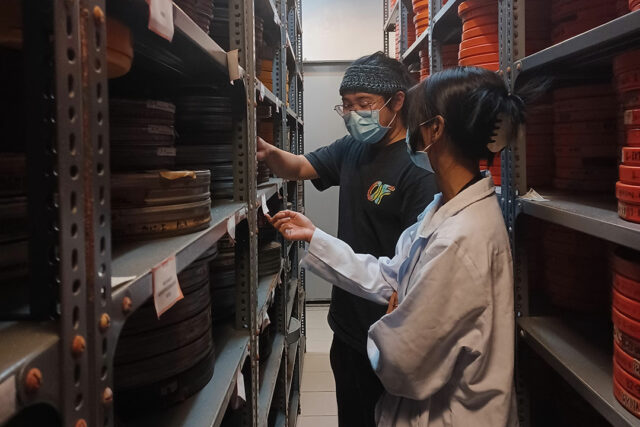
Philippine Film Archive employees inspect the vault containing film reels — BRONTE H. LACSAMANA

By Brontë H. Lacsamana, Reporter

TEDDY CO, a 64-year-old film curator, cinephile and advocate of archiving and regional cinema, helped shape Philippine film history.

Many Filipino archivists turned to him for information on lost films, including anecdotes about their origin and possible location. He was more of an oral historian, the people around him scrambling to take notes as he went off on a tangent about tidbits that led to long-forgotten reels.

People who knew Mr. Co felt the hole he left behind when he died in November.

“He found a missing reel of Gerardo de Leon’s 1961 film The Moises Padilla Story,” Don Gervin T. Arawan, head of the Philippine Film Archive (PFA), told BusinessWorld. “The film was shown back in 1985, but with a questionable arrangement of scenes due to possible censorship.”

PFA consulted film scholar Clodualdo “Doy” Del Mundo, Jr., the film’s own assistant director Dik Trofeo and Mr. Co, who spent a whole day discussing the film’s original contents, to come up with a decent edit, Mr. Arawan said.

The film premiered in September 2022 and was shown in December 2023 in a tribute to Mr. Co’s life and work.

Mr. Arawan said PFA is trying to catch up with lost time.

“We only recently started archiving even though Philippine cinema has existed for over a hundred years,” he said. “We do recover a lot, but it still hurts to have lost a lot already, especially those with missing or damaged parts.

The law that created the Film Development Council of the Philippines (FDCP) mandated film archives to keep film negatives safe. PFA was born in 2011 to preserve and promote the country’s cinema, but it only began digitizing old analog films in 2018.

About 20-40% of film cans retrieved from depositors are unsalvageable due to poor storage conditions, according to the agency. The acetate-based reels suffer from extreme vinegar syndrome, called such due to the intense vinegar-like fumes they emit.

Before the internet and online streaming, there was no reason to care for films after their theatrical release. In the Philippines, humid weather and high maintenance costs also shortened their lifespan — each film costs at least P1 million ($17,900) to restore.

“Archiving here isn’t known as a profession,” Mr. Arawan said. “Very few people understand what it means, so it really takes effort to tell people about it so they know that money needs to be allocated.”

Last year, PFA managed to restore six films — two more than target — using part of its P308-million budget.

Private institutions have been filling the gaps all the while, with the ABS-CBN Film Archive at the forefront.

The archive’s head, Leonardo “Leo” P. Katigbak, has led the network’s film restoration campaign Sagip Pelikula since 2011. ABS-CBN’s first-ever digitally restored film under the project was Ishmael Bernal’s 1982 classic Himala, which was screened in 2012. It has restored more than 200 films since then.

“We have state-of-the-art facilities, vaults that are temperature- and humidity-controlled,” Mr. Katigbak said at a free screening of Ibong Adarna, LVN Pictures’ 1941 film adaptation of the Filipino epic, in November. “For restoration, we deal with 24 frames per second of film, which is about 200,000 frames that we painstakingly fix.”

The denial of ABS-CBN’s broadcast frequency franchise in 2020 was a major setback for the archive, which was forced to downsize amid a coronavirus pandemic.

The pandemic also brought supply issues, with some imported chemicals or equipment failing to arrive, while extra restoration work paused due to lockdowns.

Spreading the advocacy online became a big priority, too. “We have to make sure the things we do are seen by many,” Mr. Katigbak said.

The Ibong Adarna screening was part of a set of restored Filipino cinema classics shown at the Manila Pop Culture Convention.

Archivers stressed the importance of online services, special screenings and talks to increase public access, Rosemarie O. Roque, board president of the Society of Filipino Archivists for Film (SOFIA), said in an interview.

“Archiving is a selfless act,” she said. “That’s why collectors are not archivists. The act of preserving doesn’t stop with a person or institution’s collection; it should go beyond one’s lifetime.”

In 2023, films by the late national artist Ishmael Bernal, Lino Brocka and Marilou Diaz-Abaya hit the big screen thanks to the Cultural Center of the Philippines’ Cine Icons program.

Many of these digitally restored gems are also available online, allowing Filipinos to see them. Online platforms include FDCP’s Juanflix, ABS-CBN’s iWantTFC, Apple TV, Netflix, Prime Video, KTX.ph, Facebook and YouTube.

Probe Archives, which focuses on documentaries produced by the Probe Team from 1988 to 2004, is working on digitally converting its collection of 14,000 U-matic, mini DV, Betacam and magnetic tapes by 2025.

LONG-LOST FILMS
“Probe produced stories that are documentary-based and evidence-based, the preservation of which will help with fact-checking in the modern age,” Julie Ann S. Nealega, Probe Archives’ head, said at a talk on film preservation at FDCP in November.

The team uploads on social media its fact-checking shows that use footage from old documentaries as context.

SOFIA also held campus talks as part of their 30th founding anniversary in 2023 to spread awareness about audiovisual heritage among students.

SOFIA is set to hold a summit where member groups like the Mowelfund Film Institute, Fernando Poe Jr. (FPJ) Archives and the University of the Philippines Film Institute can discuss their initiatives.

“We have to strengthen the archiving community,” Ms. Roque said. “Our summit for 2024 will be based on surveys conducted at the pre-summit, so we know if we need workshops on topics like copyright or ethics.”

Archives may involve a filmmaker or students making thesis films, and the jury is still out on an autonomous, exclusively mandated national audiovisual archive.

PFA is bound by being a unit of FDCP, unlike the National Library, National Museum or National Archives of the Philippines, which all stand on their own.

In 2023, the Senate public information committee heard a bill that seeks to set up a National Film Archive of the Philippines. The House of Representatives had also discussed having a separate archiving agency as proposed by Pangasinan Rep. Christopher de Venecia.

Mr. Arawan said they wish to jumpstart the archive’s move to FDCP’s Philippine Film Heritage building in Intramuros, which broke ground in October.

“Unlike our current building, the Film Heritage building will actually be designed for the archives,” he said. “It will also have a cinematheque and a gallery, which will make it an essential part of the Intramuros museum tour.”

This is a major push to increase public access to film archives, but much needs to be done. In other countries, audiovisual archives are housed in old bunkers and protected by heavy vault doors — a staple of few private archives in the Philippines.

A number of Filipino archivists are active in international networks like the Southeast Asia-Pacific Audio-Visual Archive Association and the International Federation of Film Archives.

There, they exchange information on archiving processes and comparative research. Filipinos learn from best practices abroad and, most importantly, locate long-lost films, Mr. Arawan said.

He recounted how the Venice Film Festival Archive called PFA one day to say that they had stumbled on a copy of National Artist for Film Manuel Conde’s 1950 biopic Genghis Khan. “We asked for it and restored it since it is a landmark film that introduced Filipino creativity to the world,” he said.

SOFIA’s Ms. Roque said it’s impossible to archive alone because finding material takes many referrals.

This was true for the discovery of Mike de Leon’s 1984 film Sangandaan, which is the original, uncut version of Sister Stella L that was only ever screened in France.

It started with the late Teddy Co chatting with other cinephiles after an event. He had revealed that the movie as Filipinos know it had a different title, a factoid Ms. Roque then pursued with the help of European archivist friends, she said.

It eventually led her to Cinémathèque Française, where she found the 35-mm film in good condition.

“Archiving is collaborative,” she said. “No one can ever do it alone. That’s why we have to bring the community together.”


External debt hits record $125.4 billion at end-2023

A person shows US dollars at a currency exchange stall in Manila, Philippines, Oct. 21, 2022. — REUTERS

THE PHILIPPINES’ outstanding external debt hit a record-high $125.4 billion at the end of December, equivalent to 28.7% of gross domestic product (GDP), data from the Bangko Sentral ng Pilipinas (BSP) showed.

The central bank reported that external debt jumped by 12.7% from $111.3 billion at end-2022. It was also up by 5.5% from $118.8 billion as of end-September.

“The rise in the debt level was due to prior periods’ adjustments (i.e., borrowings made in previous quarters) amounting to $2 billion, of which $1.9 billion were borrowings by private sector nonbank firms,” the BSP said.

External debt includes all types of borrowings by residents from nonresidents.

The BSP said the increase in debt level is mainly attributed to net availments worth $4.9 billion by both the private and public sectors.

“The positive foreign exchange revaluation of borrowings denominated in other currencies as well as the net acquisition of Philippine debt securities by nonresidents from residents further increased the debt stock by $960 million and $816 million, respectively,” it said.

Last year, the peso appreciated by 18.5 centavos or 0.33% to P55.37 on Dec. 29 from its P55.755-per-dollar close on Dec. 29, 2022.

“The rise in the external debt stock was partially tempered by prior periods’ adjustments of $98 million,” it added.

The BSP said that the year-on-year rise in debt was due to “net availments of $9.2 billion, bulk of which were net borrowings by the National Government (NG).”

It also said this was due to the “change in the scope of the external debt to include nonresidents’ holdings of Philippine debt securities issued onshore reported in the first quarter of 2023 and prior years’ adjustments of $1.2 billion.”

This brought the external debt ratio, or the external debt as a percentage of GDP, to 28.7% in the fourth quarter. This was higher than 28.1% in the third quarter and the 27.5% ratio as of end-2022.

The debt service ratio, or principal and interest payments as a fraction of export receipts and primary income, jumped to 10.2% from 6.3% a year ago.

The BSP attributed this to higher principal and interest payments. From May 2022 to October 2023, the BSP raised borrowing costs by 450 basis points (bps) to bring the key rate to 6.5%, the highest in nearly 17 years.

“External debt service burden nearly doubled in US dollar terms in 2023 due to sharply higher US and global interest rates since 2022 to better manage both inflation and inflation expectations, amid higher world oil and other commodity prices triggered by the Russia-Ukraine war nearly two years ago,” Rizal Commercial Banking Corp. Chief Economist Michael L. Ricafort said in a Viber message.

The US Federal Open Market Committee (FOMC) has raised borrowing costs by 525 bps from March 2022 to July 2023, bringing the target Fed fund rate to 5.25-5.5%.

Meanwhile, BSP data showed that private sector debt rose by 5.4% to $47.6 billion at end-December from $45.1 billion in the previous quarter.

“Private sector borrowings for the quarter were mainly driven by the $3-billion availment by a nonbank firm under a syndicated loan from offshore banks. Proceeds from said borrowings were used to finance its capital expenditures and maturing obligations,” the BSP said.

It noted that the bulk of the recorded availments were from the increase in short-term liabilities of local banks and borrowings by private sector nonbank entities.

Meanwhile, public sector debt increased by 5.6% to $77.8 billion in the fourth quarter from $73.7 billion in the previous quarter.

The bulk or 91.2% of public sector obligations were from NG borrowings while the remainder came from government-owned and -controlled corporations, government financial institutions and the BSP.

“Public sector borrowers, on the other hand, tapped official creditors and the Islamic finance market through the maiden issuance of the NG’s $1-billion 5.5-year dollar-denominated Sukuk bond to fund general financing requirements, infrastructure projects, and social welfare programs.”

At end-December, the Philippines’ top creditor countries were Japan ($15.6 billion), China ($4.7 billion) and the United Kingdom ($4.2 billion).

Loans from multilateral ($33.1 billion) and bilateral sources ($15.2 billion) accounted for 38.5% of all external debt.

This was followed by bonds ($40.9 billion or 32.7%) and foreign banks and other financial institutions ($28.7 billion or 22.9%), while the rest ($7.5 billion or 6%) were owed to suppliers and foreign exporters.

“For the coming months, possible Fed rate cuts later in 2024 could help ease the country’s external debt service burden in terms of lower interest expenses on foreign debts going forward,” Mr. Ricafort said.

Markets are anticipating the Fed to begin cutting rates by the middle of the year, with the BSP expected to follow suit.

The FOMC is scheduled to have its meeting this week (March 19-20) while the Monetary Board is set to hold its next policy meeting on April 4. — Luisa Maria Jacinta C. Jocson

Innovation, a key driver of the trust industry

By Bjorn Biel M. Beltran, Special Features and Content Assistant Editor, BusinessWorld

Trust is the cornerstone of banking and financial services. Even in ancient Mesopotamia, when trade and barter was the primary economic model for civilization, temples acted as the repositories for agricultural goods and precious metals, because people trusted their religious leaders to protect their valuables and facilitate equitable lending transactions in the form of grain loans or commodity exchanges.

In the Middle Ages, as merchants started to need safer means of wealth storage and long-distance commerce, the earliest establishments most resembling the banks of today rose to prominence, such as the famous Medici Bank in Italy and the Fugger Bank in Germany, alongside innovations like sophisticated bookkeeping and paper currencies.

Now in the digital age, innovation once again fuels the engine of progress in the financial industry, nurturing greater trust between financial institutions, their clients, and broader market participants, by enhancing efficiency, transparency, security, and accessibility.

Dr. Robert B. Ramos, CFA, CAIA, president and chief executive officer (CEO) of RCBC Trust Corp., said that their clients’ habits have been shifting towards digital since the digital transformation took off in the industry a few years ago.

“The use of digital platforms and other electronic means for account opening, order-taking, report generation and investment portfolio monitoring is becoming the norm especially for retail clients,” he said in an interview with BusinessWorld.

Naturally, this change in consumer demand led to a reevaluation of their strategy. Dr. Ramos explained that the shift to digitalization has not only changed the way they sell their products and process their transactions, but it fundamentally changed how they interact with their clients. “Providing our clients with a convenient and effortless way to access investment products has always been a top priority for us,” he said.

“A number of our client meetings are now held virtually. This enables us to ‘e-meet’ and to discuss our services with several clients in a day. Further, more clients prefer to do their investments online now rather than going to the branch or submitting hardcopy documents,” he said.

Ms. Maria Theresa Marcial, president and CEO of BPI Wealth, shared similar comments, saying that major players in the industry have been upgrading their digital platforms to become more intuitive, aesthetic, and make financial content more accessible to the general public.

“More than refreshing the look, the aim is to make content more understandable for those who may not have extensive financial expertise,” she said, adding that technologies like artificial intelligence (AI) have been a great boon towards streamlining and enhancing their client services.

“We innovate because we always want to elevate the customer experience to the next level. Through our recent innovations, we have improved access to our products and made the process of onboarding virtually ‘painless.’ Our turnaround times for transactions have also been significantly shortened. There is an increase in transparency since portfolios can be monitored real-time and reports can be generated online. All these enhanced trust and confidence among our clients,” Dr. Ramos added.

On new technologies, Ms. Marcial mentioned that robotic process automation combined with AI in advanced data analytics could potentially enable the handling of large datasets, identification of patterns, and generation of financial insights, ultimately allowing account officers  to offer more tailored advice and investment solutions for their clients.

Mr. Raffy Ayuste, former chief trust officer at BDO Unibank, Inc., echoed the sentiment: “AI undoubtedly will have an immense impact on the trust business in the country. It’s a reality in trust services as the technology continues to evolve and deepen to provide meaningful results and widen its reach. The major impact will be much felt in the investment advisory aspect.”

“It will provide more personalized financial advisory options, given clients’ situations and preferences, than what is currently in place in the local market. It will provide better guidance in the generation of return on investments,” he added.

Essentially, as the financial landscape continuously adapts to meet changing consumer expectations, innovation has become even more compelling, particularly at a time when emergent technology like AI is improving at a lightning-fast pace.

Much has been discussed about the benefits of digitalization towards the pursuit of broader financial inclusion, as the Bangko Sentral ng Pilipinas has made it a goal to create a digital financial ecosystem with “the right mix and range of financial service providers, digital solutions and delivery channels to promote the efficiency and reach of financial products and services.”

The effort has been paying off. According to BSP Governor Eli M. Remolona, Jr., 65% of the adult population have bank accounts in 2022, up from about 56% of all adults in 2021, and even higher from the 29% recorded in 2019.

This translates to about 22 million Filipinos having gained access to formal financial accounts between 2019 and 2021, driven by accelerated growth of digital payments.  In addition, the share of digital payment transactions reached 42% in 2022, from 30.3% in 2021.

Under its Digital Payments Transformation Roadmap, the BSP aims to digitize 50% of total retail transactions and onboard at least 70% of Filipino adults to the financial system by the end of 2023.

“Yes, we are gaining ground, but there is still so much more that we can do,” Mr. Remolona had said.

Technologies like AI promise to transform the landscape even more, breaking down conventional barriers and empowering individuals to participate in the formal economy, thus fostering inclusivity and trust in the system’s ability to serve diverse needs.

AI, according to Dr. Ramos, can be applied in anything from account on-boarding, building an investment portfolio, rebalancing a portfolio, and report generation, among others.

“It can also help in slicing and dicing market segments so we can push the appropriate products to clients who actually need them. The possible applications of AI are endless and the industry needs to be able to capitalize on this to be able to compete,” he said.

Ms. Marcial said that unrelenting digitalization will only serve to improve customer experience, making investment processes transparent and understandable, thus building trust and confidence in the services provided.

“The integration of digital technologies, automation, a forward-thinking workforce, and a redefined advisory role collectively contributes to enhancing trust and confidence in the trust and asset management industry,” she said.

A technological revolution in banking is underway, and it will not be limited to these technologies either. As advancements such as blockchain, biometric authentication, and AI-driven fraud detection become more prevalent, consumers can expect heightened security, transparency, and truly personalized experiences from their trusted financial partners.

Not only can the integration of these technologies forge deeper relationships between banks and their clients, it will foster a banking environment where trust is not only upheld but strengthened —  an environment where consumers are empowered, confident, and included in the country’s economic development.

This article is in the special edition of BusinessWorld In-Depth digital magazine, in celebration of Trust Consciousness Week. Get the full issue for FREE via BWorldX. Visit www.bworld-x.com.


Spotlight is BusinessWorld’s sponsored section that allows advertisers to amplify their brand and connect with BusinessWorld’s audience by publishing their stories on the BusinessWorld Web site. For more information, send an email to online@bworldonline.com.

Join us on Viber at https://bit.ly/3hv6bLA to get more updates and subscribe to BusinessWorld’s titles and get exclusive content through www.bworld-x.com.

Trust’s remarkable evolution in the Philippine financial landscape

By Angela Kiara S. Brillantes, Special Features and Content Writer, BusinessWorld

Banking is a fundamental aspect of the economy. It provides financial security among individuals, businesses, and government agencies to manage their finances, investments, and loans.

Throughout the years, prominent drivers of the sector have contributed to the growth of banking. Among these drivers is trust services which not only develop financial health but also cater to the growing demand for services that goes beyond safekeeping, borrowing, and lending.

The trust industry is a key driver to financial stability in the Philippines. As the country’s credit and investment rating improved in recent years, the business of trust has become more important than ever.

To ensure better quality financial services and contribute to the development of capital markets in the country, the Trust Officers Association of the Philippines (TOAP) was founded in 1964; and since then it has been at the forefront of financial management and services.

In its earlier years, the association focused on managing court trusts, land registrations, and selective trust funds; and later on, as the business of trust began to grow, TOAP played a wider role in further pioneering the Philippine financial services sector.

Since its inception, the association has been working closely with the Bangko Sentral ng Pilipinas (BSP) to further promote trust, investment, and fiduciary services in the Philippine market.

“The trust industry today has transformed significantly since its entry into the local financial system at the start of the 20th century. Although the development of the trust concept was slow in the beginning, the local trust business has steadily evolved to reach a level comparable to its counterparts in the Southeast Asian region in terms of structure, investor sophistication, and product offerings,” TOAP said in its 50th anniversary coffeetable book.

Through the years, TOAP has seen a lot of changes, one of which is embracing digital transformation for investments. Since the pandemic hit the Philippines, the trust industry has adapted to new ways of working and doing business/es. The pandemic has driven hybrid and digital forms in work and transactions, which places an even stronger emphasis on enhancing services to clients using digital tools.

“As the economy re-opened post-pandemic, we are now seeing a combination of return to physical engagement and higher digital usage as compared to pre-pandemic,” Mr. Rafael G. Ayuste, Jr., former chief trust officer of BDO Unibank, Inc., shared. “Also, more and more trust entities are providing seamless digital investment transactions thus giving the investing public more options, variety and flexibility.”

At present, the investment landscape offers many options that are designed to address consumers’ financial needs. Unit investment trust fund (UITF), for instance, is a type of investment pool that distributes an individual’s investments in a portfolio of securities like stocks, bonds, or money market instruments.

As financial markets evolve, investment opportunities grow as well. Different types of UITFs can be explored, such as global funds that focus on global investments, feeder funds that pool money from multiple investors and invest in a master fund, and other arrangements, including investment management account (IMA) for purely investing purposes, and personal management trust (PMT) that allow clients to control their assets and provide for their beneficiaries even beyond their lifetime. These products and arrangements open the door for the Philippines to access and invest in various financial markets.

TOAP has been a witness to bringing these tools closer to Filipinos. Dr. Robert B. Ramos, president and CEO of RCBC Trust Corp., recalled that TOAP worked closely with the BSP to expand UITF structures and thus made significant progress in that regard. Such progress includes the use of banking technology, which changed the game for the sector. For instance, digital banking simplifies access to financial transactions using the internet and mobile devices, anytime and anywhere, removing the need to go to a physical branch.

Since post-pandemic, as the overall economy regains momentum, TOAP has been quickly evolving. According to TOAP data, the Philippine Trust AUM saw an increase from P5.35 trillion in 2022 to P6 trillion as of third quarter of 2023. These figures bear witness to how the association continues to be a great champion in addressing the investment needs of investors.

In line with this objective, Mr. Ayuste also shared that the association is continuously working with regulators to improve the regulatory framework, collaborating with industry players to develop top-quality products and practices, and keeping Filipino investors informed of industry developments and the benefits they can expect from these changes and initiatives.

Harmonizing whilst mitigating risks

These developments notwithstanding, the trust industry faces its own set of challenges. The primary issues stem from the increasing competition posed by brokerage houses, treasury departments, fintech, and other investment structures, as Mr. Ayuste shared.   

To address such risks, TOAP is working closely with regulators to boost the industry’s position in the market.

“TOAP continues to work with regulators to strengthen trust industry’s dominant position in the market by improving products and services as well as simplifying rules and regulations to improve efficiency and productivity. Given the highly regulated nature of the trust industry, we have seen institutions veering away from the trust structure and using the brokerage model,” Mr. Ayuste said.

To do this, the association is also taking part in legislative decisions to standardize investment structures.

“The harmonization of the rules and regulations across different regulations and regulators have been in the works for quite some time now but this goal remains to be just a plan,” Mr. Ayuste added. “The harmonization is crucial to ensure leveled playing fields among the market players to enable best-in-class products for the benefit of the investing consumers.”

Another challenge in the market lies within global events and their potential impact on the Philippine economy. Dr. Ramos believes that industry players must strive to mitigate such risks by guiding clients towards diversifying their portfolios. By doing so, it will help them better manage potential risks.

Next steps for trust

Moving forward, the sector remains optimistic about how the industry will continue to grow in the following years. With the increased interest in investing, the importance of digital investment channels will become more prominent.

According to Dr. Ramos, the association will need to keep abreast of and keep adjusting to fast changes, such as in how and where consumers get their content, to drive growth in the trust industry.

“Adapt to different market conditions, changing regulatory frameworks, a more global financial marketplace, and shifting client preferences,” he advised. “TOAP members have to use the new tools that we have available to serve our clients better and serve them through the channels they prefer to use.”

Moreover, the industry will continue to thrive as the economy grows. “The increasing wealth of the Filipinos should provide the industry with solid ground to push trust as the dominant platform for wealth management in the Philippines. Already, we are seeing more players in the wealth management arena using trust as its platform,” Mr. Ayuste said.

“To this end, TOAP should push for more definitive regulations that serve the needs of the more sophisticated investors. This market requires greater access to the global investment opportunities that they get from their off-shore bankers. This market is very ripe for the picking, but regulations must be able to distinguish between protecting the ordinary Filipino investors and the needs of the sophisticated Filipino investors,” he added.

This article is in the special edition of BusinessWorld In-Depth digital magazine, in celebration of Trust Consciousness Week. Get the full issue for FREE via BWorldX. Visit www.bworld-x.com.


Spotlight is BusinessWorld’s sponsored section that allows advertisers to amplify their brand and connect with BusinessWorld’s audience by publishing their stories on the BusinessWorld Web site. For more information, send an email to online@bworldonline.com.

Join us on Viber at https://bit.ly/3hv6bLA to get more updates and subscribe to BusinessWorld’s titles and get exclusive content through www.bworld-x.com.

Electric roll call

We should be positively stoked about the state of our EV market

PARDON THE PUN, but it’s almost shocking when you realize that there are now more pure electric vehicles on the market than there are pickups and vans combined.

And you know how crazy Filipinos are about pickups and vans.

Just three years ago, electric vehicles were more a curiosity than a legitimate alternative to an ICE (internal combustion engine) car. The choices then were pretty much the Nissan Leaf (which retailed for just under P2.8 million) and the Porsche Taycan (well, if you need to ask the price…).

Fast-forward a mere three years and, thanks to the EVIDA Law that granted tax breaks to electrified cars, the Nissan Leaf is now just under P1.9 million (a whopping P900,000 price drop) while the Porsche Taycan has been joined by pure EVs from Audi, Lexus, BMW, and Mercedes-Benz — plus a dozen other mainstream brands. You can now bring home a pure EV for under P700,000.

CHALLENGES
Of course, the principal issue pertaining to EV ownership — range anxiety — is still there. And while many electric vehicles have impressively long driving range (a fair number can exceed 400 kilometers on a full charge), it is still the severe lack of charging stations that give car buyers pause.

Yes, you can drive a fully charged EV every day for a week for your home-office commute and need to charge it only by the weekend, but people who buy cars would prefer that it be able to take them to a round of golf in Laguna on a whim (without having to calculate if they can make it back) or go on a drive to Baguio and not have to worry about finding an AC outlet as soon as they arrive.

Yes, there is a growing number of charging stations in the malls, but the two or three charging stations in each mall are proving inadequate to charge the fast-growing number of EVs and plug-in hybrid electric vehicles (PHEVs).

I’ve brought EVs and PHEVs to malls and, half the time, all the charging station slots are occupied. For weekends, it’s a totally different matter; they’re almost always full.

There simply should be more charging stations at malls, and also at car parks, office and residential condominiums, and along major thoroughfares (especially along NLEX, SLEX, and other expressways). They don’t even have to be for free (as they are now at the malls).

RELIABILITY
EV reliability? The myth about poor electric car reliability has been busted, at least according to data from one of the UK’s leading vehicular breakdown providers.

Contrary to common perceptions, EVs are 59% less likely to require a breakdown emergency call than ICE vehicles, at least based on UK statistics.

“Our figures show electric cars ranging from new to 10 years old are 59% less prone to breakdowns than ICE cars,” said UK firm Start Rescue Managing Director Lee Puffett. “This might surprise some motorists, but with more than a million EVs now on the UK’s roads it shows drivers can choose an EV, confident that they are less likely to be stranded at the roadside.”

Puffett added: “The hurdle to buying an EV of any age is more psychological than real for most buyers looking to make the switch from ICE to electric power. EV batteries are not like the ones in your mobile phone or laptop — they retain far more of their charge capacity to give you plenty of driving range. However, you still need to look after the 12-volt battery to avoid one of the most common causes of call-outs.”

An EV’s 12-volt battery, very similar to the one you’ll find in a regular ICE car, performs the same functions as in petrol and diesel cars, such as powering the dashboard electronics, which enable the vehicle to start, as well as supplying electricity for the power door locks, lights, wipers, power windows, power seats, the sunroof, and the infotainment system.

The good news, from Start Rescue’s own data, is that EVs are less likely to suffer from a dead battery emergency call than petrol or diesel cars. For EVs, this accounts for 23.7% (just under one out of four) of call-outs compared to 29.7% (one out of three) for petrol and diesel. Regular use keeps the 12-volt battery in good condition and avoids breakdown emergency calls as EVs still need this system to open the doors and start.

WHO’S SELLING WHAT?
So what are the pure electric cars on the market now? Here they are (and their various models) in alphabetical order:

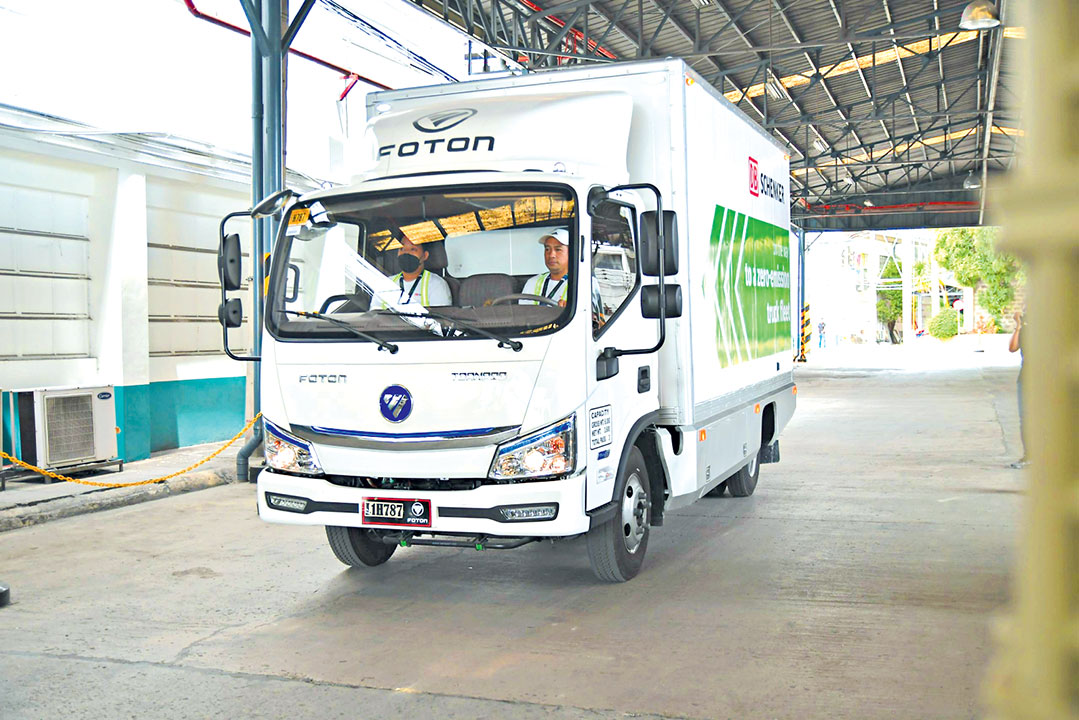
There are now 16 automotive brands that purvey (or will soon bring in) 32 different models of pure electric vehicles. And that’s not even counting the individual variants. I added Foton’s Tornado EV light truck as it was the first fully electric truck to hit the local market.

No less than six luxury brands offer full EVs while 10 mass-market brands are currently offering (or are planning to release) them soon. Prices range from a low of P699,000 for the Jetour Ice Cream (100kph top speed and 170-km driving range) to a more mainstream P1,468,888 for the MG 4 EV all the way to over P4 million (and in some cases, way over P4 million) for the luxury brands. And there are several more new EVs expected to debut in next month’s Manila International Auto Show (MIAS 2024).

All of this bodes well for the future of electrified mobility in the country. More choices are always good. We just need the government and big business to get the ball rolling faster. The age of noiseless and smoke-free urban centers might yet be realized in our lifetime.

Celebrity running shoe brand opens stores in Manila

Favored by Gwyneth Paltrow and Kylie Jenner

US WEEKLY lists Reese Witherspoon, Gwyneth Paltrow, Kate Hudson, and Kylie Jenner as fans of running shoe brand Hoka (other publications list more celebrities; Harry Styles and Gisele Bündchen have both been spotted wearing them). While already available in the Philippines when its initial stores opened in February last year (in Ayala Malls by the Bay and SM Aura), it held a grand launch and simultaneous store openings in Greenhills and One Ayala on March 14.

BusinessWorld took a tour of the store in One Ayala, which was small at just about 100 sqm. While the heavily cushioned shoes were on display, the store’s highlight was the foot scanner, which creates a 3D model of the customer’s foot. A tablet held by a store associate interprets the resulting data, then gives a recommendation for the ideal shoe from their store. Their offerings cost between P7,000 to P9,500. We were also told that a lot of the stores’ employees are athletic themselves, which really helps for them to understand a customer’s needs. Finally, the store is equipped with a treadmill, so a customer can have a (literal) test run in the shoes.

Prasanna Bhaskar, General Manager of Asia Pacific for Deckers Brands (which acquired Hoka in 2013, joining other brands such as UGG, Teva, and Sanuk) talked about the brand’s origins in 2009:

“He was experimenting with a shoe that could help runners run fast downhill,” she said of Hoka founder Jean-Luc Diard. “It was a shoe designed to help marathoners and trailrunners,” she said, and the shoes were tested by athletes running in the Alps.

About the shoes’ comfort, Ms. Bhaskar said, “I think it’s about the safety of running in Hoka. I don’t think every cushion shoe will deliver the same comfort.”

After we listed down the celebrities we read about who were spotted wearing Hoka, she said, “Running is a thing. A lot of celebrities have taken to running, especially post-pandemic. The few names that you mentioned have been great advocates of an active lifestyle. We’re an inclusive brand, and I think it’s important that at the very soul of this brand, we… include everyone who’s willing to move, who’s engaging in a sport.”

Having been founded by a French person, we had to ask about their involvement in the Paris Olympics this year, to be held beginning in July, with the torch relay beginning in April. Ms. Bhaskar said that they’d be opening their Paris store soon. “Definitely a destination store to celebrate the Olympics,” she said.

The brand’s name, Hoka, means “Time to Fly” in Maori. “To fly is joy. Just think about the word in itself,” she said when asked about the significance of flight to the brand.

“For us, it’s about bringing joy to anyone who is active, irrespective of the sport you’re doing.”

The two new stores are on the 2nd level of One Ayala Mall, located at the corner of Ayala Ave. and EDSA in Makati, and the other at is at the GH Mall in the Greenhills Shopping Complex along Ortigas Ave. in San Juan. — Joseph L. Garcia

Mighty morphin’ mobility

PHOTO BY ANGEL RIVERO

The term ‘motoring’ is slowly being eased out, with good reason

THE LAST COUPLE of years have shown us that our motoring landscape is poised to undergo significant transformations. Quite a lot, in fact, that people in the industry no longer choose to refer to motoring as “motoring,” but instead call it mobility. This evolution is helped along by a combination of factors, such as environmental imperatives, general technological advancements, urbanization, and shifting consumer preferences, to name a few. From the democratization of shared mobility services (I’m looking at you, Uber and Grab), to the rise of electric vehicles (thanks to major advancements in battery technology and its mass production price), several key global and regional (ASEAN) trends are shaping the future of how we move.

Let’s review some of them.

Perhaps the most talked-about ongoing transformation in the realm of mobility is the electrification of vehicles. This movement is mainly driven by the global effort to reduce carbon emissions and combat climate change. Combined with major advancements in battery technology and its now lower cost of production, EVs are fast becoming viable alternatives to traditional internal combustion engine (ICE)-powered vehicles, not to mention that there is growing infrastructure of charging stations — although still a bit slow in rolling out.

Meanwhile, it really helps that governments around the world are following each other in implementing policies to help incentivize the use of EVs. Among these incentives are subsidies and tax reductions; though the implementation of stricter emissions regulations also indirectly impact traditional ICE vehicles.

Faster urbanization trends also affect people’s choices for mobility. Sometimes, it is far easier for people to not own cars, especially in congested areas, and this paves the way for the growth of shared mobility. With the new concept of mobility as a service (MaaS), there now exist platforms that integrate various modes of transportation. They integrate ride-hailing, bike-sharing, and public transit into a seamless, on-demand service that is accessible through a single digital platform. This may deliver greater convenience and affordability, while simultaneously helping to reduce pollution and transportation congestion.

The recent COVID-19 pandemic has also catalyzed major shifts in movement patterns. As we all know, work-from-home (WFH) arrangements have now become more prevalent, and there also seems to be a greater emphasis on active transportation modes such as cycling and walking. As big cities begin to reevaluate their urban planning to prioritize renewable energy and more sustainable choices, new opportunities open for mobility solutions that put a premium on health, equity, and environmental sustainability.

Then there is the continuing development of autonomous vehicles. I first heard about these over 10 years ago and, at the time, it was still controversial whether societies would allow AI (artificial intelligence)-driven vehicles to self-drive. These days, a lot of production vehicles already have some form of autonomous driving incorporated into its safety systems. It’s been a huge leap in the intervening years; in some parts of the world, autonomous vehicles are already allowed to ply certain roads (experimentally) within a controlled environment.

Furthermore, I have also seen a surprisingly fast rise in micro-mobility solutions in both Europe and Southeast Asia. Perhaps that is because they are convenient and affordable eco-friendly options for short-distance travel. They are compact and agile, and that makes them great for navigating crowded urban spaces. They are especially handy for first-mile and last-mile connectivity with other forms of transport. And as new cities invest in more infrastructure to accommodate micro-mobility vehicles for its inhabitants, it will surely surge further in popularity and play a growing role in shaping the future of urban mobility, especially in our region.

Speaking of these kinds of “smart” cities that support new-age modes of transport, we can foresee the expansion of public transport networks within them. Because the truth is, these are really more practical, efficient, sustainable, and inclusive. It is not difficult to understand how intelligent transportation systems and a sophisticated public transportation network can enhance the quality of life of its residents while simultaneously supporting economic growth and the health of its environment.

Therefore, I guess we can say that the future of mobility in Southeast Asia will be characterized by a shift towards more sustainable, efficient, and smart mobility solutions that will be tailored to address the region’s unique challenges.

PLDT sets sights on boosting home broadband infrastructure

WIKIMEDIA COMMONS/PATRICKROQUE01

LISTED telecommunications company PLDT Inc. has announced plans to bolster its home broadband infrastructure through its subsidiary PLDT Home.

The company aims to expand home broadband ports and invest further in modernizing submarine cables, PLDT said in a statement on Sunday.

“We are… confident we could do better this year, especially as we usher the era of hyper-fast Gigabit internet connectivity, introduce innovative products and services as well as vastly improve customers’ experience by fortifying the fiber network and hastening resolution of customers complaints,” Jeremiah M. De La Cruz, PLDT senior vice-president and head of consumer business, said.

PLDT has allocated between P75 billion and P78 billion for its capital expenditures this year.

The company intends to use these funds to expand home broadband ports and enhance submarine cable infrastructure, aiming to drive the company’s revenue growth.

“We actually want homes to grow even more. We’re going to accelerate the [fiber] rollout in 2024. We will have quite a significant rollout in new ports and new areas that will be fiberized in 2024,” Mr. De La Cruz said in a recent interview.

PLDT said that the company is also looking to fast-track its fiber-to-the-home (FTTH) footprint expansion.

In 2023, the company expanded its total fiber footprint to about 1.1-million cable kilometers, PLDT said.

“We will also leverage on the strength of PLDT’s fixed and wireless networks to deliver seamless connectivity, by introducing an industry-first ‘Always On’ service for customers to enjoy uninterrupted access for work, education, and entertainment even in cases of outages,” Mr. De La Cruz said.

As of the end of 2023, the total fiber subscriber count reached 3.2 million, with about 234,000 new subscribers added during the year.

Hastings Holdings, Inc., a unit of PLDT Beneficial Trust Fund subsidiary MediaQuest Holdings, Inc., has a majority stake in BusinessWorld through the Philippine Star Group, which it controls. — Ashley Erika O. Jose

On medical missions, solar energy, and eco-friendly products

SHARON DECAPIA, Senior AVP for Marketing, PR & Sustainability of Watsons

Watsons keeps an eye on sustainability practices while expanding in the country

IN LIGHT of changing sustainability priorities within Watsons, the beauty and pharmacy chain of the A.S. Watson Group has added the phrase “Do good” to their slogan, “Look Good, Feel Great.”

In a group interview with Sharon Decapia, Watsons Senior AVP for Marketing, PR & Sustainability on March 7 at S Maison in the SM Mall of Asia complex, their sustainability goals for the rest of the year were shared, resting on pillars of people, product, and planet.

Discussing the “people pillar,” she said that aside from health and wellness initiatives for Watson’s employees, the company also supports Operation Smile, an organization which helps people with corrective surgeries for cleft conditions. In a medical mission last October, they sponsored 60 surgeries. According to a company press release, “Watsons Philippines’ goal is to perform 3,300 corrective surgeries on children with cleft conditions in the country alone by 2030.”

Watsons also has other medical missions in other fields: Ms. Decapia said that they will increase their number of medical missions this year to eight, from last year’s five, with the first one to be held in Tacloban, and the next in Tagbilaran. There, they will distribute free medicines and host free medical consultations, with added services like hair, skin, and bone analysis. “We’re a health and beauty company,” said Ms. Decapia. “It makes sense that we also extend free medical consultations and free medicines to these vulnerable communities that don’t have access.”

As for products and the planet, she noted that 34 of their stores are now powered by solar energy, and there are plans to have 100 of them running on solar power by the end of this year. Eighty percent of their stores (1,114 in the Philippines by her last count) have switched to paper bags (while the remaining plastics used are biodegradable) and they plan to increase the number of items in their sustainable line (qualified by environmentally friendly packaging or ingredients) to 13% from last year’s 11%, with a goal to hit 15% in 2025. They have also managed to collect 100,000 kilos of plastic in recycling bins in-store since 2021. 

Ms. Decapia spoke about the profitability of sustainability: while the goals are great, they’re still a business, and the sustainability model should allow a business to operate, well, sustainably, in order to keep the trend of responsible consumerism going. For them, their goals affect both their marketing and consumption efforts.

“We have a specific group that monitors the actual savings in terms of electricity consumption and the corresponding peso savings,” she said. According to her, the investment in installing the solar panels and the other equipment is recovered in three to four years, and the succeeding years reflect savings.

Their research has showed that their market is primarily composed of Gen Zs and Millennials. “They are actually the generation that seeks for more sustainable options. That’s what we’re giving,” said Ms. Decapia.

On that note, their research also shows that a barrier that keeps consumers from adopting sustainable products and lifestyles is the perception of cost: buying with morals in mind can be expensive. “That’s what we wanted to debunk. At Watsons, you can have a range of options,” she said.

“Long term, of course we recognize the benefit,” she said of sustainable practices. “This is our planet. We need to be able to make sure that we get what we need now, but we also want to make sure that the future generation would be able to get what they need as well.”

Add to their store count, they plan to open 80 more shops by the end of this year. The renovations for their new flagship store in SM Mall of Asia (which might become the biggest in Asia, although Ms. Decapia said that the exact measurements are still pending) are almost complete, and it is set to reopen.

Paraphrasing Luke 12:48, Ms. Decapia said, “To whom much is given, much is expected.” — Joseph L. Garcia

Sleeping better to perform better

BRONTË H. LACSAMANA

Sealy and Ballet Philippines mix quality mattresses with ballet

SEEING ballerinas execute graceful leaps and lifts makes one wonder how the human body can be trained to peak condition for it. Mattress brand Sealy and Ballet Philippines (BP) put forth a piece of that puzzle.

The month of March bore witness to the launch of Sealy’s latest Posturepedic line — the Elevate Ultra Mattress Collection — which BP claims to be an optimal partner for providing ample sleep support for its ballet dancers.

Outside of that function, the Posturepedic line boasts a presence in many five-star luxury hotels in the Philippines. Those who want to have their own high-end mattress at home can purchase one from Sealy, with the Hotel Executive Luxury Plush starting at P207,000.

“The Elevate Ultra collection has been tested already in other markets like Singapore, and the reception was very good. It’s been there for a year already, so we’re now sure that it’s time to bring it to the Philippines,” said Focus Global, Inc. President Stephen D. Sy in an interview with BusinessWorld at the launch on March 14 in Bonifacio Global City.

He added that firm-support mattresses are more in-demand in the Philippines. In the new line, the Orthopaedic Series Spine Set fulfills this need, starting at P215,000 and geared towards firmness for ideal spinal alignment.

Meanwhile, the aptly named Royal Retreat, providing satisfyingly soft yet reliable sleep support, starts at P290,000.

The launch of the Elevate Ultra coincides with Sealy’s eighth year as part of the home furnishings store’s portfolio. “Over the past eight years, we’ve seen Filipinos rave about enhanced sleep with Sealy. It’s doing well,” said Mr. Sy.

Chee Yan Lee, Sealy Asia’s director and general manager, said in a speech that he “eagerly anticipates the ongoing success of Sealy in the region.”

Its sleep technology features include: align support titanium coils that cradle the spine, pressure relief as the mattress contours to the body, and breathability through the surface being naturally cool to the touch.

For Ballet Philippines president Kathleen Lior-Liechtenstein, partnering with the mattress manufacturer to “highlight the importance of proper support and comfort in improving physical and mental activity” was a no-brainer.

BP dancers briefly graced the launch to demonstrate this synergy, twirling on tiptoes and leaping and lifting amid the luxurious mattresses in the showroom.

“It’s a perfect synergy that enables our ballet dancers to awaken feeling rejuvenated, energized, and poised to perform with grace and harmony,” said Ms. Lior-Liechtenstein. — Brontë H. Lacsamana

DFNN board OK’s plan to raise up to P450M for cybersecurity, AI venture

LISTED gaming technology company DFNN, Inc. said its board has approved a plan to raise additional capital of up to P450 million through private placements.

This capital will be used to support the company’s expansion efforts in cybersecurity and artificial intelligence (AI), the company said in a regulatory filing last week.

The company’s board gave the green light on March 15.

DFNN aims to expand its business by venturing into cybersecurity and AI sectors, as well as by creating and acquiring new gaming platforms.

The company will also allocate a portion of the capital to pay taxes and fees associated with the issuance and listing of the new shares resulting from the private placements.

DFNN’s board also granted exclusive authority to Nautilus International Management Corp. to subscribe to and designate investors for the private placement.

“The board authorized the president and/or treasurer to accept the subscriptions and execute relevant subscription agreements thereto. The Board also delegated the authority to the management to set the price for the subscriptions,” DFNN said.

The company also set May 17 as the meeting date for its shareholders to ratify the private placements and approve their respective listing.

DFNN is an information technology provider and systems integrator.

The company said it has competencies in high volume and secure financial transactions, software or middleware development, IT support services, secure platform development, and turnkey implementations.

It also holds licenses for electronic gaming machines, a sports betting exchange, and digital and pari-mutuel games.

DFNN shares were last traded on March 15 at P3 apiece. — Revin Mikhael D. Ochave