

All-Star James

For more than two decades, LeBron James’ name on the National Basketball Association (NBA) All-Star starting lineup was not so much announced as assumed. It was a constant, arriving with the same predictability as the very passage of time. From his teenage emergence in Cleveland to his late-career stewardship in Los Angeles, the distinction was both an honor than a reaffirmation of a central truth in pro hoops: year after year, he remained its most enduring axis. This season, for the first time since his rookie year, that assumption no longer held.
The mechanics are straightforward enough. The revised All-Star voting format, with fans’ choices weighted heavily, elevated a new Western Conference starting five and left James missing the cut. To be sure, age and availability played their parts; at 41, in his 23rd campaign, he has missed games, managed his body, and picked his spots. The numbers he puts up on the board are still impressive, but they are no longer overwhelming. In a league invariably rich with peak-age superstars, respect in and of itself is insufficient currency. The ballot, cold and unsentimental, reflected the stark reality.
Yet to frame the development purely as a referendum on James’ performance is to miss the larger undercurrent. All-Star voting has always been more about presence than precision; it’s about who commands attention in a given snapshot of history. And for 21 years, he did so effortlessly. He bridged eras, platforms, and generations, remaining culturally indispensable even as the NBA continued to reinvent itself. That he is now edged out underscores not a collapse of his standing, but a public redirection of fascination. These days, the NBA’s audience is younger, more fragmented, and increasingly attached to players whose careers align with their own timelines. Legacy, his most powerful accelerator, is being overrun by immediacy.
Make no mistake. James remains productive, influential, and deeply relevant. That said, he is no longer singular enough to keep the votes that used to come his way without question. As with the great careers of countless others before him, his is ending amid diminishing certainty; he is learning firsthand the difference between being excellent and being inevitable. Michael Jordan experienced it. Kareem Abdul-Jabbar did, too. Longevity buys time, not immunity from its ravages.
Which is not to say James is done. Far from it. He will almost certainly be named an All-Star reserve, extending another remarkable run at or near the top of the heap. He will continue to shape games, conversations, and expectations for the foreseeable future. All the same, there can be no doubting that the league’s most durable presence is becoming part of its past, and faster than he would like. Not dismissed, but placed, at last, within the flow of time.
Anthony L. Cuaycong has been writing Courtside since BusinessWorld introduced a Sports section in 1994. He is a consultant on strategic planning, operations and human resources management, corporate communications, and business development.










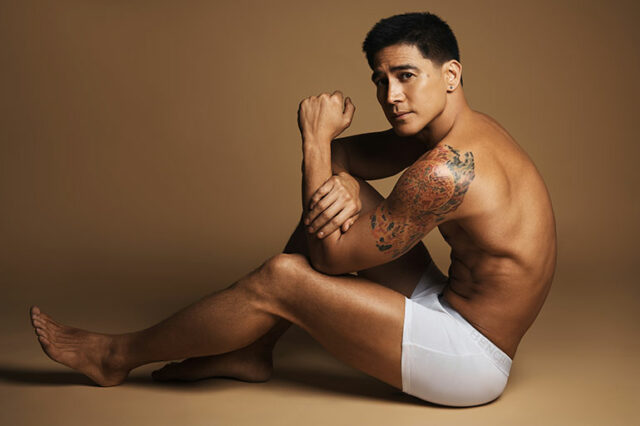
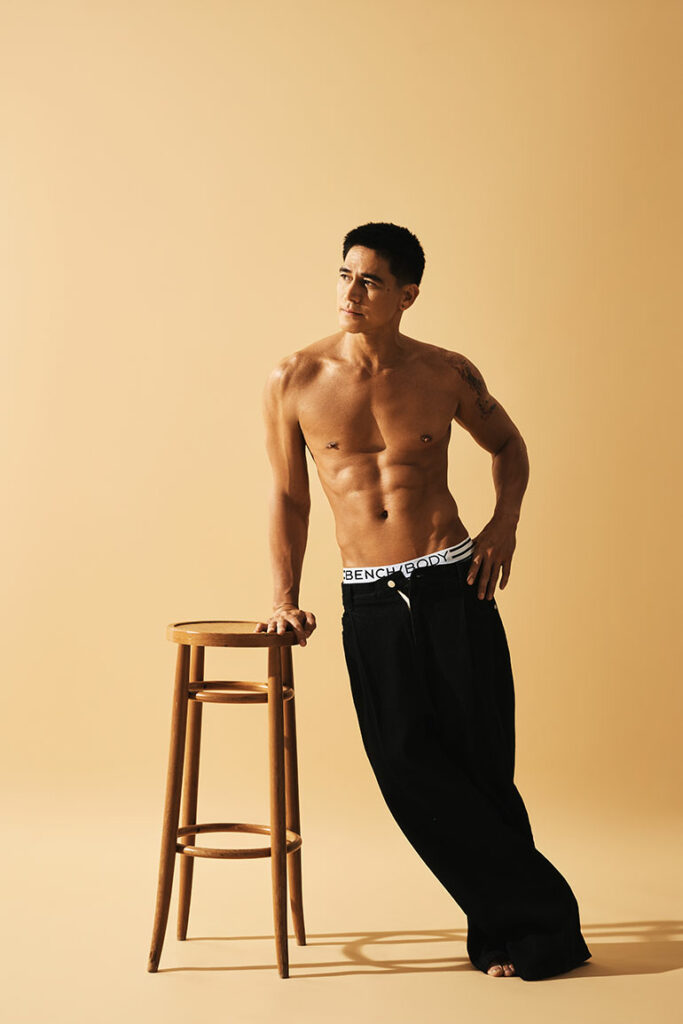 In this new chapter, Pascual serves as the newest endorser of BENCH, embodying a lifestyle defined by unyielding discipline and peak physical form. The campaign reframes the narrative of time, positioning Piolo as living proof that strength, confidence, and relevance are the results of lifelong commitment. By showcasing a physique and a presence sculpted by years of dedication, he provides a master class in longevity, commanding the scene with a quiet, seasoned authority that requires no introduction.
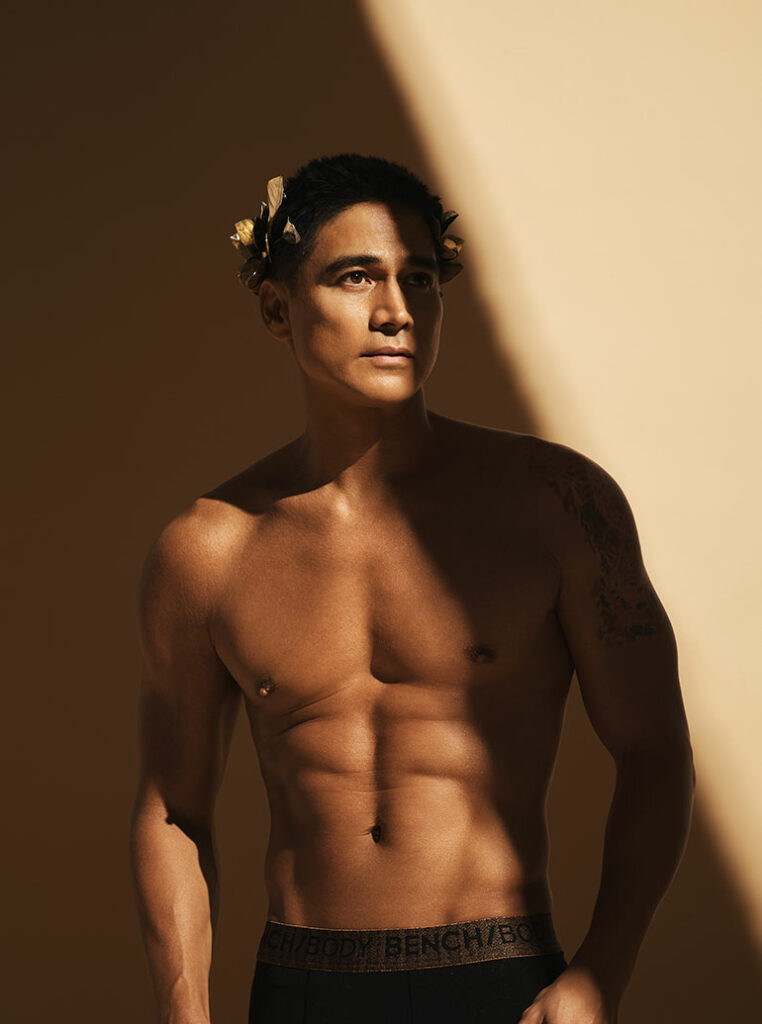 For the first time ever, Pascual headlines a
 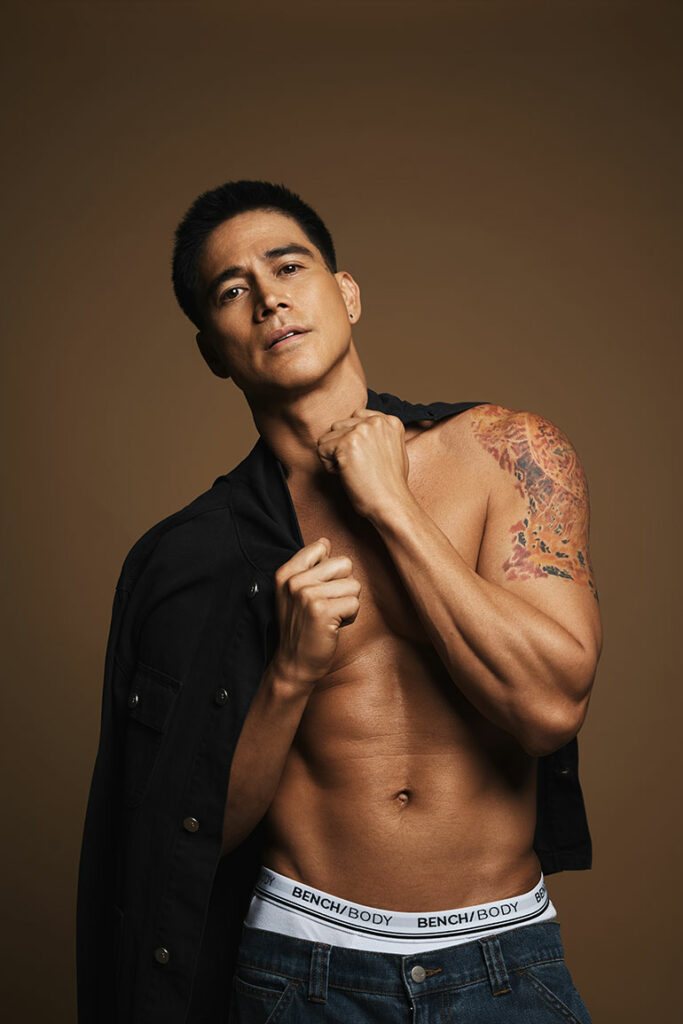 It is the homecoming of a man who no longer seeks to prove his status; he simply defines it. In this partnership, the brand and the man once again set the pace for the nation, proving that while trends may fade, true icons are the ones who write the history of the era.