Home Blog Page 2989

60 and beyond: Continuing TOAP milestones

Photo from Freepik

By Gina D. Lumauig, Contributor

The Trust Officers Association of the Philippines (TOAP), a professional organization that aims to professionalize and promote the trust and investment industry in the Philippines, has been at the helm for six decades this year.

Bestowed with the highest fiduciary mandate, TOAP continues to actively contribute to the development of capital markets, promoting the interest of its clients and the investing public, while thriving as part of a dynamic sector in the Philippine financial system.

From evolution to innovation

Established in 1964 by a group of trust practitioners with the objective of uniting and growing the Philippine trust and investment management industry through professionalization and promotion, the industry was, by then, preparing to offer new and innovative trust products.

Ensuring that the trust officers and leaders were ready with the necessary skills and knowledge, formal training was provided for the enhancement and growth of the industry in the coming years.

The early 1980’s until 1991 saw remarkable growth in the industry, with trust assets doubling and reaching the P100-billion mark in 1991, as public awareness on the more sophisticated asset and trust management services increased.

By the year 2000, however, the global foreign exchange and financial markets saw challenges brought about by several crises. This led to the General Banking Act of 1948 being replaced by Philippine Congress into the General Banking Law of 2000. This new law, which effectively strengthens the banking sector and effectiveness of the supervision of the Bangko Sentral ng Pilipinas over local banks, now contains a chapter on trust operations, amending laws from the previous act.

Within ten years, the Philippines saw an economic exponential growth, beginning with Overseas Filipino Workers (OFWs) remittances, and increase in consumer spending. By 2010, GDP ended at 7.3%, growing more than twice after a decade, according to Asian Development Bank’s Key Indicators. This period likewise saw the trust industry breaching the trillion mark in 2007 with P1.176 trillion assets under management and 34% higher than the previous year. By 2012, the trust industry had doubled this figure to P3.1 trillion. The investment grade ratings secured during this period until 2013 set the stage for the industry’s further growth the next decade.

Recognizing the importance of good corporate governance, effective risk management and strong consumer protection, reforms were implemented, which included comprehensive investment guidelines for trust entities and guidance to better align the management of trust assets with international standards.

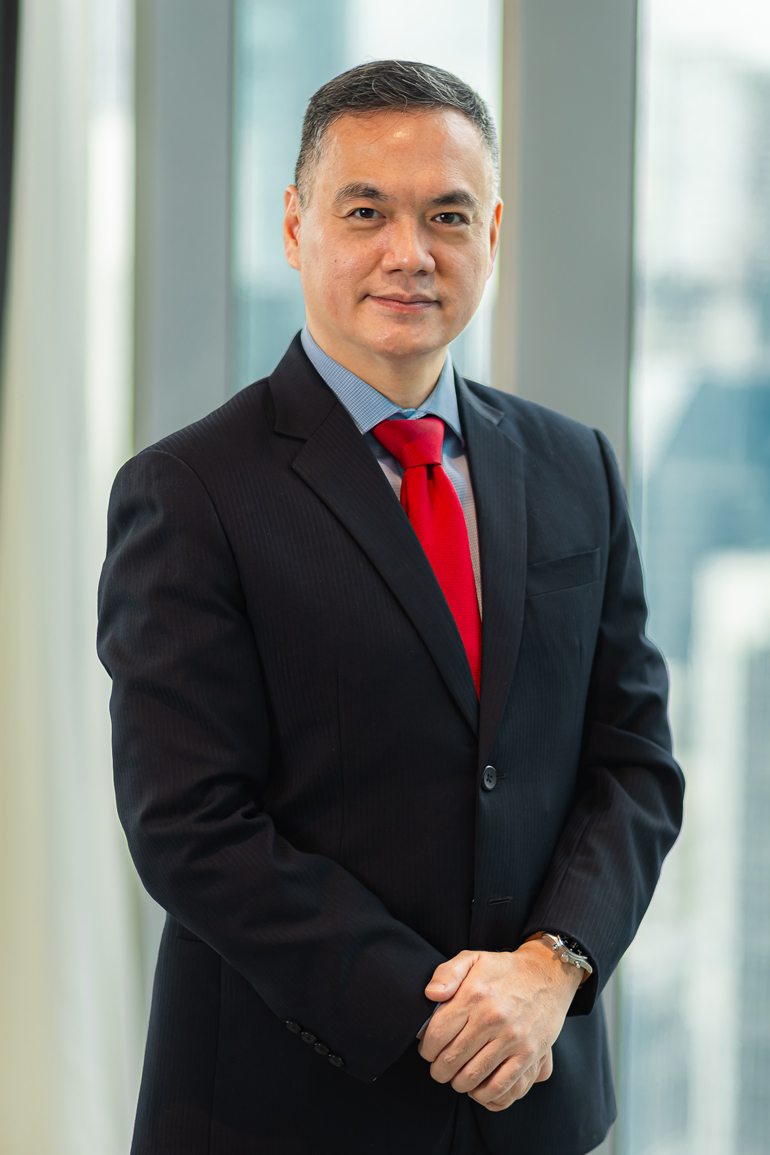
Steven C. Te, first vice-president and institutional sales head of BDO Unibank’s Trust and Investments Group and current TOAP president, shares that with the entry of foreign players into the Philippine financial community through the ASEAN integration and the AEC Blueprint, the trust industry has been positively impacted and strengthened. This has led to increased competition, which drives local trust companies to enhance their services, improve efficiency, and offer more competitive products to attract and retain clients.

Access to expertise and technologies has benefited the local trust industry, with foreign players bringing their know-how, best practices and advanced technologies. This transfer of knowledge and technology helped strengthen the capabilities of local trust companies and enhanced their service offerings.

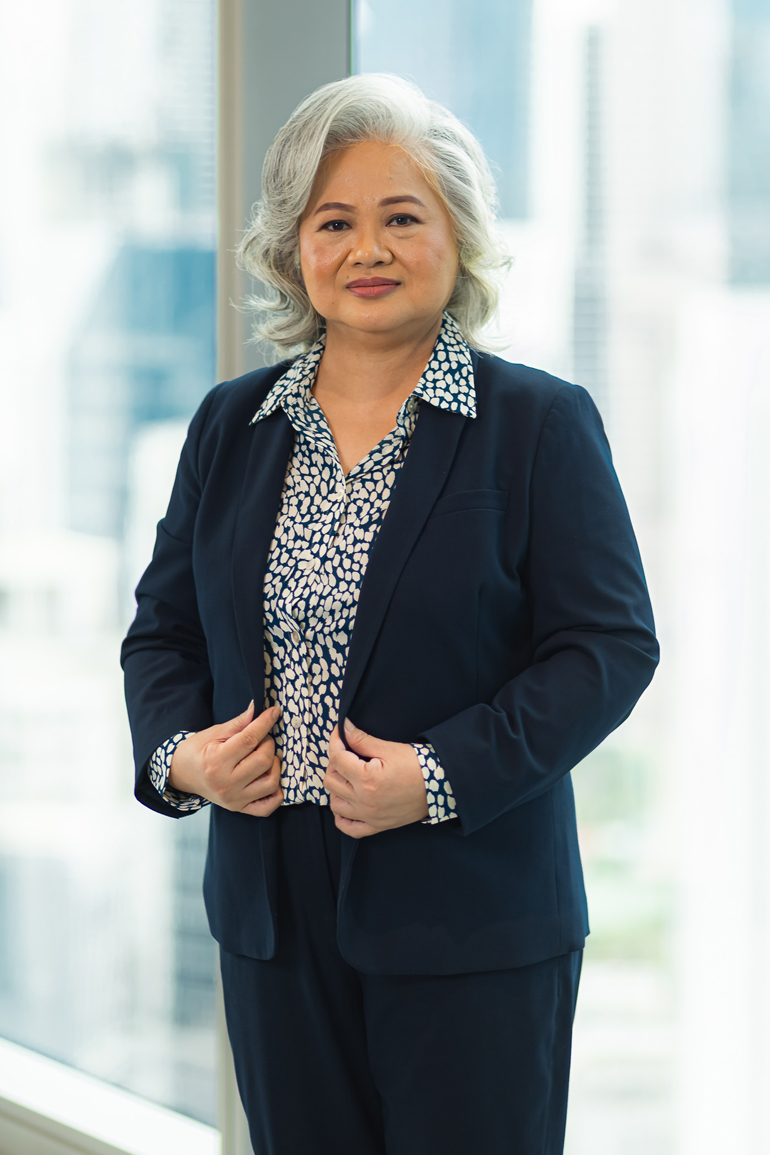
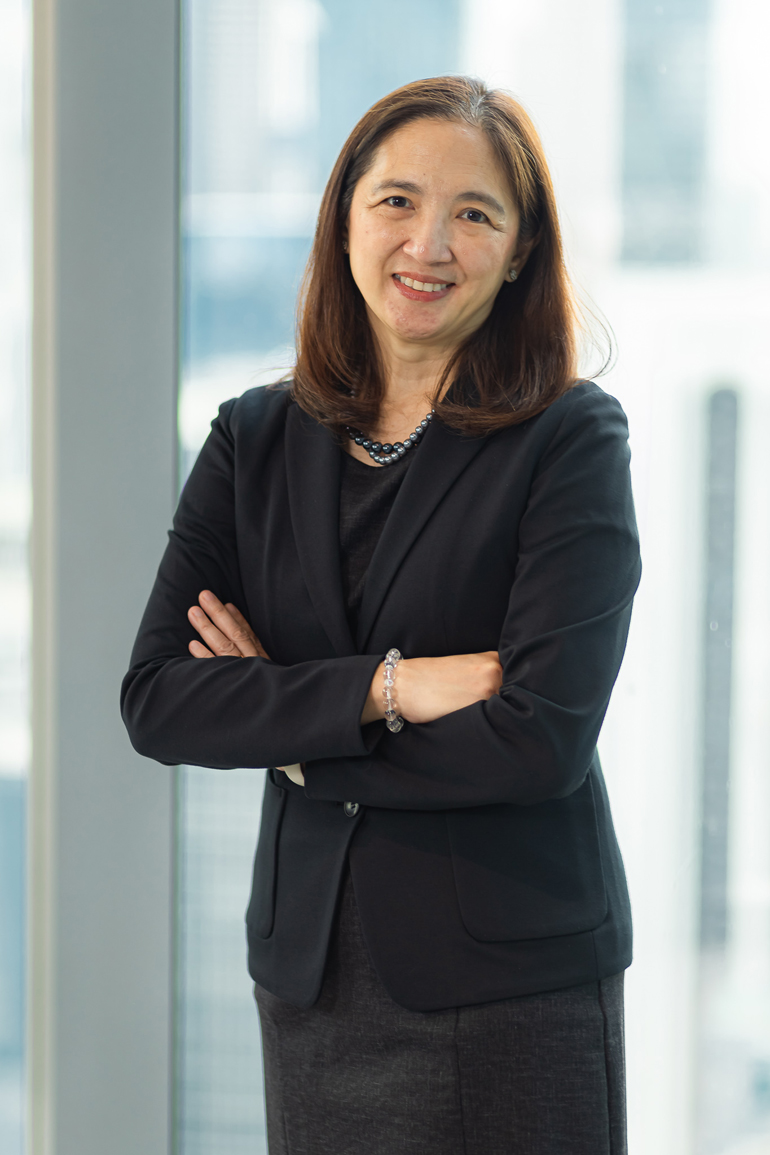
Trust Officers Association of the Philippines Board of Directors 2023-2024 (standing from left): Director for Investor Relations and Education Ma. Michelle S. Valeriano, Director for Members Development Herbert Glen D. Arabelo, Director for Capital Markets Development Stella A. Sampayan, Treasurer and Director for Finance Carina L. Yandoc, President Steven C. Te, Director and Corporate Secretary Atty. Christiane B. Alonzo-Velasco, TOAP Vice-President and Director for Fiduciary Products Development Joy Jasmin R. Santos, Director for UITF Development Dreda Teresa D. Mendoza, and Director for Taxes and Regulated Products Reena Marie G. Franco

Furthermore, the participation of foreign players has expanded the range of investment options available to clients of Philippine trust companies. This diversification of investment options means better risk management, higher returns, and increased investor confidence in the trust industry.

The entry of foreign players has prompted local regulators to align standards and regulations with international best practices. This alignment has led to a more robust regulatory framework, improved governance practices, and enhanced transparency within the trust industry, as well as increased awareness and trust from clients and investors.

While the integration of foreign players into the Philippine financial community through the ASEAN and AEC Blueprint may have brought about various opportunities and benefits for the industry, Mr. Te adds that “ongoing monitoring and assessment are essential to ensure that these developments indeed add to the strengthening and sustainable growth of the industry over time.”

Another key contribution during this decade worthy of note is the expansion of Unit Investment Trust Funds (UITF).  This product line provided the greater public an investment opportunity that has significantly impacted the trust industry.

In August 2021, then-BSP Governor Benjamin Diokno said that “the BSP recognizes the importance of UITFs as an avenue for small retail investors to participate in the securities markets. Certainly, the online accessibility of UITFs contributed to their growth.”

Mr. Te further expounds that the introduction of a broader range of UITF products increased investment options for investors, giving them a wider range of preferences according to their risk tolerance. It has also contributed to the growth of assets under management (AUM) for trust companies, as it has become a popular choice for both individual and institutional investors. In fact, by end of 3rd quarter 2023, UITF’s AUM was reported to be at P815 billion.

Additionally, UITFs have expanded to include regular income paying funds, hence investors appreciate this as part of the inclusive growth process offered by the trust industry. There were also investment structures under UITF that include feeder funds, multi-class funds, and fund of funds, with the same objective of bringing in more investors and presenting them a diverse menu of choices for their financial investments.

Regulatory compliance and investor protection were also implemented, adhering to regulatory guidelines set by governing bodies, to safeguard investors’ interest and maintain trust in the industry. Access to professional fund management expertise allowed retail investors to benefit from the skills and knowledge of seasoned portfolio managers. Overall, the expansion of UITFs as an investment opportunity has brought about positive changes in the trust industry in the last decade, resulting in increased market participation, enhanced competitiveness, and a broader array of investment options for investors seeking to grow their wealth and achieve their financial goals. More information can be found on www.uitf.com.ph.

By the third quarter of 2023, just several months after the declaration of the end of the COVID-19 pandemic, the banking system’s trust and investment management business reached the P6.0 trillion mark, a milestone achievement equivalent to a 10-year compounded annual growth rate (CAGR) of 8.8%. The trust industry’s resiliency even during the height of the pandemic in 2020, with a growth of 16%, proved TOAP’s continued and unrelenting efforts to push forward and rise above the global health challenges.

TOAP: Leading the trust industry
Since its inception in 1964, TOAP has seen key leaders and strategists at its helm, introducing landmark innovations and growth, supporting inclusivity, transparency and active regulation, adapting to challenges and changes, thereby strengthening the Philippine financial industry through trust.

First to lead TOAP was Graelan C. Yarisantos in 1964 who had the big task of gathering trust officers to steer the trust industry into something the public will fully understand, accept, and embrace.

The subsequent TOAP presidents and board of directors stayed true to TOAP’s mission “to grow the trust and asset management industry to a level at par with international standards,” ensuring that the organization lives its values of Integrity, Fidelity to Client, Innovation, Teamwork, Leadership, Professionalism, and Excellence.

Rafael G. Ayuste, Jr., who served as TOAP president four times between 2005 and 2018, believes that ”assuming an industry leadership role is inherently personal and time-intensive, involving a wide array of responsibilities. This includes regulatory engagements across various trust products and services with regulatory bodies, notably the Bangko Sentral ng Pilipinas, and maintaining ongoing communication with industry stakeholders, such as industry players, clients, and financial associations. The personal reward for this level of involvement is significant, as it reflects active participation and contribution towards the industry’s growth.”

Meanwhile Mr. Te, who is wrapping up his second consecutive term as TOAP president, emphasized that “the TOAP leaders and board members can further solidify the trust industry’s position as a dynamic and forward-looking sector that caters to a diverse range of clients, organizations, and partners while driving sustainable growth and development.”

Through its thought leadership and advocacy, TOAP has led industry discussions on emerging trends, best practices, and regulatory updates. Its active advocacy efforts and promotion of industry standards drive positive change and influences policy decisions that benefit stakeholders.

Its innovation and technology adoption enhances operational efficiency, improves customer experience, and develops cutting-edge services. By staying ahead of technological advancements, TOAP positions itself as a forward-looking organization that drives industry innovation. Additionally, establishing collaboration and strategic partnerships with industry stakeholders, fintech firms, academic institutions, and regulatory bodies foster knowledge-sharing. By working together with diverse partners, TOAP is able to create synergies, explore new opportunities, and drive collective industry growth.

As of this year, 30 institutions consisting of banks and trust corporations are active members of TOAP.

Road Map: TOAP moving forward

TOAP’s position as the authority for trust, fiduciary, and asset management in the Asia Pacific region is reinforced by its proactive approach in maintaining proper safeguards, fostering an effective relationship with regulatory bodies like the Bangko Sentral ng Pilipinas (BSP), and enforcing stringent measures to ensure investor protection and transparency.

Raul C. Diaz, TOAP president from 2008 to 2009, said that “being part of the trust industry for the last 40 years that actively promoted and nurtured the industry to what it is today, it certainly has been a huge leap from when TOAP started 60 years ago. It remains in good hands, with the younger generation now carrying the torch of leadership.”

What then, is in the pipeline?

As it celebrates six decades of actively steering the Philippine financial management industry, TOAP commits to focus on and strengthen the following:

Digital Transformation. Continuing to embrace technology to enhance efficiency, improve customer experience, and streamline processes involves digitizing operations, implementing online platforms for client interactions, and leveraging data analytics to drive informed decision-making. These new digital trust solutions give clients easier access to their accounts, enabling them to make more knowledgeable investment decisions in the process.

Comprising 70% of the Philippine population are the Generation Z and millennials, who contribute to the e-commerce boom. Their financial habits contribute to the growth of all things online, so the creation of easy customer experience and digital capabilities is essential.

Last year, TOAP embarked on a six-month digital marketing ad campaign aimed at reintroducing UITFs in the market. The campaign’s objective was to attract the younger generation to this product through a series of regular social media posts featuring art cards, explainer videos, and album posts. The attractive design, theme, and feel of all materials used were tailored to appeal to the millennial and Gen Z markets.

Sustainable and Responsible Investing. Promoting sustainable and responsible investing practices to align investments with environmental, social, and governance (ESG) criteria.

In 2008, the Personal Equity and Retirement Account (PERA) Act of 2008 was signed into law. PERA helps Filipinos invest in a more comfortable retirement. TOAP has been actively promoting this as part of their financial literacy campaign as it helps strengthen and identify small, medium and long-term financial goals. To demonstrate its commitment in supporting this government initiative, TOAP collaborated with the Bangko Sentral ng Pilipinas last year to conduct a PERA webinar for the families of overseas contract workers and to launch an information campaign on social media.

The annual Trust Consciousness Week, celebrated every March, advocates for financial literacy and consciousness. Aware of the vast market of young professionals and other sectors who remain unengaged in financial wellness, TOAP aims to help the next generation of trust investors attain financial growth through simplified financial opportunities.

The coming years may well see TOAP focusing on aggressively offering ESG-integrated investment products and educating clients on the benefits of sustainable investing.

Enhanced Customer Engagement. Implementing personalized and tailored services to meet the diverse needs of clients, involves deploying customer relationship management (CRM) systems, conducting client feedback surveys, and offering educational resources to empower clients in making informed financial decisions.

The trust industry is in constant exploration for alternative investment products amidst the evolving market demands. Customizing wealth management solutions, launching thematic investment funds, and forming strategic partnerships with fintech companies, industry partners and regulatory bodies help leverage collective expertise and resources to create value for stakeholders.

With 60 years of driving the trust industry into exponential growth in an inclusive financial market, TOAP remains a testament of its enduring commitment with its role as a catalyst of change in the trust, fiduciary, and asset management industry. The innovation, best practices, and sustainable, stable growth of the trust industry have greatly contributed to the continued confidence of investors, upholding the highest global standards of professionalism and integrity.

This article is in the special edition of BusinessWorld In-Depth digital magazine, in celebration of Trust Consciousness Week. Get the full issue for FREE via BWorldX. Visit www.bworld-x.com.


Spotlight is BusinessWorld’s sponsored section that allows advertisers to amplify their brand and connect with BusinessWorld’s audience by publishing their stories on the BusinessWorld Web site. For more information, send an email to online@bworldonline.com.

Join us on Viber at https://bit.ly/3hv6bLA to get more updates and subscribe to BusinessWorld’s titles and get exclusive content through www.bworld-x.com.
BSP net profit falls in 2023

THE BANGKO SENTRAL ng Pilipinas’ (BSP) net income fell by 59.9% last year amid higher expenses.

Preliminary data from the central bank showed that its net profit declined to P25.53 billion in 2023 from P63.73 billion in the previous year.

The BSP’s expenses surged by 68.3% to P244.21 billion last year from P145.13 billion in 2022.

Broken down, interest expenses nearly doubled (96.5%) to P168.29 billion from P85.63 billion, while other expenses rose by 27.6% to P75.92 billion from P59.5 billion.

Meanwhile, revenues stood at P212.76 billion in 2023, 50.8% higher than the P141.08 billion a year prior.

The BSP’s interest income climbed by 29.2% year on year to P197.92 billion from P153.20 billion.

Miscellaneous income, which includes trading gains, fees, penalties, and other operating income, stood at P14.84 billion last year, a turnaround from the P12.12-billion net loss recorded in 2022.

On the other hand, the central bank’s net gains from foreign exchange rate fluctuations dropped by 15.7% to P57.02 billion from P67.66 billion in 2022.

Separate BSP data showed total assets held by the central bank increased by 4.3% to P7.56 trillion in 2023 from P7.25 trillion a year prior.

Meanwhile, total liabilities went up by 3.9% to P7.42 trillion from P7.14 trillion. — Luisa Maria Jacinta C. Jocson

PSA raises Q1 palay, corn output estimate

REUTERS

PRODUCTION of palay, or unmilled rice, and corn are estimated to rise in the first quarter, according to the Philippine Statistics Authority (PSA).

In a March 15 report, the PSA said palay output for the three months to March was estimated to increase 1.1% year on year to 4.83 million metric tons (MT), based on the standing crop as of Feb. 1.

The projection compares with the 4.78 million MT estimate for the year-earlier period and is also 0.6% higher than the earlier estimate of 4.8 million MT issued on Jan. 1.

However, the PSA estimates a decline in the harvest area for rice of 0.1% to 1.17 million hectares, while the yield per hectare of palay is estimated to have risen 1.2% to 4.11 MT.

The PSA said about 318,570 hectares or 27.1% of the 1.17 million hectares planted to rice have been harvested as of Feb. 1, with the resulting palay output at 1.29 million MT.

Some 856,310 hectares of palay have yet to be harvested, with 6.7% at the vegetative stage, 56.9% at the reproductive stage, and 36.5% at the maturing stage. 

Meanwhile, corn production for the period is estimated to increase 5.9% to 2.67 million MT.

This represents a 0.8% downgrade from the 2.69 million MT estimate issued on Jan. 1.

The harvest area for corn is estimated to increase 2.5% to 711,470 hectares, while yield per hectare is estimated to increase 3.3% to 3.75 MT.

As of Feb. 1, 32.2% of the 711,470 hectares have been harvested, equivalent to 723,270 MT of corn output.

“Of the 482,130 hectares of standing corn yet to be harvested as of Feb. 1, about 2.2% were at the vegetative stage, 51.8% at the reproductive stage, and 46.0% at the maturing stage,” the PSA said. — Justine Irish D. Tabile

Jetour now a CAMPI member

Chamber of Automotive Manufacturers of the Philippines (CAMPI) President Atty. Rommel Gutierrez (left) with Jetour Auto Philippines, Inc. (JAPI) Managing Director Miguelito Jose — PHOTO FROM JETOUR AUTO PHILIPPINES

SEEN AS A KEY move to accelerate its growth this year, Jetour Auto Philippines, Inc. (JAPI) has officially joined the Chamber of Automotive Manufacturers of the Philippines, Inc. (CAMPI), the country’s largest auto industry organization. Jetour became CAMPI’s 15th associate member — joining 22 other brands.

In a meeting between CAMPI President Atty. Rommel Gutierrez and JAPI Managing Director Miguelito Jose formalizing Jetour’s membership, Atty. Gutierrez said he “sees the potential of Jetour Auto Philippines,” and that the brand could help CAMPI achieve its goals for the year.

“Our outlook for the industry is positive. We want to (sell) 468,300 vehicles, maintaining the momentum of the 9% growth of the industry in 2023,” he maintained.

For his part, Mr. Jose averred that membership in CAMPI opens up even bigger avenues of growth for JAPI. “Being a CAMPI member elevates JAPI’s standing in an industry that is getting even more competitive. CAMPI is the country’s most recognized organization in the automotive industry, and the world’s most popular and trusted brands are either members or associate members. To become part of this illustrious group in an effort to reach an all-time-high industry sales mark is an opportunity not to be missed,” he said.

JAPI projects to grow its vehicle sales from 1,018 units sold in its first nine months of operations in 2023 to 3,700 units (including 700 electric vehicles) by the end of this year. In addition, it has initiated a dealership network expansion program for 2024 that would see its number of dealerships and showrooms double — from five to 10 in Metro Manila, and from seven to 14 in the provinces.

JAPI has also been invited to participate in the Philippine International Motor Show (PIMS) to be held from Oct. 24 to 28. The biennial event is CAMPI’s premier auto show that exhibits its members’ products, models, services, and other technologies related to automobiles. For PIMS 2024, JAPI is set to display the brand’s “stylish, unique, intelligent, spacious, and multi-functional SUVs, C-SUVs, and EVs,” which consist of the Jetour X70 Journey, Travel, Sport, and Plus; the Jetour Dashing gasoline-powered SUV; the Jetour Ice Cream EV; and the recently launched limited-edition Jetour Dashing Symphony.

The Jetour brand was established in 2018 in Wuhu, China, as part of Chery Automobile Co. Ltd., the automobile business of Chery Holding Group, which was opened in 1997 and now has diversified into automobiles, automobile parts, finance, real estate (automobile camping), modern service industry, and shipbuilding.

Zara owner Inditex slashes China stores in digital focus

MADRID Zara-owner Inditex more than doubled its pre-tax profits in China last year even as the fashion retailer scaled back its physical presence, closing a fifth of its stores in the country in a sign its focus on online sales is bearing fruit.

Inditex has been shrinking its store footprint globally over the past few years, seeking to optimize its selling space by focusing on flagship outlets in prime locations and ramping up online sales.

Of 123 net store closures globally last year, 50 were in China, Inditex’s annual report showed on Thursday. As recently as 2019 Inditex had 570 stores in China, its biggest physical footprint after Spain. The retailer now has 192, as of Jan. 31 this year.

“Inditex for several years has adopted a more digital first strategy in China given the structural trends in the market there and the huge importance of e-commerce,” said RBC analyst Richard Chamberlain.

Inditex’s profit before tax in China more than doubled to €241 million ($263 million) for the 2023 financial year ended Jan. 31.

Inditex launched a weekly livestream experience on video-sharing platform Douyin in China late last year as a way to boost online sales, and plans to launch livestreams for its core brand Zara in the United States and Britain this year.

“We view this initiative positively… given the widespread integration of digital platforms into people’s everyday lives, we believe that leveraging platforms like Douyin can effectively engage Chinese consumers,” said Firdaus Ibrahim, equity analyst at CFRA Research.

Overall Inditex increased its online sales by 16% to €9.1 billion in 2023, accounting for a quarter of total sales. Inditex has 5,692 stores globally, over a third of which are its core brand Zara.

The China results contrast with Inditex’s performance in the United States, its second-biggest market by sales, where pre-tax profits fell 7% last year, according to the annual report. Reuters

Robinsons Offices unveils tallest addition to Cybergate Iloilo Towers complex

WITH 12 FLOORS of office space (apart from a dedicated floor for parking and another for retail spaces), Cybergate Iloilo Tower 3 is the tallest of the three office buildings.

GOKONGWEI-LED Robinsons Offices said it has completed the structural work for its Cybergate Tower 3 in Pavia, Iloilo.

“[The company] recently hosted the topping-off ceremony for Cybergate Iloilo Tower 3, the latest addition to its… Robinsons Cybergate Iloilo Towers complex,” Robinsons Offices said in a statement on Sunday.

The Iloilo Cybergate Tower 3 is the tallest among the three buildings. The first two towers have five and eight floors, respectively, while the third tower has 12 storeys.

“All towers are… designed to cater to the needs of a variety of enterprises, including BPOs, IT companies, and even traditional businesses,” the company said.

Cybergate Iloilo Tower 3 is registered with the Philippine Economic Zone Authority, allowing future tenants to enjoy incentive packages from the government.

“[Design] features such as the facade’s aluminum-accented glass curtain and building interiors… pay homage to Iloilo’s celebrated Dinagyang Festival and its indigenous textiles,” the company said.

The eight-hectare Pavia complex is 12 kilometers away from the Iloilo International Airport.

The Tower 3 has a transport hub, which connects commuters to destinations outside the province, the company said.

“With projects such as Cybergate Iloilo that stimulate job creation in the region, Robinsons Offices helps promote the reverse migration effect, which in turn keeps many Filipino families together while serving as agents to nation-building and economic development,” Robinsons Offices’ Senior Vice-President and Business Unit General Manager Jericho P. Go said.

Prime Philippines Chief Executive Officer and Founder Jettson “Jet” Yu called this development part of the emergence of a trend towards walk-to-home, suggesting a demand for walkable offices in key cities outside Metro Manila, including Iloilo, Bacolod, Davao, and Pampanga. — Aubrey Rose A. Inosante

Not even Antarctica could stop COVID. It’s a crucial lesson.

HELENJANK-PIXABAY

COVID-19 wasn’t supposed to get to Antarctica. If any place had a hope of keeping the virus out, it would be a continent with no permanent residents and an annual visiting population of only 5,000. And every control measure was in place — testing, a strict quarantine of everyone visiting, as well as lots of deep sanitation, masks, and social distancing.

And yet the virus got there in December 2020, less than a year into the pandemic. It arrived at the Chilean base first, spreading to at least 36 people. It later reached the Belgian base, and the Argentinian base, as well as French and British outposts. In 2022, there was a big outbreak at the US McMurdo station, one at New Zealand’s Scott base and even a few cases at the South Pole.

Four years after the start of the pandemic, the frozen continent holds a lesson for the world in how much control we ever had over COVID. Back in March 2020, leaders worldwide talked about getting things under control, without thinking through what this entailed.

COVID in Antarctica “tells us a lot about human arrogance in terms of being above nature and being able to manage all that happens in nature,” said Daniela Liggett, a social scientist at the University of Canterbury who studies Antarctic politics and environmental management. “We couldn’t even lock away this one piece of the planet where nobody lives and protect it from the virus.” She explored the situation and its implications in a paper earlier this month in the journal Science Advances.

Humanity can control what we dump into the environment and emit into the atmosphere. We can exert some control over activities that might transfer animal viruses to humans. But after the fact, it’s nearly impossible to hoover up plastic pollution or cool our artificially warmed planet or control a virus that’s already spread far and wide.

By the end of March 2020, COVID had reached every continent on the planet except for Antarctica, where the summer research season was underway. Before that season was over, most research and tourism to the continent was paused. Scientists scheduled to continue experiments or collect field data were kept out. As months went by, Antarctica went into its dark, cold winter season, and its small skeleton crews remained isolated.

When the next summer research season began in late 2020, however, some researchers and support staff were allowed to return following a strict quarantine. To get to the New Zealand base, people had to be tested and then hole up alone in a hotel room for two weeks, Liggett said, while continuing to undergo daily testing. Once vaccines became available to the general public, the US programs and others required everyone to be up to date on their shots.

Despite all this, disease found a way to sneak in and spread.

That doesn’t mean that Antarctica’s policy was a failure. (I couldn’t find a record of any deaths.) It showed the futility of going for total containment or elimination by canceling activities and then using quarantines, testing, and masks. But rejecting all those measures would have increased the number of cases and the odds that people would die. Before the vaccines became available, it wasn’t all that rare for seemingly healthy people to get a severe case. Such cases would be more likely to turn deadly in a remote outpost far from a hospital.

The decision to resume Antarctic research activity struck a balance between the risks of disease and the benefits of conducting research that can’t be done elsewhere. The few Antarctic regions not covered in ice are full of lakes where scientists have found improbable life forms, giving them clues to the way life might survive on other worlds. Some scientists are monitoring the effects of global warming on the ice sheets, and others are monitoring the accumulation of microplastics and PFAS (forever chemicals) on the Antarctic ice and in the surrounding seas. Others study ghostly particles or astrophysical phenomena.

Shutting down everything even for part of one season had consequences. Careers were derailed, said Liggett, because researchers couldn’t get to the continent to finish field studies or experiments. For young investigators in competitive fields, that could make the difference between getting established and starting over.

Now, she said, researchers in Antarctica don’t spend all that much time worrying about COVID. They’ve moved on — because that’s what everyone is doing worldwide. And doing research in such extreme conditions has always required some appetite for balancing risk and reward.

Today, fact checkers, ignoring the complexity of the real world, try to argue that the virus is “under control” in the US despite a continued weekly death toll in the hundreds. But what counts as “under control” is inherently subjective and often politically malleable.

We can’t control what’s already unleashed. Perhaps the best we can hope for is finding a balance, imposing some precautions but also accepting some risk.

BLOOMBERG OPINION

Farmers express support for legislation creating cold-storage network

PHILSTAR FILE PHOTO

A BILL proposing to create a cold-storage network received support from farmers, who said they welcomed the opportunity to reduce post-harvest losses.

House Bill (HB) No. 10087 targets food-producing areas as potential locations for the facilities with the goal of reducing the post-harvest loss rate of about 30% for vegetables and 50% for meat and fish.

“Cold storage facilities can help reduce post-harvest losses by providing proper storage and preservation of perishable goods such as fruits, vegetables, and meat products,” according to the bill’s explanatory note.

Samahang Industriya ng Agrikultura Executive Director Jayson H. Cainglet said that cold facilities allow farmers to hold their perishable produce for longer without any deterioration in quality. 

“This would help farmers (avoid market price disruptions during the harvest),” Mr. Cainglet told BusinessWorld by phone. “Cold storage facilities allow farmers to store their produce, allowing them to release their products slowly and without disrupting market prices.”

He said abundance of agricultural products during harvest season reduces their profits, sometimes even forcing farmers to “sell at a loss… due to lack of access to cold storage facilities.”

Raul Q. Montemayor, national manager of the Federation of Free Farmers, said that “inventory financing” should also be added to the proposed measure so that “farmers can borrow much-needed money” to sustain their operations while waiting for prices of agricultural goods to go up during the off-season.

Mr. Cainglet also said that the absence of other facilities contributes to post-harvest losses: “logistics, warehousing, silos. If farmers don’t have access to these, there will indeed be losses.”

It has to be a “complete system in order for the (measure) to work for farmers,” adding that logistics systems should also be considered to strengthen “marketing linkages” to “bring stored stocks to buyers,” Mr. Montemayor told BusinessWorld via Viber.

A report from the Cold Chain Association of the Philippines noted that meat and fish products dominate demand for cold storage. Meat and fish products occupy at least 60% of cold storage sites by floor area.

To boost participation from the private sector, the bill also stipulates that private cold chain operators would be offered incentives like tax holidays, exemptions, discounts, subsidies, and other forms of financial assistance for investing in such facilities.

The proposed measure tasks the Departments of Agriculture and Trade and Industry to ensure that cold storage sites “contain goods processing rooms and such equipment such as blast freezers and ice plant components,” according to Section 3 of the bill.

HB No. 10087 has been with the House Committee on Agriculture and Food since March 13. — Kenneth Christiane L. Basilio

Suzuki Auto Silang set to rise

At the groundbreaking ceremony for Suzuki Auto Silang are (from left): Alpamile Auto Chairman Juanito Tionson; Suzuki Philippines (SPH) Sales Department Head and Assistant to the General Manager for Automobile Division Yasuki Nakagawa; NXT Mile Motors Chief Finance Officer Paul Tionson; Lalaan 1, Silang, Cavite Barangay Captain Romeo Toledo; NXT Mile Motors President Mark Tionson; SPH Director and General Manager for Automobile Division Norihide Takei; SPH Auto Service Department Head Rommel Cabanela; and Alpamile Auto Chief Finance Officer Dorothy Tionson. — PHOTO FROM SUZUKI PHILIPPINES

SUZUKI PHILIPPINES, INC. (SPH) and NXT Mile Motors recently broke ground on Suzuki Auto Silang, the second 3S dealership of the partnership.

In a release, SPH said that Suzuki Auto Silang “(promises) to offer the residents of Silang, Cavite, and neighboring areas convenient access to Suzuki vehicles and exceptional service.” The 2,000-sq.m. facility is located at Dragon Textile Compound, Gen. Emilio Aguinaldo Highway, Lalaan 1, Silang Cavite, and will feature a five-vehicle showroom and eight service bays.

“I’m deeply appreciative of everyone who has contributed to making this project a reality,” stated SPH Director and General Manager for Automobile Division Norihide Takei in his speech at the groundbreaking. “Let’s work together to ensure its success and eagerly await its opening day.” He thanked NXT Mile Motors for “the unwavering support and dedication,” highlighting a pivotal role in bringing Suzuki Auto Silang to fruition.

Suzuki Auto Silang is set to open in the first quarter of 2025. For more information, visit http://suzuki.com.ph/auto/. For updates on Suzuki, like the SPH Facebook account (SuzukiAutoPH, follow on Twitter (SuzukiAutoPH) and Instagram (@suzukiautoph).

Adidas CEO rules out Yeezy renewal after airport photo with Ye

ADIDAS chief executive officer (CEO) Bjorn Gulden said, “The contract has ended. We are selling off the inventory.” This after rumors started flying that when he and Ye (formerly Kanye West) appeared in a photo taken at an airport after the Super Bowl. — NEWS.ADIDAS.COM

ADIDAS AG chief executive officer (CEO) Bjorn Gulden ruled out the possibility of ever renewing the Yeezy collaboration with the rapper Ye, formerly known as Kanye West.

“The contract has ended,” Mr. Gulden said at a press conference Wednesday at company headquarters. “We are selling off the inventory.”

Speculation on the matter surfaced last month when Gulden appeared alongside Ye in a photo a couple of days after the Super Bowl. They inadvertently met in a Los Angeles airport before Mr. Gulden flew back to Germany, he said.

“It was not a meeting, there was no business discussion,” Mr. Gulden said. “If you meet him at an airport, I don’t know what you do. Do you hide? Or what do you do?”

Asked if there is even a remote chance that Adidas would ever seek to restart the Yeezy collaboration, Mr. Gulden said the answer is no.

Adidas canceled the partnership in late 2022 after Ye unleashed a string of antisemitic rhetoric on social media. At the time, Yeezy shoes were accounting for nearly half of the company’s profits. Adidas is still engaged in a legal dispute with Ye related to the split, Mr. Gulden noted. Bloomberg

Best practices in Universal Health Care

RUD0070-PIXABAY

Studies conducted within the last 10 years have shown that most Filipinos still rely on personal funds to pay for healthcare. Moreover, health-related spending, particularly for life-threatening diseases such as cancer, heart attack, or stroke that require long-term care and hospitalization, continue to lead many people into debt and poverty. Consequently, in order to avoid financially catastrophic spending and to “save money,” most Filipinos consult a doctor or seek hospital care only when their illnesses have become severe, according to the Healthy Pilipinas website.

The World Health Organization (WHO) defines universal health coverage as the provision to all people of access to the full range of quality health services they need, when and where they need them, without financial hardship. It covers the full continuum of essential health services, from health promotion to prevention, treatment, rehabilitation, and palliative care across the life course. The delivery of these services requires health and care workers with an optimal skills mix at all levels of the health system, who are equitably distributed, adequately supported with access to quality assured products, and enjoy decent work.

Protecting people from the financial consequences of paying for health services out of their own pockets reduces the risk that people will be pushed into poverty because the cost of needed services and treatments requires them to use up their life savings, sell assets, or borrow — destroying their futures and often those of their children, the WHO said.

Republic Act No. 11223, otherwise known as the Universal Health Care (UHC) Act of 2019, is the first law of its type in the Western Pacific region. It aims to provide financial risk protection to all Filipinos, while increasing access to quality healthcare for the poor and those living in remote areas. When fully implemented, it entitles every Filipino citizen to health coverage that costs far less than what they must pay at present.

During a sectoral meeting with President Ferdinand Marcos, Jr., Health Secretary Teodoro Herbosa reported the recent developments in the implementation of the UHC Act. These included the commitment of 71 local government units (LGUs) to integrate their local health systems into a Universal Healthcare Integration site. Of these, five LGUs are now considered as a Primary Care Provider Network sandbox, including Baguio, Bataan, Guimaras, Quezon Province, and South Cotabato.

Secretary Herbosa also proposed the creation of a UHC Coordinating Council that will serve as a national governance body in overseeing the implementation of the UHC Act in all localities. Additionally, the Council will be an avenue for the government to discuss concerns regarding the law, including the conduct of public financial management training and other capacity building initiatives for local health officials, especially those at the barangay levels, in order to maximize the public’s access to quality healthcare.

Some of the best public healthcare systems in the world, such as those of Sweden, Denmark, and Germany, all have successful UHC programs. Among the many inspirations for the Philippines UHC program is the United Kingdom’s National Health Service (NHS), which has provided its citizens access to free public healthcare since 1948.

Many Asian countries as well have implemented successful interventions to achieve universal health coverage, according to a 2021 scoping review, with some more successful than others. Most of the 40 studies published from 2000 to 2019 that “Best Practices in Achieving Universal Health Coverage: A Scoping Review” looked at were from Asian countries, including Japan, Thailand, and Mongolia. These countries — coming from a mix of low- and middle-income countries and upper-middle income countries — implemented successful interventions to achieve universal health coverage that focused on financial protection, population coverage, service coverage, and service quality. At the same time, China and the Philippines were found to be at the edge of achieving true UHC, with the intent of modeling their systems with best-of-breed practices as mentioned.

Most of the interventions in service coverage targeted specific groups, such as children, adolescents, women, and selected patient populations. The review found that designing dedicated and fully customized service packages can be much more efficient and effective than comprehensive service packages designed for the population of a country without considering the specific needs of different groups.

Reforms also focused on the payment and premium systems. The review indicated that social, economic, and political sustainability are key drivers of health interventions and reforms in achieving universal health coverage. In many studies, social health insurance, premium, cost containment, national health insurance system, tax revenue, risk-pooling mechanisms, and strategic purchasing are crucial factors in providing financial protection.

The review found that successful interventions in the countries under study have positive results such as reduction in the intensity of care and a decrease in length of hospital stay, elimination of costs of services that cause overuse of health services, allocating a large percentage of income to health, reducing out-of-pocket payments, among others.

The research-based biopharmaceutical industry is committed to progress toward UHC and seeks to leverage innovation to achieve health equity, emphasizing three foundational elements: improving primary healthcare, ensuring adequate financing, and focusing on multistakeholder partnerships.


Teodoro B. Padilla is the executive director of Pharmaceutical and Healthcare Association of the Philippines (PHAP). PHAP represents the biopharmaceutical medicines and vaccines industry in the country. Its members are in the forefront of research and development efforts for COVID-19 and other diseases that affect Filipinos.