Home Blog Page 1314

Environmental factors driving the spread of encephalitis

Climate change has contributed to the spread of virus-carrying mosquitoes. Some of the diseases these vectors carry include dengue, a viral illness with flu-like symptoms, and Japanese encephalitis, a brain infection that can be life-threatening.

Preventive measures, such as fumigation and vaccination, are important to combat such diseases, according to neurologist Dr. Ferron F. Ocampo.

Interview by Patricia Mirasol
Video editing by Jayson Mariñas

Dinner with the president: Trump meme coin surges on offer to top buyers

RAWPIXEL.COM

 – President Donald Trump’s meme coin surged more than 60% on Wednesday after a post announcing “the most EXCLUSIVE INVITATION in the world” promised the top 220 buyers of $TRUMP a private gala dinner with the president on May 22.

In addition to the dinner at Trump National Golf Club in Washington, D.C., the top 25 holders would get “an ultra-exclusive private VIP reception with the President” as well as a “Special Tour,” according to the announcement.

The post on a website promoting the $TRUMP coin is the latest in a flurry of cryptocurrency-related forays undertaken by Trump and his family that have garnered them hundreds of millions of dollars in fees alone.

Trump family ventures include a new crypto exchange, World Liberty Financial, as well as a pivot to crypto finance by Trump Media & Technology Group DJT.O, the social media company in which the president holds a $3 billion stake.

Mr. Trump has promised to be America’s first “crypto president,” and his administration has moved swiftly to scale back crypto enforcement and ease the industry’s regulatory framework.

The family’s push into crypto at the same time the president is overseeing a new oversight regime has fueled concerns about potential conflicts of interest and influence peddling.

Mr. Trump’s planned dinner with $TRUMP coin holders is “a race to the bottom for presidential grifting,” said Tony Carrk, executive director of Accountable.US, a nonpartisan government ethics watchdog group.

“There has never been a clearer case of a president using their office to put money in their pocket, or greater potential for special interests to buy an administration’s favor that could threaten the public interest,” Mr. Carrk said.

Anna Kelly, the White House deputy press secretary, said: “President Trump’s assets are in a trust managed by his children. There are no conflicts of interest.”

The $TRUMP coin, launched before the president’s January 20 inauguration, reached as high as $74.59 before falling to a low of $7.14 on April 7. Crypto analytics firm Chainalysis found that as of March 12 the coin had generated at least $350 million in fees for entities connected to the president.

As recently as last week, crypto watchers were expecting the $TRUMP coin to collapse as 40 million new tokens were set to unlock. The coin’s account on X said on Wednesday, though, that the unlock would be delayed for 90 more days.

The terms of the $TRUMP dinner offer state that “President Trump may not be able to attend” but that winners would receive a limited edition TRUMP NFT “in lieu thereof.” – Reuters

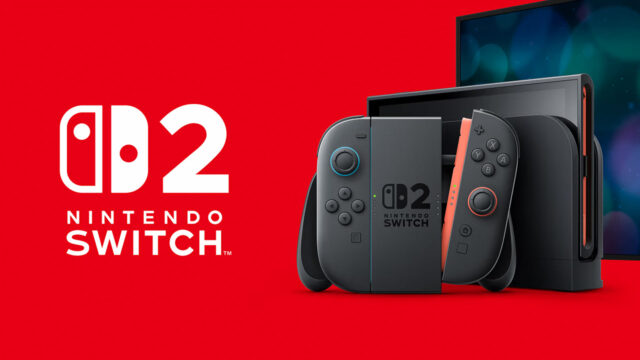
Nintendo’s robust lottery applications indicate pent-up Switch 2 demand

Source: Nintendo.com

 – Nintendo said on Wednesday it has received 2.2 million applications in the lottery for its Switch 2 gaming device in Japan but cannot fulfil all the demand, indicating significant consumer enthusiasm for the more powerful gaming device.

There were far more applications on the My Nintendo Store than expected and the amount that can be delivered on June 5 has been greatly exceeded, Nintendo said in a social media post.

Shares jumped 5% in Tokyo on Thursday.

“The number is way beyond expectations,” said Serkan Toto, founder of the Kantan Games consultancy.

“It not only indicates Switch 2 will be sold out at launch but also the device is likely going to be hard to get for months after.”

The launch of the successor to Nintendo’s popular Switch gaming device will test the company’s ability to manage its supply chain.

Nintendo is preparing to sell the device amid a trade war between China and the U.S. and had paused the start of pre-orders in the United States before announcing it would maintain pricing at $449.99.

“Nintendo is ramping up production but initial supply will lag far behind demand,” Jefferies analyst Atul Goyal said in a client note.

The Switch 2’s predecessor sold 2.7 million units globally in its launch month in 2017 and has gone on to sell more than 150 million units.

It is “shaping up to be another record-breaking hardware cycle. Perhaps an unprecedented super-cycle,” Goyal wrote.

Nintendo made roughly a fifth of its sales in the year ended March 2024 in Japan, where the company enjoys a family-friendly reputation and began as a maker of playing cards.

The new device, which offers a bigger screen and better graphics, retails for 49,980 yen ($349.19) for a Japanese language system or 69,980 yen for a multi-language version. – Reuters

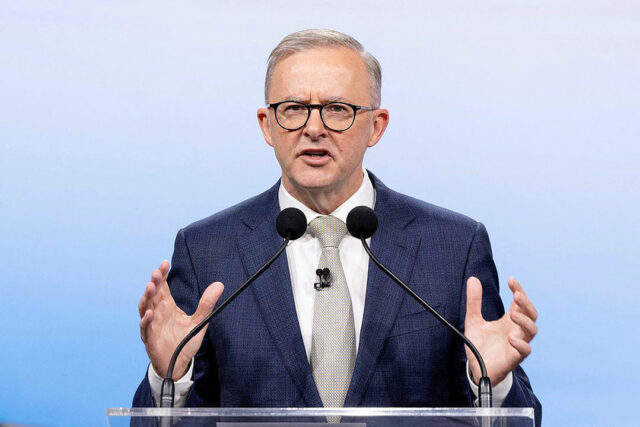
Australia’s Albanese pledges to set up critical minerals strategic reserve

REUTERS

 – Australia’s ruling center-left Labor government on Thursday pledged an initial investment of A$1.2 billion ($763 million) to set up a strategic reserve of critical minerals as it looks to create a separate supply chain in a market dominated by China.

Prime Minister Anthony Albanese, holding a slender lead in polls ahead of a national election nine days away, said the reserve would make use of the country’s mineral deposits and boost its economic resilience.

“We need to do more with the natural resources the world needs, and that Australia can provide,” Mr. Albanese said in a statement.

The push comes after China placed export restrictions on several minerals, vital to make everything from smartphones and EV batteries to infrared missiles, squeezing supply to the West, after President Donald Trump imposed tariffs on Chinese goods.

China is a top global producer of 30 of the 50 minerals considered critical by the U.S. Geological Survey, while Australia has some of the largest critical minerals deposits.

Mr. Albanese said the government would buy critical minerals from commercial projects or set up an option to buy at a given price, holding security over the assets. The government will also establish stockpiles of some minerals produced under offtake agreements.

“It will mean we can deal with trade and market disruptions from a position of strength, because Australia will be able to call on an internationally significant quantity of resources in global demand,” Mr. Albanese said.

Minerals held by the strategic reserve would be made available to domestic industries and key international partners.

A task force will be created to consult and finalize the scope and design of the strategic reserve, which is expected to be operational in the second half of 2026, Mr. Albanese said. – Reuters

Trump and Zelenskiy clash again and US warns it could abandon Ukraine talks

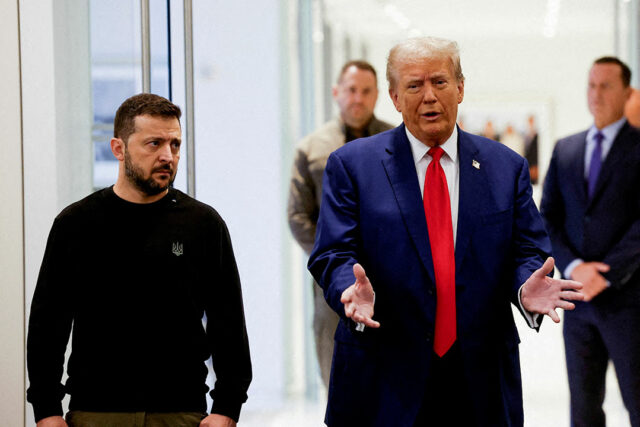
Donald Trump and Ukraine’s President Volodymyr Zelenskiy meet at Trump Tower in New York City, U.S., Sept. 27, 2024. — REUTERS

 – U.S. President Donald Trump and Ukrainian President Volodymyr Zelenskiy clashed again on Wednesday on efforts to end the three-year-old war in Ukraine, with the U.S. leader chiding Mr. Zelenskiy for refusing to recognize Russia’s occupation of Crimea.

Mr. Trump’s Vice President JD Vance said it was time for Russia and Ukraine to either agree to a U.S. peace proposal “or for the United States to walk away from this process,” echoing a warning from Mr. Trump last week.

Speaking to reporters in India, Mr. Vance said the proposal called for freezing territorial lines “at some level close to where they are today” and a “long-term diplomatic settlement that hopefully will lead to long-term peace.”

“The only way to really stop the killing is for the armies to both put down their weapons, to freeze this thing,” he said.

A former Western official familiar with the U.S. proposal said it also called for the recognition of Russia’s annexation of Crimea.

Since taking office in January, Trump has upended U.S. policy toward the war in Ukraine, pressing Ukraine to agree to a ceasefire while easing pressure on Russia, which launched a full-scale invasion of its neighbor in 2022.

Mr. Zelenskiy on Tuesday reiterated that Ukraine would never cede Crimea to Russia, which seized control of the peninsula in 2014 in a move that was condemned internationally. “There’s nothing to talk about here. This is against our constitution,” he said.

Mr. Trump, who argued with Mr. Zelenskiy in a disastrous Oval Office meeting in March, called this an inflammatory statement that made peace harder to achieve. He said in a social media post that Crimea was lost years ago “and is not even a point of discussion.”

Mr. Zelenskiy acknowledged later in an X post that the London talks among U.S., Ukrainian and European officials were marked by high emotions but expressed hope that future joint work would lead to peace.

He pledged again that Ukraine would abide by its constitution and said he was sure Kyiv’s partners, in particular the United States, “will act in line with its strong decisions.”

He attached to his post a 2018 Crimea Declaration from Mike Pompeo, Mr. Trump’s secretary of state during his first term, which said: “The United States rejects Russia’s attempted annexation of Crimea and pledges to maintain this policy until Ukraine’s territorial integrity is restored.”

Mr. Trump, who promised during his election campaign to end the war within his first 24 hours back in the White House, scolded Mr. Zelenskiy and said on Truth Social the U.S. was trying to stop the killing in Ukraine and that they were “very close to a deal” for peace.

Mr. Trump told reporters later he thought the London talks had gone “pretty well,” although he also said, in apparent reference to Russian President Vladimir Putin and Mr. Zelenskiy: “We’ve got to get two people, two strong people, two smart people, to agree. And as soon as they agree, the killing will stop.”

U.S. Secretary of State Marco Rubio cancelled his trip to attend the London talks, prompting cancellation of a broader meeting with foreign ministers from Ukraine, Britain, France and Germany and underscoring the gaps between Washington, Kyiv and its European allies over how to end the war.


TRUMP’S ‘PATIENCE IS RUNNING VERY THIN’

White House spokeswoman Karoline Leavitt told reporters Mr. Trump is “frustrated” with the pace of talks and that Mr. Zelenskiy “seems to be moving in the wrong direction.”

Several sources have said proposals from Trump’s envoy Steve Witkoff include not only recognizing Russia’s annexation of Crimea, but accepting Russia’s control of the 20% of Ukraine’s territory it has gained in the war, ruling out Ukrainian membership of NATO and lifting of Western sanctions.

Mr. Trump’s Ukraine envoy Keith Kellogg said on X that there were positive talks in London with Mr. Zelenskiy’s chief of staff, Andriy Yermak, and added: “It’s time to move forward on President Trump’s UKR-RU war directive: stop the killing, achieve peace, and put America First.”

Mr. Trump raised the pressure on Sunday when he said he hoped Moscow and Kyiv would make a deal this week to end the conflict.

At the heart of Wednesday’s talks was an attempt to establish what Kyiv could possibly accept after Mr. Witkoff presented proposals to a similar session in Paris last week. Three diplomats said those proposals appeared to demand more concessions from Ukraine than Russia.


TRUMP ENVOY EXPECTED TO MEET PUTIN ON FRIDAY

Mr. Witkoff is expected to meet Mr. Putin again on Friday, a U.S. official told Reuters.

Mr. Witkoff has already met Putin three times to discuss prospects for an end to the war and will visit Moscow this week for a new round of talks, the White House said earlier.

Since Mr. Trump expressed his desire to broker peace in Ukraine and made a surprise call to Putin in February, European nations have scrambled to find ways to support Kyiv against Moscow while keeping the U.S. onside.

A joint statement from Britain, France and Germany after the London talks said all parties had reiterated strong support for Mr. Trump’s “commitment to stopping the killing and achieving a just and lasting peace.”

It said “significant progress was made on reaching a common position on next steps” and “all agreed to continue their close coordination and looked forward to further talks soon.” – Reuters

US lawmakers subpoena China telecom giants over security concerns

By United_States_Capitol_-_west_front.jpg: Architect of the Capitolderivative work: O.J. - United_States_Capitol_-_west_front.jpg, Public Domain, https://commons.wikimedia.org/w/index.php?curid=17800708

 – The leaders of a U.S. congressional committee on Wednesday moved to force China’s three telecom giants to cooperate with an investigation into their alleged support for the Chinese military and government, according to letters seen by Reuters.

In a bipartisan effort, the House of Representatives’ select committee on China used its seldom exercised subpoena powers in an effort to compel China Mobile, China Telecom, and China Unicom to answer questions about whether they could exploit access to American data through their U.S. cloud and internet businesses.

Democratic and Republican lawmakers continue to express concern over the Chinese telecoms’ U.S. operations following high-profile Chinese-led cyberattacks, including Volt Typhoon, which the FBI said has allowed China to gain access to American telecommunications, energy, water and other critical infrastructure.

Beijing has denied responsibility for those attacks.

The committee’s Republican chair John Moolenaar and its top Democratic Representative Raja Krishnamoorthi in March had sought the companies’ responses to questions after a 2024 Reuters report that they were under U.S. Commerce Department investigation. The committee said the companies had ignored that request.

The Federal Communications Commission (FCC) denied China Mobile’s application to provide U.S. telecommunications service in 2019 and revoked China Telecom and China Unicom’s authorizations in 2021 and 2022. But the companies still have a small presence in the U.S., for example, providing cloud services and routing wholesale U.S. internet traffic.

U.S. regulators and lawmakers fear that the companies could access personal information and intellectual property stored in their clouds and provide it to the Chinese government or prevent Americans from gaining access.

In three similar letters dated April 23 notifying the companies of the subpoenas, Mr. Moolenaar and Mr. Krishnamoorthi said the select committee had received information indicating the companies “may continue to maintain network Points of Presence, data center access, and cloud-related offerings in the United States, potentially through subsidiaries or affiliates.”

They called for the companies’ full cooperation by May 7.

The companies did not immediately respond to Reuters’ requests for comment. China’s embassy in Washington also did not respond immediately, but it has previously said the U.S. sought to suppress Chinese companies under “false pretexts.”

A committee spokesperson said despite the FCC ban on all three companies operating licensed telecom infrastructure in the U.S., they have continued to run equipment, software, and cloud-based systems in the country that do not require licenses and thus avoid FCC oversight.

“The committee has received third-party private sector reporting and intelligence indicating these platforms have enabled cyber intrusions, data theft, and potential sabotage of U.S. infrastructure,” the spokesperson said, without providing further details.

Congress could move to find the companies in contempt if they fail to respond. – Reuters

Bessent says China tariffs are not sustainable as US signals willingness to de-escalate

REUTERS

 – U.S. Treasury Secretary Scott Bessent said on Wednesday that high tariffs between the United States and China are not sustainable, as President Donald Trump’s administration signaled openness to de-escalating a trade war between the world’s two largest economies that has raised fears of recession.

U.S. stocks rallied on hopes that the two countries might lower the steep trade barriers they have erected over the past month, though there was no sign that negotiations might start anytime soon.

Mr. Bessent said the tariffs – 145% on Chinese products and 125% on U.S. products – would have to come down before trade talks can proceed, but said Mr. Trump would not make that move unilaterally.

“Neither side believes that these are sustainable levels. As I said yesterday, this is the equivalent of an embargo and a break between the two countries in trade does not suit anyone’s interest,” Mr. Bessent told reporters.

The White House is open to discussing a significant rate cut on Chinese imports in order to advance negotiations with Beijing but will not do so alone, according to a person familiar with the conversations. That person would not say how low the White House might be willing to go, but the Wall Street Journal reported the figure could be as low as 50%.

A White House spokesperson dismissed any reports as “pure speculation,” and said news on tariffs would come from Trump himself.

“We are going to have a fair deal with China,” Mr. Trump told reporters, but did not outline any specifics.

The tariff levels outlined in the Journal report would likely still be high enough to deter a significant chunk of trade between the world’s two largest economies. German shipper Hapag-Lloyd said Wednesday that 30% of its U.S.-bound shipments from China have been canceled.

Separate talks between the two countries over tackling the fentanyl epidemic have not yielded results so far, sources say.

The apparent U.S. softening on China tariffs was a welcome sign for markets battered by Trump’s erratic trade policies. The benchmark S&P 500 finished the day 1.67% higher at 5,375.86, but is still more than 12% below its February record close.

“It’s about all of the political and policy uncertainty and what it could mean for the economy in the near term,” said Jim Baird of Plante Moran Financial Advisors.


SEEKING CLARITY

Mr. Bessent said the third quarter of this year is a “reasonable estimate” for achieving clarity on the ultimate level of Trump’s tariffs.

In addition to the steep tariffs on China, Mr. Trump has also imposed a blanket 10% tariff on all other U.S. imports and higher duties on steel, aluminum and autos. He has suspended targeted tariffs on dozens of other countries until July 9 and floated additional industry-specific levies on pharmaceuticals and semiconductors. That has roiled financial markets and raised fears of recession.

On Wednesday, the Trump administration said in a Federal Register post that it had launched a probe into whether imports of medium- and heavy-duty trucks and parts for them pose a national security risk, a precursor to imposing tariffs on them.

At the same time, Mr. Trump is planning to spare carmakers from some tariffs, The Financial Times reported, citing two people with knowledge of the matter. The move would exempt car parts from the tariffs Trump is imposing on China over fentanyl and also from tariffs on steel and aluminum, the report said.

The European Union, which Trump has threatened with 20% tariffs, would respond with countertariffs if it cannot reach a deal with the United States before the July 9 deadline, economy minister Valdis Dombrovskis said on Wednesday. He said the 27-member trade bloc has offered to buy more liquefied natural gas from the United States and reduce tariffs on certain goods.

Other countries are looking to negotiate as well. Vietnam’s trade minister spoke to U.S. Trade Representative Jamieson Greer on Wednesday, state media reported.

Twelve states, including New York, Arizona and Illinois, filed suit against the Trump administration on Wednesday in the U.S. Court of International Trade claiming that tariffs established through the International Emergency Economic Powers Act are illegal. The states joined California, which filed a separate suit against the government last week, in challenging the tariffs.

The International Monetary Fund said Wednesday the tariffs will slow growth and push debt higher across the globe. S&P Global found that U.S. business activity slowed to a 16-month low in April while prices charged for goods and services soared.

The Federal Reserve said it found economic activity in the United States to be steady over the past month, despite “pervasive” uncertainty around trade. The central bank’s survey found a drop in international visitors in some areas, and the outlook in several of the Fed’s 12 regional districts “worsened considerably.”

A Reuters/Ipsos poll found Americans souring on Trump’s economic performance. Just 37% of respondents approve of his handling of the economy, down from 42% when he took office in January. – Reuters

PHL eyes beneficial tariff deal with US

Philippine Star/ EDD GUMBAN

By Justine Irish D. Tabile, Reporter

THE Philippine government said that it is confident that it will be able to secure a “mutually advantageous” arrangement with the US ahead of trade talks with US counterparts next month.

“We are confident that, through our strong economic and diplomatic ties, we can find arrangements that are mutually advantageous,” said Special Assistant to the President for Investment and Economic Affairs of the Philippines Frederick D. Go in a statement on Wednesday.

Mr. Go issued the statement following the consultations his office conducted with the Department of Trade and Industry (DTI) and key export leaders.

Mr. Go will lead a delegation to Washington to discuss the tariffs on Philippine goods with the US Trade Representative.

Presidential Communications Undersecretary and Palace Press Officer Claire A. Castro on Monday said that the meeting will take place in the first week of May.

Earlier this month, US President Donald J. Trump introduced 10% blanket tariffs on all its trading partners but paused a plan to impose higher reciprocal tariffs on some countries for 90 days.

Philippine exports to the US face a 17% tariff, the second lowest among Association of Southeast Asian Nations member countries after Singapore’s baseline rate of 10%.

According to the DTI, the consultations with export leaders were meant to “gather insights and formulate strategic measures to strengthen bilateral trade with the US amidst the recently imposed US reciprocal tariffs.”

The DTI said the exporters gave their insights on the current market dynamics in the US.

“They elucidated the strategic opportunities and challenges that the current situation presents… The discussions focused on how the government and the private sector can work together in highlighting the Philippines as a reliable and trusted trading partner amidst uncertainties in international trade,” it added.

The DTI expressed confidence that the Philippine government can work with the US in identifying opportunities that will benefit their respective economies.

“The consultative process has enhanced mutual understanding and alignment on shared goals,” Trade Secretary Ma. Cristina A. Roque said.

According to the Trade chief, the consultations “aim to ensure that views and interests of various sectors are taken into consideration as the government works to secure the best possible outcomes for the Philippines in our trade relations with the US.”

In a previous statement, Ms. Roque said that the Philippines aims to engage the US to facilitate enhanced market access for Washington’s key export interests, such as automobiles, dairy products, frozen meat, and soybeans.

PROBLEMS AT THE PORTS

Meanwhile, United Portusers Confederation of the Philippines, Inc. President Nelson M. Mendoza said that the US tariffs are a pressing concern for the shipping industry.

“Right now, even the exporters are not in a better position because a lot of their orders, although they were not canceled, were on hold,” Mr. Mendoza told reporters on Wednesday.

“Those orders are being held because of the tariff. Now, because of the 90-day pause, those will probably be initially moved. But after 90 days, we do not know what will happen,” he added.

Mr. Mendoza said the export orders for 2025 were placed in 2024 when rates and costs were lower.

At the same time, he said that the imports will also be affected, as goods coming from the US will be more expensive.

“As the shipping lines said, the route of their vessels will be irregular for probably a moment. For me, I can say for four years at least, as Trump will be there for four years,” he said.

“We are just hoping that the negotiations between the US and other countries will pave the way to at least neutralize it (the situation) a bit,” he added.

However, Mr. Mendoza said that the new tariff measure could also present opportunities, such as Chinese companies increasing their production in the Philippines.

“They might export from the Philippines with a lesser tariff compared to China. They may not necessarily relocate here, but they might increase their production,” he said.

“But the important thing is that we improve our ease of doing business so a lot of them will transfer to us. Because right now we are not competitive in terms of putting up business compared to other Asian countries,” he added.

Philippine economic growth could slow to 5% this year — ANZ

A MAN buys toys at a stall along Commonwealth Avenue in Quezon City.

PHILIPPINE economic growth is expected to slow to 5% this year due to the fallout from the Trump administration’s trade policy and weak private spending, ANZ Research said.

In its latest Asia Insight report, ANZ cut its gross domestic product (GDP) forecast for the Philippines to 5% this year from 5.7% previously. It also lowered its 2026 GDP projection to 5.5% from 6% previously.

Both forecasts would fall short of the 6-8% growth target set by the Development Budget Coordination Committee from this year to the next.

“Our new forecasts incorporate our expectations of direct and indirect impact of tariffs, bilateral trade agreements between the US and individual economies, revised growth estimates for mainland China and the US and potential policy response,” ANZ Chief Economist for Southeast Asia and India Sanjay Mathur said.

The downward revisions constitute a “durable shock to regional growth as US tariffs imply a long-term reduction in global trade,” he added.

President Donald J. Trump slapped reciprocal tariffs on most of its trading partners earlier this month but suspended these higher tariffs for 90 days. Only the baseline 10% tariff remains in effect.

The Philippines was hit with a 17% reciprocal tariff, though this was the second lowest in Southeast Asia, just after Singapore.

“It is likely that some Asian economies will negotiate down or even do away with the April 2 reciprocal tariffs owing to the potential damage to US growth,” Mr. Mathur said. “Even so, the uncertainty around US trade policies will constrain business activity, including hiring and investment.”

ANZ slashed its growth projection for Asia, excluding China and India, to 2.9% this year from 3.4% previously. It also trimmed its 2026 forecast to 3.3% from 3.5% previously.

ANZ also downgraded its GDP projections for all countries it covers, namely India, Indonesia, Malaysia, Singapore, Taiwan, Thailand, South Korea and Vietnam.

Among these economies, Singapore and Vietnam are seen to be the most impacted by the tariff turmoil. Malaysia, South Korea, Thailand and Taiwan were also noted to have “significant exposure to global trade.”

On the other hand, ANZ said the Philippines is less exposed to global trade, along with India and Indonesia.

“The reduction in India and Indonesia’s growth is moderate. It is comparatively higher for the Philippines owing to the lack of any improvement in private capital spending and the fact that a little over 41% of inward remittances are from the US,” Mr. Mathur said.

However, the three countries are “vulnerable to slower growth in the US,” he added.

Last year, the US was the top destination for Philippine exports, accounting for 17% of the total.

“Separately, it is unlikely that Asian exporters can substantially frontload exports during the 90-day pause on reciprocal tariffs. US imports had already run up substantially ahead of the April 2 tariff announcements corroborating with a rise in inventories.”

“We also think that an indiscriminate rise in exports to the US will weaken bilateral trade negotiations,” he added.

Meanwhile, ANZ also lowered its headline inflation forecasts for the Philippines.

It now expects inflation to settle at 2.9% this year, lower than its previous projection of 3.4%. For 2026, inflation is expected to average 3.2%, slightly lower than its previous forecast of 3.5%

“Our revised forecasts also reflect lower inflation in most economies. This reflects intertwined developments including slowing growth that corresponds to negative output gaps, lower commodity prices, particularly crude oil, and the potential rise in imports from mainland China,” Mr. Mathur said.

Headline inflation averaged 2.2% in the first quarter, well within the central bank’s 2-4% target range.

Accounting for risks, the Bangko Sentral ng Pilipinas (BSP) sees inflation averaging 2.3% in 2025 and 3.3% in 2026.

Mr. Mathur said it will also be easier to deliver on monetary policy.

“Apart from the evolving growth-inflation dynamics, the recent weakening of the US dollar supports rate cuts that are relatively independent of US monetary policy.”

The Monetary Board resumed its easing cycle earlier this month, delivering a 25-basis-point rate cut. This brought the benchmark to 5.5%.

BSP Governor Eli M. Remolona, Jr. has signaled there is room for further rate cuts this year but in “baby steps.” — Luisa Maria Jacinta C. Jocson

Lower US tariff rate can create niche export openings for Philippines

Workers are seen inside the Mega manufacturing plant in Sto. Tomas, Batangas, March 1, 2023. — PHILIPPINE STAR/KRIZ JOHN ROSALES

THE PHILIPPINES is among the least exposed to US tariff policies in Southeast Asia and stands to benefit from shifting trade directions, the Philippine Institute for Development Studies (PIDS) said in a discussion paper.

“For smaller economies like the Philippines, the new tariff regime presents both a strategic opportunity and a formidable challenge,” according to the paper authored by PIDS Emeritus Research Fellow Rafaelita M. Aldaba.

“The relatively lower tariff rate creates openings for niche export expansion, particularly in sectors with tight price margins and high tariff sensitivity such as garments and footwear.”

US President Donald J. Trump slapped the Philippines with a 17% tariff, the lowest among Association of Southeast Asian Nations-5 (ASEAN-5) countries. Vietnam faced the highest tariff rate at 46%, followed by Thailand (36%), Indonesia (32%) and Malaysia (24%).

However, Ms. Aldaba, a former undersecretary at the Department of Trade and Industry, said that capitalizing on the window of opportunity is “far from automatic.”

“The Philippines’ ability to convert this relative advantage into tangible economic gains will hinge on how swiftly it can mobilize responses in logistics, investment facilitation, and targeted export promotion.”

PIDS used a tariff exposure composite index (TECI) to measure the “relative vulnerability of the country’s exports to the new tariff regime.”

Under the TECI index, the Philippines and Indonesia logged the same score of 2.2, which indicates a moderate risk.

Vietnam registered the highest exposure (3.4), followed by Thailand (3.0). Malaysia scored a 2.8, which indicates a moderate exposure.

Data from PIDS also showed that based on the relative exposure of ASEAN-5 economies to the US market, the Philippines has the smallest export footprint. Its share of exports is just 5% of the region’s total.

However, it also noted that the Philippines’ exports to the United States accounts for about 20% of its total exports.

The country’s top exports are electronics, particularly related to semiconductors, as well as coconut oil and printing machines.

“Its limited product diversification and small volume make it more vulnerable to sector-specific shocks but also signals potential for targeted upgrading,” Ms. Aldaba said.

Ms. Aldaba said the Philippines benefits from the lowest reciprocal tariff among ASEAN-5 due to the structure of its exports.

“Electronics — including semiconductors — account for over 50% of the country’s total exports, and many of these products are included in the US exemption list. This strongly cushions the Philippines from broader tariff disruptions, helping to temper its actual trade vulnerability,” she added.

However, she said the country is still not completely unaffected by these tariffs and faces some form of exposure.

“Non-exempted exports — such as coconut oil, insulated wires, containers, and select low-tech manufacturing goods — are more vulnerable to cost increases and competition, especially from trade diversion out of China or higher-tariff ASEAN partners.”

“Despite this, the Philippines is strategically positioned to benefit. Its unique combination of low tariff rate, strong exemption for high-value exports, and moderate strategic exposure creates an advantageous platform for trade redirection, particularly for thin-margin, cost-sensitive goods.”

To maximize these benefits, PIDS said the country must “bolster its industrial base, improve logistics and Customs efficiency, and actively promote itself as a stable and efficient export hub amid shifting global supply chains.”

The Philippines is also “well-positioned to capture relocation and supply-chain shifts,” particularly in electronics goods.

“However, to realize this opportunity, the Philippines — and similar ASEAN peers — must address structural gaps,” Ms. Aldaba said.

These include ramping up infrastructure development to address gaps and alignment of the labor market to upskill workers to meet the needs of complex manufacturing.

“To overcome these barriers and unlock its full export potential, the Philippines must urgently implement a coordinated set of strategic trade and industrial interventions to safeguard critical sectors while acceler-ating industrial upgrading,” she added.

Ms. Aldaba also called for the need for industrial upgrading and resilience building, and trade defense and monitoring mechanisms.

“Without swift and proactive policy implementation, the Philippines risks being merely a passive beneficiary rather than a strategic player in ongoing global trade realignments,” she said.

“Conversely, by adopting targeted policy and institutional measures — grounded in digital readiness, sectoral upgrading, and strategic positioning — the Philippines can establish itself as a credible alternative hub for digital-ly-enhanced, service-integrated, and geopolitically trusted exports.” — Luisa Maria Jacinta C. Jocson

Franchise Asia Philippines set to equip businesses anew for success

Franchise Asia Philippines 2025, touted as Asia’s biggest franchise show and the country’s most awaited business opportunities event organized by the Philippine Franchise Association (PFA), is set to bring together aspiring entrepreneurs, seasoned franchisors, investors, and industry experts in one powerful convergence of opportunities and insights.

In celebration of PFA’s 30th anniversary, this year’s theme, “Building Success Together,” perfectly captures the essence of the franchising industry — an ecosystem built on collaboration and shared growth.

“It reflects the spirit of Bayanihan, where franchisors, franchisees, government agencies, suppliers, and service providers come together to support and uplift one another,” said PFA Director for Homegrown Franchises, Franchise Asia Philippines Expo Chair, and Potato Corner Chief Operating Officer Joey Alvero.

“In today’s dynamic and competitive landscape, success is no longer a solo journey,” he added, “but a collective achievement powered by trust, innovation, and unity.”

Due to insistent public demand, Franchise Asia Philippines returns this year as a week-long event, featuring the Certified Franchise Executive (CFE) program, an international conference, a one-stop-shop expo, and a host of business and franchise seminars.

Certified Franchise Executive Program

Franchise Asia Philippines 2025 kicked off earlier this week, April 22-23, with the prestigious CFE Program, held at the Asian Institute of Management (AIM) Conference Center in Makati City.

Aiming to enhance the expertise and credibility of franchise professionals in the global franchising industry, the CFE Program provides participants with in-depth knowledge of franchise management, expansion strategies, legal frameworks, and emerging industry trends. It also offers unparalleled networking opportunities with industry leaders, paving the way for business growth and global competitiveness.

Dr. Ben Litalien, a Georgetown University professor and a distinguished expert in global franchising, facilitated the event. He has over two decades of experience in the franchise community, with expertise in strategic planning, organizational development, and franchise system growth. Furthermore, he has developed and expanded multiple franchise concepts. He is also the founder and principal of Franchise Well, LLC, a consulting practice specializing in franchising.

Conferred by the US-based International Franchise Association (IFA), the CFE Program is an internationally recognized certification and is the gold standard in franchise management education. It is considered a mini master’s in franchising designed to equip professionals with advanced knowledge and skills.

“Thousands of franchise executives worldwide have accelerated their careers and business success after earning their CFE certification,” said PFA Vice-Chairman and Francorp Vice-Chairman Ma. Alegria “Bing” Sibal-Limjoco, who is the first Filipina to get the said certification.

Franchise Asia Philippines Conference

The Franchise Asia Philippines Conference is taking place today, April 24 at Function Room 5 of the SMX Convention Center, featuring renowned industry experts, thought leaders, successful franchisors, and businessmen sharing insights on current market trends, business strategies, and growth opportunities.

The Franchise Asia Philippines Conference specially curated the session “Consumer Outlook: Understanding Your Future Consumer,” which the PFA promises to be an enriching experience for its delegates, providing them with in-depth knowledge in navigating the shifting behavior of consumers and scaling their business game plans to remain competitive in the market.

The session will feature some of the industry’s icons, Dr. Dae Lee, founder of The Fourthwall; and Joaquin San Agustin, executive vice-president for marketing at SM Supermalls. They will cover essential key points, including emerging consumer trends in the Philippines and ASEAN markets; how shifting consumer behaviors are impacting the food, retail, and service sectors; strategies for staying relevant and engaged with evolving consumer demands; and anticipating the needs of tomorrow’s consumers, namely Gen Z and Gen Alpha.

“This event gathers experts and franchise practitioners from here and abroad to share global best practices and discuss what’s in store for franchising in the country and across the globe,” said PFA President and JFC Philippines Chief Executive Officer Joseph C. Tanbuntiong. “It is also an excellent venue to meet and network with top industry names. So, if you want to stay ahead in franchising, this is the must-attend event of the year!”

“This topic empowers businessmen to not only keep pace with these changes but also to stay ahead of it,” PFA Chairman and Francorp CEO Sam Christopher Lim remarked. “By anticipating needs and driving innovations, it enables us to lead with purpose and create lasting values for our business, built to stand the test of time.”

The conference will also give attendees the chance to listen, share, and learn from their colleagues in franchising during the Business Solution Roundtable session.

The conference is expected to equip attendees with forward-thinking insights and strategic approaches to stay connected with the changing needs of consumers and ensure that their businesses stay relevant and competitive in a fast-changing world.

Franchise Asia Philippines Expo

The main highlight of the week-long Franchise Asia Philippines is the Franchise Asia Philippines Expo, set to take place at the SMX Convention Center Manila this April 25-27.

The expo brings together hundreds of exhibitors in an expansive franchise trade show featuring business opportunities across various industries. From globally recognized names to exciting emerging concepts, the expo spans multiple industries — from food and beverage, retail, education, health and wellness, to logistics, and beyond. The said event will also showcase country pavilions from Korea, Malaysia, Singapore, Thailand and Taiwan.

Whether one is looking for food and beverage, retail, or service-based franchises, this event is the place to be for seasoned entrepreneurs who want to expand or diversify their investment portfolio and for aspiring business owners who want to be their own boss.

Franchise and Business Seminars

Concurrent with the expo, the Franchise and Business seminars at the Meeting Rooms of SMX Convention Center will be highlighted by seminars on “How to Invest on the Right Franchise” and “How to Franchise Your Business.” On top of these, there will be seminars on branding, digital marketing, finance, HR, operational excellence, marketing, supply chain, sustainability, and expansion tactics to equip attendees with the knowledge needed for success.

“Every topic is thoughtfully curated to address the most pressing challenges and emerging opportunities in the franchising industry. All the speakers are industry trailblazers and thought leaders, chosen for their expertise and insights that will empower attendees to drive growth, innovation, and long-term success,” said PFA Director for CSR & Inclusive Business, Franchise Asia Philippines 2025 Overall Chair, and Bo’s Coffee Founder and Chief Executive Officer Steve D. Benitez.

Entrance to the Franchise Asia Expo is free for those who register online. For complete event details and registration information, visit www.franchiseasiaph.com/expo.


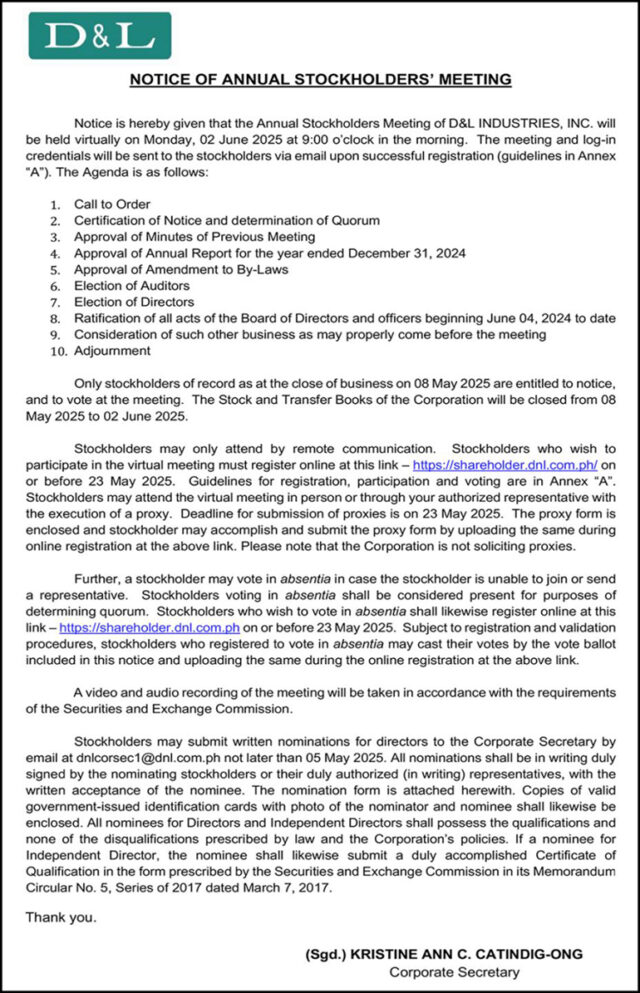
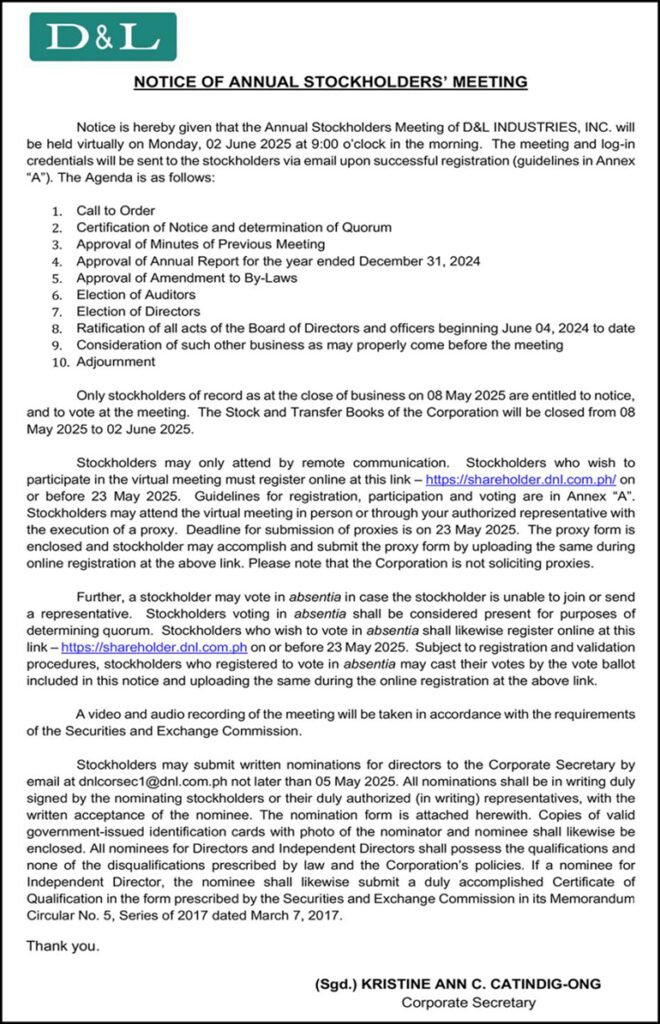
D&L Industries, Inc. to hold Annual Stockholders’ Meeting virtually on June 2


Spotlight is BusinessWorld’s sponsored section that allows advertisers to amplify their brand and connect with BusinessWorld’s audience by publishing their stories on the BusinessWorld Web site. For more information, send an email to online@bworldonline.com.

Join us on Viber at https://bit.ly/3hv6bLA to get more updates and subscribe to BusinessWorld’s titles and get exclusive content through www.bworld-x.com.