Home Blog Page 1192

Yields on central bank securities drop further

BW FILE PHOTO

YIELDS on the central bank’s short-term securities ended lower on Friday as both tenors were oversubscribed, even as total demand declined from the previous week.

The Bangko Sentral ng Pilipinas (BSP) bills fetched bids amounting to P119.459 billion on Friday, higher than the P80-billion offer but below the P149.916 billion in tenders for the same volume auctioned off a week prior. Still, the central bank awarded P80 billion in securities as planned.

Broken down, tenders for the 28-day BSP bills reached P48.109 billion, above the P30 billion placed on the auction block but lower than the P69.713 billion in bids for the same volume offered in the previous week. The central bank fully awarded the one-month papers.

Banks asked for rates ranging from 5.64% to 5.7135%, narrower than the 5.625% to 5.738% margin seen a week earlier. This caused the average rate of the one-month securities to decline by 3.23 basis points (bps) to 5.6812% from 5.7135% previously.

Meanwhile, bids for the 56-day bills amounted to P71.35 billion, more than the P50-billion offering but also below the P80.203 billion in tenders for the same volume offered by the central bank a week prior. The BSP made a full P50-billion award of the two-month bills.

Accepted yields were from 5.64% to 5.718%, lower than the 5.649% to 5.74% band seen a week prior. With this, the average rate of the 56-day securities went down by 0.94 bp to 5.7041% from the 5.7135% logged in the previous auction.

The central bank uses the BSP securities and its term deposit facility to mop up excess liquidity in the financial system and to better guide short-term market rates towards its policy rate.

The BSP bills also contribute to improved price discovery for debt instruments while supporting monetary policy transmission, the central bank said.

The central bank securities were calibrated to not overlap with the Treasury bill and term deposit tenors also being offered weekly.

Data from the central bank showed that around 50% of its market operations are done through the short-term BSP bills.

The BSP bills are considered high-quality liquid assets for the computation of banks’ liquidity coverage ratio, net stable funding ratio, and minimum liquidity ratio. They can also be traded on the secondary market. — A.M.C. Sy

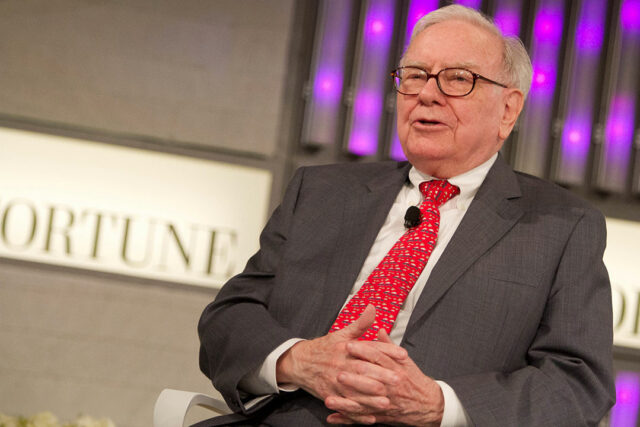
Warren Buffett caps a career built on humility

ASA MATHAT/FORTUNE MPW/FLICKR

By Jonathan Levin

WARREN BUFFETT is stepping down as chief executive officer of Berkshire Hathaway, Inc., the company he built alongside his later partner Charlie Munger for the past six decades. It’s a final show of humility by a man many consider the greatest investor of all time.

Operating in an era replete with purported Wall Street soothsayers, the 94-year-old Buffett always rejected the idea that anyone — even him — could predict the future. Nicknamed the Oracle of Omaha (a misnomer perhaps), he credited his success to patience and insisting on only buying the businesses he understood. From the early years of Berkshire, those included a textile business, insurance company GEICO, The Buffalo News, and See’s Candies. After delivering a 20% annual compounded annual gain between 1964 and 2024, about double that of the S&P 500 Index, the business is now a behemoth valued at more than $1.16 trillion, more than 390,000 employees and a cash hoard totaling $347.7 billion.

Buffett gave credit to the people around him, including vice-chairman for non-insurance operations Greg Abel — his chosen successor — and of course Munger, a lawyer by training and poker player. With the influence of Munger, Buffett slowly moved from a philosophy of buying “cigar butt” investments — as he’d learned from his mentor Ben Graham — to a style of investing that might best be characterized today as “quality”: buying great companies at the right price. The key example of that worldview in Berkshire’s portfolio became Apple, Inc. “I am embarrassed to say that Tim Cook made more money for Berkshire than I ever did, so credit should be given to him,” Buffett said on Saturday, with Apple CEO Cook in the audience.

Buffett’s legend grew during the 2008 global financial crisis when he opportunistically scooped up investments in Goldman Sachs Group, Inc., General Electric Co., and Dow Chemical Co. He managed to do so because he had stockpiled cash in the runup to the crisis — much as he’s done in recent years. Yet he always dismissed the notion that he had any great foresight or that anyone in the investing business had such capacity — a theme that he returned to Saturday when asked about the current state of financial markets and the economic risks of the moment. In Buffett’s telling, he always just waited for the right opportunities to present themselves, and passed on anything less.

In a way, humility was Buffett’s brand. Though he worked briefly in New York early in his career, Buffett ultimately returned to build Berkshire in Omaha, Nebraska, where he was born and has lived in the home he bought in 1958 for $31,500. He always insisted on treating Berkshire’s shareholders as co-owners in the company, an ethos that was always on display at his sprawling annual shareholder meeting in Omaha, dubbed the Woodstock of Capitalism, in which Buffett would sit for hours taking questions from the audience.

Despite Berkshire’s incredible run, Buffett’s conservative tendencies may have also contributed to the company’s lagging performance in recent years — an era in which cheap and easy money often pushed valuations to extraordinary levels. Since the financial crisis, Berkshire is only keeping pace with the S&P 500, a benchmark that any investor can mimic through shares of an exchange-traded fund. Some of that may underscore the ways in which the investing industry has changed and become more democratized — but also harder to outperform even for the most gifted investors. Others would say that the equity market values are too high relative to historical levels and are set for a correction, and that cash-rich Berkshire may ultimately come out on top.

As for Buffett’s personal fortune of $168.6 billion, he owes at least some of it to his long career and life and the magic of compound investing, as he’s frequently admitted. Although Buffett’s announcement Saturday was unexpected, Abel, 62, has long been groomed as the Oracle’s successor. Buffett, starting to sound every one of his 94 years, said he would recommend to the board of directors that Abel become the new chief executive.

Earlier in the day, Buffett — with his signature folksy humor — dismissed the idea that Berkshire’s sizeable cash stockpile was somehow a gift to Abel to make him look good. “I wouldn’t do anything nearly so noble as to withhold investing myself just so Greg could look good,” he said. He wasn’t totally joking. As much as Buffett valued relationships, his first allegiance in business was always to Berkshire’s shareholders, something that he demonstrated once again when he laid the groundwork for his succession to begin.

BLOOMBERG OPINION

Bank of Commerce to hold 2025 Annual Meeting of Stockholders via remote communication on May 27

NOTICE OF ANNUAL STOCKHOLDERS’ MEETING
April 30, 2025

The Annual Meeting of the Stockholders of Bank of Commerce (the Bank) will be held on Tuesday, May 27, 2025 at 2:00 P.M. As permitted by its By-laws, the Bank will conduct the annual meeting via remote communication using Pro Version License Zoom Application and livestreaming as authorized by the Board of Directors on March 25, 2025.

The Agenda of the Meeting is as follows:

  1. Call to Order
  2. Certification of Notice and Quorum
  3. Approval of the Minutes of Annual Stockholders’ Meeting held on 30 April 2024
  4. Presentation of the Annual Report
  5. Ratification of Acts and Proceedings of the Board of Directors and Corporate Officers
  6. Confirmation of Bank’s Significant Transactions with its DOSRI and Related Parties
  7. Approval of 2024 Performance Bonus of Directors
  8. Election of the Board of Directors
  9. Appointment of External Auditor
  10. Adjournment

Stockholders who would like to attend the meeting must advise the Bank on or before Wednesday, May 21, 2025, by sending the following information to stockholders@bankcom.com.ph: (1) Name; (2) E- mail address; (3) Contact number; (4) Postal address; and (5) scanned copy of any valid government-issued ID with photo of the stockholder, to obtain the link for the 2025 Annual Stockholders’ Meeting.

Stockholders may visit the Bank’s website at https://www.bankcom.com.ph/disclosure to download copies of (a) the Minutes of the Annual Stockholders’ Meeting held on 30 April 2024 and (b) the proxy form/ballot.

Electronic copies of the Information Statement and Management Report shall be available on the Company’s website and the PSE Edge.

Ballots and proxies may be submitted via email to stockholders@bankcom.com.ph, which submission shall be duly acknowledged and validated by the Bank’s stock transfer agent, SMC Stock Transfer Service Corporation. For an individual, the submission must be accompanied by a copy of a government-issued ID with photo, as proof of identification. For a corporation, the submission must be accompanied by a certification from its Corporate Secretary stating the corporate officer’s authority to represent the corporation in the meeting. In case of an event that restricts the movement of persons and makes submission of the originally signed ballots, proxies, and notarized Secretary’s Certificate difficult, these documents shall be submitted to the SMC Stock Transfer Service Corporation within a reasonable time after the Annual Stockholders’ Meeting.

During the meeting, the Bank shall entertain questions and comments from the stockholders after the presentation of the Annual Report. Questions and comments must be submitted either in advance by email to stockholders@bankcom.com.ph or during the meeting by posting the questions and comments in the feedback box that will be made available. Priority will be given to questions sent in advance. Questions which are not answered during the meeting shall be forwarded to the Office of the Corporate Secretary for the appropriate response.

The deadline for submission of the proxy and ballot is on May 21, 2025. Validation of proxies and ballots will be on May 22, 2025 at 10:00AM at the SMC Stock Transfer Service Corporation Office, 2nd Floor, SMC Head Office Complex, No. 40 San Miguel Ave., Mandaluyong City, Philippines. Only stockholders who have notified the Bank of their intention to participate through remote communication as above described and have been validated by the Office of the Corporate Secretary to be stockholders of record of the Bank as of May 7, 2025 will be considered in computing stockholder attendance at the meeting together with the stockholders attending through proxies.

(Original Signed)
EVITA C. CABALLA
Corporate Secretary


Spotlight is BusinessWorld’s sponsored section that allows advertisers to amplify their brand and connect with BusinessWorld’s audience by publishing their stories on the BusinessWorld Web site. For more information, send an email to online@bworldonline.com.

Join us on Viber at https://bit.ly/3hv6bLA to get more updates and subscribe to BusinessWorld’s titles and get exclusive content through www.bworld-x.com.

Isuzu PHL aims for further growth with added value, services

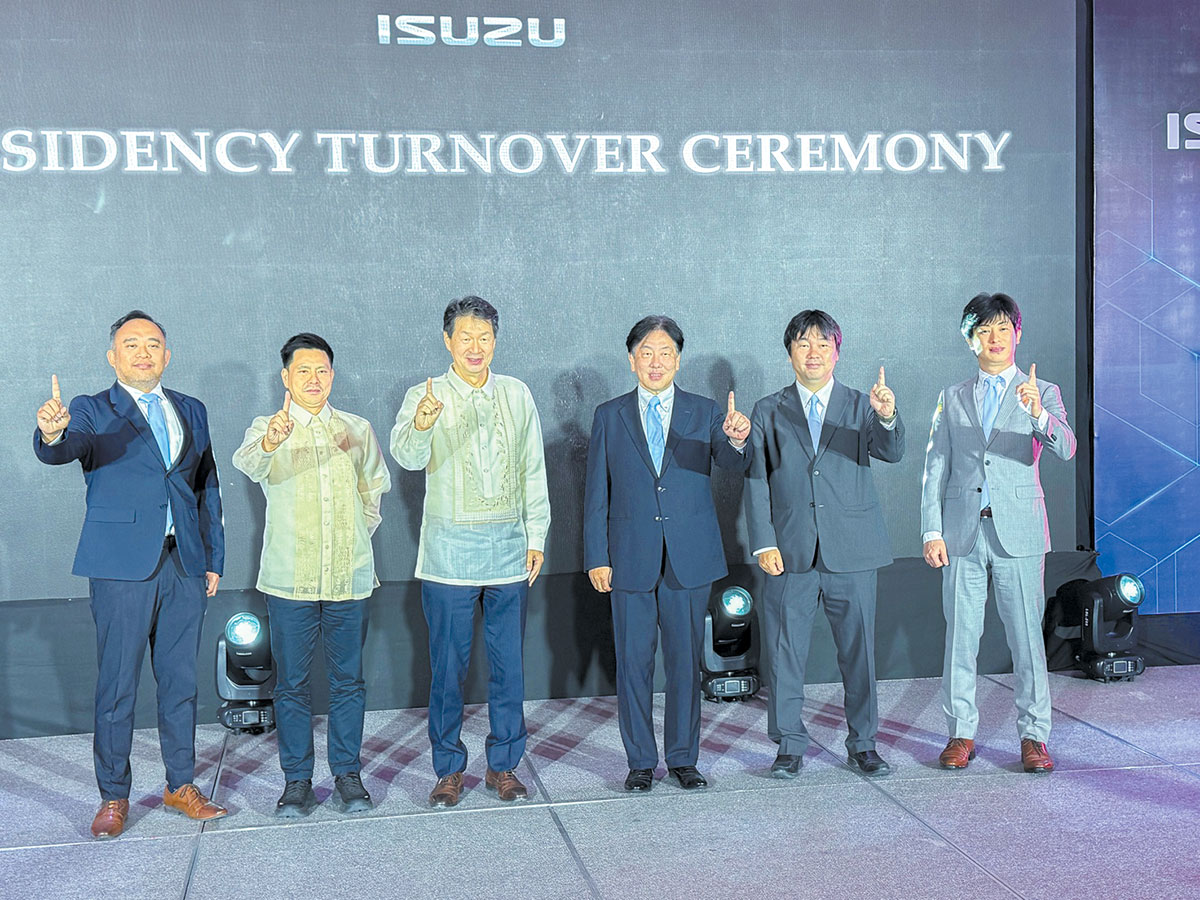
Outgoing Isuzu Philippines President Tetsuya Fujita (left) with new President Mikio Tsukui — PHOTO BY JOYCE REYES-AGUILA

New president takes helm

By Joyce Reyes-Aguila

VETERAN ISUZU GROUP executive Mikio Tsukui recently took over the presidency of Isuzu Philippines Corp. (IPC) from Tetsuya Fujita.

This was formalized in a turnover ceremony in Pasay City, attended by members of the media and content creators. In a release, IPC said that the change is a “significant milestone in the company’s leadership transition.” Mr. Tsukui has led the brand’s offices in Europe and China, and managed operations for Isuzu in various key global markets, such as the ASEAN (Association of Southeast Asian Nations) region.

Aside from upholding the brand’s legacy of “trust, reliability, and performance,” Mr. Tsukui is putting a premium on customer responsiveness and satisfaction. “The most important (imperative) when you sell a product is to always satisfy your customers, take care of customers,” he said. “My job is to have more Isuzu fans in the market and (have) more customers prefer our products. As long as we take action (to achieve these), we will maintain (our number one position) for years to come.”

He added, “We want to make more opportunities for customers to touch and feel the products. This is quite important for us because customers have a lot of choices. There are a lot of car brands; there are a lot of competitors. We aim to offer not just durability but a more refined driving experience that resonates with today’s customers. To achieve this, we plan to continue to expand our network and customer touchpoints, ensuring that the Isuzu brand is more accessible and more responsive, and more connected to their needs.”

Mr. Tsukui underscored the importance of staying competitive, especially amid the continued influx of Chinese automotive brands in the country. “We are not familiar with the (Chinese companies). When you say (the names of brands like) Toyota, Honda, you know about the companies. We are not sure how (Chinese brands) will compete in the market. We are still not sure how they work, what is (their) mindset, what is (their) strategy. So far, we only know that they come with very aggressive pricing and very short delivery time. At this moment that is a threat. But (whether) that business (model is) sustainable or not is another issue. But we are not trying to fight them with pricing. We are trying to fight with added value and service.”

The new IPC president does not expect the tariffs imposed by the United States to impact Isuzu’s operations in the country. “We bring in the parts from Japan, Indonesia and Thailand, and build the trucks here in the Philippines to provide products to the Filipino people. I think (the tariffs) do not have a direct connection (to our business),” he explained.

According to the executive, the Philippines is “one of the very important markets” for Isuzu as it “has a lot of potential to grow.” Mr. Tsukui’s priorities include sustaining the brand’s position as the leading truck brand in the Philippines, introducing more aggressive offerings in the light commercial vehicle (LCV) segment and continuously expanding IPC’s dealership network across the country.

“Beyond maintaining our leadership in commercial vehicles, we are also committed to steering IPC toward a more innovative and progressive future. This includes strengthening our presence in the light commercial segment where we’ll see great potential growth for vehicles like the Isuzu mu-X and D-Max,” he said. The executive maintained that while no electrified vehicles are scheduled to be released in the country this year, IPC is “prepared to take action” if there is market demand.

Outgoing president Mr. Fujita has started a new role in Isuzu Motors Limited in Japan. Under his leadership, IPC promoted sustainable transportation via its “Road to Progress” campaign, accelerated the expansion and modernization of Isuzu dealerships, and introduced lifestyle activities like overlanding trips for off-road and outdoor enthusiasts.

RLC holds new round of job fairs nationwide

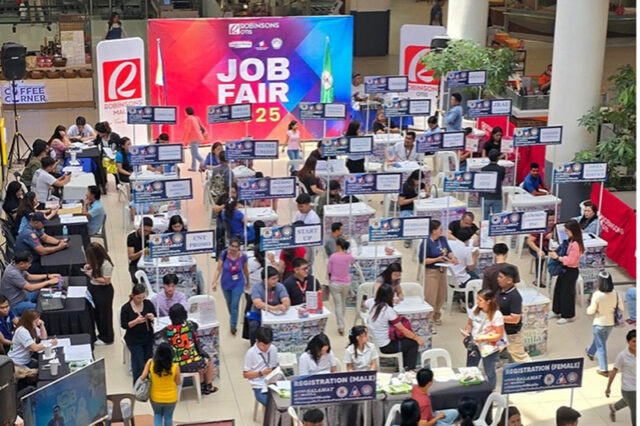
ROBINSONS LAND Corp. (RLC) is conducting another round of job fairs at Robinsons Malls across the country as part of its initiative to support employment generation.

“These job fairs will offer opportunities across a wide range of sectors, including retail, services, agriculture, manufacturing, and public services,” the company said in a statement on Sunday.

On May 1, job fairs were conducted at Robinsons Galleria, Robinsons Metro East, Robinsons Antipolo, Robinsons Iloilo, Robinsons Butuan, Robinsons Iligan, Robinsons Las Piñas, Robinsons Palawan, Robinsons Pangasinan, Robinsons Ilocos, and Robinsons Santiago. Additional events were held on May 2 at Robinsons Imus, Robinsons General Trias, and Robinsons Lipa.

Upcoming job fairs are scheduled at Robinsons Tuguegarao on May 9 and Robinsons Gapan on May 23.

The initiative is part of the company’s Lingkod Pinoy Center program, which aims to provide accessible government services, livelihood assistance, and employment opportunities.

The Philippine Statistics Authority reported that the country’s unemployment rate declined to 3.8% in February from 4.3% in January. — Beatriz Marie D. Cruz

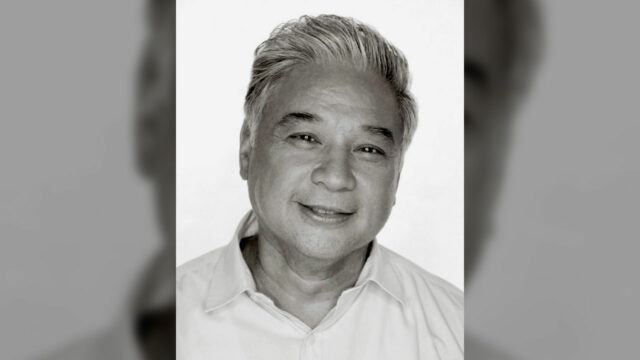
Actor Ricky Davao, 63

VETERAN ACTOR Frederick Charles Caballes Davao — better known by his screen name Ricky Davao — whose career in film, television, and theater spanned 47 years, passed away on May 1, according to his daughter Ara Davao in a social media post.

“It is with great sadness that we announce the passing of our beloved father, Ricky Davao. He passed away peacefully, surrounded by his children and loved ones, after bravely facing complications related to cancer,” Ms. Davao said in an online joint statement with her siblings Rikki Mae and Kenneth.

“For more than four decades, he dedicated his life to the craft of acting and directing. His remarkable body of work and award-winning performances have left a lasting legacy that will continue to inspire,” she said.

“Most of all he was a loving father, brother, son, and friend.”

Mr. Davao had been battling cancer since 2024, a situation which he never revealed to the public. His three children, whom he shared with his ex-wife, actress Jackie Lou Blanco, are requesting “prayers, love, and kind messages during this difficult time.”

Born to actor Charlie Davao and Emma Marie Abiera in October of 1934, Mr. Davao got his start as a dancer under the Vicor Music record label when he was 24 years old. He would eventually get his shot at acting in the 1978 film Patayin si… Mediavillo, which starred action legend Fernando Poe, Jr.

His filmography includes Huwag Mong Buhayin ang Bangkay (1987), Misis Mo, Misis Ko (1988), Natutulog Pa ang Diyos (1988), Abot Hanggang Sukdulan (1989), Bayaning 3rd World (1999), Saranggola (1999), Iadya Mo Kami (2015), Kabisera (2016), and Fuccbois (2019), among many others. He earned multiple Gawad Urian and FAMAS awards for acting for his work in many of these films.

One of his last film projects was the Netflix romcom Sosyal Climbers (2025), starring Maris Racal and Anthony Jennings.

Mr. Davao also acted in theater. His first major role was in the 1987 play Bongbong at Kris, for which he won Best Stage Actor at the 1988 Aliw Awards. He also won in 1998 for the play Sawi and in 2002 for the stage adaptation of Insiang. His last theater production was the 2024 rerun of the musical Silver Lining Redux.

Many also know him for his extensive career as a television actor, having long appeared in the anthology drama series Maalaala Mo Kaya and, in the late 1990s to early 2000s, romance teleseryes like Mula sa Puso and Pangako Sa ‘Yo. He will posthumously appear in a supporting role in the upcoming show Encantadia Chronicles: Sang’gre.

Singer-actress Zsa Zsa Padilla, who starred with Mr. Davao in the 1995 television series Familia Zaragoza and a 1997 stage adaptation of Ang Larawan, said in an Instagram post: “I don’t know anyone who wasn’t a friend of Ricky Davao. He was everyone’s buddy!”

“Whenever we’d run into each other, we’d always recall those cherished moments. The last time I saw him, we were celebrating a birthday from our group chat — just like always, full of laughter and warm memories,” she said. “Ricky is a great loss to the movie industry. His presence will be missed on stage, television and in the movies.”

In a Facebook post, director Mark Meily recalled casting Mr. Davao as the lead for his first short film in 1987, Pangako ng Bagong Simulain. “He looked at the summary of the script, smiled, and said ‘yes’ right away. The film won a prize and became my ticket to a scholarship in France,” Mr. Meily wrote. They worked together again in 2003 for his first feature-length film Crying Ladies.

The Cultural Center of the Philippines (CCP) also paid tribute to the late actor, describing his artistry as one “marked by depth, range, and a sincere commitment to his craft.”

“His spirit will forever live on through the stories he told and the roles he embodied. Rest in eternal peace, Ricky,” their statement said.

Mr. Davao’s memorial service is being held until May 7 at Chapels 8, 9, and 10 at The Heritage Park in Fort Bonifacio, Taguig City. — Brontë H. Lacsamana

First Thai anthrax death reported since 1994

REUTERS

BANGKOK — Thailand has reported its first anthrax-related death in decades with two infections nationwide, prompting a public health alert after authorities identified hundreds potentially exposed to the deadly bacteria, officials said.

A 53-year-old man in Mukdahan province, in northeastern Thailand near the border with Laos, died on Wednesday after contracting anthrax, the government said, with a second case confirmed in the same province and three additional suspected cases under investigation.

Authorities have identified at least 638 people as being potentially exposed after eating raw meat. Among them, 36 had participated in butchering livestock while the rest had consumed raw or undercooked beef, health officials said. All are receiving antibiotics as part of containment measures.

“All individuals who may have been in contact with infected meat are being monitored,” the health ministry said.

The Livestock department is overseeing containment efforts in the affected area, including a 5-km (3.2-mile) quarantine zone around the infection site, the agriculture ministry said.

There are plans to vaccinate 1,222 cattle, though no animals have shown signs of illness or unexplained death, it added.

Anthrax is caused by bacteria often transmitted through contact with infected animals or consumption of contaminated meat. It is not spread person-to-person.

Thailand last reported human anthrax cases in 2017, when two people were infected without fatalities. In 2000, 15 cases were recorded, also without deaths.

Wednesday’s death was the first anthrax fatality in Thailand since 1994 when three died and follows a rise in regional infections. Laos reported 129 anthrax infections last year, including one death, while Vietnam confirmed 13 cases in May 2023.

Thai authorities are continuing investigations into the source of the infection and said they would maintain heightened surveillance in border areas. — Reuters

Debt yields inch lower as focus turns to data

YIELDS on government securities (GS) were mixed last week as focus turned to local economic data, with the market continuing to monitor global trade developments amid ongoing tariff negotiations with the United States.

GS yields, which move opposite to prices, inched down by an average of 0.54 basis point (bp) week on week, according to the PHP Bloomberg Valuation Service Reference Rates as of May 2 published on the Philippine Dealing System’s website.

At the short end of the curve, the 91- and 182-day Treasury bills (T-bills) rose by 5.88 bps and 6.24 bps to yield 5.5146% and 5.6713%, respectively. Meanwhile, the rate of the 364-day tenor declined by 1.79 bps to 5.7183%.

At the belly, rates of the two- and three-year Treasury bonds (T-bonds) went up by 1.22 bps (to 5.7668%) and 0.07 bp (5.7967%), respectively. Meanwhile, yields on the four-, five-, and seven-year tenors declined by 0.71 bp (to 5.8446%), 1.66 bps (5.9081%), and 4 bps (6.0528%), respectively.

At the long end, yields went down across all tenors. Rates of the 10-, 20-, and 25-year bonds dropped by 8.01 bps (to 6.2603%), 1.63 bps (6.3054%), and 1.54 bps (6.3024%), respectively.

GS volume traded amounted to P29.46 billion on Friday, lower than the P35.62 billion traded a week earlier.

“We continued to see rates stabilize after that volatile start to April with the ‘Liberation Day’ tariff announcements,” a bond trader said in a Viber message.

ATRAM Trust Corp. Chief Investment Officer Alessandra P. Araullo said that while the market continued to monitor the ongoing trade policy developments and their potential impact the global economy, expectations of easing inflation at home supported bond yields.

“Local drivers were more influential than external factors. Despite the external pressures, the local bond market rallied, with the new 10-year bonds averaging lower by 8-9 basis points since their launch on Monday. The local bond market remained well-supported amid expectations of further rate cuts from both the Federal Reserve and BSP (Bangko Sentral ng Pilipinas). Risk appetite returned post the 10-year auction, allowing the curve to normalize. Overall, the local bond market showed resilience and positive performance, driven by both local and external factors,” Ms. Araullo said in a Viber message.

“The inflation print for April is expected to match the previous month’s print and remain below the BSP target range. This moderation in inflation supports a positive tone for local bonds and reinforces expectations of a more accommodative monetary policy… Overall, the sustained inflation rates and supportive monetary policy created a favorable environment for the local bond market.”

Philippine headline inflation likely remained below 2% for a second straight month in April amid lower food prices, analysts said.

A BusinessWorld poll of 14 analysts yielded a median estimate of 1.8% for the April consumer price index (CPI). This is within the BSP’s 1.3% to 2.1% forecast for the month.

If realized, April inflation would be steady from the March print and be sharply slower than the 3.8% clip logged in the same month in 2024. This would also mark the ninth straight month that inflation settled within the BSP’s 2-4% target range.

The Philippine Statistics Authority will release April inflation data on May 6 (Tuesday).

The Monetary Board last month cut benchmark borrowing costs by 25 bps to bring the policy rate to 5.5%, putting its easing cycle back on track after an unexpected pause in February.

The central bank has now slashed benchmark rates by a cumulative 100 bps since it kicked off its easing cycle in August last year.

BSP Governor Eli M. Remolona, Jr. has said that they are considering further reductions this year in “baby steps” or increments of 25 bps. The Monetary Board’s next policy review is scheduled for June 19

Meanwhile, the government raised a total of P300 billion from its offering of new 10-year fixed-rate Treasury notes, 10 times the initial P30-billion program. The issuance was listed on the Philippine Dealing & Exchange Corp.’s fixed-income board on April 28.

The Bureau of the Treasury (BTr) borrowed an initial P135 billion from the benchmark papers at the rate-setting auction on April 15 and held a public offer that ended on April 23.

The notes fetched a coupon rate of 6.375%. Accepted bid yields ranged from 6% to 6.4%, resulting in an average rate of 6.286%.

For this week, the release of April inflation data will take center stage, both analysts said.

“The local bond market is expected to trade with a downward bias, supported by the benign inflation outlook and growing policy support. The local bond market is likely to continue its positive performance, driven by the moderation in inflation and expectations of further rate cuts,” Ms. Araullo said.

“Investors need to remain vigilant against external shocks, as these could impact the local market despite the supportive local factors.”

The trader added that the market could stay range-bound and react to the US jobs data released on Friday as well as the BTr’s auction of reissued 10-year bonds on Tuesday.

US job growth slowed marginally in April and employers continued to hoard workers, but the outlook for the labor market is increasingly darkening as President Donald J. Trump’s protectionist trade policy heightens economic uncertainty, Reuters reported.

Nonfarm payrolls increased by 177,000 jobs last month after rising by a downwardly revised 185,000 in March, the Labor department’s Bureau of Labor Statistics said. Economists polled by Reuters had forecast 130,000 jobs added after a previously reported 228,000 advance in March.

The survey of establishments also showed February’s payrolls count was revised down by 15,000 jobs to 102,000. — Pierce Oel A. Montalvo with Reuters


Lifelong Immunization: A cost-effective investment in public health

FREEPIK

Immunization is one of the most cost-effective public health interventions in history. Backed by extensive global and local data, the impact of vaccines on healthcare systems and populations is clear and compelling. In the Philippines, every P100 invested in vaccination programs can yield as much as P5,400 in healthcare savings — a powerful return that benefits Filipino families, healthcare institutions, and the broader economy.

Recognizing this, the biopharmaceutical industry — composed of leading vaccine manufacturers — has launched a new campaign called “IBA ang BAKUNADO.” The initiative underscores the value of timely and lifelong immunization and aims to protect Filipinos at every stage of life.

In partnership with the government, the medical community, and patient organizations, the campaign seeks to close immunization gaps, expand access to existing and new vaccines, and raise awareness about broader protection for all age groups. Launched during World Immunization Week, the campaign aligns with the Department of Health’s (DoH) 2025 theme: “Magpabakuna: Bakuna para sa lahat, kayang-kaya!” (Get Vaccinated: Vaccines for all, is easily doable!)

Routine immunization remains one of the most effective tools in preventing over 30 infectious diseases, including measles, polio, pertussis, influenza, pneumococcal disease, hepatitis, cervical cancer, and emerging respiratory illnesses. The campaign also reinforces the message that being vaccinated goes beyond individual protection — it contributes to collective immunity and community resilience.

Pharmaceutical and Healthcare Association of the Philippines (PHAP) President Dr. Diana Edralin emphasized the need for life-course immunization and healthcare modernization. “Investing in immunization across the lifespan, adopting new vaccines, and future-proofing our systems are essential to safeguarding public health,” she said.

Member companies of PHAP — including Abbott, GSK, MSD, Pfizer, Sanofi, Takeda, and Zuellig Pharma — are working to ensure timely vaccine access by supporting scientific innovation, bolstering partnerships, and strengthening supply chains.

In addition to traditional vaccines, the industry is advocating for the introduction of new, internationally approved vaccines against diseases such as dengue, shingles, invasive meningococcal disease (MenB), and respiratory syncytial virus (RSV). These can provide crucial protection to vulnerable populations, particularly children, the elderly, and those with underlying health conditions.

Modernizing the country’s immunization infrastructure is also essential. This includes leveraging digital tools for real-time vaccine tracking, identifying and addressing coverage gaps, and ensuring equitable distribution. Prioritizing access for high-risk groups — pregnant women, seniors, persons with comorbidities, and frontline workers — can significantly enhance the effectiveness of immunization programs.

The lessons from the COVID-19 pandemic remain fresh. As PHAP Vaccines Task Force Chairperson Loreann Villanueva noted, “Vaccines not only save lives — they protect communities and strengthen economies. The pandemic showed us the power of collaboration. We’ve seen what’s possible when sectors unite, and we must build on that momentum.”

PHAP’s history of collaboration with the DoH and key partners like the Philippine Medical Association (PMA), the Philippine Foundation for Vaccination (PFV), and the Philippine Alliance of Patient Organizations (PAPO) underscores the importance of multi-sectoral engagement. These organizations remain steadfast in their mission to promote vaccine confidence and improve health outcomes.

Dr. Maria Rosario Capeding, president of PFV, emphasized the role of accurate information in empowering families. “Our goal is to ease the burden on public health systems and enhance the quality of life for Filipinos — one vaccine at a time,” she said.

PMA President Dr. Hector Santos affirmed the medical community’s commitment: “Vaccination is a fundamental right. As physicians, we are dedicated to ensuring no Filipino is left behind in the fight against preventable diseases.”

PAPO President Karen Alparce-Villanueva echoed these sentiments, advocating for universal access to healthcare, particularly preventive services. “By improving health literacy and building confidence in vaccines, we empower patients to lead healthier lives,” she said.

Through sustained collaboration, science-based policies, and a whole-of-society approach, expanding access to immunization across all life stages is not only possible — it is imperative for a healthier, more resilient Philippines.


Teodoro B. Padilla is the executive director of Pharmaceutical and Healthcare Association of the Philippines which represents the biopharmaceutical medicines and vaccines industry in the country. Its members are in the forefront of research and development efforts for COVID-19 and other diseases that affect Filipinos.

UAAGI now carries ‘new energy vehicle’ specialist Radar

At the distributor agreement signing of Radar and the United Asia Automotive Group, Inc. (UAAGI) are (seated, left) Radar International General Manager Qin Yang and UAAGI Brand Head Franz Decloedt; standing are (left) Radar International CEO Ling Shiquan and UAAGI Chairman Rommel L. Sytin. — PHOTO FROM UAAGI

MULTI-BRAND AUTOMOTIVE distributor United Asia Automotive Group, Inc. (UAAGI) added a new brand to its roster, new energy vehicle (NEV) specialist Radar. “This strategic move further solidifies UAAGI’s commitment to providing the Filipino motoring public with cutting-edge, new energy mobility options,” said the company in a release.

UAAGI Chairman Rommel L. Sytin revealed, “Radar has quickly emerged as a significant player in the NEV pickup segment. Notably, Radar holds a commanding position in its segment, capturing over 50% of the Chinese market share from 2023 to the present day. This impressive market dominance underscores the brand’s innovation, quality, and appeal to consumers seeking sustainable and versatile transportation solutions.”

With the entry of Radar, UAAGI reported that it is “not only expanding its portfolio but also contributing to the growth of the NEV market in the country.”

Radar is said to have established “a strong presence in over 50 countries and regions worldwide,” in markets including Eastern Europe, the Middle East, Asia-Pacific, Central America, and South America. This, added UAAGI, “demonstrates the brand’s international appeal and competitiveness.”

Radar CEO Dr. Ling Shiquan declared, “In 2025, Radar will enter a new phase of global cooperation. The brand will strengthen its presence in other mature markets, aiming for 30,000 units in global sales in 2025, and NEV pickup market leadership in every region.”

The core product in Radar’s global expansion is reported to be the RD6 pickup flagship model. “It combines the comfort and performance of an electric SUV with the utility of a pickup truck, while surpassing other traditional pickup platforms in terms of power, intelligent technology, and multi-functionality. The RD6, and other modern utility solutions from Radar, underscore the company’s thrust to expand its product portfolio to include even more new energy platforms,” stated UAAGI.

“With the arrival of Radar in the Philippines, UAAGI is poised to redefine the pickup truck segment, offering a compelling blend of performance, sustainability, and advanced technology. This exciting development promises to empower Filipino drivers with more choices and contribute to a greener, more mobile future. The automotive landscape in the Philippines is on the cusp of a significant transformation, and UAAGI is at the forefront, driving this change,” it concluded.

The brand is expected to launch in the Philippines this year.

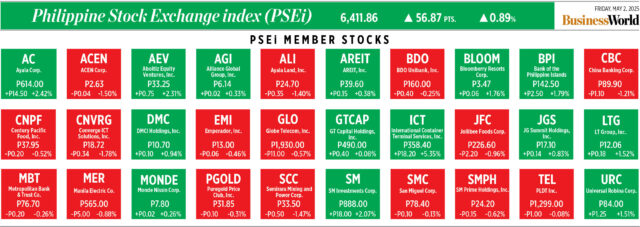
How PSEi member stocks performed — May 2, 2025

Here’s a quick glance at how PSEi stocks fared on Friday, May 2, 2025.


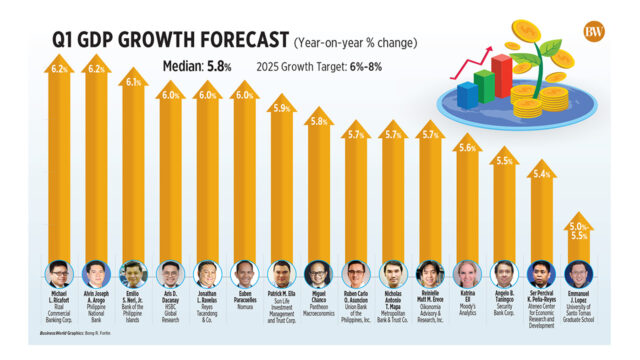
Q1 GDP growth forecast

PHILIPPINE ECONOMIC growth may have picked up in the first quarter thanks to cooling inflation and faster government spending ahead of the election ban, a BusinessWorld poll showed. Read the full story.

Q1 GDP growth forecast