Home Blog Page 1095

Where eco-friendly meets prestige

wirestock | Freepik

What Filipinos define as a luxury car varies depending on many factors, such as their personal preferences, financial capacity, and lifestyle aspirations. For some, it’s the elegant interior of a sedan with premium leather and a state-of-the-art infotainment system. For others, it is the intimidating exterior of a full-sized sport utility vehicle with powerful performance, cutting-edge safety technology, and the versatility to handle both city streets and provincial roads with ease.

Whatever one’s preference might be, it cannot be denied that the luxury market in the Philippines, while still a niche compared to mass-market automotive segments, has become a fixture in the Philippine automotive scene due to the country’s strong economic performance, growing affluence, and stronger demand for prestige brands.

Latest data on the Philippine luxury car market saw a notable increase in sales, surging by 37% in 2023, with total sales climbing from approximately 3,208 units in 2022 to 4,396 units the following year. The substantial growth outpaced the overall growth of the automotive industry that year, showing that the appetite for premium car brands in the country is growing. Lexus, BMW, and Mercedes-Benz dominated the segment, collectively selling 3,861 units and accounting for nearly 88% of total luxury car sales.

The same trend can be observed for the global luxury car market. According to online data firm Statista, the luxury car market is anticipated to generate a staggering revenue of $26 billion by the year 2025, with the average price per unit projected to be at around $120,000. Additionally, the firm also forecasts a steady annual growth rate of 0.89% in the next four years, leading to an estimated market volume of US$27 billion by 2029.

Perhaps, the biggest reason why the luxury car market has been on an upward trajectory in recent years is its ability to maintain value. Global consultancy firm McKinsey and Company noted that while car buyers “prioritize the driving experience and gain great enjoyment from it,” they also expect their vehicles to retain, or even increase, in value. Luxury brands, in particular, benefit from this trend because high-quality materials, meticulous craftsmanship, and stronger resale values make their vehicles highly desirable even years after their initial release.

Brand loyalty also plays a big role in the growth of this segment. Lexus continues to attract customers with its reputation for reliability and customer service, BMW appeals to those seeking sportier driving dynamics, and Mercedes-Benz maintains its appeal among buyers who value tradition and understated elegance. Beyond the top three, niche brands like Porsche, Audi, Land Rover, and Volvo have carved out spaces catering to specific tastes as well.

Another factor fueling the market is the increasing availability of hybrid and electric models from luxury brands. Lexus, for instance, introduced the fully electric RZ 450e in 2023, while BMW expanded its i-series lineup with the i4 Gran Coupé. Mercedes-Benz has also made significant strides with its EQ range, offering options like the EQA, EQB, and EQE SUV.

Mercedes-Benz Philippines, distributed by IC Star Automotive Inc. in the country, noted in a statement that “plug-in hybrid vehicles (PHEVs) are gaining popularity in the Philippines as more people seek environmentally friendly alternatives to traditional gasoline-powered cars.” The premium brand singled out PHEVs’ potential to significantly lower environmental impact, especially when daily drives can be completed using battery power alone, as one of key advantages of this type. 

Among the latest entries strengthening Mercedes-Benz’s position in the electrified luxury segment are two highly anticipated plug-in hybrids released a few months ago: the all-new E-Class Plug-in Hybrid and the GLC 350e Plug-in Hybrid. 

Both the all-new E 350e and the GLC 350e embody the brand’s dedication to providing the perfect blend of environmental stewardship, cutting-edge technology, exhilarating performance, and classic modern luxury. These PHEVs seamlessly integrate advanced electrification with the distinctive elegance and dynamic performance that define Mercedes-Benz vehicles. 

The return of an icon, the all-new Mercedes-Benz E-Class Plug-in Hybrid, is priced at 5,490,000. The model brings back timeless elegance with the exclusive exterior through its Mercedes star mounted on the bonnet. The E 350e’s sculpted contours, confident stance, and signature Mercedes star preserve the beloved model’s prestige while keeping up with the hybrid technology present in cars today for professionals and business leaders who seek sustainability and luxury. 

At the heart of the cabin is the impressive MBUX Superscreen, an immersive display concept that redefines digital luxury. The screen combines a 14.4-inch central touchscreen with a 12.3-inch passenger display under a single sleek glass panel. Additionally, the vehicle is equipped with the Burmester surround sound system, composed of 17 speakers, 4 exciters, and 730 watts. The system offers a 4D sound massage and Dolby Atmos playback for an unparalleled audio experience. 

The E-Class PHEV is designed to integrate electrification effortlessly into everyday life. It offers on-board AC charging of up to 11 kilowatts (kW), ensuring quick and efficient recharging whether at home or in public charging stations. The vehicle is compatible with Type 2 AC sockets and comes equipped with a charging cable for domestic outlets. 

Similarly, one of the brand’s well-loved SUV models, the GLC 350e PHEV, now enters a new era of electrification and is available in Polar White, Verde Silver, and Graphite Grey colors. With its sporty and sophisticated exterior, refined interior, powerful performance, advanced technology, and environmentally conscious features, the model is truly the SUV of choice for Filipinos choosing the luxurious urban and suburban lifestyles in the Philippines.  

Versatility meets elegance in the GLC 350e’s spacious interior, offering the largest load compartment in its segment. With the rear seats folded flat, the SUV provides up to 1530 liters of space, which is perfect for weekend escapes, business trips, or everyday errands. With 470 liters available in the cargo position, it proves that functionality and luxury can go hand in hand, every day. 

The GLC 350e is also equipped with the latest generation of MBUX (Mercedes-Benz User Experience) for a seamless digital experience. MBUX Navigation Plus supports intelligent route planning, while Apple CarPlay, a wireless system, and the USB Package Plus (with second-row ports) ensure connectivity and convenience for all occupants. Additionally, the model’s 4MATIC all-wheel drive and an Off-Road driving program ensure confident handling across a range of terrains. 

 At the heart of its advanced hybrid system is a turbocharged engine, delivering a total output of 204 hp, 320Nm of torque, and an all-electric range of more than 100 kilometers, enabling daily commutes and city drives emission-free. Drivers can further enjoy the Transparent Bonnet feature, which provides a virtual view beneath the vehicle to enhance visibility when navigating steep ramps, rough roads, or narrow spaces. — Jomarc Angelo M. Corpuz
Impact of US tariffs, trade tensions on Asia-Pacific banks to be manageable

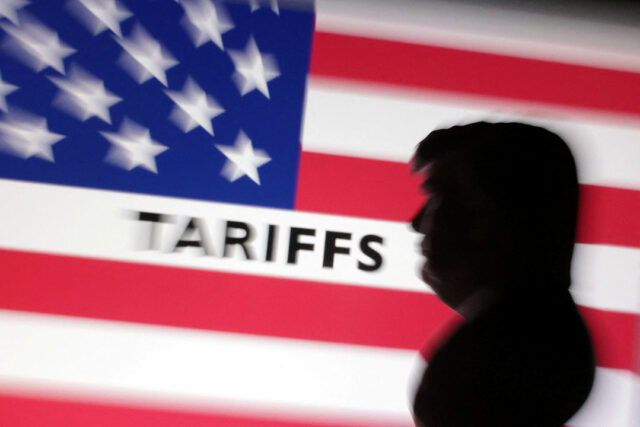
A 3D-printed miniature model of US President Donald J. Trump and the US flag pattern with the word “tariffs” are seen in this illustration. — REUTERS/DADO RUVIC/ILLUSTRATION

THE IMPACT of higher US tariffs and ongoing global trade tensions on banks in Asia-Pacific, including the Philippines, is expected to be “manageable” as they have ample liquidity and buffers against shocks, Moody’s Ratings said.

The credit rater said in an Aug. 13 note that developments in global trade dynamics amid rising protectionism among large economies and their potential impact on growth would be negative for Asia-Pacific (APAC) banks.

“Most APAC banks are likely to face negative effects from ongoing trade tensions, including slower economic growth and trade disruptions. Uncertainty surrounding the interpretation and implementation of any final agreements will weigh on consumer and business sentiment, and risk further dampening loan growth,” Moody’s said.

“Nonetheless, most APAC banks have sufficient buffers to absorb loan losses and they maintain stable funding and liquidity. Meanwhile, government measures aimed at supporting affected businesses, coupled with interest rate cuts, will help contain increases in new impaired loans,” the credit rater added.

On Aug. 7, the US began imposing higher “reciprocal” tariffs on most of its trading partners. A 19% levy was slapped on goods from the Philippines, which is slightly lower than the 20% the US had threatened to impose, but higher than the 17% announced in April.

This is at par with the rate imposed on several members of the Association of Southeast Asian Nations, namely Indonesia, Cambodia, Malaysia and Thailand.

However, the Philippines’ exports to the US only made up 3% of gross domestic product in 2024, Moody’s noted, which is low compared to the US exports of “connector” economies like Vietnam and Cambodia. 

“Most of the economies that had not reached a deal with the US by the Aug. 1 deadline generally received lower tariffs compared with rates announced in April and May. However, the US’ effective tariff rate of 18.6%, as estimated by the Yale Budget Lab, is a little higher than the 10%-15% assumption that underpinned our global growth forecast in May, and much higher than 2.4% at the beginning of the year,” Moody’s added.

“Sharply higher US tariffs will drive realignments in global trade and investment flow, heightening risks to economic growth.”

It added that US President Donald J. Trump’s plan to impose 100% tariffs on imported semiconductors and chips also adds another layer of uncertainty for APAC economies.

Moody’s said that while banks in the APAC region have large exposures to affected sectors like autos, manufacturing, and technology, credit risk as a result of higher tariffs will likely be limited as these lenders’ exposures to firms that are focused on exporting to the US is “modest.”

“In addition, the final tariff rates for most APAC economies are now lower than initially announced in April 2025. As a result, the impact of tariffs on asset quality of banks will depend on the relative competitiveness and the ability of suppliers to absorb part of the tariff costs,” Moody’s said.

Redirected low-cost exports from China as it looks to markets outside of the US may also result in increased competition for domestic manufacturers in Asia-Pacific countries, which could pose asset quality risks for banks.

“Small and medium enterprises will be the most vulnerable to these challenges associated with tariffs as they often have less room than large conglomerates to absorb additional costs or to pass them on to customers,” the credit rater said.

It added that the easing monetary policy stance of central banks in the region may pressure banks’ margins, which would affect their profitability.

The Bangko Sentral ng Pilipinas (BSP) has lowered borrowing costs by a cumulative 125 basis points (bps) since it began its easing cycle in August 2024.

BSP Governor Eli M. Remolona, Jr. has said that a third straight rate cut is “quite likely” at the Monetary Board’s next meeting on Aug. 28.

The BSP chief also said that they are expecting to deliver only two more rate cuts this year, including the one they could implement this month. A third reduction is “unlikely” as it would lead to a smaller output gap, he said.

After this month’s review, the Monetary Board will have two more policy meetings for the remainder of the year.

Philippine banks’ combined net income grew by 4.14% year on year to P198.14 billion in the first half, the latest BSP data showed, mainly driven by increased loan volumes that helped make up for narrowing interest margins due to the central bank’s policy easing cycle. — BVR

Finding the missing link to innovation and growth

TESDA.GOV.PH

It might seem trivial that the Philippine economy grew by 5.5% in the second quarter, edging up from the 5.4% mark earlier this year. The Department of Economy, Planning and Development (DEPDev) celebrates our status among the fastest-growing economies in emerging Asia. Yet two pressing truths go unspoken.

First, we are still making up for lost ground from a 9.5% contraction in 2020. Second, poverty and inequality remain stubbornly high — threatening our ability to deliver meaningful investments in health, education, infrastructure, and research and development (R&D). Without investments in R&D, innovation — the lifeblood of accelerated, sustainable growth and employment — remains aspirational.

It’s tempting to compare ourselves to neighbors like China, Indonesia, Malaysia, or Thailand, but such comparisons swiftly lose meaning. These countries are already well ahead in absolute GDP and per capita GNI, having advanced beyond lower-middle-income status. This is a transition the Philippines has failed to make in nearly four decades. Since 1987, we have remained in that lower-middle-income bracket, pressed now by both geopolitical headwinds and domestic fiscal constraints, including a National Government debt exceeding P17 trillion. Consequently, growth targets for 2025-2028 have been revised down by both agencies and international financial institutions including the World Bank and the IMF.

This reality resonates across the private sector. The Development Bank of Singapore recently trimmed its 2025 growth forecast for the Philippines from 5.8% to 5.6%, citing subdued consumer and business confidence. Domestic bank BPI speaks of a “new normal” — growth well below the pre-pandemic average of 6.4% due to persistently high price levels and subdued job security. With weaker growth, our debt-to-GDP and fiscal deficit to GDP ratios would remain elevated as National Government debt may climb to P19 trillion by 2026.

With these pressures, how do we shift from insufficient growth to more sustained, inclusive, innovation-driven development? Innovation depends on talent. We must find the missing link that connects the two.

INNOVATION STARTS WITH HUMILITY
Yuval Noah Harari’s 21 Lessons for the 21st Century delivers understated provocations: “when you grow up, you might not have a job,” “change is the only constant,” and our “sense of justice may lag behind reality.” In particular, lesson 11 reminds us of war’s persistence — not through grand statements but through solemn humility. In the Philippine context, where education quality falters and talent remains largely unrecognized, humility is not self-flagellation — it is the quiet admission that precedes renewal.

THE HIDDEN COST OF LEARNING POVERTY
Consider the numbers: learning poverty among Filipino 10-year-olds hovers between 90% and 91%, meaning nine out of 10 cannot read and understand a simple text by the age of 10. While completion rates are formally high (primary at 95.9%, lower secondary at 81.7%, upper secondary at 72.6%), the data belie the stark reality that only 10% of primary graduates meet reading standards and 17% meet math proficiency.

Such learning gaps stem from reported systemic failures: overcrowded classrooms, poor instructional materials, teacher absenteeism, and educators teaching subjects outside their areas of expertise. A recent World Bank study reports that 40% of students say their teachers are frequently absent, while most teachers employ ineffective teaching practices. Entry into the teaching profession often lacks rigor; training rarely offers follow-through, practice, or incentives.

These are not abstract problems. They are quiet tragedies: latent innovation stifled, young minds left untapped, potential dimmed. The bench of talent remains shallow.

TALENT AS THE ENGINE OF INNOVATION
The IMF’s March 2025 issue of Finance & Development (F&D) frames talent as a strategic asset. Ideas do not spring from abstraction — they emerge from insight. When gifted minds go unrecognized or unsupported, the consequences ripple outward — innovations remain unrealized, cures unsought, frontiers unexplored. F&D’s editor-in-chief Gita Bhatt underscores that talent may be one of the world’s “most valuable resources that can drive innovation and growth.”

Within that issue lies the notion of the “missing equation” — the systemic failure to identify and nurture young talent, especially in science, technology, engineering, and mathematics (STEM). A Brazilian prodigy, Tabata Amaral, now 31 and already a member of parliament, credits her rise to school math competitions and similar opportunities. She is where she is because of such openings. Her words underline the payoff of simple investments.

More broadly, access to education, socioeconomic background, and social networks heavily influence who becomes an inventor. The economic cost of unleashing only part of the nation’s potential is profound. The human cost is greater still. This is a big, big challenge to the government and Congress to restore the centrality of public education and health in the budget process. It is crucial to engineer social benefits in favor of what could produce innovation for all, rather than public money for some.

Not surprisingly, the IMF cautions that while AI offers opportunity, it also threatens to narrow the space for human creativity if used without care. Harvard’s William Kerr reminds us that demographic shifts and declining productivity make retaining top talent indispensable to resilience.

FROM REALIZATION TO ACTION
Harari’s admonitions ring softly: we know the gaps, yet reform often stalls. The Philippines stands at a demographic inflection point — dependency ratios falling, working-age population rising through mid-century. If health and education are elevated to central priorities, this moment could be transformative. If not, we risk squandering it.

Yet deficits persist. We abound in schools with very few books, very limited science or digital facilities. We use broadband that is pricier than regional peers. We suffer from glaring misalignment between skills taught and labor market demands. Employers consistently cite deficits in digital literacy, cybersecurity, and data visualization yet as many as 90% of the population lacks basic ICT skills. At the same time, current projections indicate over 1 million tech jobs, including 150,000 developer roles, may go unfilled by 2028 — an unaffordable mismatch of opportunity and capability.

A BLUEPRINT OF QUIET REFORM
If innovation depends on talent — and talent flourishes under quiet but deliberate nurture — then a humble revival might look like this:

1. Spot Hidden Potential Low-profile initiatives. Math Olympiads, science fairs, literary contests — especially in underserved provinces — which can surface latent talent waiting only for recognition.

2. Sustain Basic Foundations. No sweeping reforms. Just steady investment in learning materials, functional classrooms, early childhood education, and competent teachers — understanding that decoration cannot mask absence.

3. Use AI as an Enabler, Not a Crutch. Digital tools can extend teaching reach and personalize learning if underpinned by electricity, connectivity, and trained educators who know how to wield them.

4. Align Education with Opportunity. Strengthen linkages between TESDA (Technical Education And Skills Development Authority), TVET (Technical and Vocational Education and Training), and industry. Target growth industries and nurture apprenticeships, not as showpieces, but as bridges to employment.

5. View Social Disadvantage as Untapped Potential. Learners walk in with stunting, hunger, and unstable homes. Remedial programs must go beyond charity. They are investments in national promise.

THE QUIET PATH BEYOND STUPIDITY
Harari’s critique is not about loud self-flagellation — it is about bending where we have been stubborn, recognizing the gaps we habitually ignore, and embracing repair with small, deliberate steps.

The Philippines is not devoid of potential. We have a youthful demographic, remittance-backed liquidity, and digital infrastructure ready to be tapped. We have a sound banking system. We have a strategic development plan through 2028.

The question is not “Can we?” but “Will we?” Will we treat education and talent not as passive givens, but as fragile seeds requiring guardianship?

This is no moral piece. This is a modest plea rooted in humility. Perhaps the next breakthrough, the next quietly transformative idea, the next gentle genius — worth its weight in prosperity — awaits nothing more than a small opening.

We don’t need spectacle. We need sincerity.


Diwa C. Guinigundo is the former deputy governor for the Monetary and Economics Sector, the Bangko Sentral ng Pilipinas (BSP). He served the BSP for 41 years. In 2001-2003, he was alternate executive director at the International Monetary Fund in Washington, DC. He is the senior pastor of the Fullness of Christ International Ministries in Mandaluyong.

Ayala Corp. boosts iPeople ownership to 36.3% after P351-M deal

MAPUA MALAYAN COLLEGES LAGUNA — IPEOPLE.COM.PH

AYALA CORP. raised its stake in listed education holding company iPeople, Inc. after acquiring P351 million worth of shares from listed holding company A. Soriano Corp. (Anscor).

Anscor and Ayala completed a block sale involving 29.24 million common shares of iPeople at P12 apiece, equivalent to a 2.8% ownership, the two companies said in separate disclosures on Thursday.

The move increased Ayala’s stake in iPeople to 36.3%, while Anscor’s stake dropped to 6.13%.

The transaction received approval from the Philippine Competition Commission on July 29.

iPeople is a holding company under Ayala Corp. and Yuchengco-led House of Investments, Inc., with investments in the education sector.

Its portfolio includes Mapua University, Mapua Malayan Colleges Laguna, and Mapua Malayan Colleges Mindanao.

On Thursday, Ayala Corp. shares rose 1% or P6 to P606 each, iPeople shares climbed 1.93% or 11 centavos to P5.81 apiece, and Anscor stocks fell 3.12% or 46 centavos to P14.30 per share. — Revin Mikhael D. Ochave

Taylor Swift says new Showgirl album reflects joy of recent tour

STORE.TAYLORSWIFT.COM

LOS ANGELES — Pop superstar Taylor Swift said her forthcoming album, the upbeat The Life of a Showgirl, was inspired by the joy she felt when she was performing around the world on her record-setting Eras Tour.

Ms. Swift appeared on the New Heights podcast hosted by her boyfriend, National Football League player Travis Kelce, and his brother, Jason Kelce. Showgirl will be released Oct. 3, the singer said on the episode aired on Wednesday.

“This album is about what was going on behind the scenes in my inner life during this tour, which was so exuberant and electric and vibrant,” Ms. Swift said.

“It just comes from like the most infectiously joyful, wild, dramatic place I was in my life.”

She said that “effervescence” came through and promised some “bangers.”

Ms. Swift has won 14 Grammys including an unparalleled four album of the year honors. Showgirl will be her 12th original album.

The Eras Tour, which featured music from throughout her two-decade career, concluded in December 2024 and grossed more than $2 billion. The singer said she jetted to Sweden between European tour dates to record Showgirl.

She said her goal was to produce “melodies that were so infectious that you’re almost angry at it” and lyrics that were “as vivid, crisp, focused and completely intentional.”

The cover for the 12-track album features Ms. Swift floating underwater in a bejeweled bodice. She said the image represented the end of her night on tour.

The title track is a collaboration with Sabrina Carpenter. Other songs include “Elizabeth Taylor,” “Eldest Daughter,” and “Actually Romantic.”

Travis Kelce said the Showgirl album “will make you dance” and was a contrast to Ms. Swift’s last release, The Tortured Poets Department.

“Oh yeah,” said Ms. Swift, who agreed that her music often reflected her feelings at the time. “Life is more upbeat.” — Reuters

Why cybersecurity must be on every CEO’s desk

STOCK PHOTO | Image from Freepik

In boardrooms across the Philippines, cybersecurity is often discussed — yet still misunderstood. For too many companies, it remains seen as a technical issue, a cost center, or an IT department’s “problem to solve.” That thinking is dangerously outdated. In today’s digital economy, cybersecurity is not merely an operational concern — it is a core business risk, a compliance obligation, and, increasingly, a matter of corporate survival.

The reality is stark: cyberattacks are no longer confined to large multinationals or technology firms. Filipino corporations in manufacturing, retail, logistics, healthcare, and even education are finding themselves in the crosshairs. In recent years, we’ve seen high-profile breaches in major banks, telcos, hospitals, and government databases, including the 2023 PhilHealth ransomware attack that compromised millions of members’ personal data and disrupted services nationwide. Just last year, the Commission on Elections faced renewed scrutiny over alleged vulnerabilities in its systems, a reminder that even the democratic process can be threatened by cyber insecurity. These are not isolated incidents — they are part of an accelerating trend.

A single breach can cripple operations for days, sometimes weeks. Data can be stolen, destroyed, or locked behind ransom demands. Confidential contracts, intellectual property, and customer information can be leaked online within hours. The immediate financial damage is often compounded by the slower, more corrosive harm to a company’s reputation and customer trust. Once that trust is gone, it can take years — and millions in marketing and legal fees — to restore.

The legal repercussions are equally serious. The Philippines’ Data Privacy Act of 2012 imposes strict requirements on how organizations collect, process, and protect personal data. Failure to comply, or to report breaches in a timely manner, can lead to administrative fines, civil damages, and even criminal liability. Beyond the Data Privacy Act, companies in regulated sectors — such as banking, insurance, and telecommunications — face additional obligations under industry-specific laws and guidelines issued by the Bangko Sentral ng Pilipinas, the Insurance Commission, and the National Telecommunications Commission. Non-compliance can trigger penalties, suspension of licenses, and the loss of regulatory trust.

In the modern business environment, the CEO and board of directors cannot claim ignorance. Cybersecurity governance is now part of good corporate governance. Regulators and investors are increasingly expecting boards to understand their organization’s cyber posture, ensure adequate investment in security measures, and establish clear accountability. Delegating cybersecurity entirely to the IT department is not only risky — it’s negligent.

When a cyberattack hits, it’s not just servers that go down. It’s sales. It’s supply chains. It’s customer relationships. The damage often extends to shareholder confidence, credit ratings, and employee morale. These are strategic matters that fall squarely within the responsibilities of the CEO and the board.

The risks fall into four broad categories. First is business risk — the direct financial losses from theft, fraud, or operational downtime. For companies with tight margins, even a few days of lost productivity can mean missing quarterly targets. Second is reputation risk — the loss of customer trust, media backlash, and brand damage that can follow a high-profile breach. Third is compliance and legal risk — failure to adhere to laws like the Data Privacy Act or industry-specific regulations, leading to penalties, lawsuits, and the loss of licenses. Fourth is strategic risk — the long-term erosion of competitive advantage when intellectual property is stolen, or confidential strategies are exposed.

For these reasons, cybersecurity must be elevated to the highest levels of corporate strategy. This means the CEO should personally champion the issue, ensuring it is discussed regularly at board meetings and included in enterprise risk management frameworks. The board should have at least one member with cybersecurity expertise — or access to independent advisors who can provide informed oversight.

Establishing a cybersecurity governance mechanism is essential. This begins with defining clear roles and responsibilities across the organization, from the boardroom to the front line. Policies must be regularly updated to reflect evolving threats, and incident response plans should be tested through simulations, so everyone knows their role when — not if — a breach occurs. Cyber risk assessments should be conducted at least annually, and the results should be reported to the board.

Investment in cybersecurity should be treated as an investment in business continuity and competitive advantage — not as an expense to be minimized. This includes adopting multi-layered defenses such as endpoint protection, intrusion detection, network segmentation, and secure cloud configurations. Equally important is investing in people: employees remain the first and last line of defense, and they need continuous training to recognize phishing attempts, handle data securely, and follow incident protocols.

Another critical aspect is supply chain security. Many breaches occur not through the targeted company itself, but through its vendors, contractors, or technology partners. CEOs must ensure that third-party risk management is part of their cybersecurity framework, with vendors required to meet specific security standards.

The private sector must also work hand in hand with government agencies, industry associations, and cybersecurity councils to share threat intelligence, coordinate responses, and advocate for stronger policies. Cybercrime is a moving target; only by pooling knowledge and resources can we hope to stay ahead.

Some executives may still believe that cybersecurity is purely defensive — designed only to stop attacks. That mindset underestimates its potential as a business enabler. A company known for protecting customer data and respecting privacy can differentiate itself in a crowded market. Strong security can also open doors to partnerships, foreign investment, and access to new markets, particularly in sectors where compliance with global data protection standards is a prerequisite.

The call to action for CEOs is clear. Cybersecurity can no longer be a delegated technical task buried in the IT department. It is a leadership priority. It is a governance issue. And it is a strategic investment in the resilience and future of the business.

Companies that ignore this reality are not only risking financial loss — they are gambling with their reputation, their compliance standing, and, ultimately, their survival. In an era where cyber threats are constant and evolving, the companies that thrive will be those whose leaders take ownership of security, embed it into corporate culture, and make it part of their strategic DNA.

Cybersecurity is not just about protecting data. It is about protecting the trust that keeps customers loyal, the confidence that keeps investors engaged, and the resilience that keeps businesses running — no matter what the digital world throws at them. And that responsibility begins, and ends, at the very top.


Dr. Donald Lim is the founding president of the Blockchain Council of the Philippines and the lead convenor of the Philippine Blockchain Week. He is also the Asian anchor of FintechTV.

PHL seeks seafarer protections via new labor deal with Liberia

EN.WIKIPEDIA.ORG

THE PHILIPPINES is looking to strengthen seafarer protections by signing new labor agreements with Liberia, according to the Department of Migrant Workers (DMW).

“Liberia is a strategic gateway to West Africa and holds a potential labor market and is of maritime importance,” the DMW said in a statement.

“Many Filipino seafarers are also employed on Liberia-flagged vessels passing through the Monrovia, which serves as a critical safe anchorage and boarding point for the deployment of Filipino seafarers on voyages across international waters,” it added.

The DMW said the Philippines is open to exploring areas of cooperation in ensuring safe and ethical migration, following a meeting between Migrant Workers Secretary Hans Leo J. Cacdac and Liberia Labor Minister Cllr. Cooper W. Kruah, Sr. and Maritime Authority Deputy Commissioner John F. Harvey.

The DMW added that improved labor relations with Liberia would improve work standards for seafarers serving on Liberia-flagged vessels.

“Enhanced cooperation with Liberia ensures improved labor protection, adherence to international maritime labor standards, and effective welfare support, safeguarding a significant segment of the Philippines’ overseas workforce,” it said.

It added that for land-based overseas Filipino workers (OFWs), a potential bilateral labor agreement would promote better recruitment and labor practices.

“The bilateral agreement with Liberia will be a foundation to promote fair recruitment practices, labor rights, and access to welfare services within Liberia’s broader labor market,” the DMW said.

About 300 OFWs currently work in Liberia in the services, healthcare, and private enterprises sector. Its maritime industry, on the other hand, employs more than a thousand Filipino seafarers.

Additionally, Monrovia is a crucial boarding and anchoring location for seafarers traveling through international waters. — Adrian H. Halili

Alien franchise crafts new creatures for Alien: Earth TV show

Alien- Earth (2025)
Alien-Earth (2025) — IMDB

LOS ANGELES — Both new and familiar alien lifeforms lurk around in the Disney series Alien: Earth, based on the original 1979 Ridley Scott Alien movie.

“By bringing the story to Earth, we’re shifting to, ‘can humanity itself survive, right?’ And then it becomes a question of, ‘well, what is humanity, and do we really deserve to survive?’” director Noah Hawley told Reuters.

“These creatures that are coming, are a kind of representation of the natural world reasserting its dominance, right? Reminding us that we’re still part of the food chain,” the Fargo creator added.

Alien: Earth, which began streaming on Hulu and FX on Tuesday, follows a group of travelers with various jobs that are drawn into action when a spacecraft carrying alien samples crash-lands on Earth.

It is set two years before the first Alien movie that introduced audiences to actor Sigourney Weaver’s character, Ellen Ripley, and the terrifying alien called a xenomorph.

Other than the xenomorphs that fans are familiar with, there are four other deadly creatures on the crashed spacecraft.

“These creatures have some, to varying degrees, great recognition factor,” said producer David W. Zucker.

“They’re sort of perverted versions of insects and otherwise that we can recognize. So, I think that brings it into an even more sort of visceral place, not to mention, touching upon certain sensations that we’re already familiar that they can invoke,” he added.

Don’t Worry Darling actor Sydney Chandler portrays the show’s lead named Wendy, a metahuman with the body of an adult human and the mind of a child, who leads a team that also has adult bodies with childish minds, called The Lost Boys, onto the crashed spaceship.

“Kids are great acting teachers. They’re so present, they’re so honest, instinctual, they do what their body tells them to do or what their mind thinks of right away,” Ms. Chandler said, referring to her approach to Wendy’s child-like mannerisms. — Reuters

Emirates SkyCargo boosting weekly cargo capacity in Southeast Asia

SKYCARGO.COM

EMIRATES SKYCARGO, the air freight unit of Dubai-based carrier Emirates, said it is boosting its weekly cargo capacity in Southeast Asia to meet rising demand.

“Our strategic growth strategy and continued investment in East Asia and Southeast Asia reflects this as we remain laser-focused on building the capacity, routes and partnerships to best serve the exponential demand,” Emirates SkyCargo Vice-President of Cargo Commercial Abdulla Alkhallafi said in a media release on Thursday.

As part of its expansion, Emirates now runs more than 44 freighters, 13 charter flights, and 311 passenger flights each week, providing over 21,000 tonnes of cargo capacity to 25 gateways across East and Southeast Asia.

The company said this would help boost vital air freight links for businesses in the Philippines through its regional network.

Emirates SkyCargo currently serves 25 gateways across 12 countries and territories.

Emirates SkyCargo highlighted East and Southeast Asia as strategic markets in its global network, pointing to the region’s expanding e-commerce, manufacturing, and agricultural industries.

From 2024 to date, Emirates SkyCargo carried more than 14,395 tonnes of goods from the Philippines, noting exports in sectors such as electronics, garments, fresh produce including tropical fruits and seafood, pharmaceuticals, and e-commerce parcels. — Ashley Erika O. Jose

Peso weakens vs dollar ahead of US PPI data

BW FILE PHOTO

THE PESO weakened against the dollar on Thursday as players repositioned before the release of July US producer inflation data overnight.

The local unit closed at P56.945 per dollar, dropping by 22.5 centavos from its P56.72 finish on Wednesday, Bankers Association of the Philippines data showed.

The peso opened the session a tad stronger at P56.70 against the dollar. It climbed to as high as P56.61, while its worst showing was at P56.995 against the greenback.

Dollars exchanged rose to $1.87 billion on Thursday from $1.63 billion on Wednesday.

“The dollar-peso initially fell to lows of P56.61 on dovish Fed bets but later reached highs of P56.955 on profit taking and trimming of positions ahead of US PPI (producer price index) data,” a trader said in a phone interview.

The US dollar rose slightly against other major currencies on Thursday, but stayed close to multi-week lows as bets that the Federal Reserve will resume cutting interest rates next month ticked higher, Reuters reported.

Fed rhetoric has turned broadly more dovish on signs of a cooling US labor market, while President Donald J. Trump’s tariffs are yet to add significantly to price pressures.

Traders see a Fed rate cut on Sept. 17 as a near certainty, according to LSEG data, and even lay around 7% odds on a super-sized half-point reduction.

The Fed also continues to be under intense political pressure to ease.

Mr. Trump has repeatedly criticized Fed Chair Jerome H. Powell for not cutting rates sooner, even threatening to oust him before Mr. Powell’s term expires in May.

Treasury Secretary Scott Bessent on Wednesday called for a “series of rate cuts,” and said the Fed could kick off the policy easing with a half-point cut.

Francesco Pesole, FX strategist at ING, said a 50 basis points rate cut is not very realistic right now.

“In order for the market to price 50 basis points in, we would probably need some indication from other Fed members that they are somewhat open to the idea,” he said.

Traders are now looking ahead to US PPI figures for July due later in the session.

“If that comes in soft or below expectations that can add a little bit of easing,” said ING’s Mr. Pesole.

Meanwhile, the peso was also dragged lower by “estimates of higher national government borrowings and outstanding debt for 2026,” Rizal Commercial Banking Corp. Chief Economist Michael L. Ricafort said in a Viber message.

The 2026 Budget of Expenditures and Sources of Financing showed that the National Government’s (NG) outstanding debt is expected to increase by 9.78% to a record P19.06 trillion by end-2026 from the revised P17.36-trillion estimate for end-2025.

As of June, the Philippines’ outstanding debt hit a fresh high of P17.27 trillion, up 11.5% from P15.48 trillion in the same month in 2024.

This brought the debt-to-gross domestic product (GDP) ratio to 63.1% at the end of June, the highest ratio since 2005. This is above the 60% debt-to-GDP threshold considered by multilateral lenders to be manageable for developing economies.

Meanwhile, the NG’s gross borrowing program for 2026 was set at P2.68 trillion, up 3.15% from P2.6 trillion this year.

For Friday, the trader sees the peso moving between P56.70 and P57.10 per dollar, while Mr. Ricafort expects it to range from P56.80 to P57.10. — Aaron Michael C. Sy with Reuters

Providing broader, easier access to employees’ healthcare

STOCK PHOTO | Image by Rawpixel.com from Freepik

By Mhicole A. Moral, Special Features and Content Writer

Poor health continues to affect a wide segment of the Filipino population, creating a cycle that takes a toll on both personal well-being and workplace productivity.

Latest data from the Philippine Statistics Authority show that government schemes and mandatory healthcare contributions covered 44.7% of the country’s current health expenditure. Household out-of-pocket payments followed at 42%, with voluntary healthcare payments accounting for 12.6%.

Total health expenditure reached P1.56 trillion in 2024, a 17.1% increase from P1.33 trillion the previous year. On average, each Filipino spent P12,751 on health.

Consequently, projections from global advisory firm WTW indicate that healthcare expenses in the country will rise another 18.3% in 2025. This is the second-highest expected increase in the Asia-Pacific region, only behind Indonesia.

With medical costs rising, more companies are shifting from purely covering treatment expenses to promoting prevention. Employers are offering programs that include regular health checkups, fitness benefits and mental health services.

Health maintenance organizations, or HMOs, remain the most common choice for employer-sponsored healthcare in the Philippines. They typically provide employees with access to a network of doctors and hospitals at prearranged rates that help lower out-of-pocket costs.

Christopher V. Tan, first vice-president and head of the sales and marketing department of Cocolife’s Healthcare Division, said demand for health coverage remains strong as more employees see it as an essential part of their employment package.

Christopher V. Tan, Sales and Marketing Department first vice-president and head, Cocolife Healthcare Division

“Filipinos today are more health-conscious than ever,” Mr. Tan said. “Healthcare is increasingly viewed not just as a benefit but as a necessity and a security blanket.”

In the past, most employees used their health coverage mainly for hospitalization or treatment after becoming ill. Cocolife has seen a change in behavior, with more employees now using it for preventive care such as executive checkups, vaccinations and wellness screenings.

The coronavirus (COVID-19) pandemic five years ago has intensified the focus on employees’ physical and mental health. Younger professionals, in particular, appear more willing to invest time and effort in maintaining overall wellness rather than waiting for health problems to develop.

While treatment for acute illnesses and outpatient consultations still account for much of the claims, services like wellness and lifestyle programs, occupational health screenings, and expanded annual physical examinations are becoming a higher priority.

Maintaining quality healthcare packages

Medical inflation remains a major problem worldwide, affecting hospital room rates and the cost of medicines. In some areas in the Philippines, the lack of nearby hospitals or clinics makes access to care more difficult.

“Our mission is to cover as many Filipinos as possible. On the other hand, expanding quality healthcare services in a cost-sensitive market like the Philippines poses several challenges,” Mr. Tan said.

Cocolife has redesigned its healthcare packages to reach more Filipinos with affordable plans that still provide quality care. Mr. Tan said Cocolife now offers a tiered product design that fits different budgets while maintaining essential benefits.

For example, a basic plan may cover primary care and hospitalization, while higher-tier packages may include specialized treatments or wider provider networks.

The provider has also strengthened its utilization management, such as monitoring how healthcare services are used and working with partner hospitals and clinics to keep services cost-effective.

“We [are] working closely with our partners to ensure optimal use and cost effectiveness without compromising quality of care,” he said.

Modernizing health coverage

HMOs are now expanding beyond traditional coverage that once focused mainly on hospital stays and medicine reimbursements. Coverage today includes services that address a wider range of needs.

Healthcare providers are also beginning to make mental health services part of their offering.

“Services such as psychiatric consultations, counseling sessions and stress management programs are becoming more common,” Mr. Tan said. “Depending on the employer’s plan, these services may be included as standard benefits or offered as optional riders.”

Digitalization, on the other hand, is also making access to care faster, easier and more reliable for members.

“Digitalization has fast become a necessity rather than a value-added service in the healthcare industry,” he added.

Cocolife now offers 24/7 teleconsultations through its partners Doctor Anywhere, E-Konsulta and HiDoc. These services allow members to consult licensed physicians without visiting a clinic or hospital.

The company has also upgraded its medical helpline with a more advanced telecommunication system, making it easier for members to reach support at any time.

Aside from consultations, Cocolife has introduced mobile app services and real-time issuance of letters of authorization, which are required for scheduling medical procedures. These features are available through the Cocolife Healthcare Virtual Card App, which also lets members store their information and track their benefits.

Maximizing HMO benefits

While HMOs help cover employees’ medical costs, some rarely use their packages because they do not fully understand the coverage. Others find that their preferred doctors or hospitals are not included in the network. Even benefit that appears strong on paper can still fall short when it does not match the needs of those it is meant to serve.

Such gap between what is offered and what is useful points to a larger responsibility for employers. Companies are suggested to review how employees use these plans and identify ways to make the benefit more practical.

“The most effective healthcare plans are those that go beyond compliance. Healthcare plan designs engage employees, address real needs, and evolve over time,” Mr. Tan said.

He added that companies should actively gather feedback from employees about what they need in a healthcare package. Some may want broader hospital coverage, while others may prefer more preventive services or mental health support. Knowing these differences helps companies select plans that work for a wider range of employees.

In addition, Mr. Tan pointed out that integrating annual checkups, health screenings, or lifestyle programs into the HMO package can lower costs in the long run and improve overall workforce well-being.

Companies also need to balance costs with quality of care. A low-cost plan may seem appealing on paper, but if it leaves employees paying high out-of-pocket expenses or struggling to find accredited doctors, it fails its purpose. Mr. Tan said healthcare benefits should be broad enough to meet common needs without becoming a financial strain for either employers or employees.

To make the efforts sustainable, employers are encouraged to promote health literacy. Orientation sessions, printed guides or brief reminders during company meetings can help address this issue.

“At Cocolife, we value long-term partnerships rooted in deep collaboration. Together, we create solutions that not only manage costs but profoundly uplift and empower the lives of every employee,” Mr. Tan said.

Beauty and health concepts

STOCK PHOTO | Image by Pikisuperstar from Freepik

The obsession with beauty and health has become extreme.

“Health is what sells,” Professor Elizabeth Haiken wrote in her book, Venus Envy: A History of Cosmetic Surgery.

The commercial thrust is evident in how products are marketed. Innovation is the key.

Through years of subliminal programing and media conditioning, people confuse the concept of health with a beautiful face, a slim body, and youth. The multibillion-dollar beauty industry projects the ultimate image of a perfect figure and flawless face. A sexy icon, the perennial image on billboards and ads, makes people aspire to look perfect.

“Wellness” is the term used to market the booming spa and cosmetic surgery sub-categories of the beauty industry. Vitamin supplements and quick magic fixes are recommended.

Health and beauty have been intricately linked and promoted by traditional media and social media. Seductive TV and magazine advertisements heighten the desire for eternal youth. The ads entice potential customers to “feed your skin.” The healthy glow comes from nourishing cosmetics, sea extracts, oxygen treatments, and detox flush weekends. Yoga and vegetarian dishes are offered as well.

The consumer (male or female) with disposable income wants infinite ways to look and feel healthy and fit. The industry discovers and formulates innovative products and treatments to meet those needs.

It is the law of supply and demand.

People like to identify with good-looking celebrities who endorse miracle products: the young athlete who wins the race, the gymnast who has medals, the shapely model who cavorts in the surf or rides a horse on the beach to promote a vitamin, a drink. (Sometimes, there is no truth in advertising.)

Caveat emptor.

One tends to envision health as a perpetually youthful package — too good to be real. Good health is always associated with sparkling eyes, lustrous hair, shiny teeth, a glowing complexion, and a supple physique. Ill health, in contrast, is seen in a plain-looking person with stringy hair, sallow skin, and a bony frame.

Surveys reveal there is no relationship between the prettiest face and the healthiest person in an individual basis.

To illustrate, Michael Kalick, a psychologist at the University of Massachusetts, took research data that began in 1930 and lasted 40 years. The same volunteers (already in their ’60s) were rated according to how healthy they were in their youth and later in life. The study was meant to determine where the healthiest people were rated the most attractive. The results were surprising.

They did not find a relationship. “Those with the fewest medical problems when they grew older were not better looking than those plagued with ill health. People really think that attractiveness indicate health… They are mistaken about it,” Professor Kalick concluded.

Health foods and health clubs, the big money makers, have more to do with beauty than disease prevention.

“Disease prevention seems so distant, and beauty is immediate. If I take care of myself, I might slightly diminish my risk for heart disease in the future. But I might look better next week,” New York Times writer Gina Kolata commented.

In the 19th Century, Charles Darwin develop the theory of evolution. His colleague, Alfred Russell Wallace, observed that male birds have brightly colored plumage that were attractive to both female birds and predators. The fiery Prof. Wallace concluded that female birds chose the fiery feathered males because they appeared healthier.

In this millennium, people are more self-obsessed and age defiant. Thus, there are more serums, surgery, laser, Botox, liposuction, or the safe non-invasive treatments to minimize the marks of the passage of time on the face and body. Self-improvement with a high-tech make-over.

There is nothing wrong with having some procedures and creams if they are not overdone. (We see the scary results of too much stretching and plumping.)

It is the promise (and myth) of eternal youth in a pill or an expensive stitch. The quick fix to control the hormonal shifts.

Cosmetics — regardless of vitamins, herbs, and minerals — can give the glow of youth. A bottle of hair dye can cover the gray hair. Cosmetic dentistry can produce straight, white, porcelain teeth. Nips and tucks and shots can improve the appearance and boost the morale.

What people buy is not health but the illusion of it — in a shiny package. The incredible new caviar cream with complex vitamins might help delay the clock.

In the search for the fabled fountain of youth, people are trying to reverse the ravage of time. So, they take the exotic elixir or cure-all potion, attach the IVs with antioxidants that whiten their skin, and risk painful surgery to dissolve bulges and eradicate wrinkles.

As Groucho Marx once quipped, “She got her good looks from her father — he’s a plastic surgeon.”

The desire to look younger is normal. A good lifestyle, balanced diet, and moderate exercise promote health and prevent disease to a certain degree.

It is important to remember that physical perfection always be out of reach. No matter how hard we try.

Beauty is skin deep.

It seems so easy to acquire beauty in a jar.

What we should try to attain is the elusive state of inner harmony and peace of mind. It evokes the aura of real beauty and a spiritual sense of balance that can never be bought


Maria Victoria Rufino is an artist, writer and businesswoman. She is president and executive producer of Maverick Productions.

mavrufino@gmail.com