

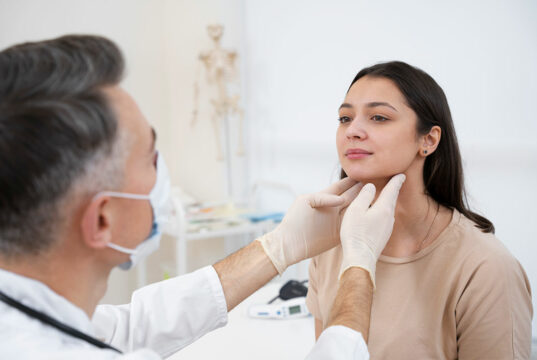



For mild cases of COVID-19, home care is an option
BECAUSE the majority of coronavirus disease 2019 (COVID-19) cases are expected to be mild, and because the occupancy rate in many healthcare facilities is high, home care may be considered for an adult or a child with confirmed or suspected COVID-19 when inpatient care is unavailable or safe. Such patients who have been discharged from a hospital may also be cared for at home, if necessary.
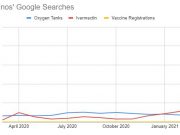
Filipinos are googling unapproved COVID-19 treatments instead of vaccines
FILIPINOS are googling unapproved coronavirus disease 2019 (COVID-19) treatments instead of vaccine registrations as the recent surge has driven netizens to look for alternative ways to cope with the virus, according to a study by meta-search website iPrice Group.

COVID‑19 vaccine effectiveness
By Teodoro B. Padilla
Thomas B. Cueni, director general of the International Federation of Pharmaceutical Manufacturers and Associations (IFPMA), emphasized that vaccine makers are fully committed to transparency in reporting clinical trial results. They likewise support the need to inform the public of what they know, as well as what they don’t know about the vaccines in development.
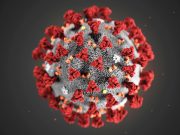
What you need to know about the coronavirus right now
April 8, 2021 - Here's what you need to know about the coronavirus right now:
NZ temporarily suspends entry to travellers from India
New Zealand on...

Passive vaping: an impending threat to bystanders
Source: The Converesation
Disclaimer: This asset - including all text, audio and imagery - is provided by The Conversation. Reuters does not guarantee the accuracy of, or...
A third of COVID survivors suffer neurological or mental disorders — study
LONDON — One in three coronavirus disease 2019 (COVID-19) survivors in a study of more than 230,000 mostly American patients were diagnosed with a...

World Health Day 2021: By the numbers
THE IMPACT of the global pandemic, according to the World Health Organization (WHO), “has been harshest on those communities which were already vulnerable, who are more exposed to the disease, less likely to have access to quality healthcare services and more likely to experience adverse consequences as a result of measures implemented to contain the pandemic.”

Lockdown mental fatigue rapidly reversed by social contact, study finds
By Christopher Hand, Greg Maciejewski, and Joanne Ingram
MANY OF US are looking forward to a summer of relative freedom, with road-mapped milestones that will grant us more opportunities to see our friends and family. But we’ll be carrying the effects of months of isolation into those meetings, including a sense that our social skills will need dusting off, and our wits will need sharpening.

Patient safety is at the heart of COVID‑19 vaccine development
By Teodoro B. Padilla
In a previous column, we talked about the four types of COVID-19 vaccines and how they work (“No one is safe unless everyone is safe,” BusinessWorld, Feb. 24, 2021). In today’s column, we will discuss how vaccine manufacturers and regulatory agencies work together to make these all-important vaccines safe and effective.
The need for global ‘maximum suppression’
Susan Michie, Chris Bullen, Jeffrey V. Lazarus, John N. Lavis,John Thwaites, Liam Smith, Salim Abdool Karim, Yanis Ben Amor
New COVID variants have changed the game, vaccines will not be enough
At the end of 2020, there was a strong hope that high levels...
There’s little evidence that ivermectin can treat or prevent coronavirus, experts say
THERE IS “low quality of evidence” that ivermectin can be used to prevent or treat coronavirus disease 2019 (COVID-19), according to recommendations from the University of the Philippines Manila’s Institute of Clinical Epidemiology, the Philippine Society for Microbiology and Infectious Diseases (PSMID), and the Department of Science and Technology’s Philippine Council for Health Research and Development.
The Philippines is getting fat: Obesity rates increase as poor nutrition persists
THE PHILIPPINES is unlikely to meet United Nations adult obesity targets for 2025 and was given a national obesity risk score of 6/10 (moderate risk) by the World Obesity Federation (WOF).