Surge in meat imports fails to ease pork, chicken prices
By Vonn Andrei E. Villamiel
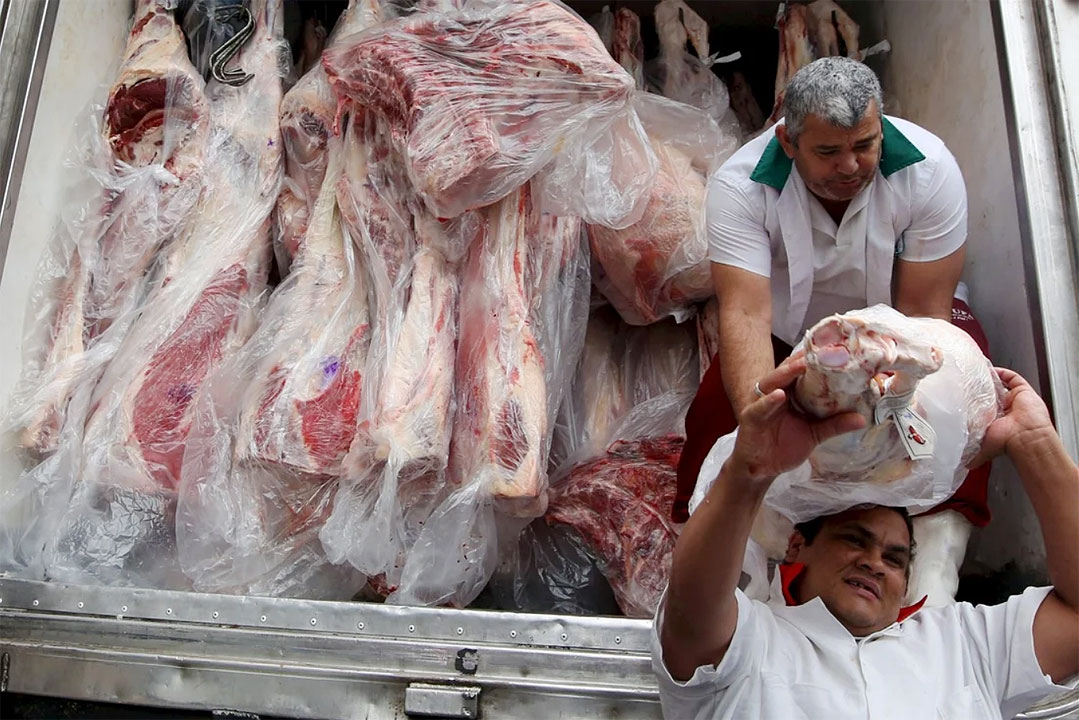
MEAT IMPORTS surged to record levels in 2025, though the added supply failed to translate to lower retail prices for pork and chicken, analysts said.
Jayson H. Cainglet, executive director of the Samahang Industriya ng Agrikultura, told BusinessWorld via Viber that pork and chicken imports last year accounted for between 40% and 50% of domestic consumption for such products.
The Bureau of Animal Industry reported that meat imports rose 13.38% to a record 1.64 million metric tons (MMT) in 2025.
Pork imports rose 16.09% to 851,760 metric tons. Chicken imports increased 14.47% to 540,522 metric tons.
Mr. Cainglet said retail prices of livestock and poultry commodities did not decline even with imports adding to the available supply.
“Retail prices of pork and chicken remain elevated. The promise of tariff reduction to reduce retail prices of pork and chicken, similar to rice, has failed miserably,” he said.
The Philippine Statistics Authority (PSA) reported that the retail prices of pork shoulder rose 8.54% to P357.21 per kilo in 2025. Chicken prices at retail rose 7.2% to an average of P214.85 per kilo.
Mr. Cainglet said that, instead of lowering retail prices for consumers, lower-priced imports primarily affected upstream markets and weakened farmgate prices.
“Cheaper imported meat only contributed to oversupply and downward pressure on farmgate prices, often below the cost of production for both our hog raisers and poultry growers,” he said.
In November, the Department of Agriculture reached an agreement with industry groups to raise the floor price for live hogs to P210 per kilo, following a steep drop in prices to around P150 to P180 per kilo, which represents little more than breakeven cost.
Elias Jose M. Inciong, chairman of the United Broiler Raisers Association, told BusinessWorld that, given the surge of import volumes in 2025, current tariff rates are not protecting the poultry industry.
“With the volumes, our opponents can no longer say that we are protected by high tariffs. Even if you impose the 40% tariff, (the price of imported chicken) will still be lower than the farmgate price of live chicken,” he said via Viber.
Former Agriculture Undersecretary Fermin D. Adriano said however that the increased prices are due to supply gaps, particularly for pork because of African Swine Fever.
In addition, “fast-food chains are growing, and local production cannot meet demand. And our population is growing, including those in the middle-income bracket, who consume more protein,” he told BusinessWorld via Viber.
Mr. Adriano said that despite a surge in import volumes last year, supply is insufficient and local production is growing slowly.
The PSA reported that hog production, which accounted for the bulk of livestock output, fell 2.7% to 1.66 MMT in 2025.