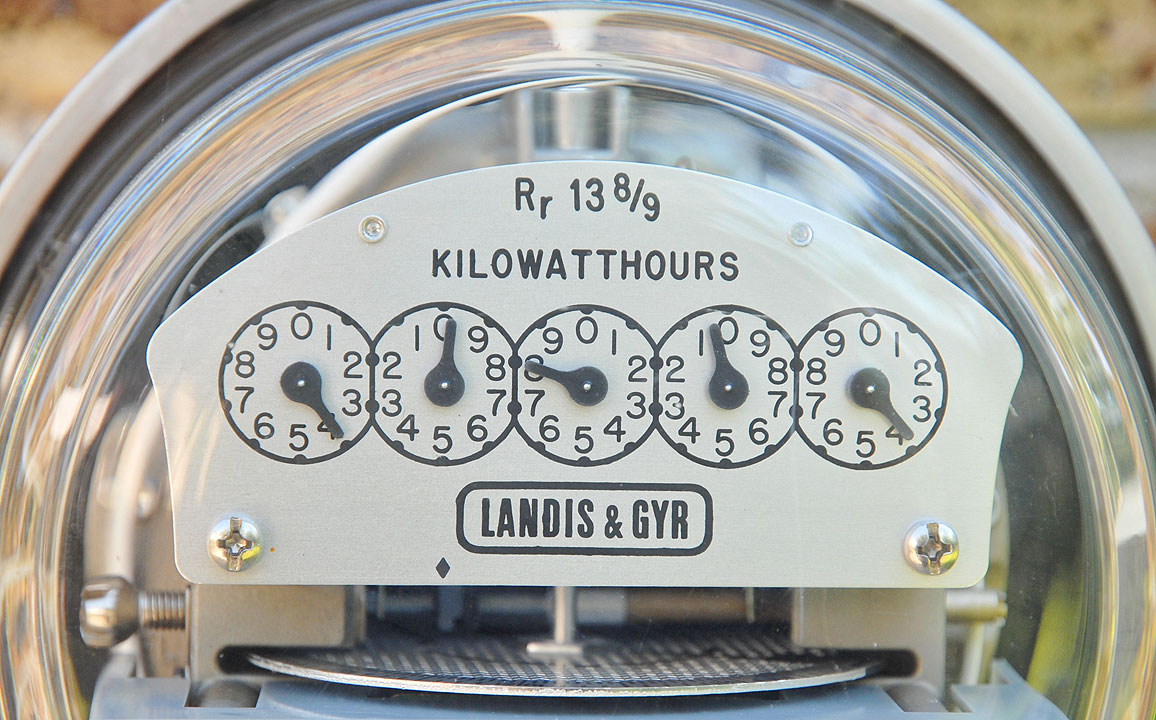
THE exemption of electricity from value-added tax (VAT) will help ease the burden on consumers and improve Philippine competitiveness, business groups said.
“Electricity is a basic and indispensable input affecting households, small and large enterprises, and key industries,” the Philippine Chamber of Commerce and Industry (PCCI) said in a statement on Wednesday.
“Exempting electricity from VAT would provide immediate relief to consumers,” it added.
In particular, the PCCI, with the Philippine Exporters Confederation, Inc., expressed support for House Bill No. 6740.
Written by Trade Union Congress of the Philippines Rep. Raymond Democrito C. Mendoza, the bill seeks to exempt electricity sales from VAT.
“This is not only an economic measure; it is a social protection that safeguards workers and families,” he said.
“The benefits of cheaper power for both small entrepreneurs and major industries to grow, attract more investment, and generate decent employment for our people do not merely offset but far outweigh the cost to the gov-ernment,” he added.
PCCI President Enunina V. Mangio said that high power costs remain a barrier to competitiveness, especially in the manufacturing sector.
“Removing VAT on electricity would reduce operating costs, helping factories expand production, attract new investments, and increase the sector’s contribution to gross domestic product and job creation,” she said.
“If we want to attract investors and grow our industrial base, we must address power costs head-on … Removing VAT on electricity is a concrete step toward making the Philippines more competitive,” she added.
PCCI Chairman George T. Barcelon said lower power costs could also support the creation of new jobs.
“With more affordable power, industries can scale up operations, while micro, small and medium enterprises can better manage rising expenses and sustain employment,” he said.
The groups also noted that lower power costs would help attract energy-intensive projects in data centers, advanced manufacturing, and digital infrastructure.
“The proposed VAT exemption should be viewed not as a loss in revenue, but as a strategic investment — one that will yield returns through stronger economic activity, increased business confidence, and broader tax bases in the long run,” they said.
“By reducing the cost of electricity, the government empowers industry to grow, enhances productivity, and creates a more dynamic and resilient economy,” they added. — Justine Irish D. Tabile