Shell Pilipinas income jumps 69% on higher volumes, cost control
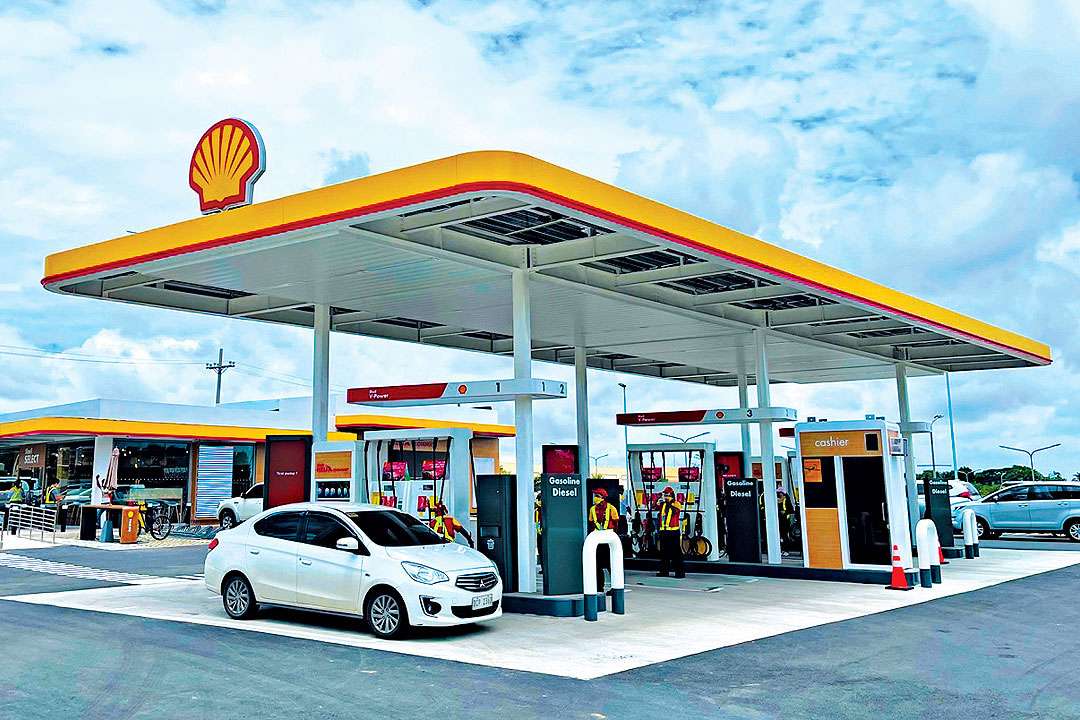
OIL FIRM Shell Pilipinas Corp. (SPC) reported a 69% increase in net income to P2.1 billion last year, supported by volume growth across its fuel and non-fuel segments and cost control measures.
Core earnings rose 28% year on year to P3.3 billion, the company said in a statement on Thursday.
“The strategic priorities we sharpened — integrated channel growth, disciplined working capital, and tighter cost control — are translating into more consistent performance across our portfolio,” said Lorelie Quiambao Osial, president and chief executive officer of Shell Pilipinas.
“These results demonstrate that our strategy is delivering as intended and that the business is becoming more resilient and better able to navigate a dynamic operating environment,” she added.
The company has yet to release its full-year report.
SPC’s fuel business recorded a 2% increase in volume, supported by contributions from business-to-business and commercial segments, product mix, and supply chain improvements.
Shell Mobility, the company’s retail business, posted flat volumes as it continues to recover from earlier declines.
Its digital fleet management platform, Shell Fleet Solutions, recorded 11% volume growth, driven by new accounts and partnerships.
The aviation segment posted an 11% increase in volume, supported by new customers and supply chain efficiencies.
Commercial fuels volume rose 3%, reflecting growth in mining and wholesale segments.
SPC’s non-fuels business, which includes lubricants and bitumen, posted a 4% increase in volume.
Lubricants volume rose 4%, supported by demand in motorcycle oils and expansion of sales channels, including e-commerce and auto workshop networks.
Bitumen volume increased 5%, supported by account management and supply, despite weather-related disruptions and a construction spending environment.
“As the external environment continues to evolve, Shell Pilipinas will continue to manage risks with prudence and ensure that its decisions remain guided by safety, responsibility, and long-term resilience,” Ms. Osial said.
SPC, the second-largest player in the downstream oil industry, operates more than 1,100 service stations nationwide. — Sheldeen Joy Talavera