Policy push urged amid Iran war as MSMEs face rising costs
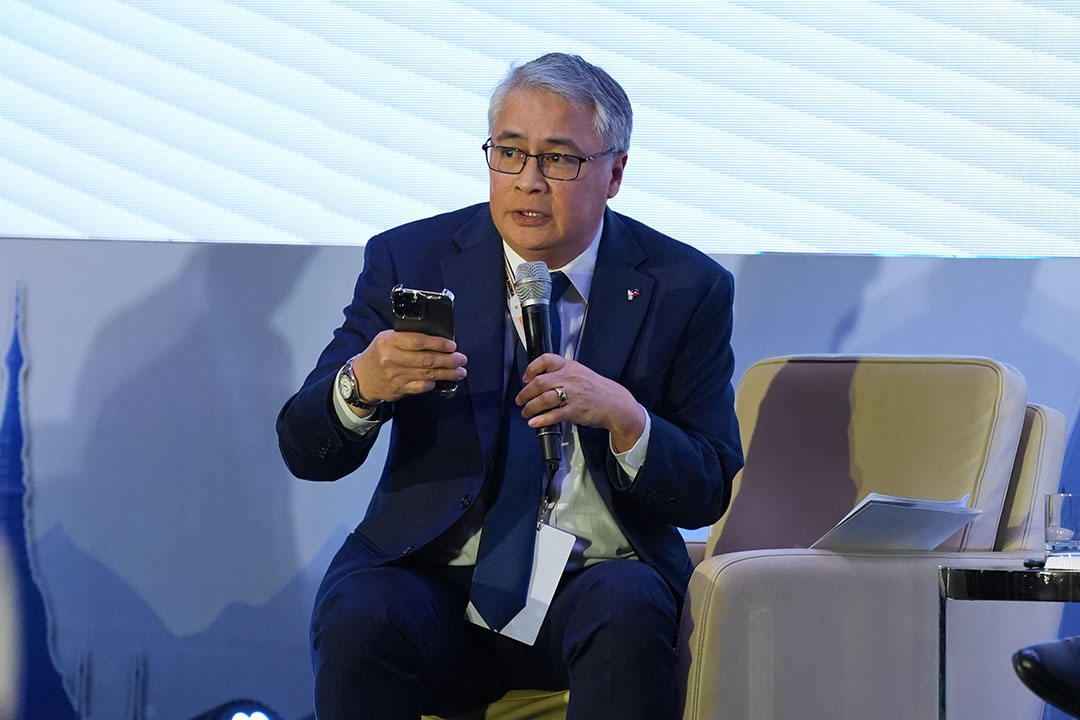
PHILIPPINE MICRO, small and medium enterprises (MSME) are under growing operational pressure as the Iran war drives up fuel, transport and input costs, prompting calls for government measures to cushion the impact, according to the Philippine Chamber of Commerce and Industry (PCCI).
“The US-Iran conflict is creating a lot of buzz with our MSMEs,” PCCI Chairman Raymund Jude G. Aguilar said at the BusinessWorld Economic Forum on Monday.
 “You have rising cost of fuel, rising cost of fertilizer, as well as rising costs of transport and goods,” he said, adding that inflation might persist until year-end.
Mr. Aguilar said the uncertainty is forcing firms to cut costs and rethink operations, particularly smaller businesses with thin margins and limited buffers.
Oxford Economics has trimmed its Philippine gross domestic product growth forecast to 3.5% from 4.6%. Inflation hit a three-year high of 7.2% in April, according to the Philippine Statistics Authority.
Mr. Aguilar said MSMEs require stability and predictability, warning that continued volatility makes planning and investment more difficult, especially for micro enterprises.
He added that even if the war ends, its economic effects are likely to linger until the end of the year due to sustained price pressures.
“This is the time when they start becoming creative, innovative, try to be resilient and stay ahead,” he said.
He warned that MSMEs might be forced to reduce operating days, scale down production or cut jobs if margins continue to weaken, potentially weighing on overall economic growth.
MSMEs account for more than 99% of business establishments in the Philippines and provide 63% of total employment, according to the United Nations Development Programme.
The unemployment rate eased to 5% in March from 5.1% in February, but higher than 3.9% a year earlier, based on Philippine Statistics Authority data.
Mr. Aguilar said the government has rolled out support measures such as subsidies and price controls on basic goods, but more interventions are needed to ease cost pressures.
He suggested reviewing value-added tax on fuel to offset recent price spikes linked to the war.
“We do not want to affect the government’s ability to collect [taxes],” Mr. Aguilar said. “But what we want to [remove] is the incremental increase from before the US-Iran conflict.”
He also called for faster logistics and port processing, improved ease of doing business and simplified taxation and documentation processes.
He added that longer-term relief could come from lowering electricity costs and expanding alternative energy sources to improve MSME competitiveness. — Edg Adrian A. Eva