Term deposit yield inches up as inflation risks grow due to war
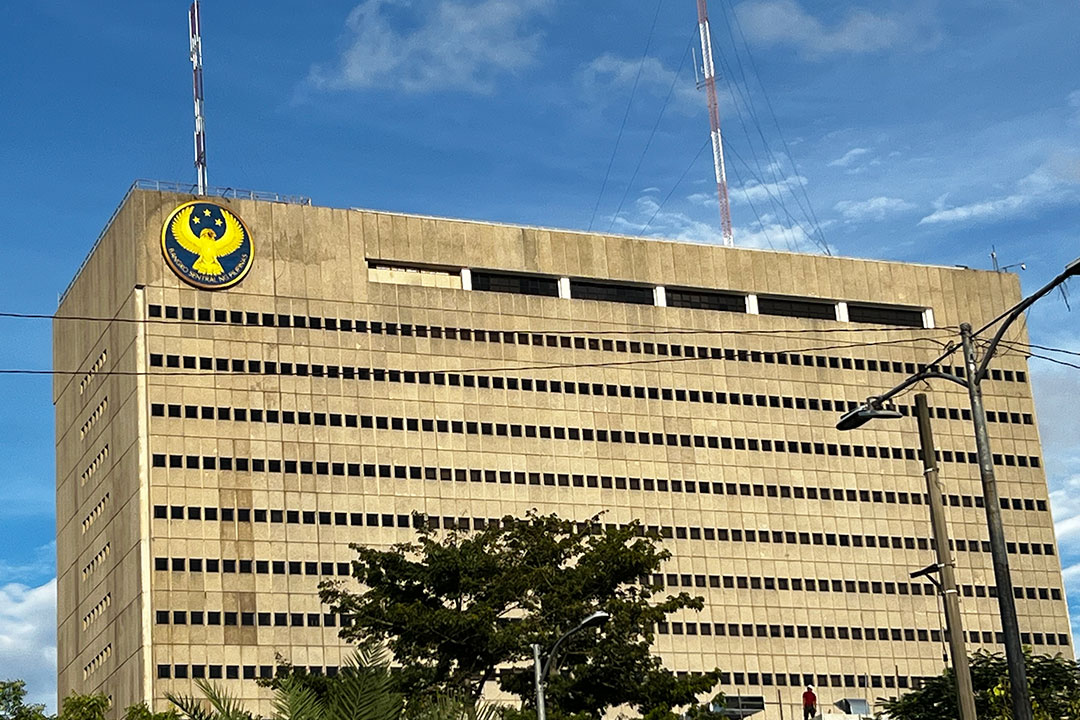
THE BANGKO SENTRAL ng Pilipinas’ (BSP) term deposits fetched a higher average yield for a fourth straight week on Wednesday even as the offer was oversubscribed, due to market jitters amid the prolonged Middle East war.
The term deposit facility (TDF) attracted a total of P146.465 billion in tenders for the seven-day papers, above the P90 billion auctioned off and the P130.585 billion in bids for the same offer volume in the prior week.
This translated to a higher bid-to-cover ratio of 1.6274 times from 1.4509 previously.
With this, the central bank fully awarded its P90-billion offer.
Accepted rates for the one-week deposits were between 4% and 4.4888%, narrower than the 4%-4.4965% band seen last week. This led the average accepted rate to edge up by 0.74 basis point (bp) to 4.4382% from 4.4308%.
“The seven-day BSP TDF average auction yield was again slightly higher… as this still reflects some excess liquidity in the financial system while some investors await better investment opportunities in the market amid the recent market volatility due to the war in the Middle East,” Michael L. Ricafort, chief economist at Rizal Commercial Banking Corp., said in a Viber message.
Latest BSP data showed that liquidity growth in March hit its fastest pace in five-and-a-half years as it rose by 12% to P20.365 trillion.
TDF yields also climbed as faster-than-expected April inflation bolstered bets of further monetary tightening by the central bank, Mr. Ricafort said.
Inflation unexpectedly accelerated to an over three-year high of 7.2% in April as high oil prices pushed up prices of food and utilities across the country. This was well above the BSP’s 5.6%-6.4% forecast for the month and the 5.5% median estimate in a BusinessWorld poll of 17 analysts.
Last month, the Monetary Board raised its policy rate by 25 bps to 4.5%, marking its first hike since October 2023, as it sought to curb second-round price effects and keep inflation expectations anchored.
BSP Governor Eli M. Remolona, Jr. said they may keep hiking borrowing costs in small steps to keep prices stable, as they now see inflation averaging 6.3% by yearend as the Middle East war continues to push up energy costs.
The central bank uses the TDF and BSP bills to mop up excess liquidity in the financial system and better guide market yields towards its policy rate.
The BSP last auctioned off both the seven-day and 14-day deposits on Oct. 29. It has not offered 28-day term deposits for over five years to give way to its weekly offerings of securities with the same tenor.
In its latest Monetary Policy Report, the central bank said it limited its TDF offerings to a single tenor to rationalize liquidity operations and focus on tenors that would boost monetary policy transmission.
As of mid-February, the BSP’s market operations have absorbed P1.2 trillion in excess liquidity from the market, with 9% of this being siphoned off via the TDF. — Katherine K. Chan