DA warns food prices to surge if oil prices remain elevated
By Vonn Andrei E. Villamiel, Reporter
THE Department of Agriculture (DA) said on Tuesday that without government interventions, prices of key agricultural commodities could spike by about 20% to 60% if crude oil prices surge to a 180-day average of $200 per barrel.
Agriculture Secretary Francisco P. Tiu Laurel, Jr. said at a Senate hearing on Tuesday that the projected increase in food prices is largely driven by higher input costs, especially fertilizer and fuel, which are critical to farm production.
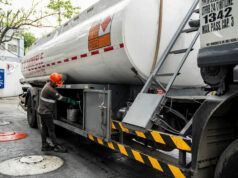
“Agriculture and fisheries are especially exposed. Fuel powers farm machinery, irrigation, fishing operations, transport, and post-harvest systems, and when fuel prices rise, costs ripple through the supply chain to consumers,” he said.
Agriculture Assistant Secretary U-Nichols A. Manalo told the hearing that the DA’s latest monitoring data showed significant increases in prices of fuel-derived fertilizer.
Mr. Manalo said the average price of prilled urea rose by 17.15% to P1,948.01 per bag last week from P1,662.84 at the end of December, while granular urea prices increased by 18.88% to P1,969.03 from P1,656.28.
Based on DA simulations, under a “worst-case” scenario that assumes 180 days of infrastructure disruption and crude oil prices at $200 per barrel, farmgate prices of major commodities could double, and retail prices could increase by as much as 60%.
For local well-milled rice, farmgate prices could more than double to P39.72 per kilo from a prewar baseline of P19.53, while retail prices may increase 49.15% to P67.12 per kilo from P45.
Under the same scenario, pork (ham) farmgate prices could jump by 86.6% to P345.19 per kilo from a baseline of P185, with retail prices increasing by 59.5% to P558.10 per kilo from P350.
Chicken prices may also surge, with farmgate prices rising by 96.7% to P199.64 per kilo from P101.50, and retail prices climbing 62.3% to P324.64 from P200.
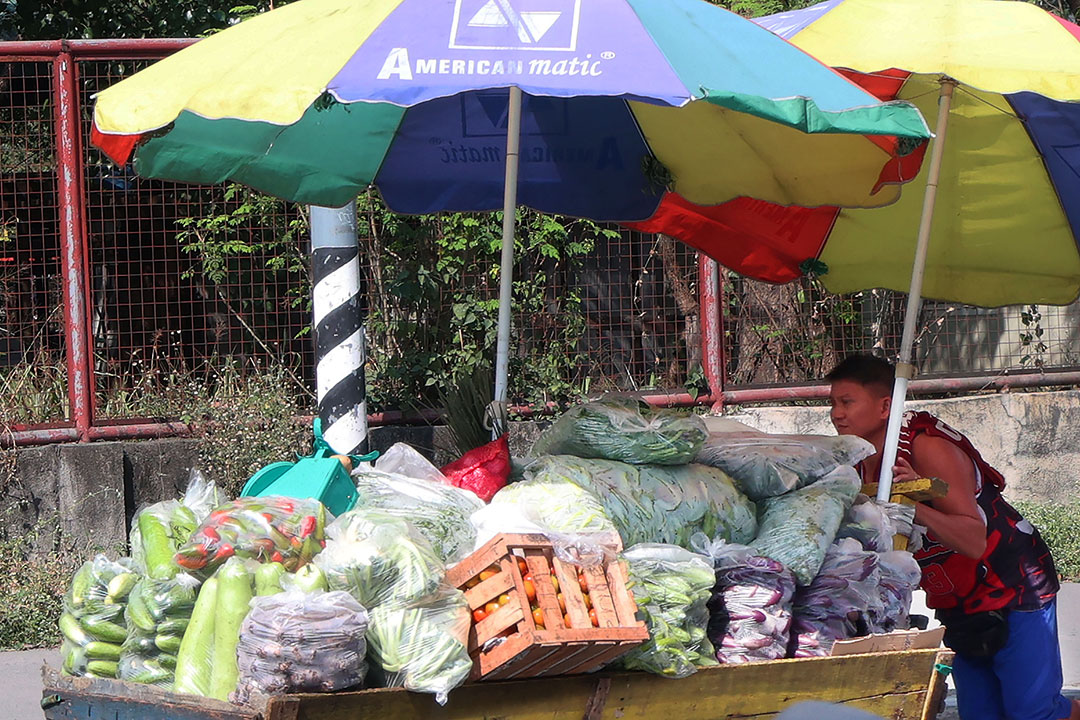
The DA said retail prices of key vegetables such as tomato, eggplant, cabbage, and carrots could also increase by around 20% under the same scenario.
“As of the moment, technically, [prices] are still in the pre-conflict scenario. In rice, I personally think it will increase until August this year. Pork will not increase for the moment because there is a lot of imported supply in cold storage,” Mr. Laurel said.
While consumers have yet to feel a substantial surge in prices, the agency said costs could accelerate by midyear, particularly during the lean season starting in August and through the next harvest, when elevated input prices would weigh on supply.
Meanwhile, the DA said it is implementing measures to mitigate the impact of rising input costs and prevent a sharp surge in food prices.
“[One of the DA’s priorities is to] strengthen domestic production by supporting key crops, distributing certified and climate-resilient seeds, and improving extension services,” Mr. Laurel said.
He added that the agency is also working to ease input costs through fuel subsidies, the promotion of biofertilizers and organic alternatives, and the diversification of fertilizer sources.
“We will be releasing our budget of P10 billion under the Presidential Assistance for Farmers and Fisherfolk program. We will be giving P2,325 each to 4.175 million beneficiaries enrolled in the Registry for Basic Sectors in Agriculture,” Mr. Laurel said.