BSP study: Dollar strength, volatility drag Philippine investments
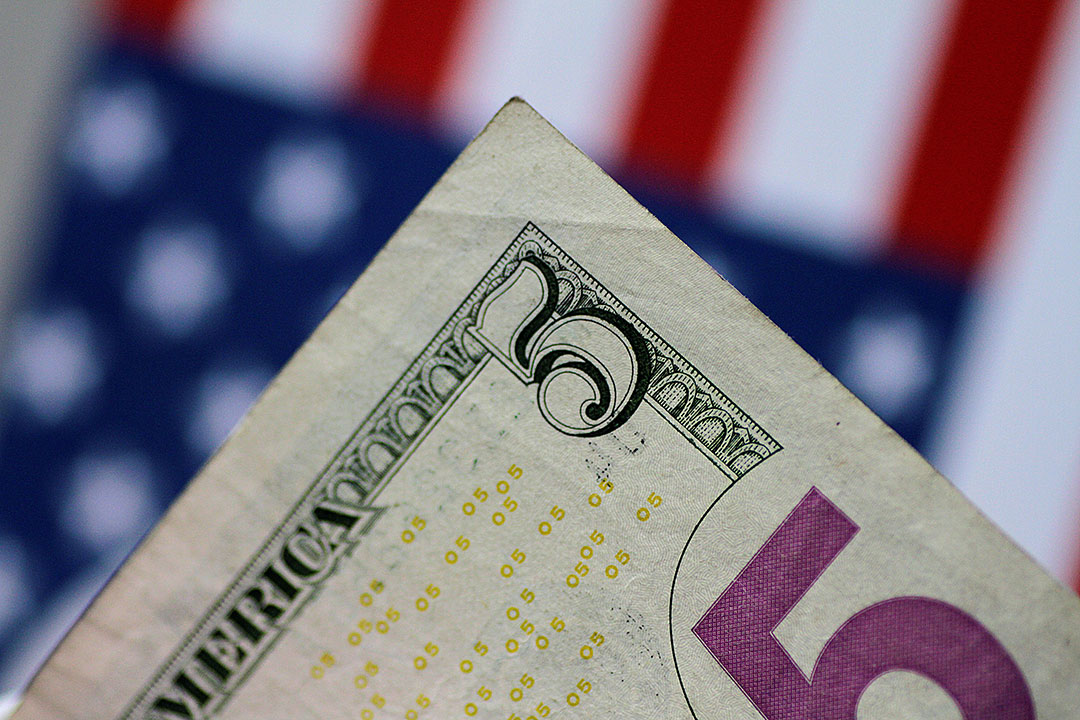
REAL INVESTMENT activity in the Philippines declines during periods of a strong and volatile dollar, underscoring the economy’s vulnerability to global financial shocks, according to a study by the Bangko Sentral ng Pilipinas (BSP).
The central bank said investment tends to weaken when the dollar appreciates sharply while also becoming more volatile, since these conditions heighten uncertainty and strain firms with significant foreign exchange exposure.
The study analyzed how global shocks affect investment using economic data — like the US dollar and volatility measures — and information from news reports on overall and firm-level investments over two periods.
“At the aggregate level, investment declines in response to US dollar volatility, particularly when the dollar is strengthening, as well as to heightened uncertainty in the US economy and global trade,” BSP researchers Hazel C. Parcon-Santos, Cristeta B. Bagsic, Carl Francis C. Maliwat, Jose Adlai M. Tancangco and Alyssa Cyrielle B. Villanueva said in the report.
Findings showed that episodes marked by both a stronger and more volatile dollar consistently coincide with lower overall investment in the Philippines.
The BSP noted that exchange rate volatility increases uncertainty, discouraging both investors and lenders, which in turn suppresses capital formation.
The study found that financial data, like exchange rates and volatility, has a bigger effect on investment decisions than news-based or written signals, both in the short and long terms.
“The joint combination of stronger and more volatile value of the dollar reduces investments greater than any text-based measure,” the central bank said.
On the policy side, the BSP noted that government spending could help offset the negative effects of global shocks. Increased public expenditure was found to have a positive and statistically significant effect on investments because it signals potential opportunities and stability to both domestic and foreign investors.
However, the study also found that rising inflation and higher lending rates — often indirect consequences of global shocks — weigh on investment activity. Elevated borrowing costs and higher prices reduce companies’ capacity and willingness to invest over both short and long horizons.
At the company level, the BSP found that global shocks similarly dampen capital expenditure growth across sectors.
Nonfinancial firms, particularly those in manufacturing, were shown to be highly sensitive to movements in the dollar. This reflects their reliance on imported inputs, making them more exposed to fluctuations in exchange rates.
Among different company types, goods exporters were found to be the most affected by volatility, despite benefiting from a stronger dollar in terms of peso-denominated revenue.
The BSP said many exporters carry significant foreign-denominated debt, which becomes more expensive as the dollar strengthens.
“As the US dollar strengthens, the peso value of these obligations also increases,” the BSP said, noting that the negative financial effects outweigh the benefits from improved export earnings.
Goods importers also face heightened risks since exchange rate volatility increases the cost uncertainty of imported inputs, further compounded by foreign currency liabilities.
In contrast, service exporters were identified as the most resilient group. The BSP attributed this to their lower reliance on imported goods and limited exposure to foreign-denominated debt, insulating them from exchange rate swings.
The study found that companies with high foreign currency debt remain vulnerable even if they do not rely heavily on imports. This shows the importance of managing foreign exchange exposure, as fluctuations in the dollar can significantly affect balance sheets.
Crucially, the BSP found that dollar appreciation alone does not necessarily dampen investment. Instead, the negative effects arise when appreciation is accompanied by heightened volatility.
“The results show that a US dollar appreciation, by itself, does not negatively affect firms’ capital expenditure (capex) growth,” it said. “Only when the US dollar appreciation is accompanied by volatility does it adversely affect firms’ capex growth.” — AMCS