Taiwan-PHL port tie-up may boost supply chains
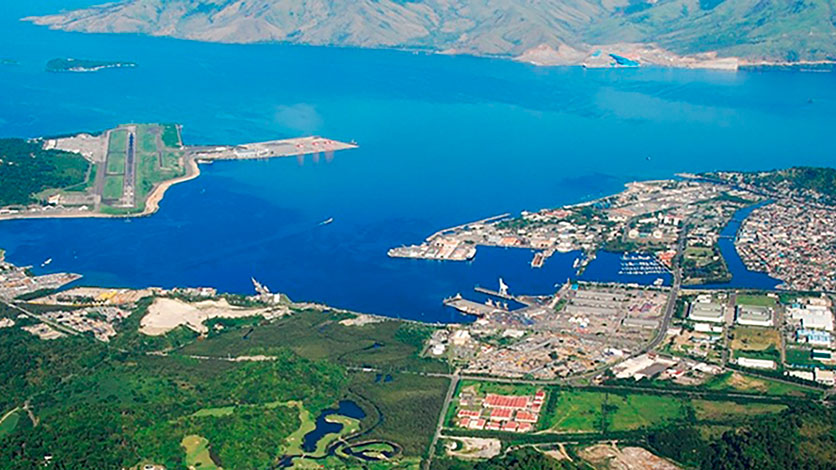
KAOHSIUNG, TAIWAN — Taiwan’s push to boost collaboration with the Subic Bay port could strengthen supply chains between the two nations and spur cross-border investment, a Subic Bay Metropolitan Authority (SBMA) official said on Wednesday.
Areas that could also benefit from stronger shipping ties between Taipei and Manila include improving cargo flows between them and expanding opportunities for cruise liners to dock, SBMA Assistant General Manager Michael Philip M. Lazaro said.
“This connectivity will boost reliability and competitiveness for both economies,” he told a port development forum organized by Taiwan’s Ministry of Foreign Affairs.
Subic Bay, located west of Luzon, hosts an economic zone designed to attract foreign investors and features ports and piers that can accommodate container ships and cruise liners.
Taiwan is seeking to boost commercial ties with the Philippines amid shared security concerns over China, introducing a Taiwan‑Philippines Economic Corridor to complement the earlier Luzon Economic Corridor launched by Manila, Tokyo and Washington.
“The long-term vision will be a connected Subic Bay and Taiwan support ecosystem, sharing data, synchronizing vessel schedules, increasing investments, trade promotion activities and enabling interoperable port platforms,” Mr. Lazaro said. “This level of cooperation will drive efficiency, reliability and global competitiveness.”
“We will increase trade flows — higher investments, more maritime jobs and infrastructure enhancement,” he added.
He said a regularized shipping route between the Philippines and Taiwan via the Subic Bay port would bolster existing investments in the economic zone and help attract additional ones. “The benefit will be great for those industries in Subic.”
Industries could also benefit from faster access to global markets and raw materials, a move that Mr. Lazaro said would improve operational efficiency for manufacturers.
“It makes sense because this will support intra-regional trade, enhance transshipment flows, reduce bottlenecks through slot coordination and improve service frequency for regional shippers,” he added. — Kenneth Christiane L. Basilio