
Condo pressures spur developer diversification
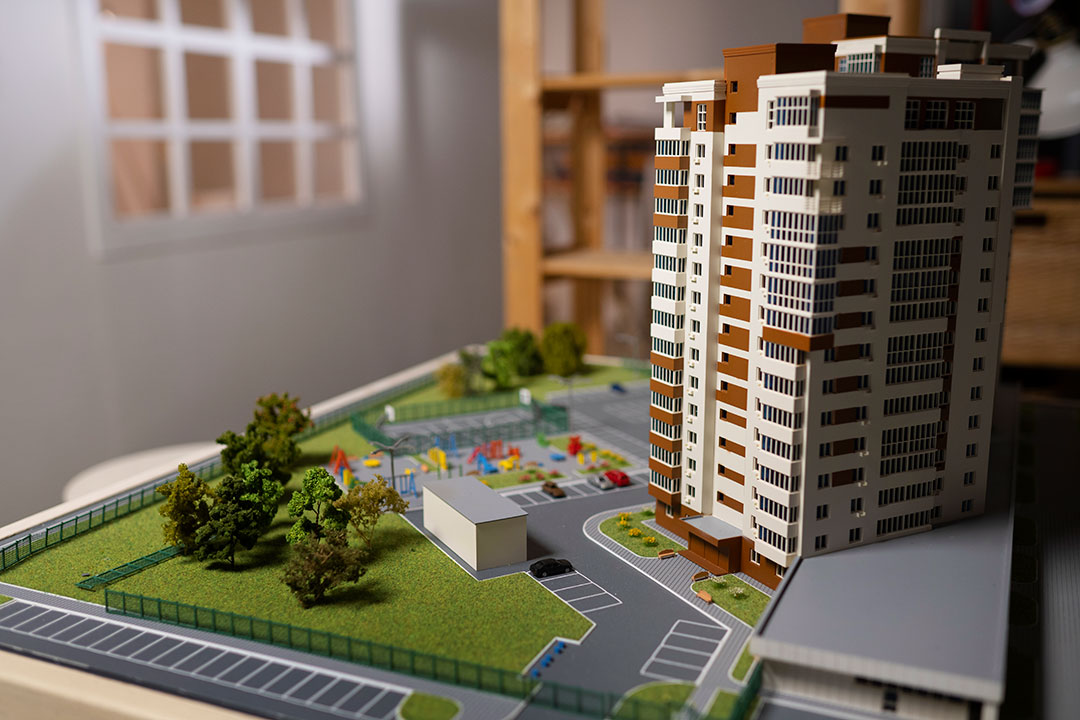
AS THE Metro Manila condominium market continues to face challenges, several developers are aggressively pursuing geographic diversification. Colliers recommends that property firms carefully assess attractive product types and price points in the locations where they plan to expand. Several firms have recently announced the expansion of their residential footprint across the country, moving beyond traditional markets to capture new sites with strong potential for end-user demand.
In Colliers’ view, demand for horizontal projects should partly be driven by remittance-receiving households and end-users seeking less dense communities outside Metro Manila. Given the Middle East crisis, developers should also explore other overseas Filipino worker (OFW) markets that continue to show sustained demand for property.
Meanwhile, luxury and leisure-themed developments are likely to remain attractive investment options, particularly among affluent buyers seeking price appreciation.
CAPTURING DEMAND FOR LOT-ONLY PROJECTS
Colliers recommends that developers assess the viability of launching more lot-only projects. These developments are attractive due to larger cuts, greener and more open spaces, and potential for price appreciation. Data show that lot-only developments in key regions — including Southern and Central Luzon, Central Visayas, Western Visayas, and Davao — recorded annual price increases of 5% to 13% from 2016 to 2025.
Demand for lot-only projects is also gaining traction within Metro Manila. With limited supply and rising demand, prices are expected to increase in the coming years. Developers traditionally focused on mid-income projects are now targeting higher-priced segments, emphasizing expansive horizontal communities.
For example, SM Prime launched its Signature series, offering premium residential lots across several provinces and Metro Manila cities, including Muntinlupa, Makati, Pasay, Parañaque, Taguig, Pasig, Cavite, Batangas, Palawan and Cebu. The first project will be located in Susana Heights, Muntinlupa.
UNEARTHING MARKETS IN PERIPHERAL AREAS
Limited land availability and rising prices in central business districts are pushing developers and investors to consider condominium projects in Metro Manila’s fringe areas. A Residential Survey conducted in the second quarter of 2025 showed that respondents are considering condominium units in areas such as the Makati fringe, as well as parts of Quezon City and Pasig.
Property firms should also assess the feasibility of student-centric condominiums, particularly near universities in Quezon City, Manila and Pasay. Data show that projects along Katipunan in Quezon City are performing well, with prices ranging from P2 million to P11 million and an average take-up rate of nearly 60% as of the fourth quarter of 2025. Recently launched projects in the area include Arthaland’s Liv North and Avida Land’s The Heights Katipunan.
OPPORTUNE TIME FOR BUYERS
As of end-2025, unsold condominium inventory in Metro Manila reached 79,200 units, including 29,400 ready-for-occupancy units. Areas with high unsold inventory include Cubao-New Manila in Quezon City, Manila, the Bay Area, Pasig and Alabang-Las Piñas.
Buyers should monitor these locations, as developers are likely to offer discounts and flexible payment terms due to slower demand and higher vacancies. For end-users, this presents a strong opportunity to acquire ready-for-occupancy units, given the availability of nearly 30,000 units near major business hubs.
NEW RESIDENTIAL HUB: C5 CORRIDOR
Colliers Philippines expects 13,000 new condominium units to be completed in Metro Manila in 2026, up 74% year over year. The C5 corridor is expected to account for about one-third of the new supply. Notable projects include RLC Residences’ Cirrus Residences, SMDC’s Gem Residences, and Ayala Land Premier’s Parklinks North Tower.
By the end of 2026, the Bay Area is projected to surpass Fort Bonifacio as the largest residential hub in Metro Manila. However, completion is expected to slow beyond 2026 due to fewer condominium launches in recent years, partly caused by significant cancellations in the pre-selling segment. From 2026 to 2028, annual deliveries are projected to average 7,000 units, down from the 14,000 yearly average recorded from 2017 to 2019, a period driven by demand from Philippine offshore gaming operators.
Joey Roi Bondoc is the director and head of Research of Colliers Philippines.