Gov’t eyes bidding for LRT-2, MRT-3 contracts in early 2026
By Ashley Erika O. Jose, Reporter
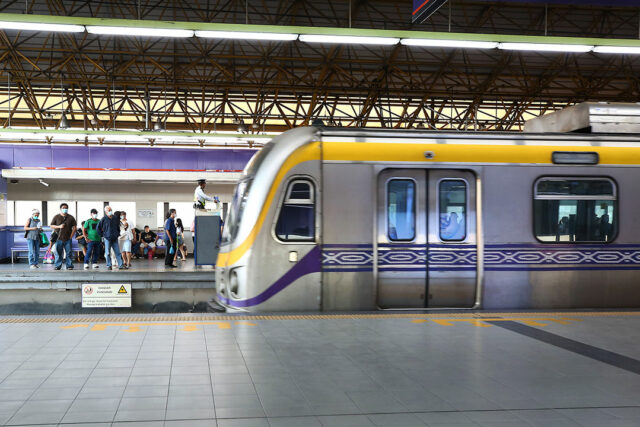
THE Department of Transportation (DoTr) aims to start the bidding process for the operations and maintenance (O&M) of Light Rail Transit Line 2 (LRT-2) and Metro Rail Transit Line 3 (MRT-3) within the first half of 2026.
“The bidding of LRT-2 (O&M contract) will definitely be by the first half of next year. We will be submitting it to DEPDev (Department of Economy, Planning, and Development) simultaneously with the bidding of MRT-3,” Transportation Undersecretary for Railways Timothy John R. Batan told reporters on the sidelines of Arangkada Investments Forum 2025 last week.
The government is adopting a dual track for the privatization of the MRT-3, he said, noting the DoTr will not turn away any unsolicited proposals while it is soliciting bids.
The government is targeting to implement the solicited bidding process for the MRT-3 project by early next year, Mr. Batan said.
“We are on dual track for MRT-3. We are pursuing a solicited together with the ADB (Asian Development Bank). But we are also open to unsolicited proposals,” he said.
The Transportation department has also hinted at receiving an unsolicited proposal for the operations and maintenance of MRT-3, though Mr. Batan declined to name the proponent, referring only to the group as one of the “usual suspects.”
“We actually think that a proposal, an unsolicited proposal will be submitted very soon. So, once that is submitted, we will definitely look at that seriously,” he said.
Mr. Batan said a proponent has expressed interest, but a formal proposal has yet to be submitted.
The Public-Private Partnership (PPP) Center has said that the Transportation department rejected Metro Pacific Investments Corp.’s (MPIC) unsolicited proposal for the MRT-3 project in December 2024.
BusinessWorld sought comment from MPIC on whether it would revive its submission for the MRT-3 project but had yet to receive a response by the deadline.
Earlier this year, MPIC Chairman Manuel V. Pangilinan said the company is unlikely to resubmit its unsolicited proposal for the MRT-3 project.
Rene S. Santiago, former president of the Transportation Science Society of the Philippines called the DoTr’s move as indecisive, adding that the government should not have rejected the MPIC-Sumitomo proposal.
“In the first place, they should not have rejected the MPIC-Sumitomo unsolicited proposal last December. By this time, a Swiss Challenge would have been received, compared and awarded,” Mr. Santiago said in a Viber message.
Aside from the group, San Miguel Corp. has also previously submitted an unsolicited proposal for the MRT-3 project.
Mr. Batan likened the DoTr’s dual track for MRT-3 project to that of Ninoy Aquino International Airport (NAIA) rehabilitation and operations project where the government accepted unsolicited proposals before ultimately taking the solicited route.
“You have to remember when we did NAIA, we also had non-solicited and solicited. We do an evaluation. So, until we receive it (unsolicited proposal), we do not know what it looks like,” he said.
For Nigel Paul C. Villarete, senior adviser on PPP at the technical advisory group Libra Konsult, Inc., unsolicited proposals are usually only accommodated when agencies do not have a definite intention of proceeding with a solicited route.
“Shifting from one mode to another is uneconomical and may result in confusion. It would be in the government’s best interest to finalize the mode of procurement first, and proceed from that,” Mr. Villarete said in a Viber message.
A solicited mode is likely more advantageous to the government as it explicitly specifies the terms and coverage of the concession agreement, Mr. Villarete said,
“Solicited bids will always be superior to unsolicited ones, in terms of covenants because the government prepared it in accordance with what it wants,” Mr. Villarete said.
“In other words, don’t do a dual track. If there’s an unsolicited proposal, work on that. But if there is none, proceed with the solicited mode,” he said.
The DoTr had initially aimed to initiate the bidding process for the operations and maintenance of the MRT-3 before the expiration of its build-lease-transfer (BLT) agreement with the Sobrepeña-led Metro Rail Transit Corp. (MRTC) in July 2025.
Under the BLT concession, the DoTr holds the franchise and manages operations and fare collection, while MRTC builds and maintains the system in exchange for regular payments from the government. Following the contract’s expiration, the ownership and operations of MRT-3 have been transferred to the government.
Further, Mr. Batan said the government is also planning to start the bidding process for the operations and maintenance of LRT-2 by the first half of 2026.
The DoTr is working with the International Finance Corp. for the planned privatization of LRT-2, which is currently operated and managed by Light Rail Transit Authority.
The plan to privatize LRT-2 via public-private partnership aims to increase its ridership and extend its rail line.





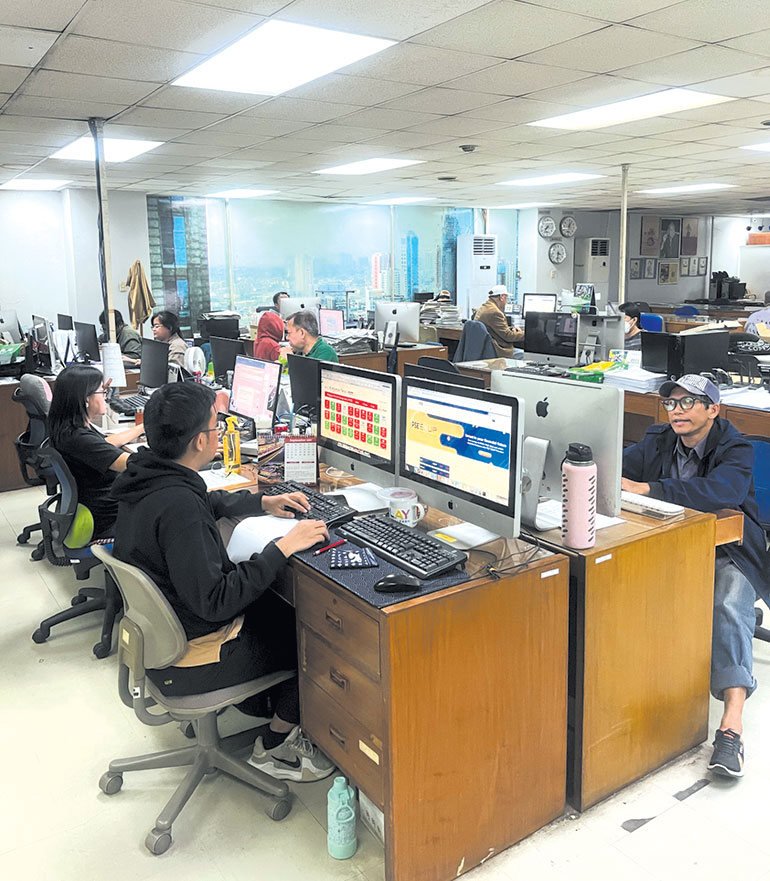
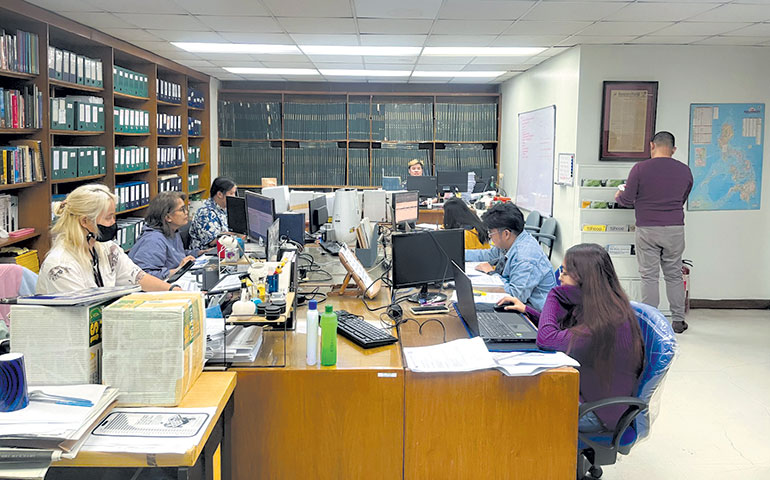


 Aren Mae M. Cayetano, BusinessWorld social media specialist, described it as a transition leveraged on the brand’s credibility and reputation in the business community.
 This adaptability became especially critical during the pandemic, which accelerated the shift to digital platforms. The paper launched a number of virtual initiatives, including the BusinessWorld Insights series, which began in 2020 as a response to COVID-19’s disruption of the economy and business operations. Insights, which started out in a virtual format, brought together executives, experts, and policy makers for discussions on how industries could adapt to the crisis and what long-term lessons might emerge. The series has since become a continuing platform for in-depth dialogues on topics ranging from healthcare and energy to market outlooks and sustainability.
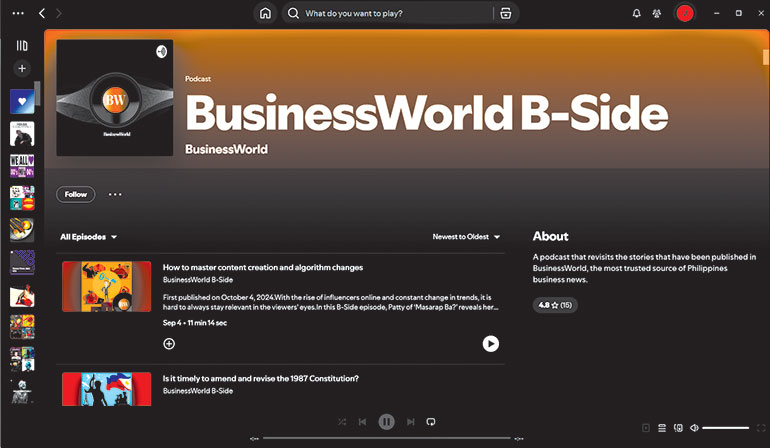 The BusinessWorld B-Side podcast is also going from strength to strength as it establishes itself as a popular source of business and economic information. Recent topics have ranged from the rise of content creation and the shifting algorithms that define it, to debates on amending or revising the Philippine Constitution, to the continued importance of cash on delivery in an increasingly cashless economy, and the ripple effects of US tariffs on global trade.
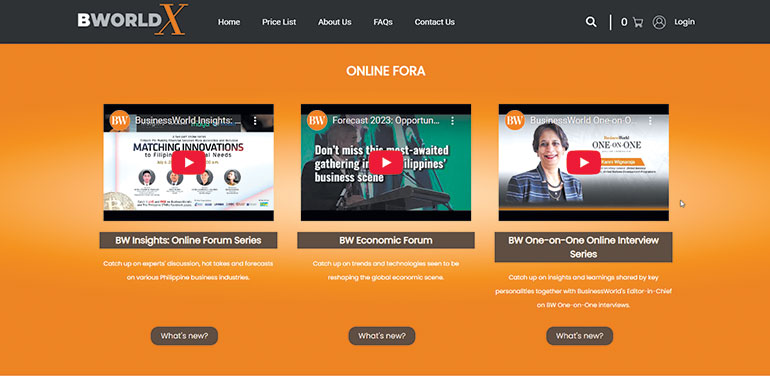 To complement these initiatives, BWorldX (
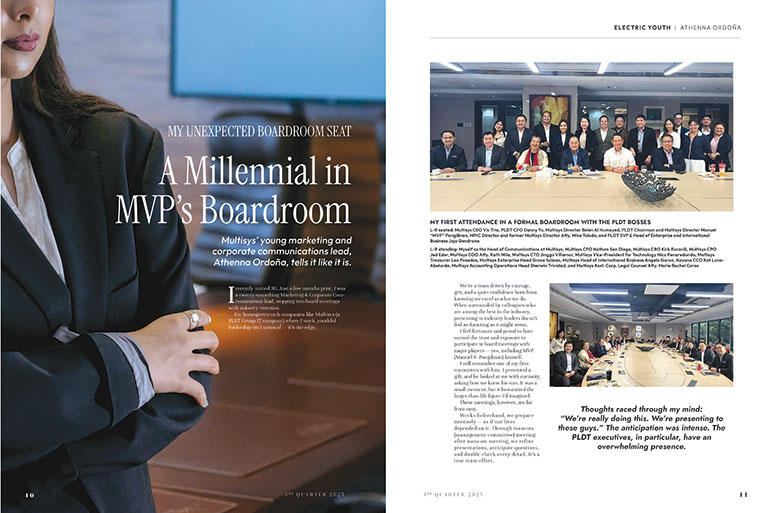 The launch of BizLife is part of BusinessWorld’s effort to connect with audiences who are looking for stories about leadership, innovation, and lifestyle.
 Moving forward, Ms. Magsanoc said, the team behind BizLife plans to create multimedia content that will be available on BusinessWorld’s website and other digital platforms. Readers can expect features that connect the magazine to BusinessWorld’s online channels, with the possibility of crossover stories appearing in the main newspaper as well.
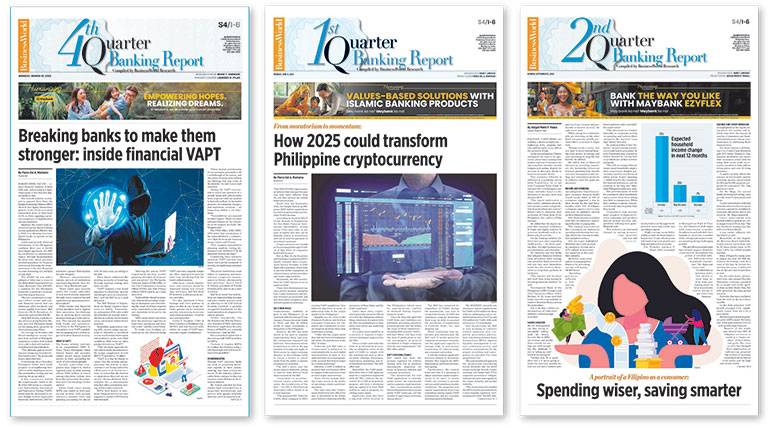 According to the most recent QBR, shares of banks showcased strong growth in the second quarter of 2025 with the financial subindex climbing by 18.4% by the end of June. Out of 13 listed universal and commercial banks, 11 recorded higher share prices compared with the same period last year.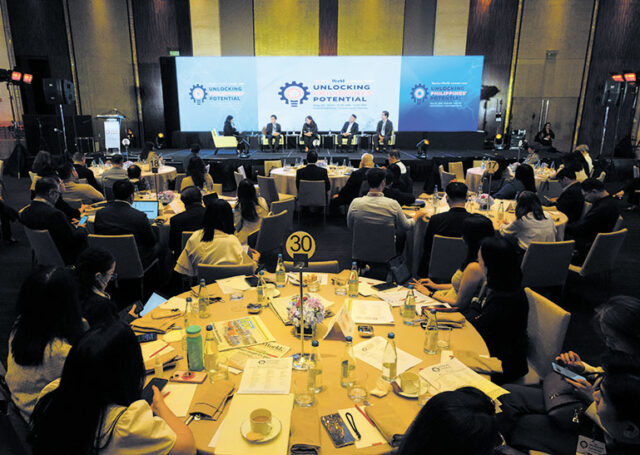

 Last January, the Insights forum on healthcare featured Emmanuel R. Ledesma, Jr., president and chief executive officer of the Philippine Health Insurance Corp. (PhilHealth), as keynote speaker. Executives and health advocates from Philippine Alliance of Patient Organizations, The Medical City, mWell, Alaga Health, Romlas Health Group, and UP Manila Standards & Interoperability Laboratory were among the panelists.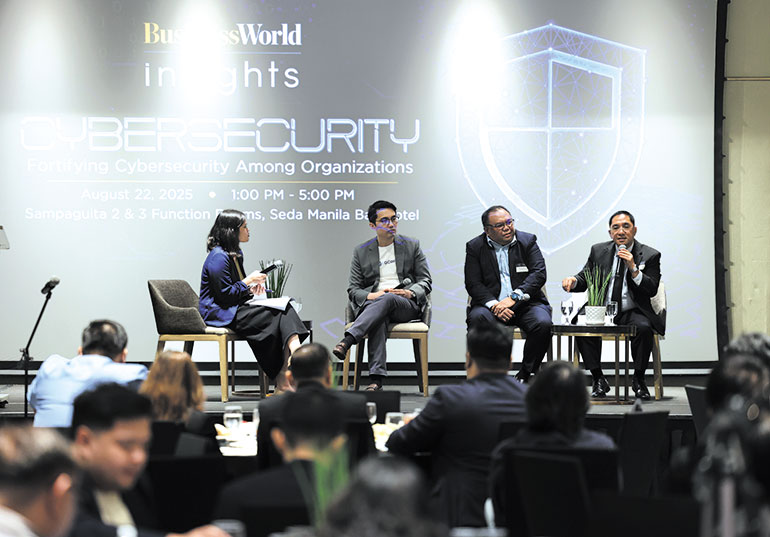
 This November, meanwhile, the upcoming Forecast 2026 forum seeks to shed light on the global challenges the Philippine business community should brace for and the prospects to optimize for the year ahead.