Home Blog Page 7339

History-making Jabeur faces Sabalenka in last-eight full of surprises

LONDON — Ons Jabeur is setting new benchmarks for Arab women on the tour this season and will look to continue her fairytale run at Wimbledon when she meets second seed Aryna Sabalenka in the quarterfinals on Tuesday.

Jabeur, the Tunisian number 21 seed, came back from losing four games in a row in the opening set to overpower 2020 French Open champion Iga Świątek in Monday’s last-16 encounter.

She became the first Arab player, man or woman, to reach the last eight at the All England Club since 1974.

Having notched up a historic win for her country, Jabeur continued her celebrations with several fans waving the Tunisian flag on the sidelines.

“Tunisians are everywhere, I got to say,” Jabeur said. “They were singing actually a football song. I felt the need to sing with them also. I hope they come in more numbers for the next match.”

Tuesday’s contest on Centre Court will mark Jabeur’s second Grand Slam quarterfinal appearance following the 2020 Australian Open.

With only two of the top-12 ranked players featuring in the last eight of the tournament, Jabeur sees no reason why she cannot win her maiden Grand Slam title this weekend.

“My goal is to break this quarterfinal and be able to go to the semi and why not the final? I’m enjoying my time here in Wimbledon, enjoying the grass a lot,” she added.

Sabalenka also finds herself in unfamiliar territory having booked her place in a Grand Slam quarterfinal for the first time in her career.

After taking down Elena Rybakina, Sabalenka was quick to praise Jabeur as each woman bids for their first major semifinal. The pair have split two previous meetings.

“She has good touch, good serving game, moving well,” Sabalenka said. “I also have a good serve, play aggressive. (I’m) kind of trying to use my touch also.

“It’s going to be great battle.”

POWER HITTERS
Angelique Kerber, the only former champion left in the women’s draw, will take on Czech Karolína Muchová in a battle of powerful hitters on Court One.

Another Czech, Karolína Plíšková, will take confidence from ending Liudmila Samsonova’s 10-match unbeaten run on grass to reach the quarters.

Currently ranked world number 13 — outside the top 10 for the first time in nearly five years — Plíšková is hoping a deep run at Wimbledon can give a second wind to her career.

Up next for Plíšková is another quarterfinalist who is enjoying a career-best performance at Wimbledon.

Switzerland’s Viktorija Golubic had never got past the third round of a major before this fortnight, but the world number 66 continued her impressive season by defeating Madison Keys in the fourth round.

In a women’s draw full of surprises, world number one Ash Barty started as the favorite and still remains the player to beat at the business end of the tournament.

The Australian has dropped just one set in the opening four rounds and will meet 75th-ranked compatriot Ajla Tomljanović for a place in the semifinals. — Reuters

Earned slot

You’d be lying through your teeth if you say, even with a straight face, that you fully expected the Bucks and Suns to meet in the National Basketball Association Finals. In truth, hardly anybody saw them coming; fans held out hope, sure, but hope is far from certainty. As history only too easily underscores, the protagonists are as close to underdogs as you can get. Yet, as history likewise shows, time and again, the confluence of events that led to their ascent to the top of the pro hoops heap serves to highlight their capacity to make the most of the opportunities given them.

Indeed, the Bucks and Suns meet in Game One of the league championship series today with resolve borne of their singular experience. They weren’t immune to the ups and downs of the season, started and about to be completed in a pandemic, littered with turns of events that changed the seemingly predetermined fates of franchises. Injuries took their toll on the competitiveness of such notables as the Lakers, Nets, Clippers, Jazz, and Nuggets. Even the finalists themselves had to deal with the ill effects of a short turnaround time between the 2019-20 and 2020-21 campaigns.

Nonetheless, don’t tell the Bucks that they’re any less deserving of the chance to wrap their arms around the Larry O’Brien Trophy. You may be entitled to your opinion on how the road in the East was paved for them, but they’ll be very well within their rights — and they’re very well right — to argue that they’re still up and about precisely because they battled adversity, and won. After all, they lost two-time Most Valuable Player awardee Giannis Antetokounmpo to a hyperextended left knee in the middle of Game Four of the East Finals, and yet they still won the next two outings.

In the same vein, don’t tell the Suns they’re mere beneficiaries of developments en route to their first Finals appearance since Hall of Famer Charles Barkley’s heyday in 1993. They, too, had to withstand low blows along the way; acknowledged leader Chris Paul was hampered by a shoulder ailment early on, and then by coronavirus safety protocols despite having been vaccinated. In other words, they’re justified in dismissing your views on their supposedly fortunate state.

Bottom line, the Bucks and Suns earned their place in the annals of the sport. And regardless of who get to bring home the hardware, there will be no asterisks in the aftermath. There’s a reason they’re the last men standing, and far be it for you to rain on their parade. Both joined the NBA in 1968, and either will be erasing half a century’s worth of futility. They deserve to take a bow, and you would do well to applaud them in turn.


Anthony L. Cuaycong has been writing Courtside since BusinessWorld introduced a Sports section in 1994. He is a consultant on strategic planning, operations and Human Resources management, corporate communications, and business development.

The Philippine president who stood up against Chinese aggression

BW FILE PHOTO
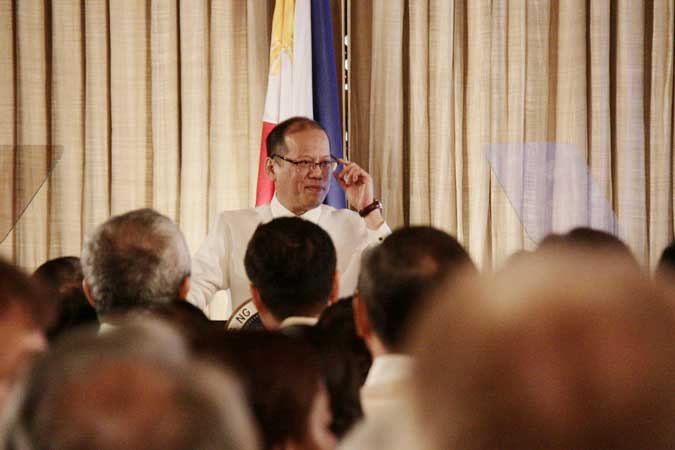
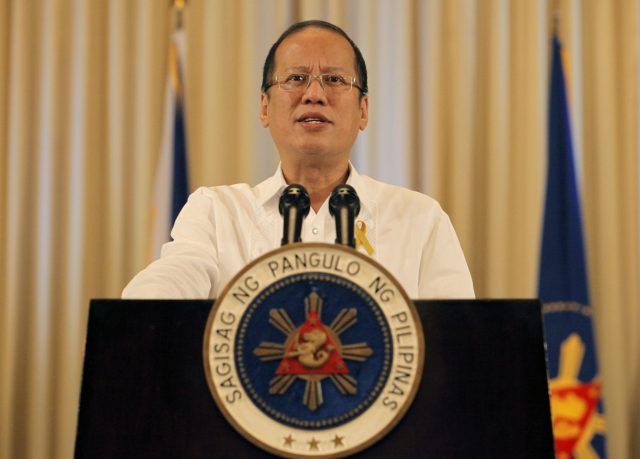
PRESIDENT Benigno Simeon Aquino III at the 115th Independence Day Vin D’ Honneur in Manila, June 12, 2013. — BW FILE PHOTO

The Filipino nation mourns the passing of former President Benigno Simeon Aquino III. As the 15th president of the Philippines, Filipinos will remember him for his anti-corruption campaign, his willingness to listen to dissenting views, his belief and practice of good governance, and his deep respect for the rule of law and human rights. For his foreign policy, the world will always think of him as the Philippine president who stood up against Chinese might in the West Philippine Sea dispute.

Paradoxically, at the start of his term, former President Aquino showed little interest in foreign relations. In his inaugural speech in late June 2010, he declared that he would go on a foreign trip only addressing urgent “domestic matters” and that foreign trips proposed by the Department of Foreign Affairs (DFA) must have value, be cost-effective, and must be prioritized accordingly. He wanted to settle pressing domestic problems before foreign engagements. President Aquino’s tendency, however, was overtaken by unexpected events in mid-2010, which would force him to pay attention to foreign policy matters more than he initially anticipated.

On March 2, 2011, two Chinese patrol boats harassed a survey ship commissioned by the Philippine Department of Energy to conduct natural gas exploration in the Reed Bank (also called Recto Bank). Stunned by this maritime encounter within the Philippines’ EEZ (exclusive economic zone), the Aquino Administration filed a protest with the Chinese embassy in Manila. A Chinese embassy official, however, insisted that China had indisputable sovereignty over the Nansha (Spratlys) Islands and its adjacent territory. Beijing then demanded that Manila first seek Chinese permission before it could conduct oil exploration activities even within the Philippines’ EEZ.

From April 9 to June 18, 2012, the Philippines squared off with China during the impasse at the Scarborough Shoal. During the standoff, China did not show any desire to de-escalate the crisis. After the two-month impasse, China and the Philippines withdrew their civilian ships near the shoal as agreed upon in a deal brokered by the US. Subsequently, however, China redeployed its maritime surveillance ships to block Philippine access to the shoal and has maintained a presence there ever since. When the tension at the Scarborough Shoal eased, crew members of China Maritime Surveillance vessels constructed a chain barrier across the mouth of the shoal to block any Philippine access to it. China also deployed these ships to protect the fleet of Chinese fishing boats operating deep inside the Philippines’ EEZ.

DISAPPOINTMENT WITH ASEAN
While Philippine and Chinese civilian vessels were in a tense stand-off, the Aquino Administration elicited ASEAN’s diplomatic support for its proposal to create a “Zone of Peace, Freedom, Friendship, and Cooperation.” This proposal sought to clarify the maritime boundary claims in the South China Sea, as well as to turn the disputed areas into special enclaves where disputing parties could jointly develop projects. China, however, did not want the issue to be multilateralized, preferring to resolve the disputes bilaterally. Furthermore, the Philippine proposal for delimitation of maritime boundaries involved clarification of China’s ambiguous and expansive nine-dash line claim.

Asserting its power and clout within the ASEAN, China, through Cambodia, prevented the organization from releasing a joint communique during the 45th ASEAN Annual Meeting in Phnom Penh. This was the first time in ASEAN’s 45-year history when the ministerial meeting did not issue a formal communique. This unfortunate incident was a result of Cambodian Foreign Minister Hor Nam Hang’s objection to any mention of the 2012 stand-off between Filipino and Chinese civilian vessels near the Scarborough Shoal and the Vietnamese and Filipino proposals to include the various marine incidents involving their ships and Chinese patrol boats. Cambodia insisted that bilateral disputes with an outside power were not an appropriate subject for an ASEAN communique, although such disputes had been discussed in various ASEAN meetings. Cambodia appeased Beijing by minimizing the internationalization of the South China Sea dispute.

CHALLENGING CHINESE MIGHT IN THE SOUTH CHINA SEA
In January 2013, the Philippines filed a statement of claim against China in the Permanent Court of Arbitration (PCA) at the Hague in The Netherlands. In its statement of claim, the Philippines made it clear that it was requesting the PCA to issue an opinion on the following issues: a.) whether China’s maritime claim in the South China Sea based on its so-called nine-dash line is valid or contrary to United Nations Convention on the Law of the Sea (UNCLOS); and b.) whether the Scarborough Shoal, Johnson Reef, Cuarteron Reef, and Fiery Reef, which are submerged features and are below sea level at high tide are islands or rocks under Article 121 (3) of the Convention.

China refused to participate in the international mediation and openly expressed its opposition to the Philippines’ filing of a case with the arbitral tribunal. Despite China’s refusal to participate in the proceedings, the arbitral tribunal unanimously decided that it had jurisdiction over the maritime dispute between China and the Philippines in the South China Sea. In its ruling, the tribunal held that both the Philippines and China are parties to the Convention and are bound by its provisions on the settlement of the dispute. The tribunal’s ruling meant that it would hold further hearings to settle the highly contentious territorial row between the Philippines and China. Realizing early on ASEAN’s limits as a regional security organization, the Aquino Administration found it imperative to rely on international arbitration in confronting the China challenge in the West Philippine Sea.

Three years later, the arbitral tribunal, through the July 12, 2016 ruling, rejected the legality of China’s nine-dash line claim and its efforts to control the disputed waters through raw power. Through the 2016 arbitral ruling on the South China Sea dispute, President Aquino showed the world how justice in global society could be realized through foresight, decisive action, and faith and respect for the rule of law.


Dr. Renato De Castro is a Trustee and Convenor of the National Security and East Asian Affairs Program, Stratbase ADR Institute.

Effective presidency, high performance standards and values

BW FILE PHOTO

The World Bank (WB) country director’s positive assessment of our economic progress under the presidency of Benigno “PNoy” Aquino III demonstrates that good governance does make a difference.

Motoo Konishi, WB country director for the Philippines during PNoy’s presidency has shared his reflections citing some measurable accomplishments of the PNoy administration. On all the quantitative measures — GNP growth, poverty and unemployment reduction, inflation control, effective and efficient use of government funds, and growth in revenue collection and savings due to lack of corruption and the positive investment climate — the PNoy government broke many records dating back to decades of national governance. The PNoy government passed Sin taxes which enabled it to increase funding to health, education, and social welfare. Through PhilHealth, it pushed universal health care coverage. For the first time in a long time, we reached investment grade credit rating. Konishi says this has actually enabled the present government to avail of multilateral bank loans for COVID-19 relief.

At the end of his term, despite building over 100,000 classrooms, expanding the reach of electricity to outlying areas, and building new highways and barangay roads, doubling the well-managed cash transfer program for the poor, and hiring 20,000 new teachers, PNoy’s government left trillions of pesos in the National Treasury.

President Benigno Aquino III was the first president to finally sign a bill providing for responsible parenthood. He had seen malnourished children in large rural families who were stunted and clearly unhealthy, and in many cases, learning-handicapped. He did not allow adamant objections from institutional Catholic Church officials to weaken his determination to sign the bill into law.

PNoy also authorized his people to file and win a case at the UN Arbitral Court in The Hague against China on its illegitimate claims over what we now call the West Philippine Sea. This victory has been dismissed by Rodrigo Duterte who seems to be constantly on the side of China.

The current government has a good excuse for not delivering on the quantifiables, because we and the rest of the world are plagued by the COVID-19 pandemic. Nonetheless, it will be hard to come up with positive numbers on the development concerns that matter. There seems to be a lack of discipline on how the people’s money is used since it seems to depend largely on the President’s personal priorities at any given time. On the president’s orders, uniformed personnel’s salaries have been increased so that they are now paid better than our teachers and nurses. This also means large increases in uniformed personnel’s retirement pensions which we may not be able to afford. Meanwhile, our students who participated in international tests have fallen to the bottom of the pit on reading, math, and sciences. President Duterte seems to consider fighting drug addiction (with police work rather than rehabilitation) more important than investing in the capacity of our children to live productive and congenial lives. It seems that budgets for textbooks have even been reduced from their already inadequate levels.

How did President Benigno Aquino III do it? From being known as a “basket case” the Philippines was being touted internationally as a rising star of Asia. Our GNP growth at one time even topped that of China, which was a growth superstar!

First, PNoy attracted many outstanding professionals with the right values and patriotism into his Cabinet. When his college classmate begged off from his job offers, he reminded Jose Rene Almendras of the Ateneo oath to be “a man for others.” Almendras finally agreed to leave the lucrative private sector to become Energy Secretary, then Cabinet Secretary, then Foreign Affairs Secretary. He ended up staying through the full presidential term instead of his planned two years. PNoy’s Finance Secretary Cesar Purisima, Public Works Secretary Babes Singson, both of whom performed extraordinarily and delivered measurable development impact, spoke in glowing terms about their former boss. They cited his consistently hard work, strictness and attention to details, and consistent performance standards expressed in the question: “Is this the best use of the people’s money?” Secretary Singson reduced cost of public works projects by 25-30% by preventing corruption. Finance Secretary Purisima, with help of Internal Revenue Commissioner Kim Henares, increased tax collections by unprecedented numbers.

I cannot understand why many plaudits for the late President PNoy open with the phrase “He was not perfect, but…” No President is perfect, in fact no human being is perfect, why the apologetic qualifier when it comes to PNoy?

PNoy traveled with his team on commercial flights even on official trips overseas, picking flight schedules that cost the least. In New York to attend the UN General Assembly meeting, PNoy and his Cabinet ate food cart fast food, rather than dine in high-end restaurants. He always kept a careful watch over how the people’s money was used. The current President, who obviously controls both legislative houses, has unprecedented discretionary funding in the Office of the President’s budget which does not have to be accounted for!

The World Bank’s Motoo Konishi in closing his statement says: “We were inspired to work for a President and a Cabinet truly pushing to eliminate poverty and bring a brighter future for its citizens. And we all know that this is because of the President’s unwavering devotion to the Filipino people, to improving their lives, and to retake the position of the Philippines as a nation to be proud of and a nation that will succeed and excel in Asia.”

We will soon have the opportunity to reverse the downward spiral that we seem to be plunging our country and people into under the present administration which has become a government of man, and not of laws. We are led by a demagogue whose main skill is manipulating the minds of the less informed and educated masses who happen to comprise the majority of voters. Because of Rodrigo Duterte’s populist power, we now have a legislature that is a mere rubber stamp; and, the last bastion of justice, a Supreme Court that is difficult to trust.

We pray that in remembering the good that President Benigno Aquino III was able to do for our country, we can be inspired enough to have the determination to bring in a new government that is devoted to the welfare of our people. Every little bit will count. An extension of the kind of government we have today for another six years might become irreversible and disastrous for our people. We need a massive commitment from civil society and patriotic politicians with the right values to ensure that we do not end up once more as the pathetic basket case of Asia.

It would be really nice to again be able to hold our heads high because we have leaders who are decent, responsible and trustworthy. We need to return to Daang Matuwid (the straight path).


Teresa S. Abesamis is a former professor at the Asian Institute of Management and Fellow of the Development Academy of the Philippines.

tsabesamis0114@yahoo.com

Addressing the Philippine education crisis

BW FILE PHOTO

(Part 3)

It is obvious that the Philippine Government is struggling to comply with the constitutional mandate that the State is obliged to provide free quality education at the basic education level for all Filipino children and youth. The inadequacies of the State are either due to limited funds or poor governance or both.

As in other areas of attaining the common good, the efforts of the government to attain the Sustainable Development Goal (SDG) of quality education for all must be strongly complemented by initiatives of business and civil society. Among emerging markets, the Philippines is notable for the role of both the business sector and non-governmental organizations (NGOs) in promoting the common good, oftentimes replacing the State in what it is mandated to do by the Constitution. What in other countries in which the State practices good governance, such as Singapore, Finland and Germany, are delivered by the government to the public, in the Philippines the private sector is oftentimes obliged to provide by default. An outstanding example in the field of education is the non-profit organization founded in 2006 by top CEOs, the Philippine Business for Education (PBEd). This NGO is the business community’s response to the need for greater education and economic alignment. Its advocacies include teacher quality and workforce development.

In a recent multisectoral assembly, the PBEd presented an Agenda for Education Reform that could lead, among others, to certain legislative measures. To get as wide a participation among the public in pushing for the implementation of the necessary action program, let me present here the main items in the PBEd Agenda:

1. Address malnutrition and stunting among zero- to five-year-old children and students through a strong implementation of the Philippine Plan of Action for Nutrition;

2. Increase the budget and resources for education: widen the pie and ensure accountability;

3. Establish an Autonomous Assessment Agency: consistently diagnose strengths and weaknesses, and target interventions;

4. Infuse the system with the best and brightest teachers through a National Teacher Education Scholarship Bill;

5. Bridge the gap and strengthen the implementation of the mother tongue-based multilingual education.

As regards the first item in the Agenda, it is a fact that even before they step foot in the classroom, hunger and malnutrition hinder our children from learning. One of three children under the age of five is undernourished and thus not ready to learn. Schools were supposed to help address this problem. Their continuous closure during the pandemic made it more difficult to remediate malnutrition among the children. As of the end of the third quarter of 2020, the Department of Education’s feeding program had an unobligated allotment of P6.8 billion. In this regard, the spontaneous response of private citizens to the community pantry movement started by a lone woman in Quezon City, which spread like wild fire all over the archipelago, is another example of citizens’ response to a national problem. Also to be noted are efforts of NGOs like the Philippine Food Bank Foundation to channel millions of pesos worth of soon-to-expire (SOTEX) manufactured food products and surplus food from restaurants and other eating establishments to orphanages and feeding clinics of schools and local government units (LGUs).

In this regard, LGUs all over the Philippines should take note of the very successful program of Quezon Province to implement the “First 1,000 Days of Life, Maternal and Child Healthcare Program” which consists of a package of healthcare and nutrition intervention in the first 1,000 days of life of the child (starting in the mother’s womb) and its pregnant mother. This was launched as far back as 2015 and has been strongly endorsed by such international organizations as the Food and Agricultural Organization (FAO), the World Health Organization (WHO), the World Food Program, and the United Nations Children’s Fund (UNICEF). At the level of the municipality, the example that can be followed is a similar 1,000 Days Program being implemented by the municipality of Quezon in Palawan. This is a project of the Food and Nutrition Research Center (FNRI) and the Department of Science and Technology (DoST). It cannot be over emphasized that the battle for quality education is already lost if millions of children are undernourished or malnourished in their first 1,000 days. The damage to the brain is irreversible.

As earlier mentioned, the Philippine Government is spending only 17% of its budget on education, while our more progressive neighbors are spending 20% or more. The PBEd recommends that when the Internal Revenue Allotment (IRA) to LGUs is finally implemented, following the Mandanas ruling, the LGUs should appropriate at least 20% of its annual allotment for education. There should be an increase in local accountability and the local school boards should be empowered and strengthened. There should be 100% utilization of the Special Education Fund (SEF) as well as full parental engagement. There should also be decentralization of authority, devolving more power to school division officials and principals. At the national level, serious efforts should be exerted to attain the 20% of the national budget target for education.

The additional resources should be especially directed towards solving the “last-mile” problem. According to the Department of Education, in 2020, there were 4,536 waterless schools in the country. There were 1,562 unenergized schools. Among the public-school pupils studying at home during the pandemic, 6.2 million had insufficient load in their digital devices, 6.9 million had unstable connections, and 6.8 million lacked gadgets. Given the realistic expectation that these last-mile challenges will take time to address, it is imperative that face-to-face classes be introduced as early as possible once the pandemic is put under reasonable control. Online learning and even blended learning will leave millions of school children behind unless physical presence in the classroom is soon allowed. Blended learning will work only for the children of the well-to-do (A, B, and some C households) who have access to the best digital devices and efficient internet connections.

The third recommendation is the establishment of an Autonomous Assessment Agency. The Philippine National Education Assessment Program will be implemented by an independent Philippine National Education Assessment Authority, modelled after Australia’s National Assessment Program – Literacy and Numeracy (NAPLAN). What are assessed are reading, writing, numeracy and the so-called 21st century skills. The grade levels assessed are Grades 4, 9, and 12. Sampling will be utilized with regular and consistent diagnostic testing. There will be student and school summary reports. This autonomous assessment agency will allow the Department of Education to focus on teaching and learning interventions.

The fourth item in the Agenda has to do with the quality of the teachers. We should attract the best and brightest to the teaching profession by implementing a teacher education scholarship program. The granting of scholarships will be merit-based. The successful candidates will be given a full scholarship to study in select high-quality Teacher Education Institutions (TEIs), whether public or private. To maximize learning, each student will be assigned a mentor who will closely follow her or his progress, not only in academic matters but also in the values and virtues that are especially relevant to the teaching profession. In the contract of scholarship, there will be incorporated a return of service obligation. Each scholar will have a guaranteed teaching position after graduation.

The fifth relates to an issue in which there is no consensus among the experts and policy makers. It has to do with the mother-tongue based (MTB) multilingual education (MLE) law. Under this MTB-MLE law, the mother tongue (there are 19 mother tongues in the Philippines for this purpose) is the medium of instruction during Grades 1 to 3, after which there is a transition to Filipino and English. International research has shown that students with well-developed skills in their first language have been shown to acquire additional languages more easily and fully and that, in turn, has a positive impact on academic achievement. Second language learners use what they know in their own language to help develop other languages. The positive transfer effect has been found especially significant in reading. Under this MTB-MLE law, it is expected that by the end of Grade 3, students will enjoy communicating in their first language on familiar topics for a variety of purposes and audiences using basic vocabulary and phrases, read texts in their mother tongue with understanding and create their own stories and texts in their mother tongue.

This is the theory. Unfortunately, the reality is that for a variety of reasons, most Filipino students — especially in the public schools — are not able to transition to English well enough to be competent in reading in their later years.

Considering that our 15-year-old students who participate in international achievement tests like that of Programme for International Student Assessment (PISA) take the tests in English, and their lack of fluency in English is a handicap. This fact could partly explain why they do very poorly in these tests. To address this problem, the PBEd recommends that the implementation of the MTB-MLE law be strengthened through: a.) Teacher training (pre- and in-service) in MTB-MLE; b.) Adequate and quality teaching and learning materials for students written in the mother tongue: and, c.) Sticking to 19 mother tongues and avoid undue multiplication. This approach rests on the assumption that mother-tongue based teaching and learning, if done well, positively correlates to better learning.

In a consultation meeting with legislators, however, there were dissenting opinions from this view. The harsh reality in the Philippines is that an effective implementation of the MTB-MLE law is made very difficult because of the paucity of resources that can address the problem of producing teaching and learning materials in 16 mother tongues. Only three fourths of students have access to textbooks per student. The rest have to share textbooks with others. Only half have access to libraries. This shortage of materials has been compounded with the need to make available all sorts of learning materials that have been made necessary by blended learning during the pandemic. The peculiar linguistic situation in the Philippines in which there are numerous mother tongues may make it necessary to review the MTB-MLE law and already introduce English as one of the media of instruction even during the pre-school years. This is one of the contentious issues that can only be resolved by constant multi-sectoral research and dialogues that are facilitated by civil society organizations like the PBEd. The establishment of an Autonomous Assessment Agency will also help in arriving at more practical solutions to this admittedly very difficult language problem.

Having resided in Europe for a couple years, I observed that some of the most successful multi-lingual programs in education were in regions like Catalunya in Spain and countries like Switzerland and Germany. While teaching in Barcelona, I observed that Catalan is the mother tongue used from the very start of basic education. The Catalans, however, are also sufficiently fluent in Castilian (Spanish). The multilingual society par excellence is Switzerland. The Germans come close as a multilingual people. One has to remember, however, that these societies have per capita incomes 10 or more times that of the Philippines. They can afford to spend huge amounts in providing teaching and learning materials to teachers and students in their MTB-MLE educational programs. We may have to make the hard choice of giving priority to English in our language policy because of its crucial role in making possible two sectors which account for 12% to 14% of our GDP, the OFW and the BPO-IT sectors.

As regards the cultivation of fluency in the national language, Filipino, we just have to rely on the widespread use of Filipino in the mass media and in the film and entertainment industry. An optimistic note in this continuing controversy is the finding of linguists that children who are exposed to the sounds of different languages from the cradle find it easier to learn several languages when they grow up. This may partly explain why our 10 million or more OFWs, most of them with modest academic attainments, are able to adjust to the linguistic requirements of their hosts, even in countries whose languages foreigners find difficult to learn, like Japan, China, and Finland (in fact, in one of my visits to Helsinki, I was impressed to listen to Filipina domestic helpers speaking the esoteric language of the Finns).

Those who have difficulties learning new languages are individuals who were exposed to only one sound in their childhood, like North Americans whose mother tongue is English.

To be continued.


Bernardo M. Villegas has a Ph.D. in Economics from Harvard, is Professor Emeritus at the University of Asia and the Pacific, and a Visiting Professor at the IESE Business School in Barcelona, Spain. He was a member of the 1986 Constitutional Commission.

bernardo.villegas@uap.asia

The Communist Party claims to have brought prosperity and equality to China. Here’s the real impact of its rule

PIXABAY

The Chinese Communist Party (CCP) is in full swing to prepare for the 100th anniversary of its founding this week, with an intense publicity push to crow about its achievements.

However, the CCP has little to celebrate in terms of what it has done for China. Its chief achievement has been how it has managed to survive and stay in power for so long.

So, what exactly does the CCP lay claim to, and where does the truth lie?

1. CHINESE SOVEREIGNTY

The top claim on the list is that the CCP unified the country and secured its independence through the founding of the People’s Republic of China in 1949. The CCP had accused the previous government, led by the Chinese Nationalist Party (KMT), of being a puppet of the imperialist US.

But China had been a completely independent country on all counts before the CCP seized power by force from the Nationalists.

With the surrender of occupying Japanese troops at the end of the second world war, China was a country that enjoyed full sovereignty. It had abolished the unequal treaties signed with western powers over the previous century and retaken most of the concessions and territories claimed by foreign powers (with the exception of Hong Kong and Macau). China was also exercising independent tariff rights.

When the United Nations was established in 1945, China even became a permanent member state of the UN Security Council and was recognized by the international community as one of the five great global powers.

2. ECONOMIC PROSPERITY

The CCP also boasts of its economic achievements, claiming it unleashed China’s potential and turned it into an economic superpower.

But industrialization and urbanization had been well underway before the CCP took power. Despite successive wars, the infrastructure for modern cities, transport, industries, commerce and finance was being established across much of the country. Shanghai, for instance, was already a sophisticated metropolis in the 1930s, known as the “Paris of the Orient.”

Chinese citizens, including peasants, also enjoyed full property rights under the modern legal system created by the government of the Republic of China, as well as the right to establish and operate free enterprises.

All of these accomplishments were destroyed by the CCP, which confiscated private property, eliminated entire classes of urban capitalists and rural landlords, and wasted opportunities for economic growth for three lost decades before returning China to a semi-market economy in the 1980s.

3. ERADICATING POVERTY

The CCP and its supporters take particular delight in their claim the party “lifted” hundreds of millions of Chinese out of poverty. Earlier this year, in fact, President Xi Jinping trumpeted a “complete victory” in the CCP’s goal of eradicating rural poverty — a drive some analysts say was not cost-effective or sustainable.

While it is true abject poverty has declined sharply in recent decades, it must be remembered that failed CCP policies condemned millions of people to poverty in the first place.

The CCP should never be forgiven for its crime of killing up to 45 million people through the Great Leap Forward campaign, which led to the worst man-made famine in Chinese history.

And according to different poverty measurements now used by the World Bank, there are still potentially hundreds of millions of Chinese still living beneath the poverty line.

4. INSTITUTING A ‘PEOPLE’S DEMOCRACY’

The CCP lays claim to the establishment of a “people’s democracy” in China, or what Mao Zedong once described as a “democracy for the people” and “dictatorship for the enemy.”

But in reality, the party established a totalitarian state that interrupted China’s march toward constitutional democracy.

The Republic of China had been founded in 1912, and is frequently referred to as the first democratic republic in Asia. It had a modern legal system, vibrant civil society, largely free press, and autonomous schools and universities.

In 1928, the KMT united China by force and replaced the unstable multi-party democracy with a “tutelage democracy,” in which the KMT monopolized political power on the promise it would provide guidance to the population to establish a full democracy.

The authoritarian party-state of the KMT started the process of democratization after 1946. A constitution was enacted the following year, and multi-party elections for the national parliament and presidency were carried out in 1947 and 1948.

The CCP put an end to these political developments. Under Xi, the current hardline leadership maintains its grasp on power by waging an all-out war against universal values, suffocating Chinese civil society and eliminating any opportunity of a peaceful transformation toward constitutional democracy.

The recent crackdown on democratic institutions in Hong Kong are a clear example of the way the country is headed.

5. SOCIALISM AND GREATER EQUALITY

The CCP also talks about bringing socialism and greater equality to China, but it created the most brutal caste system against the “Five Black Categories” during the Cultural Revolution, which resulted in the most appalling inequality.

For three decades from the 1950s to the 1970s, millions of people were classified by the communist regime as “landlords,” “rich farmers,” “counter-revolutionaries,” “bad elements,” and “rightists.” These people were routinely separated out for struggle sessions (a form of public humiliation), re-education through labor, beatings, and even execution. Many of their children were denied education and state employment.

Furthermore, through a special household registration system during the Mao years, peasants and their children were registered as rural residents. They were permanently excluded from state welfare, employment, and schools in urban areas.

This household registration system and the rural-urban divide still have serious consequences for rural residents and migrants to major cities today.

The communist regime is also still using “re-education camps” in the Xinjiang region today as a method of rooting out what it considers threats to its power.

6. PROTECTING CHINESE CULTURE

Lastly, the CCP pretends to represent Chinese culture nowadays, but it rooted out traditional Chinese culture long ago.

During the Mao years, the rural gentry and urban intelligentsia — the main defenders of Chinese traditional culture — were either eliminated or remolded in accordance with communist party-state ideology.

Campaigns were launched during the Cultural Revolution to systematically destroy “the Four Olds” deemed undesirable — namely old ideas, old culture, old habits, and old customs.

The current promotion of Chinese culture by the communist party-state is nothing more than a cynical move to exploit any opportunity to boost Chinese nationalism as a tool to provide legitimacy to the regime.


Chongyi Feng is an Associate Professor in China Studies, University of Technology Sydney.

Israel sees drop in Pfizer vaccine protection against infections

REUTERS

JERUSALEM — Israel reported on Monday a decrease in the effectiveness of the Pfizer/BioNTech coronavirus disease 2019 (COVID-19) vaccine in preventing infections and symptomatic illness but said it remained highly effective in preventing serious illness.

The decline coincided with the spread of the Delta variant and the end of social distancing restrictions in Israel.

Vaccine effectiveness in preventing both infection and symptomatic disease fell to 64% since June 6, the Health Ministry said. At the same time the vaccine was 93% effective in preventing hospitalizations and serious illness from the coronavirus.

The ministry in its statement did not say what the previous level was or provide any further details. However, ministry officials published a report in May that two doses of Pfizer’s vaccine provided more than 95% protection against infection, hospitalization and severe illness.

A Pfizer spokesperson declined to comment on the data from Israel, but cited other research showing that antibodies elicited by the vaccine were still able to neutralize all tested variants, including Delta, albeit at reduced strength.

About 60% of Israel’s 9.3 million population have received at least one shot of Pfizer’s vaccine in a campaign that saw daily cases drop from more than 10,000 in January to single digits last month.

This spurred Israel to drop nearly all social distancing as well as the requirement to wear masks, though the latter was partially reimposed in recent days. At the same time Delta, which has become a globally dominant variant of the coronavirus, began to spread.

Since then, daily cases have gradually risen, reaching 343 on Sunday. The number of seriously ill rose to 35 from 21.

Data scientist Eran Segal of Israel’s Weizmann Institute of Science said the country was unlikely to experience the high levels of hospitalizations seen earlier in the year since there were much fewer critically ill.

He said it was fine to “continue with life back to normal and without restrictions” while stepping up measures like vaccination outreach and ensuring testing for Israelis returning home from abroad. — Reuters

Hong Kong police arrests nine suspected of terrorist activities

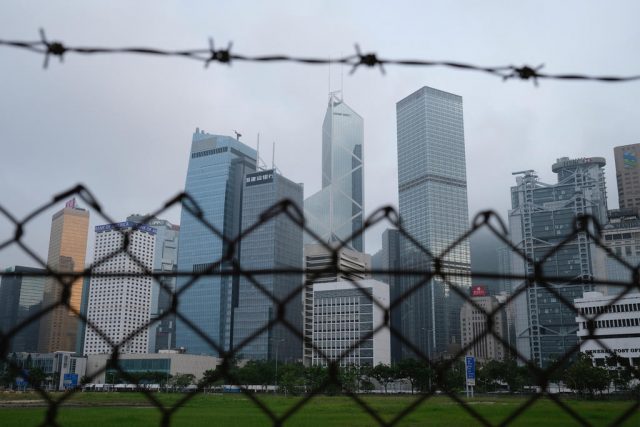
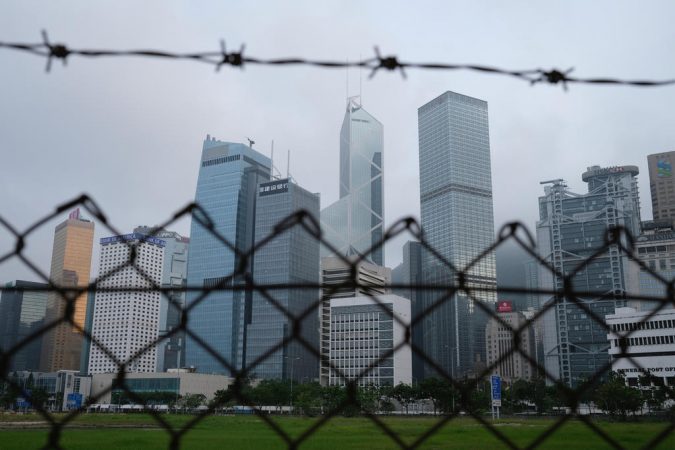
A GENERAL VIEW of skyline buildings in Hong Kong, China May 28, 2020. — REUTERS
A GENERAL VIEW of skyline buildings in Hong Kong, China, May 28, 2020. — REUTERS

HONG KONG — Hong Kong police said on Tuesday they had arrested nine people, including six secondary students, on suspicion of terrorist activities, the latest to be targeted under a sweeping national security law Beijing imposed on the financial hub last year.

Police said at a press briefing those arrested were aged 15-39 and also included a university management-level employee, a secondary school teacher and an unemployed person.

Officers also froze bank funds of around HK$600,000 ($77,237.97), as well as cash that they believed was linked to suspected terrorist activities.

They also seized triacetone triperoxide (TATP) in a hostel room police described as a laboratory for bomb-making equipment to deploy at a cross-harbor tunnel, railways, court rooms and rubbish bins.

TATP has been used in attacks by extremists in Israel and London.

Police said the group, called Returning Valiant, had been renting the room at the hostel in the bustling shopping district of Tsim Sha Tsui for about a month.

“They had a good division of labor among those arrested. Some of them provided money. Some are the scientists — the ones who made the TATP in the room,” Senior Superintendent Steve Li told reporters.

“One is responsible for the sourcing of chemicals and other materials needed for the plan, while another small group of people create the bombs, using chemical equipment. There is also a surveying team and an action team, which is responsible for laying the bombs.”

Members of the group had deliberately recruited secondary students who planned to leave Hong Kong for good, Mr. Li said.

Beijing imposed the security law on Hong Kong last year, punishing what it regards as subversion, secession, terrorism and collusion with foreign forces with up to life in jail. Authorities have repeatedly said it has “restored stability.”

Critics of the law, including Western governments, lawyers and international human rights groups, say authorities are using it to crush dissent in the former British colony, an assertion Beijing rejects.

The Hong Kong government has said that freedoms in the global financial hub are respected but not absolute and they cannot endanger the security law. — Reuters

Oil giant says no environmental damage from Gulf fire

MEXICO CITY — Just days after video of a massive ocean surface blaze near a Pemex oil platform in the Gulf of Mexico went viral, Mexico’s national oil company has declared that environmental damage was avoided due to quick action by its workers.

The July 2 blaze, caught on video apparently from a nearby helicopter, showed bright orange flames jumping out of the water as the fire raged a short distance from the oil platform. Pemex has previously said it took more than five hours to fully extinguish the fire.

“There was no oil spill and the immediate action taken to control the surface fire avoided environmental damage,” the company said in a statement on Monday.

The statement added that the blaze was sparked by an electric storm that ignited a leak of gas from a busted underwater pipeline.

The fire ignited a storm of criticism over the weekend, including social media posts from climate activist Greta Thunberg and New York Mayor Bill de Blasio, among many others.

The fire took place at the top producing offshore oilfield operated by Pemex, which has a long track record of major industrial accidents at its facilities.

Gusatvo Alanis, a board member with Mexico’s environmental law center CEMDA, told Reuters he thinks it is much too soon to conclude that the fire caused no environmental damage.

Pemex should commit to preparing a “detailed study of the (environmental) impact caused by the fire” as well as a plan to repair the damage, according to a statement issued earlier on Monday and signed by more than two dozen environmental groups, including Greenpeace as well as CEMDA.

In its statement, the state-run Pemex only committed to investigating the cause of the pipeline gas leak. — Reuters

Vaccinate or repent, Russian church says amid hundreds of COVID-19 deaths

MOSCOW — Russia’s powerful Orthodox Church admonished people refusing to be vaccinated against coronavirus disease 2019 (COVID-19), calling them sinners who would have to atone for the rest of their lives, as the country reported another jump in new infections and deaths.

The church urged all its faithful to be inoculated as another 24,353 new COVID-19 cases were registered on Monday, including 6,557 in Moscow, taking the official national tally since the pandemic began to 5,635,294.

The government coronavirus task force said 654 people had died of coronavirus-linked causes in the past 24 hours, pushing the national death toll to 138,579.

The federal statistics agency has kept a separate count and has said Russia recorded around 270,000 deaths related to COVID-19 from April 2020 to April 2021.

Speaking on state television, Metropolitan Hilarion, head of the Moscow Patriarchate’s department for external church relations, said those refusing to vaccinate were committing “a sin for which they will have to atone throughout their lives”.

He added: “I see situations every day where people visit a priest in order to confess that they had refused to vaccinate themselves or their close ones and unwillingly caused someone’s death.

“…The sin is thinking of oneself but not of another person.” — Reuters

The Philippine Peso continues to fluctuate amidst pandemic pressures


The impact of the pandemic on currencies around the world, and the forex market, is difficult to fully appreciate. It may even be too early to quantify exactly to what extent the pandemic has affected the world’s financial market. The tourism, hospitality, and travel industries were all rattled to their cores by the various lockdowns around the world.
Despite this, in the initial first 6 months, forex seemed to be largely unconcerned. By early 2021, increasing volatility has been the marked reaction of many currencies to the various twists and turns of the global health crisis. Even the fastest-growing economies in the world weren’t excused from the sharp increase in fluctuations, including the Philippine peso.

The Philippine economy was submerged into a strict approach to lockdowns, typical of many of the satellite countries to China. In Q2 2020, the Philippine economy actually suffered one of the biggest contractions, shrinking by 16.5% year-on-year, producing its first official recession in 30 years. However, a combination of its unique economic makeup and the pressures of the pandemic led to an environment where the Philippine peso has challenged even the mighty U.S. dollar, and it may continue to do so.
The Current Situation

The Philippine peso’s moment in the sun began in late 2020. The currency strengthened by a remarkable 4% against the dollar by September 2020, outperforming all its APAC counterparts. Only the Chinese yuan and Taiwanese dollar also made gains on the U.S dollar during this time. Largely, the growth was attributed to a complete dropoff in imports, as a precautionary measure against a novel Coronavirus. With an import fall larger than the exports, the Philippine peso flourished.

A Fitch Solutions report from late 2020 explained; “As domestic restrictions measures are eased, we forecast a gradual reversal of the current account’s improvement”. This seems to be a reasonable assumption to make given the tenuous nature of the economic benefits of a pandemic.

However, there is no ruling out a continuation of the trend of the strong peso, especially if Philippine demands for imports do not increase, whilst exports recover. A year of isolation and lockdown could potentially have allowed the Philippines to streamline and improve their self-reliance for certain goods or services, thus keeping imports down.

A Powerhouse in the Making?

The Philippines is already a popular market amongst investors as one of Asia’s fastest-growing economies. There is no guarantee the pendulum simply swings the other way once again. Institutional and retail investors alike are closely watching the progress of the peso as 2021 progresses. Unseen obstacles are easily thrown up: new viral variants, future lockdowns, recovering industries, and continued vaccination schemes are all ongoing efforts that make the future of the peso a subject of interest.

Meanwhile, over in the States, the U.S. dollar’s difficult year is speculated to be coming to an end too. Bullish investors are ready and waiting for a recovery, buoyed by a successful vaccination rollout in North America, and a strengthening dollar over European allies. Some analysts have forecasted an improvement to 1.15 dollars per euro by the end of 2021.

We’re left now with a further six months of uncertainty that entirely hinges on the pandemic’s second year of existence as one of either further complications or a gradual reduction in severity. It’s clear that uncertainty will contribute to further volatility, so for the time being forex traders interested in the Philippine peso’s continued shifting position against the dollar are best advised to continue monitoring the situation closely, as there are no guarantees either way just yet.

Traders interest peaks as BSP raises cap on Philippine Peso

In Southeast Asia, the appetite amongst investors has been growing for quite some time. Of the many nations within that region, several have been earmarked as rapidly emerging markets capable of significant growth, and healthy recoveries from the global health crisis of 2020 onwards. 

According to Oxford Economics, some of the fastest-growing, and highest-rated economies include Malaysia, The Philippines, Indonesia, and Thailand. Some rely on thriving tourism industries like Thailand, others are experiencing rapid GDP growth – the Philippines boasts a year-on-year increase of 5.3%. It’s, therefore, no surprise that forex traders were attracted to the region and its wealth of small, high-growth national economies.

The demand was so great in fact, that the recent decision of the Philippine Monetary Board – known as the Bangko Sentral ng Pilipinas (BSP) – has raised the NOP (Net Open Position Value) for banks’ foreign exchange transactions. The NOP is the sum of all short single currency exposures, and raising the cap is a sign of both strong appetite and a willingness within the nation’s banking structure to usher in more market activity, within a well-regulated shell. In short, it’s great news for forex traders.

Whilst this good news was announced, an important appendix was added to the statement, to limit risk-taking. As the BSP Governor, Benjamin Diokno explained in his weekly press conference; “The amendments are geared toward increasing liquidity in the foreign exchange market while ensuring that the transactions undertaken by financial institutions meet legitimate foreign currency needs and are subject to the appropriate risk governance.”

The move comes in light of presumed increased demand from traders and brings with it a number of potential benefits to both sides of these trades, both to investors and the facilitators, or brokers, of the trades. Firstly, and perhaps most obviously, greater liquidity in the Philippine forex market. This is important to the establishment of the Philippine Peso as a trusted and reliable currency to trade in as, typically, higher liquidity leads to a more secure, predictable currency pricing. Conversely, less liquidity means much higher volatility in the market, which can often be less attractive to a more cautious forex trader. 

The liberal decision to raise the cap also increases the chance of further government supervision of the market. Again, this is no bad thing. An increase in legislation and some improvement in supervision can be fantastic trust signals to retail investors or institutional bodies looking for consistent Asian currencies to trade-in. As many of these nations are viewed as ‘emerging’, it’s positive to see them take their forex market seriously, although the hope amongst many will be for a balanced approach between legislation and market freedom.

Forex being a naturally unpredictable and fast-moving beast for traders, the decision to raise the NOP has happily resulted in no major drop-off in interest. It appears more traders are instead choosing to test the waters of the Philippine market with demo accounts, often found on popular forex trading platforms that allow for a risk-free observation of how the move has affected the Philippine Peso’s day-to-day movements. 

As mentioned, this move has been a measured one from the BSP, as much as it was a move to welcome greater investment. Economic recovery has seemingly been the approach of many nations leaving the challenges of 2020 behind and hoping to enjoy some growth in the new year. For forex traders, there is a sense of waiting to see how the cap rising affects the volatility of the peso. It’s an exciting step for an emerging market, but also one that will leave traders filled with plenty of curiosity moving forward.