Home Blog Page 7218

Mondelez Philippines employee vaccination drive underway

  • 67% of colleagues and service providers vaccinated
  • Partnership with Parañaque City and Moderna Vaccine Buyer’s Group to protect its people

As one of the leading snack companies in the country, Mondelez Philippines has worked to ensure the safety and well-being of its people during the pandemic. From enhanced safety protocols, the Company is now focused on its vaccination drive. To ensure its people, their families, and the company’s partners are protected and remain safe. To date, 67% of the company’s people and on-site service providers have been vaccinated at least once, through various partnerships with government and private stakeholders.

In April of this year, Mondelez Philippines had already announced that it would provide free vaccines to its employees as well as two of their family members. To achieve this goal, the company worked with the Moderna Vaccine Buyer’s Group, a consortium of public and private agencies that procured the vaccine brand for the Philippines. Apart from its own people, Mondelez Philippines also facilitated the procurement of vaccines for its service providers who report to its manufacturing plant.

As a business operating in Parañaque City for the past 58 years, Mondelez Philippines also coordinated with the City Government through the office of Mayor Edwin L. Olivarez for its vaccination drive. The snacks company and its workers are considered essential during the pandemic and therefore its people were able to qualify for the A4 vaccination category in the City.

“We thank the local government of Parañaque City and the Moderna Vaccine Buyer’s Group for their partnership in providing vaccines for our people,” shares Ashish Pisharodi, Country Director of Mondelez Philippines. “The safety of our people lies not only in getting them vaccinated, but also ensuring that the people around them are safe and vaccinated too. When they are in the office or at home, they need to be assured of the safety of the people around them. That is why we are also supporting our service providers who work in our Plant, and our people’s families to ensure they get vaccinated. This way the community in which they are a part of also has protection.”

For the front liners who report to its Manufacturing Plant, Mondelez Philippines has enhanced safety protocols like mask-wearing, social distancing, and handwashing. Most recently they have also utilized technology by way of a tracking device that alerts people when they get less than two meters away from each other while working. Non-essential colleagues have also been working from home for a year and a half to ensure their safety. Face-to-face meetings are discouraged, and the use of digital meeting technology is highly encouraged for everyone. Globally, the Company has partnered with Dr. Barbara Pahud, an infectious disease specialist and former Stanford University Vaccine Fellow, as well as Mondelez Philippines’ own in-house infectious diseases expert Dr. Ricardo Tandingan, to help guide employees through questions related to COVID-19 and its vaccines.


Join us on Viber to get more updates from BusinessWorld: https://bit.ly/3hv6bLA

Delta spreads in Sydney as Australia widens COVID-19 restrictions

SYDNEY – Australian officials warned Sydney residents on Friday to brace for a surge in COVID-19 cases after the country’s largest city logged record infections for the second straight day despite a weeks-long lockdown to stamp out an outbreak of Delta variant.

“Just based on the trend in the last few days and where things are going, I am expecting higher case numbers in the next few days and I just want everyone to be prepared for that,” New South Wales Premier Gladys Berejiklian told reporters in Sydney, the state capital.

Sydney reported a record 279 locally acquired cases of COVID-19 over the past 24 hours, up from the previous high of 259 the day before. New South Wales reported a record 291 cases, up from 262. One more person has died, raising the state total to 22 during the latest outbreak, all in Sydney.

The dead person was an unvaccinated woman in her 60s who died in a Sydney hospital after contracting the coronavirus from a healthcare worker. There are 304 cases in hospitals in New South Wales, with 50 people in intensive care, 22 of whom require ventilation.

Of particular concern is the growing number of people positive with the highly infectious Delta strain moving around in the community, particularly in Sydney’s southwestern suburbs. Around one-fifth of Friday’s cases have spent time outside while infectious.

Officials in the neighbouring state of Victoria, which on Thursday night entered its sixth lockdown since the pandemic began, warned the state was “in a precarious position” as officials try to trace the source of several unlinked new cases.

“We have many lines of inquiry actively underway as to where these new cases have been and any further exposure sites,” state Health Minister Martin Foley said in a media conference.

Faced with another lockdown within weeks, an anti-lockdown protest erupted in state capital Melbourne on Thursday night.

Victoria reported six locally acquired COVID-19 cases on Friday, down from eight a day earlier, with all linked but not in quarantine during their infectious period.

In Brisbane, the state capital of Queensland, the authorities reported 10 new cases, down from 16 the day before, and added that they were hopeful a lockdown would be lifted as planned on Sunday since all but two cases were isolated before testing positive.


LOCKDOWN WOES

More than 60% of Australia’s 25 million citizens are in hard lockdowns on Friday to try to contain latest surge, including the country’s three largest cities – Sydney, Melbourne and Brisbane.

Snap lockdowns, strict border controls and swift contact tracing have helped Australia keep its coronavirus numbers relatively low, with just over 35,600 cases and 933 deaths. But recent stop-and-start lockdowns amid a sluggish vaccination rollout, with only about 21% of people above 16 fully vaccinated, have frustrated residents.

Australia has also enacted tough border controls requiring residents to apply for exemptions to leave and incoming overseas travellers, capped at around 3,000 a week, must go through a two-week mandatory quarantine.

The rules will further tighten from Aug. 11 by removing an automatic exemption for citizens and permanent residents living outside of Australia to leave, a government statement tabled in the parliament on Thursday showed.

The change would require all citizens and permanent residents living outside the country to apply for permission to exit. – Reuters

U.S. FTC says Facebook misused privacy decree to shut down ad research

REUTERS

WASHINGTON, Aug 5 (Reuters) – The U.S. Federal Trade Commission criticized Facebook Inc on Thursday for making “misleading claims” to explain why it had disabled the accounts of researchers studying political ads on the social media platform.

Facebook said on Tuesday it had cut off the personal accounts and access of the New York University researchers because of concerns about other users’ privacy.

Facebook had initially said that the decision was made out of a need for the social media giant to live up to a consent agreement with the Federal Trade Commission.

But Facebook spokesman Joe Osborne later told Wired that the consent decree was not a reason to disable the researchers’ accounts. Instead, the decree required the creation of rules for a privacy program, which is what he said the researchers had violated.

Laura Edelson, one of the researchers, denied any wrongdoing, Wired said.

The FTC posted a letter to Facebook CEO Mark Zuckerberg saying that it was “inaccurate” that the company’s actions were required under the 2019 consent decree.

“While I appreciate that Facebook has now corrected the record, I am disappointed by how your company has conducted itself in this matter,” wrote Sam Levine, the FTC’s acting director of the Bureau of Consumer Protection.

“The FTC received no notice that Facebook would be publicly invoking our consent decree to justify terminating academic research earlier this week.”

Facebook paid a record-setting $5 billion fine to resolve the FTC probe into its privacy practices and boosted safeguards on user data.

“While it is not our role to resolve individual disputes between Facebook and third parties, we hope that the company is not invoking privacy – much less the FTC consent order – as a pretext to advance other aims,” he wrote.

Separately, the FTC sued Facebook in December for allegedly violating antitrust law. That complaint was dismissed and the agency has an Aug. 19 deadline to refile it. – Reuters

PHL factory output continues rebound, grows for third straight month in June 

The country’s factory output sustained Its rebound for the third straight month in June, the Philippine Statistics Authority (PSA) reported this morning.

Preliminary results from the PSA’s latest Monthly Integrated Survey of Selected Industries showed the volume of production index surging by 453.1% year on year in June, faster than the revised 263.2% annual growth posted in May. This was also a reversal from the 80.6% decline in June last year.

The June reading marked its third consecutive month of growth in manufacturing production following 13 straight months of decline.

Year to date, factory output growth averaged 22.4%.  

The PSA noted annual increases in 19 out of 22 industry divisions in June led by the manufacture of coke and refined petroleum products (2,932.2%); fabricated metal product, except machinery and equipment (132.6%); and wood, bamboo, cane, rattan articles, and related products (85.7%).

Capacity utilization – the extent to which industry resources are used in the production of goods – averaged 67.7% in June, an increase from the 66.6% recorded the previous month.

Of the 22 industry divisions, 18 had more than a capacity use rate of at least 50%. – Lourdes O. Pilar

SAFEWash for All: P&G Safeguard donates P100 Million to accelerate hand hygiene support nationwide  

With one of the world’s longest quarantines, Filipinos are already experiencing “protocol fatigue,” which makes them more lenient about hygiene habits and puts them at risk of infection. Procter & Gamble’s Safeguard is stepping in to remind and reinforce the importance of proper handwashing through the SAFEWash movement. With the current increase in cases in the country, the brand is even more committed to becoming a force for good for all Filipinos who are put at risk every day.

SAFEWash Program Extends Help Nationwide

To help protect Filipinos from the threats of germs and illnesses, P&G and Safeguard ramp up its SAFEWash movement by donating a total of over Php 100 million worth of support. Launched last year, the SAFEWash movement enables organizations and individuals to work together to promote proper handwashing. On top of this, Safeguard is helping to rebuild handwashing facilities and provide hygiene kits for the Philippine General Hospital, currently housing the highest number of COVID-19 patients nationwide. Last May 2021, the hospital’s facilities were damaged by a fire that led to the swift evacuation of patients, including those being treated for COVID-19. Through its partnership with the Manila Water Foundation, Safeguard is adding three multi-faucet handwashing facilities for the hospital in key high-traffic areas to decrease the level of hospital contamination of germs and illnesses.

One Step Ahead in Safeguarding the Nation

With the acceleration of efforts in the past month, P&G and Safeguard have supported more than 20+ organizations, hospitals, and LGUs with the construction of public handwashing facilities, and distribution of personal protective equipment (PPE), face masks, ventilators, and hygiene care packs to vaccine hubs and frontliners, through the SAFEWash movement.

As the trusted antibacterial soap brand for more than 55 years, Safeguard commits its support to the Department of Health in helping prepare the country for a hopeful reopening. Through the DOH and P&G partnership, 70,000 BIDA Solusyon health and hygiene kits were distributed to families in 36 provinces nationwide. The kits helped local government units manage COVID-19 community outbreaks, strengthened proper hand hygiene education, and influenced positive action on health and hygiene of families.

“Safeguard believes in helping protect every Filipino family through quality products that fight the spread of germs and illnesses. If everyone plays their part by practicing minimum health protocols, frequent handwashing being one of them, we can help protect those around us as well. At Safeguard, we are one with our partners in helping the country reopen to a SAFER normal,” shares Jan Ang, Senior Brand Director for Safeguard Philippines

Safeguard is working as a Force For Good in ensuring Filipinos get access to quality health and hygiene via the SAFEWash Movement. You can also view Safeguard’s range of germ-fighting products from bars, liquid soaps, to body wash, in Lazada, Shopee, or Facebook, to protect your loved ones of up to 99.9% germ protection today.


Join us on Viber to get more updates from BusinessWorld: https://bit.ly/3hv6bLA

Gen Xers and Millennials feel pronounced financial impact of COVID-19

Photo from Getty Images

TransUnion’s quarterly Consumer Pulse study also finds that more than half of Filipinos expect their income to be impacted in the future as a result of the pandemic

New research* from information and insights company TransUnion found that in the second quarter of the year, two-thirds (66%) of Philippine consumers reported their household income was currently negatively impacted by the effects of the COVID-19 pandemic, broadly the same (up one percentage point) as of Q1 2021. The impact was more prominent for middle-aged respondents– 69% of Gen Xers (born 1965–1979) and 68% of Millennials (born 1980–1994).

TransUnion’s Consumer Pulse study findings showed the outlook is still uncertain, with 54% of respondents expecting their household income to be impacted in the future– an increase of five percentage points from the previous quarter. The majority of consumers(85%) continued to be concerned about being able to pay their bills and loans, with nearly half (49%) anticipating they’ll be unable to pay at least one of their current bills and loans in full.

Among those who expect they’ll be unable to pay bills/loans, middle generations plan to use money from savings (47% of Millennials and 42% of Gen Xers), refinance/renegotiate payments/rates (10% of Millennials and 12% of Gen Xers), and take out a personal loan (both at 14%) – more than other generations would. Among Gen Z (born 1995–2003), for instance, 40% plan to use money from savings,8% plan to refinance/renegotiate payments/rates, and 12% said they will take out a personal loan.

Middle generations also reported having saved more in emergency funds (50% of Millennials and 48% of Gen Xers, versus 40% of Gen Z) and paid down debt faster (24% of Millennials and 19% of Gen Xers, versus 15% of Gen Z). However, they still have greater credit needs– 52% of Gen Xers and 50% of Millennials said they plan to apply for new credit or refinance existing credit within the next year, compared to only 44% of Gen Z.Specifically, Philippine consumers plan to apply for new personal loans (23%), credit cards (16%), and mortgages (16%).

“The second quarter started with stricter quarantine restrictions anew as the Philippines faced a surge in COVID-19 infections. The economic consequences of the pandemic remain prevalent across many aspects of our study data, and in some cases, we are seeing worsening results – from consumers’ inability to pay bills and loans to being targeted and falling victim to fraud schemes,” said Pia Arellano, TransUnion Philippines president, and CEO.“Despite this, many respondents are still hopeful that their finances will recover which is a good sign of their economic outlook. Our results show the provision and availability of credit is a big feature for Filipino finances and consumers’ ability to balance household finances in the coming months. Lenders need to make informed decisions so they can extend consumers the products best suited to their individual needs and circumstances, and help build a sustainable recovery whilst also managing risk effectively.”

Consumers optimistic about their financial future

Among all the respondents, 74% expressed positive feelings about their financial outlook, with 61% classifying their financial situation as hopeful – where their household income has decreased, but they think their finances will recover. On the other hand, 8% said their financial situation was either stable or thriving–where their household income has not decreased and their finances in 2021 are as planned or better. Meanwhile, 5% said they were resilient as their household income has decreased during the pandemic (currently or in the past) but their finances have fully recovered.

Philippine consumers indicated they plan to increase or at least retain their household spending over the next three months. Seventy-two percent said they will increase or at least retain their spending on digital services and 61% on retail (clothing, electronics, etc.).However, everyday living priorities are still in order as 77% said they will also increase or at least retain spending on medical care/services, 74% on bills and loans, and 62% on retirement funds/investing.

To further understand the financial impact of COVID-19, the Consumer Pulse study also includes a section on financial inclusion. It found that 86% of respondents (a drop of four percentage points from the previous quarter) believe access to credit is at least moderately important to achieve their financial goals. However, only 32% (a drop of two percentage points) said they have sufficient access to credit. The older the respondents are, the more they felt they have enough access to credit and lending programs:42% of Baby Boomers (born 1944–1964) share that belief, whereas only 31% of Gen Z say they do. Despite this, 77% of all respondents believe that monitoring credit is very or extremely important. More than two-thirds (68%) also monitor their credit at least monthly.

Significant increase in digital fraud activity

Of Philippine respondents, 57% expect their number of online transactions to increase over the next three months. However, alongside increased online activity levels, fraudsters keep taking advantage. During the pandemic, there was an increase in fraud activity, with digital fraud attempts from the Philippines increasing 19% when comparing the first four months of 2021 with the last four months of 2020, as reported in TransUnion’s most recent global fraud study.

In the Consumer Pulse study, meanwhile, 42% (an increase of three percentage points) said they have been targeted by a fraud scheme but did not become a victim of it. Unfortunately, 6% (an increase of two percentage points) acted on a fraud scheme and became a victim.

Phishing (40% of those targeted) and third-party seller scams on legitimate retail websites (29%)remain the most common COVID-19-related digital fraud schemes encountered by consumers in the Philippines, with shipping fraud (24%) coming in close at third.

“We’ve seen in both the digital fraud attempts monitored by TransUnion’s fraud analytics solutions and the responses of consumers on ground that fraud remains a persistent global problem. As we continuously work to regain our economic progress, it is crucial that businesses, consumers, and the government approach recovery holistically. This entails creating programs and actions in response to insights similar to those we’ve shared, while at the same time maximizing the available digital solutions that can help fast-track results and accelerate growth in areas that it is needed most,” Arellano said.

*TransUnion’s global Consumer Pulse study highlights the ongoing financial impact of COVID-19. The most recent survey includes responses from 1,100 consumers in the Philippines and was conducted online between June 1 and June 16, 2021. For previous Consumer Pulse Studies, visit our Consumer Pulse study page.

Join us on Viber to get more updates from BusinessWorld: https://bit.ly/3hv6bLA

June trade deficit smallest in three months 

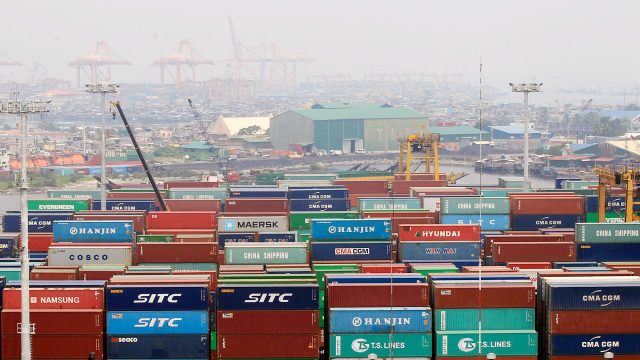
The country’s trade-in-goods deficit in June shrank to its smallest amount in three months, although this did not prevent the year-to-date shortfall from surging faster than in the previous year, the Philippine Statistics Authority (PSA) reported earlier this morning.

Preliminary PSA data showed merchandise exports during the month expanded by 17.6% year on year to $6.51 billion compared with a revised 30.8% expansion seen in May. Nevertheless, this marked a reversal from the 10.1% contraction posted in June of last year.

Meanwhile, merchandise imports grew by 34.2% to $9.33 billion in June, compared with a revised 55.6% growth in May and the 20.8% contraction last year.

June marked the fourth and fifth consecutive month of growth for exports and imports, respectively.

This brought the trade deficit to $2.83 billion in June, smaller than the revised $3.17-billion gap recorded in May, but bigger than the $1.42-billion shortfall in June 2020.

Year to date, the trade balance widened to a $17.44-billion deficit, from the $11.37-billion trade gap in 2020’s comparable six months.

For the same six-month period, exports grew by an annual 20.9% to $35.90 billion, surpassing the Development Budget Coordination Committee’s (DBCC) revised export growth target of 10% for 2021. Meanwhile, imports increased by 29.8% to $53.34 billion year to date, also exceeding the DBCC’s 12% target for the year. – Ana Olivia A. Tirona 

Sun Life Philippines embarks on trust business

Seeing an opportunity to expand its capacities and meet the growing and evolving investment solutions sought by Filipinos, Sun Life Philippines enters into the trust business through its new stand-alone trust company, Sun Life Investment Management and Trust Corporation (“SLIMTC”).

SLIMTC leverages on the leadership of Sun Life Financial, Inc., its parent company. Michael Gerard D. Enriquez, who served as a Chief Investment Officer at Sun Life Philippines for nine years, now heads SLIMTC as its President and Chief Investment Officer.

Michael Gerard D. Enriquez, Sun Life Investment Management and Trust Corporation president and chief investment officer

Further upholdingSun Life’s goal to impart lifetime financial security to its clients, SLIMTC offers multi-strategy local and global portfolio management solutions to deliver superior risk-adjusted returns to, primarily, institutional-type investors.

“Having lifetime financial security starts with being able to provide the right products and solutions to address specific needs of clients,” Mr. Enriquez said.

Sun Life, he noted, has been quite big in retail but had not yet really penetrated the gap in the institutional space. SLIMTC is, thus, a step to enter this space.

Mr. Enriquez also remarked on some current pain points in the market. A Sun Life-commissioned survey showed that most institutions are limited to domestic assets and the products are highly commoditized. Furthermore, relationships have been dictating the client servicing rather than the focus on strong investment outcomes.

“We are missing out on a huge potential market,” he explained. “Based on a 2017 Bangko Sentral ng Pilipinas (BSP) and NMG Consulting data, there is about P1.9 trillion in the institutional space that is still contestable. Out of this total, P1.6 trillion can only be accessed with a trust license. This market is continually growing.”

Grounded on its experience as a major player in offering financial services to retail clients and its investment team’s successful management of insurance portfolios and mutual funds, Sun Life aims to apply its expertise by helping provide relevant solutions for institutional clients through SLIMTC.

“We envision SLIMTC to be providing solutions, rather than coming up with a specific product and offering it to institutional clients, Mr. Enriquez said. “We would like to learn more about what institutions would need and for us to be able to craft bespoke investment strategies and solutions to address the specific needs of these institutions.”

“Apart from being able to leverage on our global and regional capabilities in offering a wider range of assets,” he continued,“we are also in the process of applying for a Type 3 Derivatives license with the BSP to be able to offer more solutions to address specific client portfolio needs. We have also employed Citibank to handle our middle office to ensure global best practice and offer an overall world-class service experience for our clients.”

Moreover, for Mr. Enriquez, the launch of SLIMTC and its services is timely, especially as people reassess their portfolio and risk tolerance amid the experience of the COVID-19 crisis.

“Given the divergence in the performance of financial markets last year, there has been a conscious effort to diversify portfolio exposure to offshore assets. We have also seen this trend among our retail clients. Providing exposure in several offshore assets by leveraging on our global and regional capabilities would be an advantage,” he explained.

“Also, we would like to showcase our portfolio risk and analytics capabilities to help provide clients a more systematic view of their portfolios at the same time effectively manage their risk exposures,” he added.

Mr. Enriquez hopes soon they could establish SLIMTC as a specialized investment solutions manager among retirement funds and pension funds. The new trust company also aims to present similar expert capabilities on insurance asset management to other institutions.

In line with the trust company’s medium-term plan, he added, select high net worth individuals looking for specialized investment solutions for their specific needs would also be able to receive SLIMTC’s services.

“Over the long term, we would also like to be a major player in the trust and investment management business, similar to how our insurance and asset management businesses are leaders in their respective industries,” the SLIMTC President envisioned.

Recovery through collaborative climate action

In photo during the BusinessWorld Insights, in partnership with Energy Development Corp., with the theme “Kickstarting Green Recovery," are (clockwise, from top left) panelists Hon. Loren Legarda, House of Representatives deputy speaker; Yeb Saño, Greenpeace Southest Asia executive director; Richard Tantoco, Energy Development Corp. president and chief operating officer; and moderator Santiago Arnaiz, Day3 Innovations chief operating officer.

Green recovery starts with reducing carbon footprint, advocates agree

Recovery from the widespread impacts of the coronavirus disease 2019 (COVID-19) pandemic does not only involve curbing the spread of the virus and rebounding from financial losses. As the pandemic further stressed the issue of global warming, recovering from the pandemic now also entails a shift to more sustainable practices that no longer put nature at stake.

This aspect of recovery from the pandemic was the focus of the online forum held by BusinessWorld Insights, in partnership with the Energy Development Corp. (EDC), last July 26. Themed “Kickstarting Green Recovery,” the forum gathered environmental advocates from the government, nongovernment, and private sectors to talk about mitigating the country’s carbon footprint towards green recovery through climate action from all stakeholders.

Reducing our carbon footprint

Discussing the impact of the world’s carbon footprint, Yeb Saño, executive director at Greenpeace Southeast Asia, noted that the prevailing global development framework has basically ignored nature’s limits as dependence on fossil fuels as well as the prevalence of oil-based transport have persisted.

“The kind of development we have seen and have benefitted from puts so much tremendous pressure on the environment and it’s even widening the gap between the rich and the poor,” Mr. Saño said during his presentation, which looked back on how global warming — caused by greenhouse gases (GHGs) such as carbon dioxide — has spiked and might spike further if unmitigated.

Mr. Saño also stressed that the carbon footprint, or the amount of GHGs coming from individual or group activities, is causing the acceleration of climate change. Citing findings by Our World In Data, he noted that a large share of carbon footprint (over 70%) is accounted for by energy used in industry, transport, and buildings, among other uses. This was followed by agriculture, forestry and land use, with nearly 20% share.

Mitigating this carbon footprint by reducing GHG emissions among businesses and stakeholders, thus, serves as a key to address climate change.

“Climate change affects… all sectors of society, people, and the planet. Therefore, it is our duty to really look into limiting all of that footprint,” he said. “The planet is hurtling towards a dangerous trajectory that may go beyond [global warming], and we need to avert that. In order to do that, carbon budget is a key aspect.”

For this to be achieved, Mr. Saño recommends embracing and pursuing greener electricity powered by renewables; greener transport; greener food coming from local sources and farmers; greener economy in terms of local jobs for green industries and reducing energy emissions; and greener spaces in terms of people-centric spaces and greener buildings.

Mr. Saño also pointed out that reducing carbon footprint must be initiated among companies, 100 of which are found by the Carbon Disclosure Project to be responsible for 71% of GHG emissions. “It’s really important that we have very serious conversations with these companies… because they do dictate the kind of shape the energy sector evolves into,” he said.

Following the climate pathway

Meanwhile, Hon. Loren Legarda, deputy speaker of the House of the Representatives, pointed out that attuning to the climate pathway paves the way for recovery from the pandemic. This pathway, according to the deputy speaker, is laid out by the Paris Agreement, an international treaty that aims to limit global warming to as much as 1.5 degrees Celsius.

“To achieve this, we must target a net-zero global economy by 2020, which means that GHG emissions worldwide must reduce by 45% by 2030, or by 7% every year for the next nine years,” Ms. Legarda continued.

The Philippines should join the rest of the world in limiting global warming since it is “the best form of adaptation” even if the country is found to contribute only a third of 1% of emissions in the world. The country’s commitment to these goals is shown by its nationally determined contribution to the Paris Agreement of reducing emissions to 75% by 2030 — 2.71% of which is unconditional and 72.29% is conditional.

“We submitted this target despite this country’s probably insignificant emissions because we know that climate-resilient development is the right path to improving the lives of our vulnerable population, as well as growing our economy,” she explained.

For Ms. Legarda, reducing carbon emissions entails the support and development of renewable energy and energy efficiency; sustainable transport systems; nature-based solutions; resilient buildings and infrastructure; and shifting from the use of single-use of plastics towards a circular economy.

While massive financing from international, national, and multilateral sources are needed in meeting these goals, the deputy speaker added, the private sector is nevertheless sought to help the public sector in achieving the country’s sustainability and resilience goals.

“Incentivizing and de-risking investments in low-carbon and innovative technologies while building stakeholders’ capacities for mitigation must be the new approach in government and in business,” Ms. Legarda explained.

The deputy speaker, who authored several environmental laws throughout her career, also stressed that with a lot of legislation in place to enable the country’s climate action, implementing these laws across government units and organizations, and practicing these among individuals is crucial.

“We need a paradigm shift in the way we think, work, and even breathe,” Ms. Legarda said. “We just have to work together and change the way we know how life was… We have to discard the old lifestyles — the consumptive, consumerist, throwaway culture that we continue to have until now.”

The call to be regenerative

Being regenerative, which EDC has incorporated in its mission since last year, was the focus of Richard Tantoco, the company’s president and COO, throughout the forum. He noted that the pandemic, while gravely impacting economies, gave a temporary respite from carbon emissions as this significantly fell by 6.4% or 2.3 billion tons in 2020. “We cannot afford to waste the momentum that we have from it,” he added.

At the same time, Mr. Tantoco continued, the call is ringing louder among companies to be regenerative, going beyond survival and sustainability in order to contribute to reducing carbon emissions.

“Instead of looking at our business solely as an engine for profits, we need to elevate everything we touch — starting with our environment, then our communities, customers, co-creators, and investors,” the EDC executive said.

Mr. Tantoco also mentioned that its projects have regenerative benefits for its stakeholders: cleaner energy to meet the demands of customers; prudent and tested deployment of capital for investors; and green jobs and empowerment for communities.

“That’s what we call regeneration — taking one extra step, just thinking a little bit harder about what we can do to uplift our stakeholders and enhance our environment,” he said.

In addition, Mr. Tantoco recommends unleashing the ‘arrows’ of policies, innovation, and investments, which he sees are needed to steer green recovery in the right direction. Stakeholders responsible for these three, he continued, should thus be held accountable.

As Mr. Tantoco shared how their ‘regenerative’ mission has recently been achieved by their company, he noted developments in investment as EDC listed a P15 billion worth of ASEAN green bonds last year, with its first tranche of P5 billion listed at the Philippine Dealing Exchange Corp. last June.

“I’m happy to report that it is ten times oversubscribed due to a very strong demand from investors, who want to support and participate in the financing and expansion of our 100% clean energy portfolio, which is crucial in decarbonizing while reviving our economy,” he said.

Finding strength and support from believers

Having someone who believes and encourages us can somehow boost our vigor in working on our dreams, even when dealing with challenges. For renowned sportsman and Cocolife ambassador Kiefer Ravena, he gains his inner strength to move forward in his basketball career from different people, especially his family, who believes in his endeavors and abilities.

At an early age, the passion for basketball came naturally in Mr. Ravena. As he grew up, he continued to show his determination in striving for his athletic aspirations — from achieving basketball championships in high school to overcoming the pressure of winning games in college. Things seemed to go according to his plans even until he finally became a professional.

The COVID-19 pandemic, however, made him take a step back and put his basketball pursuits on hold for more than a year now. Nevertheless, he still felt that it made him better both as a player and a person.

“Looking back, whatever I have achieved in my career, all these became possible because there were people who believed in me — my school, the fans, and most of all, my mom, my dad, and my family,” Mr. Ravena expressed.

Coming from Mr. Ravena’s experience, surrounding yourself with people who have faith in you and your goals could also greatly impact your drive towards success.

“When planning for your future, have someone who believes in your dreams,” reminded Atty. Jose Martin A. Loon, president and chief executive officer of Cocolife.

“[Mr. Ravena] has always been focused on his goals — on the court and as a young man. He tells us that he earnestly believes in the importance of investing in one’s health, education, savings, and retirement. As successful as he is now, Kiefer’s dreams are the same as yours and ours,” Atty. Loon said.

“Our goal is to make you appreciate the value of having insurance and investment plans for a future that is secure, stable, and comfortable,” he added.

Cocolife, the biggest Filipino-owned stock life insurance company, similarly assures its belief and help for the people to accomplish their goals in life through its various financial services designed to respond to their specific needs.

From individual or group insurance, healthcare, mutual funds products, and more, Cocolife serves as a believer of Filipinos in reaching their dreams and a supporter amid obstacles along the way like the current global health crisis.

As you pursue your passions and dreams, you can find a believer in Cocolife. Explore more about how its array of quality financial products can lend a hand in your life aspirations by visiting www.cocolife.com.

Enhanced Electricity Market for the entire Philippine grid

A look into the Commercial Operations of the Enhanced Wholesale Electricity Spot Market

By Richard J. Nethercott

Through the Department of Energy’s (DoE) Department Circular no. 2021-06-0015, The commercial operations of the Enhanced WESM Design and Operations (EWDO) officially commenced on June 26, 2021, in the Luzon, Visayas, and Mindanao grids. Finally, twenty years (20) after the enactment of the Electric Power Industry Reform Act (EPIRA), the Wholesale Electricity Spot Market (WESM) is now implemented in all the Philippine power grids.

The Independent Electricity Market Operator of the Philippines (IEMOP), through the guidance of the DoE, together with the National Grid Corporation of the Philippines (NGCP), Energy Regulatory Commission (ERC), Philippine Electricity Market Corp. (PEMC), and all WESM members, conceptualized and developed the EWDO to be implemented nationwide. Indeed, this is a testament of the dedication and commitment of all energy industry stakeholders and participants to create a more competitive and transparent energy industry landscape in the country.

The EWDO, which was conceived in 2013, aims to further enhance competition, transparency, and robustness of the Philippine WESM. Indeed, a competitive and transparent market will increase confidence in the spot market and will help attract investments in the different sectors of the power industry.

To provide the rules in determining prices and schedules in the electricity market under the EWDO, ERC promulgated its decision on Dec. 29, 2020 which approved the revised Price Determination Methodology (PDM).

Foremost, the transition to a five-minute dispatch and settlement interval from the previous one-hour interval will significantly improve the demand forecast and mitigate generation imbalances through enhanced mechanisms which will ensure stricter compliance of generators to their dispatch schedules.

On the other hand, customer trading participants will now have a more refined period for their bilateral contracts. The five-minute market will enable them to have greater options and flexibility in fulfilling their demand in very specific periods either through bilateral contracts or the electricity spot market.

Overall, the improved efficiency gained from this transition is expected to eventually benefit ordinary Filipino consumers through more competitive electricity prices for the distribution utilities and those who are already participating as Contestable Customers (CCs) under the Retail Competition and Open Access (RCOA). Additionally, WESM results will provide better price signals for the benefit of stakeholders, participants, investors, and the public.

The establishment of WESM in Mindanao will also benefit Mindanao energy players and their consumers. Since Mindanao currently has an excess amount of power, the operations of WESM will ensure that the most efficient and cheapest power plants are dispatched first to satisfy the grid’s demand. Moreover, when the Mindanao-Visayas Interconnection is completed, the excess power in Mindanao may be sold to Luzon and Visayas. WESM will also provide more efficient scheduling and dispatching processes as well as established settlement procedures in the Mindanao Grid, as laid down in the WESM rules and market manuals.

The implementation of the EWDO is a major technological achievement which has been accomplished by only a few electricity markets in more developed countries. In comparison to most jurisdictions, the Philippine WESM is now more responsive to real-time conditions and minute changes in the grid. Thus, with the EWDO, the Philippine WESM under the operations of IEMOP, will be established as one of the technologically advanced electricity markets in the globe.

Inflation eases to 7-month low in July

PHILIPPINE STAR/ MICHAEL VARCAS
Headline inflation stood at 4% in July, the government reported on Thursday. — PHILIPPINE STAR/ MICHAEL VARCAS

PHILIPPINE INFLATION eased to a seven-month low in July, lending support to expectations for the central bank to keep its rates accommodative.

Preliminary data released by the Philippine Statistics Authority (PSA) on Thursday showed headline inflation at 4% in July, slowing from the year-on-year rate of 4.1% in June. Still, this was above the 2.7% print recorded in July last year.

The latest headline figure matched the median of the BusinessWorld poll conducted last week. It also fell within the 3.9%-4.7% estimate given by the Bangko Sentral ng Pilipinas (BSP) for July.

Headline inflation rates in the Philippines (July 2021)

The July result marked the slowest in seven months or since the 3.5% annual rate posted in December 2020. Prior to that, the inflation in June was at a six-month low.

The inflation in July also marked the first time since December that it settled within the BSP’s 2-4% inflation target for the year.

Year-to-date inflation settled at 4.4%, still above this year’s target and above the forecast of 4% for the entire year.

Core inflation, which discounted volatile prices of food and energy items, stood at 2.9%. This was slower than the 3% in June and 3.3% in July 2020. It averaged 3.3% so far this year.

The PSA ascribed the downward trend in July mainly to the lower annual increment posted in the transport index at 7%, from 9.6% in the previous month.

Other commodities that saw slower price increases include alcoholic beverages and tobacco at 10.2% from 11.2% in June; furnishing, household equipment and routine household maintenance at 2.3% from 2.5%; and restaurant and miscellaneous goods and services at 3.6% from 3.9%.

The index for recreation and culture posted a 0.7% decline in June, faster than the 0.6% contraction the previous month.

Bucking the trend were five other indices, including the heavily weighted food and non-alcoholic beverages, which accelerated to 4.9% from 4.7% previously.

Food inflation also picked up with 5.1% in July compared with the 4.9% recorded in June.

On the other hand, the inflation rate for the bottom 30% of income households slightly rose to 4.4% in July from 4.3% the previous month. It was also faster than the 2.9% recorded in July last year. So far, bottom 30% inflation averaged 4.8% this year.

ING Bank N.V. Manila Senior Economist Nicholas Antonio T. Mapa attributed the inflation reading in July to base effects and the easing of supply bottlenecks.

“[T]ransport costs were the main offset to faster inflation from the food basket despite surging global crude oil prices as base effects from pandemic-related transport fare adjustments reversed. Lower inflation for restaurants and other services also provide downside pressure for inflation with price gains dipping to 3.6% (from 3.9%) also due to base effects,” Mr. Mapa said in a statement to reporters.

Alex Holmes, economist at Capital Economics, said the transport index will most likely support easing of inflation in the coming months. 

“Our commodities team also expect global oil prices to decline, with Brent crude set to fall to $70 per barrel by yearend and $60 per barrel by end-2022, from around $73 per barrel at present. While this will be offset somewhat by a weaker peso, it should still push transport price inflation into negative territory next year,” he said in a separate statement.

Mr. Holmes also noted a similar case for food inflation, saying: “[T]he ramp-up in imports to ease meat shortages appears to be working, with the annual pace of increase in meat prices falling to 16.0% in July, from a peak of 22.1% in May. This should continue over the coming months.”

To recall, President Rodrigo R. Duterte signed Executive Orders 133 and 134 that increased the quota of pork imports and modified the tariff rates on imported pork products, respectively.

ANZ Research Senior Economist Bansi Madhavani and Chief Economist for Southeast Asia and India Sanjay Mathur expect annual headline inflation to remain within the 2-4% range “in the near term, albeit closer to the upper bound.”

POLICY, INFLATION OUTLOOK
BSP Governor Benjamin E. Diokno said the latest result is consistent with the central bank’s assessment of inflation settling “close to the high end” of the 2-4% target before easing back to within target by the end of the year.

“Meanwhile, inflation is projected to remain firmly within the midpoint of the target range of 2-4% for 2022 to 2023. The continued implementation of direct non-monetary interventions to ease supply constraints remain crucial in tempering inflation pressures,” he said in a Viber message to reporters.

Mr. Diokno also noted the risks to the inflation outlook “remains broadly balanced over the policy horizon.”

“The uptick in international commodity prices due to supply-chain bottlenecks and the recovery in global demand could lend upside pressures on inflation. On the other hand, the emergence of new coronavirus variants and delays in easing lockdown measures are seen to pose downside risks to both demand and inflation,” he added.

The Monetary Board will review the current policy settings on Aug. 12, two days after the second-quarter gross domestic product data is released.

Analysts were in agreement on expectations of BSP keeping its accommodative monetary policy stance but differ on the view whether the central bank will cut rates or keep them steady.

“With the COVID-19 Delta variant now further threatening expected robust economic recovery in 2021, the BSP will continue its accommodative stance to further support the sputtering economic rebound. However, more interest rate cuts may be out of the table, but cuts in the reserve requirement ratio may be considered,” UnionBank of the Philippines, Inc. Chief Economist Ruben Carlo O. Asuncion said in an e-mail, referring to the more infectious variant of the coronavirus disease 2019 (COVID-19).

“We see inflation to be declining toward the end of the year. However, it may not average within the government’s inflation target,” Mr. Asuncion noted.

ING’s Mr. Mapa expects inflationary pressures to be elevated in the second half of the year despite soft domestic demand brought by impending implementation of strict lockdown measures in Metro Manila and the ongoing recession. Contributing to this outlook, he said, were the possible uptick in the cost of basic food items such as canned goods and packaged noodles as well as a possible increase in prices of fruits and vegetables due to typhoon damage.

Metro Manila and its nearby provinces will be under an enhanced community quarantine, the country’s strictest lockdown classification, starting today (Aug. 6) until Aug. 20 to help curb a possible Delta variant-driven surge in COVID-19 cases.

“Despite possible bouts of faster inflation, we fully expect BSP to keep policy rates unchanged for the rest of 2021 and well into 2022,” Mr. Mapa said.

For ANZ’s Ms. Madhavani and Mr. Mathur: “The inflation data is likely to reaffirm the monetary policy stance of staying accommodative. We believe the BSP will keep policy rate unchanged for the remainder of the year,” they said.

Capital Economics’ Mr. Holmes expects the BSP to “act soon” given the easing inflation and the Philippine economy “in desperate need of extra support.”

“We have a 25-basis-point rate cut penciled in for its [Sept. 23] meeting,” he said. — Nadine Mae A. Bo with inputs from Luz Wendy T. Noble