Home Blog Page 6966

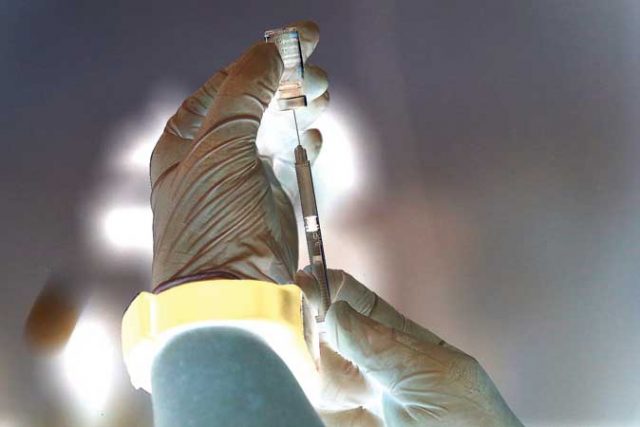
SM says 94% of employees vaccinated so far
PHILIPPINE STAR/ MICHAEL VARCAS

SM Investments Corp. (SMIC) said on Friday that its coronavirus disease 2019 (COVID-19) vaccination program has covered 94% of its employees so far.   

The program is a joint effort of SMIC, SM Prime Holdings, Inc., SM Retail, Inc., BDO Unibank, Inc., and China Banking Corp. as well as 2GO Group, Inc., Atlas Mining & Development Corp., and Goldilocks Bakeshop.  

“Our goal is to support broad vaccination efforts and not just to focus on our own people or those connected with our business,” SMIC President and Chief Executive Officer Frederic C. DyBuncio said in a statement.    

“We made our assets accessible to all, both to the public and private sectors, and enabled our partners to secure much-needed vaccination,” he added.   

The company said over 3.3 million COVID-19 jabs have been administered in its malls, which were used as make-shift vaccination sites by local government units. SM Development Corp. also conducted vaccination drives in 12 locations across properties in Mandaluyong, Parañaque, Pasig, and Quezon City.   

Meanwhile, its 2GO vessels on dock also served as vaccination venues for ship crew members.   

SM also worked with Go Negosyo’s “A Dose of Hope” program as it launched shared vaccination sites via its malls for nearly 300 micro, small, and medium enterprises (MSME) to inoculate over 170,000 of their employees.  

SM also offered its other work sites, such as in Toledo City of Cebu, to vaccinate other employees of MSME partners and government stakeholders.  — Keren Concepcion G. Valmonte  
600 thousand doses of AstraZeneca arrive

REUTERS

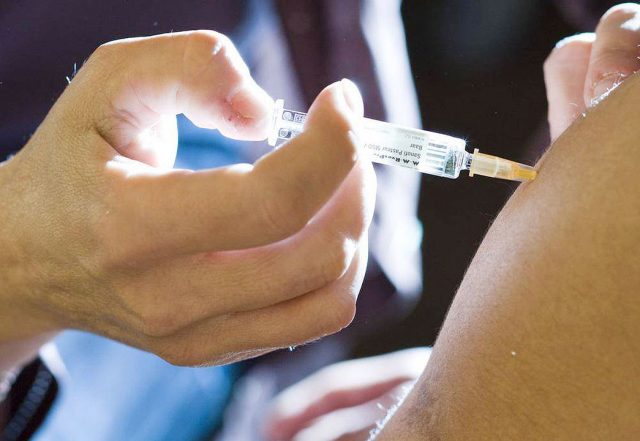
The Philippines on Friday took delivery of 661,200 more doses of the coronavirus vaccine made by AstraZeneca, Plc. This as the health department announced in its daily bulletin that there are 20,336 new coronavirus cases.

The shipment was paid for by local government units and the private sector, vaccine czar Carlito G. Galvez, Jr. said in an interview with the state-run People’s Television Network.

Mr. Galvez said 80% of the new batch of vaccines will be given to local government units, while the remaining 20% will go to the private sector.

Meanwhile, Mr. Galvez said 190,000 doses of Russia’s Sputnik V (Component 2) may arrive in the country this weekend or early next week.

“This shipment of Sputnik V vaccines shall be used for the second dose,” he said separately in a statement.

The Philippines is also set to take delivery of about one million doses of the single-shot Sputnik V Light, Mr. Galvez said.

More than 14.89 million doses of coronavirus vaccines are expected to arrive in the country in the coming weeks.

The Philippines has received more than 58 million vaccine doses since February.

Authorities on Thursday said more than 40 million coronavirus vaccines had been given as of Sept. 15. About 17.7 million people or 22.91% of the country’s adult population had been fully vaccinated against coronavirus diseases 2019 (COVID-19), they said.

NEW CASES

Meanwhile, health authorities on Friday reported 20,336 new coronavirus cases, bringing to 2.32 million the total number of cases since the pandemic started.

The country’s coronavirus death toll rose to 36,328 after 310 more patients died, while recoveries increased by 10,028 to 2.1 million, the Department of Health (DoH) said in a bulletin.

There were 188,108 active cases, 87.6% of which were mild, 8.1% were asymptomatic, 1.3% were severe, 2.49% were moderate, and 0.6% were critical.

The DoH said 53 duplicates were removed from the tally, 41 of which were reclassified as recoveries. It added that 176 recoveries were reclassified as deaths. Four laboratories failed to submit data on Sept. 15.

IVERMECTIN

Meanwhile, Health Undersecretary Maria Rosario S. Vergeire maintained that there is still not enough evidence to prove that the anti-parasitic drug ivermectin can treat COVID-19 or prevent deaths from the illness.

This, after the British Ivermectin Recommendation Development Group asked the Philippine government to adopt the use of ivermectin for COVID-19 patients.

“We reiterated the PSMID (Philippine Society for Microbiology and Infectious Diseases, Inc.) guidelines which states that based on the current evidence from randomized controlled trials, we do not recommend the use of ivermectin for the treatment of COVID-19,” Ms. Vergeire said in a virtual news briefing, noting that the anti-parasitic drug has not been proven to “significantly reduce mortality nor to improve other clinical outcomes.” — Kyle Aristophere Ateinza

Don’t ignore killing of South Cotabato lawyer says IBP

THE INTEGRATED Bar of the Philippines (IBP) said Friday that the murder of South Cotabato lawyer Juan G. Macababbad cannot be ignored as more lawyers nationwide are being killed. 

“Our country cannot attain true independence and freedom when conformity is extracted by fear and criticism silenced by force,” IBP said in a statement. 

The group called for a nationwide effort to protect lawyers and judges and said it would work with law enforcement authorities to swiftly address these attacks and implement measures to improve the security of law professionals. 

Meanwhile, lawmakers from the Makabayan bloc filed House Resolution 2223 on Thursday calling for the Committee on Human Rights to condemn and investigate the killing of Mr. Macababbad. 

“It is imperative of Congress as representatives of our people to defend the rights of our people and check on excesses and violations, especially in this time of crisis,” says the resolution. 

Mr. Macababbad was shot outside his home in Surallah, South Cotabato by two unidentified individuals on Wednesday. He was the 58th lawyer killed during the Duterte administration, according to the National Union of Peoples’ Lawyers. 

On Sept. 13, two days before Mr. Macababbad was killed, business groups called on Congress to pass a law creating a Judicial Marshal Service to strengthen the security of judiciary members and all court proceedings.  — Russell Louis C. Ku 

Philippines adds 4 countries to COVID-19 travel ‘red list’

The Philippines will bar the entry of travelers from Grenada, Papua New Guinea, Serbia, and Slovenia in the latest update of the so-called red list for travel.  

“This new classification shall take effect on Sept. 19, 2021 until Sept. 30, 2021,” Palace spokesman Herminio L. Roque, Jr. said in a statement. 

Countries on the red list are considered to be “high risk” for the coronavirus.  

Meanwhile, Mr. Roque said that the following places are now on the “green list”: 

  • China 
  • Hong Kong 
  • New Zealand 
  • American Samoa 
  • Burkina Faso 
  • Cameroon 
  • the Cayman Islands 
  • Chad 
  • China 
  • Comoros 
  • the Republic of the Congo 
  • Djibouti 
  • Equatorial Guinea 
  • the Falkland Islands (Malvinas) 
  • Gabon 
  • Hungary 
  • Madagascar 
  • Mali 
  • the Federated States of Micronesia 
  • Montserrat 
  • New Caledonia 
  • Niger 
  • Northern Mariana Islands 
  • Palau 
  • Poland 
  • Saba 
  • Saint Pierre and Miquelon 
  • Sierra Leone 
  • Sint Eustatius 
  • Taiwan 
  • Algeria 
  • Bhutan 
  • Cook Islands 
  • Eritrea 
  • Kiribati 
  • Marshall Islands 
  • Nauru 
  • Nicaragua 
  • Niue 
  • North Korea 
  • Saint Helena 
  • Samoa 
  • Solomon Islands 
  • Sudan 
  • Syria 
  • Tajikistan 
  • Tanzania 
  • Tokelau 
  • Tonga 
  • Turkmenistan 
  • Tuvalu 
  • Vanuatu 
  • Yeme. 

Fully vaccinated people from green or low-risk countries are allowed to enter the Philippines. They are required to undergo a seven-day facility-based quarantine, Philippine authorities earlier said.  

“All other countries/territories/jurisdictions not mentioned are on the Yellow List,” Mr. Roque said.   

The Philippine government updated its rules for inbound passengers amid the increasing number of coronavirus infections in the country. — Kyle Aristophere Ateinza 

Pharmally delivered 2M surgical masks without request from DBM-PS; test kits with limited shelf life delivered

FREEPIK

THE GOVERNMENT’S largest medical supplier delivered two million surgical masks “in advance” without a request from the budget department’s procurement service, said Senator Ana Theresia N. Hontiveros-Baraquel on Friday.

Ms. Hontiveros, speaking at the Senate blue ribbon committee hearing, presented a text message from Pharmally regulatory affairs head Krizle Grace Mago to a former staffer of the Procurement Service of the Department of Budget and Management (PS7-DBM) saying that Pharmally had delivered two million face masks. The PS-DBM employee replied in surprise, noting that the company supposedly only had 900,000 in stock.

The senator said that this occurred before the request for quotation had been given, as well as the notice of award.

Raymond A. Abrea, a certified public accountant and the President of the Abrea Consulting Group, said that after auditing Pharmally’s financial statements, “some accounts did not add together.”

Senator Francis Pancratius N. Pangilinan noted that the company’s records were “opaque” and confusing because, as presented by Mr. Abrea, not all documents were included. The Senate body on Friday moved to subpoena Pharmally’s books, account ledgers, and other financial records.

In the text exchange, Ms. Mago also said she was only told to deliver the goods by a certain “boss.”

Ms. Mago, the regulatory affairs head who replied to the text messages for Pharmally, said that she took her insructions from Pharmally Director Linconn Ong and co-owner Mohit Dargani, who both said they could not recall the two million mask advance transaction. — Alyssa Nicole O. Tan

TEST KITS

Meanwhile, the blue ribbon committee also learned that P5-billion worth of test kits were procured and accepted by both the health department and the budget department’s procurement service despite having a shelf life below the required specifications.

Budget inspector Mervin Ian D. Tanquintic, who signed three inspection reports for this delivery, confirmed that based on the terms of reference, they would normally reject transactions inconsistent with required specifications.

Senator Pangilinan said that the test kits were procured from Pharmally within two months. These kits were set to expire after six to 10 months, but based on the Department of Health’s requirements, the procured test kits should have a shelf-life of 24 to 36 months, he added.

“It was determined that the kits would be consumed prior to the expiration date,” said Mr. Tanquintic in the meeting Friday.

“It would have been very irresponsible if we didn’t accept the supply,” Health Secretary Francisco T. Duque III said at the hearing in English and Filipino, “because we know that we’ll be able to make use of all of them”.

The secretary added that “the situation was really dire, the supply was scarce, if almost none, the demand was really acute and overwhelming, so it was very difficult.” — Alyssa Nicole O. Tan

House probe sought on proposed limited face-to-face classes

STOCK PHOTO | Image by Compare Fibre from Unsplash

QUEZON CITY Rep. Alfred D. Vargas has filed a resolution seeking a House inquiry into plans for limited face-to-face classes in the country.

House Resolution 2204, filed on Tuesday, directs the House Committee on Basic Education and Culture to look into the proposed implementation of blended and distance learning options, specifically limited face-to-face classes in schools.

The resolution noted the Department of Education’s (DepEd) proposed pilot run of limited face-to-face classes in 120 public and private schools. The classes will follow strict health protocols and will be subject to the approval of the President.

The resolution also noted that concerns have been raised by teachers and educational groups on the need for more technology-based training and support, especially in teaching for senior high school students.

“It is the duty of the government to ensure that quality and accessible education is delivered, and that our graduates are equipped with sufficient knowledge… to take part in nation-building amidst the challenges brought about by the COVID-19 (coronavirus disease 2019) pandemic,” said the resolution.

The DepEd said in a House budget briefing Tuesday that they need an additional P37 billion for laptops and internet service allowance to assist teachers in distance learning.

As of Wednesday, DepEd has recorded 26.30 million students enrolled for this school year, surpassing last year’s 26.22 million. — Russell Louis C. Ku

Spiders in the Cargo: Customs finds 827 spiders smuggled in air postal parcels

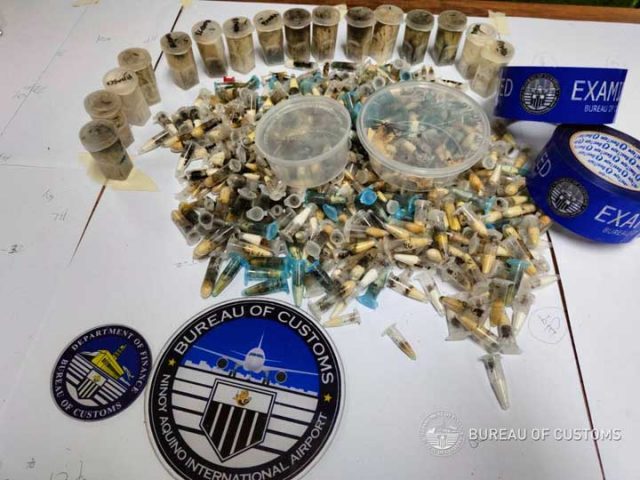
Over 800 spiders and spiderlings were found smuggled in three air postal parcels at the Central Mail Exchange Center at the Ninoy Aquino International Airport on Sept. 14.

The Bureau of Customs Port of NAIA, along with the Environmental Protection Compliance Division, found 809 spiderlings and 17 adult spiders concealed small plastic vials in packages which were supposed to contain figurines and medicine said the Customs bureau in a statement released on Friday.

The three parcels came from Poland and were addressed to residents of Pasay City, Parañaque City, and Batangas.

“The spiderlings and spiders were immediately turned over to the Department of Environment and Natural Resources Wildlife Traffic Monitoring Unit (DENR WTMU) pursuant to Customs Administrative Order No. 10-2020,” said the statement.

The DENR is building a case against the importer and co-conspirators for violation of RA 9147, aside from seizure and forfeiture proceedings “for violation of Section 1113 in relation to Section 117 and RA 9147.” The Bureau of Customs, meanwhile, “shall conduct parallel case build-up for possible prosecution of violation of Section 1401 of the CMTA (Customs Modernization and Tariff Act).”

Globe reaches 1M fiber-to-the-home lines target

Globe Telecom, Inc. has reached its target of laying one million fiber-to-the-home lines ahead of its year-end deadline. 

Part of Globe’s P70 billion in capital expenditures for the year, the fiber lines were rolled out to meet rising demand for fast internet while people work from home during the pandemic. 
 

“With rollouts in full swing, we expect to sustain the momentum until the end of the year,”  Globe Senior Vice President for Program Delivery, Network Technical Group Joel R. Agustin said. 

“All of our regional teams delivered big numbers especially in Luzon that helped reach our aspiration despite the continuing challenges of the pandemic.” 

The telco has been reaching out to Globe At Home customers connected to old facilities and plans to upgrade their lines. 

Fiber connection improves internet speed compared to copper lines. 

“Fiber provides high-speed internet allowing customers to send data at much higher bandwidths, download or upload large files faster, stream high-definition videos and webinars, and use multiple online programs to run simultaneously to name a few of its benefits and advantages,” Globe said. — Jenina P. Ibañez 

Cebu Pacific requires COVID tests for HK-bound travelers

Company handout

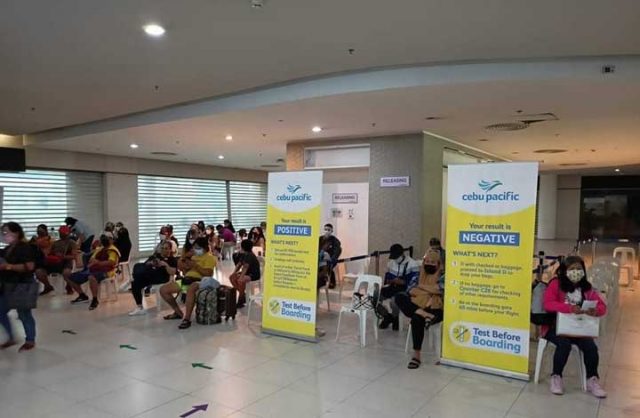
Budget carrier Cebu Pacific, operated by Cebu Air, Inc., on Friday rolled out its Test Before Boarding program for Hong Kong-bound travelers.  

This comes after Hong Kong’s 14-day ban on Cebu Pacific from transporting passengers from Manila ended on Sept. 16. Separate bans were placed on both Cebu Pacific and Philippine Airlines after some passengers tested positive for the coronavirus disease 2019 (COVID-19) upon arrival. 

Cebu Pacific will now require all passengers to be tested and receive negative results at the airport before being allowed to travel. The airline in a statement on Friday said it will shoulder the antigen test costs until Sept. 30. 

“Antigen test results will be released within 30 minutes, and only passengers with negative results may proceed to the check-in area,” the airline said.  

Passengers who are not able to take the test or those who receive a positive COVID-19 result will not be allowed to check in. Those guests may rebook, store money in a travel fund, or request for a refund. 

Antigen testing for Hong Kong-bound travelers is available from 1:30 a.m.-3:30 a.m. six times weekly. 

Passengers travelling to Hong Kong must also submit negative RT-PCR test results done within 72 hours before the scheduled departure time. — Jenina P. Ibañez 

BSP fully awards 28-day bills

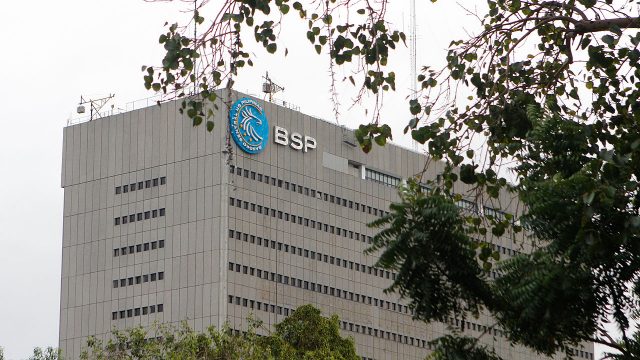
THE BANGKO SENTRAL ng Pilipinas (BSP) fully awarded its offer of short-term bills on Friday even as banks asked for higher yields following the increase in US Treasury rates ahead of the Federal Reserve’s policy review. 

The BSP raised P110 billion as programmed via its offer of 28-day bills on Friday, with tenders reaching P135.8 billion. However, the demand was lower than the P137.82 billion in bids seen last week. 

Accepted rates ranged from 1.7% to 1.74%, a slightly narrower margin compared to the 1.7% to 1.7415% band logged during the previous auction. This caused the average rate of the bills to increase by 0.09 basis point (bp) to 1.719% from the 1.7181% quoted previously. 

The BSP bills and the term deposit facility are used by the central bank to gather excess liquidity in the financial system and guide market rates.  

Rates for the BSP’s one-month bills inched up to track US Treasury yields’ ascent ahead of the Federal Open Market Committee meeting next week, Rizal Commercial Banking Corp. Chief Economist Michael L. Ricafort said. 

The yield on the 10-year US Treasuries on Thursday increased 2.9 bps to 1.333%, while the rate of the 30-year paper inched up 1.2 bps to 1.881%, Reuters reported.  

The Fed will review its policy settings on Sept. 21 to 22. The market is waiting for more hints regarding the timeline of their plan to wind down asset purchases. 

Following its July meeting, the Fed said it will keep rates low until the US economy has achieved maximum employment and inflation settles at 2% over the longer run. 

Mr. Ricafort said the higher yields sought by banks for the BSP bills reflects how the retail dollar bond (RDB) offering of the national government “siphoned off some of the excess liquidity in the financial system”. 

The Bureau of the Treasury on Wednesday raised an initial $866.2 million through its maiden sale of RDBs. It borrowed $551.8 million from the five-year notes and $314.4 million via the 10-year RDBs during the price-setting auction. — L.W.T. Noble 

DBP extends P8.5B in loans for firms’ recovery

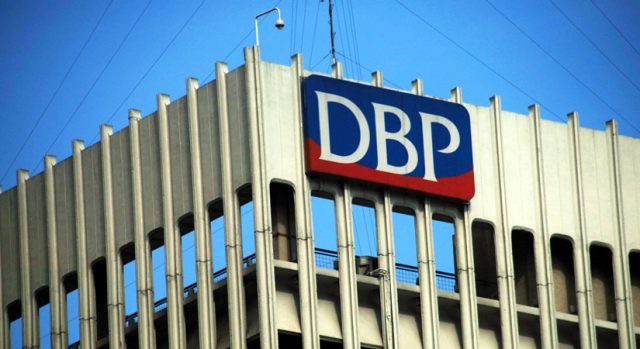
THE Development Bank of the Philippines (DBP) extended loans worth P8.5 billion in the first half of the year to support firms’ recovery from the impact of the coronavirus pandemic. 

The loans were extended to 90 firms across the country under the bank’s Rehabilitation Support Program on Severe Events (RESPONSE) and its sub-program that caters to micro-, small-, and medium-sized enterprises (MSMEs), DBP President and Chief Executive Officer Emmanuel G. Herbosa said in a statement on Friday. 

Broken down, 43% or P4.8 billion of the loans went to 30 borrowers mainly in Luzon with businesses related to accommodation and food service industries, wholesale and retail trade, public administration and defense, manufacturing, financial and insurance activities, and other service activities. 

Meanwhile, the loan program’s sub-unit catering to MSMEs extended credit worth P3.7 billion to 60 borrowers. This financed 24 projects in Mindanao, 21 in Visayas and 15 in Luzon that were focused on wholesale and retail trade, financial and insurance activities, agriculture, forestry and fishing, and accommodation and food service industries.  

“DBP is poised to provide the strategic assistance to our development partners in the business community and to fellow government institutions as they improve current systems and boost continuity programs to mitigate the impact of future crisis situations,” Mr. Herbosa said. 

The RESPONSE program of the bank caters to DBP and non-DBP borrowers affected by calamities such as typhoons, floods, drought, pest and disease infestations, earthquakes, peace and order problems, and other similar events that cause significant socio-economic damages.  

Loans granted under the program have a repayment period of up to 15 years inclusive of a three-year grace period for public borrowers and up to 10 years with a three-year grace period for private institutions. 

Meanwhile, the sub-program for MSMEs offers low interest rates and flexible terms for registered medium enterprises, including start-ups and cooperatives engaged in agri-fishery and non-essential businesses. It also includes wholesale lending to rural banks, thrift banks, microfinance-oriented banks, cooperatives and microfinance institutions, which in turn can be tapped for relending to MSMEs.  

DBP’s net income dropped 62% to P547.83 million in the first quarter from P1.455 billion a year earlier as its operating expenses climbed. 

The lender, which is the country’s designated infrastructure bank, was the sixth largest in the country in terms of assets with P1.102 trillion as of March, based on central bank data. — L.W.T. Noble 

Banking veteran Ramon Sy dies at 91

BANKING VETERAN Ramon Y. Sy passed away on Sept. 16. He was 91. 

His death was confirmed by Apex Mining Co., Inc. where he served as chairman until his death, as well as Asia United Bank Corp. (AUB), where Mr. Sy served as vice chairman and a director since March 2012.  

Mr. Sy was known for his humble beginnings as a messenger at the former Manila branch of Bank of America while attending night classes to finish his studies. He rose from the ranks and eventually became the bank’s country manager. 

AUB on Friday said Mr. Sy was instrumental in the bank’s initial public offering roadshows and public listing in 2013. 

“Mr. Sy, the AUB family is grateful for the years you have dedicated and shared with us. We have nothing but respect and admiration for you, and we will always be grateful for your mentoring and inspiration,” AUB President Manuel A. Gomez was quoted as saying. 

Mr. Sy also previously served as president and chief executive officer of the United Coconut Planters Bank and the International Exchange Bank. He was likewise with the Metropolitan Bank and Trust Corp. in the past as vice chairman. 

He obtained a Commerce degree from the Far Eastern University. He also holds a master’s degree in Business Administration from the University of the Philippines. 

Mr. Sy is survived by his wife, three children, and his grandchildren. — LWTN