Home Blog Page 5638

Closer economic ties with Taiwan – 1

BW FILE PHOTO

(First of two parts)

As the administration of President Ferdinand Marcos, Jr. tries to expertly balance our politico-economic relations with China, avoiding the extremes of the last administration, it should also try to achieve as many benefits as possible from closer economic trade and investment relations with Taiwan.

It was refreshing to hear the President say in his State of the Nation Address (SONA) that he will not budge an inch in claiming our rights in the West Philippine Seas. As Secretary of Agriculture, the President will find many opportunities to improve the productivity of our farm sector through closer cooperation with both the Taiwanese Government and Taiwanese agribusiness enterprises.

Although Taiwan is a highly industrialized country such that is already considered First World (its per capita income is about $25,00000, far above the $12,000 threshold for a high-income economy), its interest for us in our greatest challenge of attaining food security comes from the historical fact that its industrialization was preceded by a significant improvement in the productivity of its agricultural sector. We can say that it is the first economy in East Asia to attain First World status on the basis of balanced agro-industrial development. That should be the ambition of our leaders today, especially since our sitting President today also occupies the position of Secretary of Agriculture. There is still time for us in the next 10 to 20 years to become an agro-industrial power in the Indo-Pacific region. The promises made by the President to our farmers in his SONA (in excellent Tagalog) can parallel very closely what the Taiwanese Government did for their farmers to make them among the richer citizens of Taiwan.

This is not to say that Taiwan will not play an important role in helping the Philippines deepen its manufacturing sector. In fact, over the years Taiwanese firms have poured in P32.3 billion in total investments in export-oriented enterprises in economic zones registered with the Philippine Economic Zone Authority (PEZA), mainly in electric equipment and apparatus, metal products manufacturing, as well as in the real estate sector. Among the most significant investors are Kinpo Electronics (Philippines), Inc., Acbel Polytec, Inc., and Tong Hsing Electronics, Inc. Even at the height of the pandemic in 2020, Taiwanese companies such as Adapter Technology Co., Ltd. and Sunon Properties Philippines still chose to invest in the Philippines. These Taiwanese investments have created some 40,000 jobs.

It is notable that Taiwanese investments of P32.3 billion in the Philippines surpass those of mainland China, a much bigger economy, whose cumulative investments in our country reached only P24.7 billion.

The greatest lesson we can learn from Taiwan, however, is their most successful agrarian reform program during the Government of Chiang Kai-shek which came in three phases: 1.) forced reduction of land rent to 37.5% of the crop yield (instead of the previous 50%); 2.) selling of small land shares seized from the Japanese (who occupied Taiwan for some 40 years); and, 3.) finally, proper agrarian reform in 1951 (Land-to-the-Tiller Program) with a 2.9 hectare limit on the property surface area, expropriation of big landowners, and the redistribution of surplus farmland to small farmers. Most important of all, after making the small farmers the owners of their own land, the Taiwanese Government endowed them abundantly with farm-to-market roads, post-harvest facilities, irrigation systems, and all the agricultural extension and credit services needed by the small farmers to make their holdings productive enough for them to earn a comfortable living. Indeed, the Taiwanese economic success was premised on making the small farmers rich.

Thailand and Vietnam followed very faithfully the Taiwanese model of agrarian reform. The Philippines did not by grossly neglecting the infrastructure and other assistance to the small farmer that was needed to help them improve their productivity. It is heartening to note that President Marcos Jr. intends to make up for lost time in announcing all the services and benefits his government will endow to Filipino farmers. He, however, will need the full support of the business sector and civil society.

The agrarian reform program of Taiwan was so successful that between 1946 and 1976, agricultural production quintupled and continued to diversify: animal products, fruits and vegetables, which were not very prominent early on. The greatest lessons we can learn from the agricultural experience of Taiwan are in the high-value crops in which we can be self-sufficient. As agricultural productivity increased, enriching the small farmers, the farm sector was able to supply the rest of the economy with a capital sum representing 22% of the agricultural value added at the early stages, and 15% at the end, whether through taxes or, as happened at the later stages, the diversified placement of farmers’ savings. For this reason, it is safe to say that agricultural surplus played a crucial role in the constitution of industrial capital in the development of Taiwan.

Fortunately, today there is a Filipino corporation which, through a joint venture with a leading Taiwanese agribusiness firm called Known You Seed, is actively transferring modern but appropriate agribusiness technology from Taiwan to the Philippines. Put up by Filipino-Chinese entrepreneur Arsenio Barcelona, Harbest Agribusiness Corp. has been, for more than 20 years, transferring Taiwanese technology developed during the golden age of Taiwanese agriculture during the last century to Filipino farmers and agribusiness enterprises in the Philippines.

Here, let me report on a proposal called Formosa Filipina by Mr. Barcelona which intends to achieve a Taiwanese-Filipino farmers partnership in producing quality fruits in agro-industrial orchards in the Philippines.

Through several decades of research and development by the Taiwanese Agricultural Research Institute’s Tropical Fruits Research Center in Fengshan, Taiwan, as well as the enthusiastic acceptance of these improved varieties and agronomic technology by the fruit farmers themselves, the Taiwanese consumers have been blessed with year-round supply of fresh quality fruits. A visit to fruit stalls in Taiwan would immediately reveal that 95% of the fruits being sold are grown locally. This is in stark contrast with what we see in Philippine supermarkets in which more than 50% of fruits are imported. This is unfortunate since there is no reason why the Philippines cannot be self-sufficient in fruits. We, like Taiwan, can produce abundant supplies of mangoes, atemoya (atis or sugar-apple), jojoba, carambola (star fruit), guava, persimmon, pineapple, melon, watermelon, honeydew, papaya, loquats, lychee, bananas, oranges, pomelo, durian, longan, caimito (star apple), avocado, santol (cotton fruit) and many more. In fact, like Taiwan, we can export many of these tropical fruits to China, South Korea, and Japan. The Chinese domestic market has an almost unlimited demand for tropical fruits.

The only success stories of the Philippines as regards tropical fruits are in cavendish bananas and pineapples grown in large plantations in Mindanao. In contrast, mangoes, durian, avocado, guyabano (soursop), guava, atis, nangka (jackfruit), calamansi (local citrus), the saba and lakatan banana varieties, mangosteen, pomelo, papaya, watermelon, melon, and honeydew are grown in inefficient small farms or backyard gardens. Quality is not stable and fruits sold in supermarkets are usually of poor quality if compared with those sold in Taiwan. This technology and farm practices gap between the two economies presents an opportunity for close ties between the Philippines and Taiwan.

As pointed out by Harbest’s Mr. Barcelona, the more than 100 million strong Philippine population can become a huge market for affordable and quality fruits. He proposes a “Formosa Filipina” collaboration that will match Taiwanese agronomic and marketing skills in fruit farming with the young workforce in the Philippines, many of whom can be attracted to the entire agribusiness chain linked to fruit farming. Taiwan has clearly demonstrated that agribusiness goes much beyond farming and encompasses the whole value chain, from farming to post-harvest, to warehousing, cold storage, and the entire logistics sector, all the way to processing and retailing.

(To be continued.)


Bernardo M. Villegas has a Ph.D. in Economics from Harvard, is professor emeritus at the University of Asia and the Pacific, and a visiting professor at the IESE Business School in Barcelona, Spain. He was a member of the 1986 Constitutional Commission.


bernardo.villegas@uap.asia

A new chapter in PHL foreign relations

RAWPIXEL.COM-FREEPIK

“A friend to all and an enemy to none” was the phrase used by President Ferdinand “Bongbong” Marcos, Jr.  to define his independent foreign policy. To a large extent, this signifies continuity with reference to past presidents’ standpoint, domestically and internationally.

Change, however, lies on the dynamics involved in operationalizing the policy amid the ever-changing global environment of interconnectedness and uncertainty.

In his first State of the Nation Address, Mr. Marcos Jr. emphasized that in the pursuit of this independence, he will “not preside over any process that will abandon even a square inch of territory of the Republic of the Philippines to any foreign power.”

With regard to the West Philippine Sea issue, the credibility of the Philippines as a regional and global actor was undermined by the foreign policy direction of the past administration. It also resulted in the loss of trust in the government’s ability in protecting our territorial rights over its waters — in general, our national sovereignty.

Nevertheless, public opinion remains consistent on whether the Philippine government should assert the 2016 arbitral ruling, according to Pulse Asia. In December 2016 and at the height of the historic win, 84% of Filipinos agreed that the ruling should be asserted. In June 2022, this figure increased, with 89% of Filipinos agreeing that the Marcos Jr. administration must assert our rights over the West Philippine Sea.

In this regard, the new administration has already made strategic steps in committing to protecting the West Philippine Sea.

Mr. Marcos Jr.’s appointments in the Department of Foreign Affairs (DFA) and Department of National Defense (DND) have signaled a more decisive government response to this issue. DFA Secretary Enrique Manalo and DND Officer-in-Charge Jose Faustino, Jr. have not only been vocal on their stand on the West Philippine Sea issue; they have also laid out their respective agenda and brought to the table their experience to build on this independent policy.

Mr. Faustino reflected, in his recently released 10-point agenda, the need to shift from an internal to an external defense posture. He has seen the development of the country’s defense credibility from the inside and has his eyes set on strengthening the Armed Forces of the Philippines (AFP) for territorial defense.

His perception is consistent with the Pulse Asia survey where 90% of Filipinos agree that investing on the capability building of the Philippine Navy and the Philippine Coast Guard is critical to protecting our territory. Key to this will be keeping the AFP Modernization Program on track to achieve external defense capability to address the different security challenges —traditional and non-traditional — emerging today and maintaining good relations with strategic partners in the region.

Mr. Manalo has also been clear regarding the finality of the 2016 arbitral ruling and that it “is no longer within the reach of denial and rebuttal.” In the same Pulse Asia survey, 84% of Filipinos agree that alliance building should be a key priority in defending the West Philippine Sea. Given the seasoned diplomatic career of Mr. Manalo, he brings to the table demonstrated skills and deep understanding of international politics and engagement with the international community.

It is in the aspect of investing to protect our marine resources in our exclusive economic zones (EEZ) that Mr. Marcos Jr. could further leverage stronger alliances and promote the country’s partnership with like-minded states.

The positive and encouraging reaction of the French Ambassador to the Philippines Michèle Boccoz to the President’s “strong” stand in protecting the country’s territory is a good case in point.

Ms. Boccoz’ commitment to further increase engagement with Manila clearly points to maritime cooperation, defense, and development. She even spelled out that France and the Philippines could enhance cooperation in maritime security or reopen discussions on possible joint patrols within the country’s EEZ.

The conduct of joint maritime patrols, the provision of modern naval equipment, and other important aspects of maritime security should be pursued.

Further, sustained engagement with France will not only consolidate 75 years of friendship and partnership, but will also broaden and bolster the country’s alliance network.

The same Pulse Asia survey says that the top-of-mind trustworthy country is still the United States of America (89%), followed by Australia and Japan, at 79% and 78% respectively. Meanwhile, the third trusted countries are Germany (69%), South Korea (65%), Great Britain (64%), Indonesia (60%), and India (51%).

Staying on course in this independent foreign policy will not be easy; the complexity of foreign policy and security issues has always been relative to the inherent level of power of a state.

In the case of the Philippines, the current administration must be able to effectively and efficiently allocate the country’s resources, in line with its policy prioritization agenda, current to long-term plan for infrastructural, institutional, and human capacity, and overall national development and security strategy.

The Marcos Jr. administration must also be strategic, responsive, and considerate to the country’s developmental needs as well as the current state of national affairs, which will serve as the basis of a clearer program for regional and international engagements.


Victor Andres “Dindo” C. Manhit is the president of the Stratbase ADR Institute.

Principles in Government Rightsizing: 5 Es and an A

PRESIDENT FERDINAND MARCOS, JR. — PHILIPPINE STAR/KRIZ JOHN ROSALES

THE FIRST State of the Nation Address of President Ferdinand Marcos, Jr. included several references to the imperatives of governance reform, specifically the need to rightsize the bureaucracy. This would be enabled by the proposed National Government Reorganization Plan (NGRP). This was not surprising — it was expected, considering that almost all Presidents since President Quezon in the 1930s up to President Rodrigo Duterte in 2017 included the imperative to reform government at the top of their agenda. All reform interventions — variously referred to as “reorganization,” “reengineering,” “reinventing,” “rationalizing,” and “rightsizing” initiatives — underscored the fundamental principles of economy, efficiency, and effectiveness.

Recall that Manuel Quezon set up the Government Survey Board in 1935. Through an Executive Order (EO), Manuel Roxas established a Reorganization Committee in 1947. Elpidio Quirino initiated the Government Survey Reorganization Commission in 1950, which became a RA 995 in 1954 when Ramon Magsaysay was President. Ferdinand Marcos issued EO 281, constituting the Presidential Commission on Reorganization in 1970. Upon the imposition of martial law in 1972, Marcos Sr. issued Presidential Decree No. 1, setting into motion the massive reorganization of the government through the Integrated Reorganization Plan (IRP).

Corazon Aquino set up the Presidential Commission on Government Reorganization in 1986. Fidel Ramos issued EO 149 in 1993 to streamline the Office of the President. President Ramos likewise described his efforts to “reengineer” and “reinvent” government, taking off from the National Performance Review of the United States during the time of Bill Clinton. Joseph Estrada reengineered the bureaucracy through EO 165 in 1999. Gloria Macapagal Arroyo issued EO 366 in 2004, calling for a Rationalization Plan. Similarly, Benigno “Noynoy” Aquino issued EO 18 in 2010 to Rationalize the Office of the President. President Duterte’s EO 1 in 2016 underscored the imperative to reengineer the Office of the President and eventually rightsize the bureaucracy. The Department of Budget and Management, under the leadership of then-Secretary Benjamin Diokno, initiated several rightsizing studies for the bureaucracy. Several scholars from the University of the Philippines were involved in these rightsizing studies. There were also accompanying legislative proposals to rightsize the bureaucracy.

It was therefore not surprising that Ferdinand Marcos, Jr. — like his predecessors — underscored the need to reform the government through a rightsizing process. Earlier on, Marcos Jr. issued EO 1 reorganizing the office of the President. In his State of the Nation Address, Marcos Jr. pointed out the urgency of putting the house in order “by rightsizing the government to enhance its institutional capacity to perform its mandate and provide better services while ensuring optimal use of resources.”

Indeed, while the goals of reforming organizations, including the government, are noble, the idea of reforming institutions — in this case, referred to as “rightsizing” — is not new. They are all premised on the fundamental management principles of efficiency, economy, and effectiveness (known as the classic 3Es on management).

The National College of Public Administration and Governance (NCPAG) at the University of the Philippines Diliman has been conducting studies on the reorganization of governance over the decades. Jose Abueva published a book on reorganization in 1969. Gonzales and Deapera provided a historical view of reorganization initiatives since the 1950s in the Philippine Journal of Public Administration (1987). UP NCPAG convened a series of fora on governance issues, including one entitled “Reinventing, Reengineering and Reorganizing the Bureaucracy in the Philippines: Why We Should Be More Hopeful,” published in the Diliman Governance Forum (2005). It was a double-edged question, expressing either that there may be hope in reorganizing the bureaucracy once more or exasperation suggesting a cynical view on reorganization. Is it going to be more of the same?

In 2018, we, together with Dr. Lizan E. Perante-Calina, pointed out the value of reorganizing the state bureaucracy to shed redundancies and eliminate wasteful use of resources. Moreover, later, in 2021, together with Maria Pilar Lorenzo, in an article published in the Global Encyclopedia for Pubic Administration, we argued that reform efforts in government should go beyond the basic principles of reorganization (effectiveness, efficiency, and economy) and suggested the need to consider the principles of equity. Ethics and accountability are needed to undergird governance reforms such as rightsizing.

Indeed, the principles undergirding the processes of reorganization and rightsizing should go beyond the traditional economy, efficiency, and effectiveness, as seen in the various government reorganization efforts since the 1950s. As commonly understood, “economy” is about determining the ideal means of achieving goals and objectives quickly and at the lowest possible cost. “Efficiency” is competently finishing tasks (programs, projects, activities) with the least time and effort. “Effectiveness” is accomplishing an organization’s goals following sound processes anchored on its overall mission, with the pertinent national and local authorities capably providing public goods.

Over the years, based on our studies and interactions with many academics and practitioners in public administration at the local, national, and global levels, we have concluded that it is equally important — and relevant — to include the principles of equity, ethics, and accountability in any public sector reform intervention. “Equity” has two dimensions: one is a preference for the poor and the vulnerable, and the other is an effort to reform governance. “Ethics” means knowing what is right from wrong. In public service, as provided for in the Code of Ethics and Accountability (RA 6713), civil servants are expected to fulfill their duties with responsibility, righteousness, honesty, and impartiality as much as possible. Finally, “accountability” (pananagutan) is about an obligation or willingness to accept responsibility — and when called for, the consequences — for such actions.

Equity has two major dimensions. Former President Ramon Magsaysay once said in the late 1950s, “those who have less in life should have more in law.” The 2030 Agenda for Sustainable Development (also the Sustainable Development Goals or SDGs) emphasizes reaching the poorest and most vulnerable. The Philippine Government has adopted a 25-year long-term vision to end poverty in the country by 2040 (Ambisyon Natin 2040). It is within this context that public sector reforms and reorganizations should be aligned to the principle of equity, more specifically in terms of addressing the needs of the poor and vulnerable, in line with the vision articulated by Magsaysay as early as the 1950s into the 2030 SDGs and our very own Ambisyon Natin 2040.

The other dimension of equity in public sector reform concerns the next generation — inter-generational equity. Rightsizing efforts are not only for the present but should consider the long-term effects of such interventions. Rightsizing efforts should not only have long-term perspectives but also should be sustainable. This, therefore, may be framed within the broader context of inter-generational equity.

Finally, public sector reforms must always be founded on the non-negotiable principles of ethics and accountability. Needless to say, graft and corruption continue to be among the biggest and longest-running challenges confronting the Philippines. All administrations have decried corruption. Despite the many reorganization interventions of all administrations, corruption remains a reality. Thus, ethics and accountability MUST be among the principles EMBEDDED in designing and implementing public sector reforms and rightsizing strategies.

As mentioned above, after Marcos Sr. imposed Martial Law, the very first decree he signed was PD 1, implementing the Integrated Reorganization Plan (IRP), which restructured the bureaucracy “to promote simplicity, economy, and efficiency in the government.” This was to be implemented by the Presidential Commission on Reorganization (PCR), which was created in 1970. It was chaired by the brilliant technocrat Armand V. Fabella. PCR’s job was to effectively coordinate all reorganization efforts from various sectors. It included key agencies such as the Department of Budget and Management and the Civil Service Commission. The UP College of Public Administration was also invited to assist the PCR.

President Marcos Jr. might lift a page from his father’s reorganization strategies by creating a Presidential Commission on Rightsizing that would shepherd the proposed NGRP. It would effectively steer, orchestrate, and integrate various rightsizing efforts emanating from all government sectors in accordance with the fundamental and time-honored principles of economy, efficiency, and effectiveness.

Nevertheless, as experience has shown, these are not enough. These have to be further reinforced by the fundamental principles of equity, ethics, and accountability. Indeed, governance reform efforts — including rightsizing the bureaucracy — have to be founded upon the 5Es and an A principles: economy, efficiency, effectiveness, equity, and ethics, and accountability.


Dr. Alex B. Brillantes, Jr. (abbrillantes@up.edu.ph) is a professor and former dean of the National College of Public Administration of the University of the Philippines and secretary general of the Eastern Regional Organization for Public Administration.

Karl Emmanuel V. Ruiz is a librarian at the UP NCPAG and a part-time researcher at the EROPA.

Regulating your online carts

TIRACHARDZ-FREEPIK

During President Ferdinand Marcos, Jr.’s first State of the Nation Address on July 25, he requested Congress to enact a legislative measure to regulate internet commercial activities to ensure that the rights of consumers who engage in online transactions are protected.

Meanwhile, the Departments of Trade and Industry, Health, Agriculture, and Environment and Natural Resources, the Intellectual Property Office of the Philippines, and the National Privacy Commission, issued Joint Administrative Order No. 22-01 (JAO 22-01) on March 4 as a stand-in while legislation is pending.

JAO 22-01 consolidated pertinent provisions relating to e-commerce from various existing laws, such as the ASEAN Online Business Code of Conduct, R.A. 4109 or the Standards Law, R.A. 9211 or the Tobacco Regulation Act of 2003, R.A. 10611 or the Food and Safety Act of 2013, R.A. 8293 or the Intellectual Property Code of the Philippines, R.A. 7394 or the Consumer Act of the Philippines, R.A. 10173 or the Data Privacy Act, and R.A. 8203 or the Special Law on Counterfeit Drugs, to name a few. The joint administrative order likewise provided for a schedule of the corresponding penalties for violation of its provisions, a procedural step-by-step guide in addressing consumer complaints, as well as a non-exhaustive listing of regulated, restricted, and prohibited goods.

Section 13 of the JAO imposes additional obligations, as well as corresponding liabilities, to e-commerce platforms and e-marketplaces. Said provision provides that e-commerce platforms such as Shopee, Lazada, and eBay, shall be treated and shall be held liable in the same manner as online sellers, merchants, and e-retailers when the latter commit any violation of the laws being implemented by the joint administrative order.

Similarly, delivery partners are made liable in the same manner as online sellers only upon notice that they are carrying or delivering restricted, prohibited, or infringing items.

In addition, these platforms are required to verify if the goods sold in their respective platforms are regulated, prohibited, original, genuine, licensed, or expired. In case of a prima facie violation of any pertinent laws or regulations committed in an online post, the concerned authorized agency is to issue a notice giving the violator a maximum period of three days to take down such a post. Failure to do so will be construed as an intentional and overt act that will aggravate the offense.

In a nutshell, this is a big leap from the current practice that consumers’ right of action for defective products or breach of contract is only against the seller and/or manufacturer. This key feature of JAO 22-01 shifts the burden on the e-commerce platform. At the pain of fines and even imprisonment, online platforms now must take on a more active seat in ensuring fair and transparent trade.

Aside from this, the proposed Internet Transaction Act (S.B. 2489) introduces features to address the growth of e-commerce. S.B. 2489 provides for the creation of an E-commerce Bureau, as well as the Online Dispute Resolution platform, an interactive website which serves as a single point of entry for consumers, online merchants and traders seeking an out-of-court resolution of disputes. S.B. 2489 likewise outlines a simplified procedure in effecting the remedies for consumers.

Under this Senate Bill, the remedy of consumers for non-conforming products is to either seek replacement/repair or proportionate price reduction. In certain instances, such as when replacement/repair is no longer possible, the aggrieved buyer may also seek termination of the contract. Consumers are also entitled to damages provided such becomes apparent within six months from receipt. For this purpose, among others, merchants are obliged to issue paper or electronic invoices or receipts for all sales. This is also in consonance with Revenue Regulations No. 8-2022 on the issuance of such e-receipts.

Consumers, however, are not entitled to repair/replacement or a price reduction when they have contributed to any ambiguity or lack of conformity with the contract or its effects. Furthermore, S.B. 2489 mandates that it shall be unlawful for consumers to cancel confirmed delivery orders of food or groceries when already paid for or in the possession of the delivery partner, to place fictitious orders, and to unreasonably shame, demean, embarrass, or humiliate online delivery partners, among others.

In any event, legislation of rules that regulate e-commerce is crucial, especially in the midst of this pandemic where most of our transactions occur online. The challenge, however, is in striking a balance between the interests of all stakeholders: consumers, sellers, online platforms, and delivery partners.

This article is for informational and educational purposes only. It is not offered and does not constitute legal advice or legal opinion.


Maribel Nicole Lopez is an associate of the Litigation and Dispute Resolution Department (LDRD) of the Angara Abello Concepcion Regala & Cruz Law Offices or ACCRALAW.

(632) 8830-8000

mdlopez@accralaw.com

Pag-IBIG Calamity Loan ready for members affected by North Luzon quake

Top executives of Pag-IBIG Fund announced on Monday (August 01) that the agency has initially allocated P3 billion in calamity loan funds for members in calamity-stricken areas, including those affected by the strong earthquake that hit North Luzon.

“Pag-IBIG Fund has allocated calamity loan funds to help affected members in Ilocos Region, Cagayan Valley and the Cordillera Administrative Region (CAR) recover from the devastation caused by last week’s earthquake. We are also working closely with our fellow government agencies, as directed by President Ferdinand Marcos, Jr., so that we can maximize our collective assets towards providing for the needs of our fellow Filipinos affected in these areas,” said newly appointed Secretary Jose Rizalino L. Acuzar of the Department of Human Settlements and Urban Development and Chairperson of 11-member Pag-IBIG Fund Board of Trustees.

Under the Pag-IBIG Calamity Loan, eligible members may borrow up to 80% of their total Pag-IBIG Savings, which consist of their monthly contributions, the counterpart employer’s contributions, and accumulated dividends earned. And in consideration of the plight of the members, the calamity loan is offered at a rate of 5.95% per annum which is the lowest rate in the market. The loan is payable over a period of up to three years, with a grace period of two months so that initial payment is due only on the third month after the loan is released. Qualified borrowers may apply for the calamity loan within 90 days from the date when an area has been declared under a state of calamity.

Meanwhile, Pag-IBIG Fund Chief Executive Officer Acmad Rizaldy P. Moti stated that the agency has deployed its mobile branch, the Lingkod Pag-IBIG On-Wheels and established offsite service desks to receive applications for calamity loans from members, as well as insurance claims from current Pag-IBIG Housing Loan borrowers whose properties may have been damaged by the tremors.

“In the wake of calamities, we are aware that our members need to have immediate access to our benefits and services. Immediately after the earthquake was felt, we deployed our mobile branch – the Lingkod Pag-IBIG-On-Wheels – to go around Ilocos Region, Cagayan Valley and the CAR and provide services where it’s needed most. In coordination with local government units, we have also set up on-the-ground service desks near evacuation areas and government centers in these regions so that members can easily access us. Our Virtual Pag-IBIG also remains ready to accept calamity loan applications online from members who have access to internet service. And, even while our own offices and personnel in earthquake-hit areas have also been affected, our branches are open and ready to receive calamity loan applications and housing loan insurance claims. Our members can be assured that during difficult times, Pag-IBIG will always be there to help them,” Moti said.


Spotlight is BusinessWorld’s sponsored section that allows advertisers to amplify their brand and connect with BusinessWorld’s audience by enabling them to publish their stories directly on the BusinessWorld Web site. For more information, send an email to online@bworldonline.com.

Join us on Viber to get more updates from BusinessWorld: https://bit.ly/3hv6bLA.

Cocolife Loans: A new support to finance and reach your dreams

Every Filipino has his own dream, some may want to build their own dream house while others may want to start and grow their own business. Regardless of what dream you have, achieving such dream entails a large expense given that it requires substantial capital and resources.

One of the means that could help defray such a large expense is through availment of a loan. To support Filipinos to attain such goals and dreams, insurance company Cocolife now offers Personal Housing Loan and Business Loan.

“As part of its belief in empowering the Filipino to help them reach their goals and dreams, and ultimately improve their lives, Cocolife is now openly investing in the Filipino through its various loan programs,” announced Jessica Joyce Santos, senior vice-president of Cocolife Loans Department.

Jessica Joyce Santos, Cocolife Loans Department senior vice-president

Cocolife is ready to support Filipinos in building their dream houses through its Personal Housing Loan. The company understands that buying or building a house could be difficult because of the prohibitive costs. Hence, its Personal Housing Loan could help finance the purchase of a house and/or lot, or the construction of a house. It also made the financing easier with its flexible payment terms of up to a maximum repayment term of 15 years.

“Through the Personal Housing Loan offering of Cocolife, Filipinos can start building their dream house today,” Ms. Santos said. “Every Filipino deserves the safety and comfort that a good house can provide. To this end, Cocolife is prepared to invest and help Filipinos build their dream house.”

Meanwhile, Cocolife is also open to working with Filipinos by supporting their businesses through financing. The company offers Business Loans that could help meet the needs of their businesses. The additional funding can be used to support their daily business operations, trading cycle, capital expenditures, big projects, and business expansion.

“Cocolife’s Business Loan offering is designed to fuel the tenacity and the business acumen of Filipinos by providing them with the support that they need to grow their businesses,” Ms. Santos said. “By offering financing options to Filipino entrepreneurs, Cocolife hopes to pave the way and provide opportunities for these entrepreneurs to jumpstart their business or take their current business to the next level.”

And as a testament to its commitment to delivering the best quality service, Cocolife provides different avenues for Filipinos to avail its loan products.

“They can learn more about our loan offerings and how to take advantage of such opportunities by visiting Cocolife’s website. They can also send a message or contact the company via email and a member of the Loans Department will get in touch with them and guide them thru the process.”, says Vice President Atty. Mike Guevarra of the Loans Department.

Cocolife’s dedicated sales agents are also ready to help. You can approach any of them at the company’s 26 branch sites and 16 alternative distribution channels nationwide.

Cocolife’s addition of such loan products to its offerings makes its financial services more holistic. As the biggest Filipino-owned stock life insurance company, Cocolife is already recognized for its wide array of financial products that are made to address various financial needs of individuals and organizational clients, with offerings that include traditional life, variable life, group life, healthcare, and investments.

“The trademark quality service provided by Cocolife is not limited anymore to providing Filipinos with the best insurance products that protect every Filipino and secure their future. Now, it also extends to providing opportunities for Filipinos to shape that future according to their dreams through its loan product offerings,” Ms. Santos said.

“We assure you that Cocolife will provide you with only the highest quality of service, as we have done for over 40 years,” Cocolife President and Chief Executive Officer Atty. Martin Loon also ensured. “It is a commitment that made us the first ISO-certified life insurance company in the Philippines.”

Backed by a more comprehensive and robust financial product portfolio, Cocolife stays true to its commitment to support Filipinos not only by covering them in times of crisis with the help of its insurance services, but also by helping them finance and reach their personal goals and dreams through its loan offerings.

To know more about how Cocolife’s Personal Housing Loan and Business Loan offerings can help you finance and achieve your goals and dreams, visit https://www.cocolife.com/products/loans/ or email loans@cocolife.com.


Spotlight is BusinessWorld’s sponsored section that allows advertisers to amplify their brand and connect with BusinessWorld’s audience by enabling them to publish their stories directly on the BusinessWorld Web site. For more information, send an email to online@bworldonline.com.

Join us on Viber to get more updates from BusinessWorld: https://bit.ly/3hv6bLA.

How a Lexus can bring out the best driver in you

The connection between man and machine is of deep significance to Lexus engineers. The result is an exhilarating drive, each and every time.

Developing a car that delivers a driving experience like no other takes years of research and development; a large team of engineers and master test drivers; as well as cutting-edge test tracks that simulate every type of road condition in the world. Rigorous testing, constant refinement, and a mission to constantly improve, are hallmarks of Lexus. Participating in prestigious international races to test new technologies also play a huge role in the evolution of Lexus as a driver-oriented luxury brand.

But what are the attributes that make a car special? What makes it fun to drive? According to Lexus’ engineers: It must respond faithfully to the driver’s intentions. For example, it must turn as soon as you turn the steering wheel. As you accelerate rapidly, the vehicle must faithfully follow your intended line. If the vehicle responds slightly better than the driver expects, this will surely turn enjoyment into delight.

On the other hand, less responsive vehicles don’t change direction right away when you turn the steering wheel. This means you need to continually pay careful attention as you drive. You can’t really enjoy driving a car like that, can you? Whether at high speed or just around town, a car that gives feedback through the steering wheel and offers direct handling is the mark of a special vehicle. This trait, combined with exceptional power delivery, is what enthusiasts look for.

When you are behind the wheel of a Lexus, driving isn’t just a task. When driving enjoyment comes naturally, holding the steering wheel, enjoying the efficient and lightning-quick automatic transmissions, and working the pedals can be elevated into an art form.

Lexus aims to not only improve on the brand’s level of refinement, but to also create vehicles that carry a unique Lexus Signature identity. This philosophy is known as the “Lexus Driving Signature” and this marks a new chapter in the evolution of the luxury brand.

What is the Lexus Driving Signature (LDS)? In its purest essence, LDS pursues linear operation that is faithful to driver’s intentions. The goal of LDS is to amplify confidence, comfort, and overall love of driving through the faithful execution of driver intentions.

The Chief Engineer for each Lexus model plays a vital role in this, of course.  He will be responsible for guiding the teams that develop vehicles to a higher standard defined by Master Driver Akio Toyoda and Lexus International President and Chief Branding Officer, Koji Sato. Another key to the development of the Lexus Driving Signature is the ShimoyamaTechnical Center Test Track—where the toughest and most challenging roads in the world have been recreated. Imagine a road course that duplicates every possible kind of on-road scenario in the world. A road where vertical changes are so severe and abrupt that finding the proper suspension damping setting is critical. In a place like this, the stability and handling of a car would be put to the test.

Enveloping drivers and passengers in another layer of protection is Lexus Safety Sense (LSS) a comprehensive suite of active safety equipment which includes a Pre-Collision System (PCS); Adaptive High Beam System; Automatic High Beam System (AHB); Lane Tracing Assist (LTA); Lane Departure Alert (LDA); and Dynamic Radar Cruise Control  (DRCC). These complement the host of comprehensive standard safety that is already found on every Lexus.

Moving forward, the evolution of driving enjoyment will not be lost in an electrified future. In fact, it might even be enhanced. ​​Lexus has already revealed a new, core Lexus Electrified technology to support the vision exemplified by the futuristic LF-30 concept car. Lexus Advanced Posture Control technology regulates the drive-power output from high-torque electric motors on all four wheels to adjust vehicle posture in tune with human sensibilities. Completely independent control of front and rear drive wheels allows appropriate provision of front-wheel drive, rear-wheel drive, and all-wheel drive, depending on the driving situation—like when tackling a sharp and slippery corner, for example. Compact and lightweight drive-power units expand freedom in vehicle packaging and are used to enable ideal driving, regardless of the road surface or conditions.

At Lexus, the connection between man and machine will only continue to become deeper, meaningful, safer, and even more exciting. Vehicle dynamics and safety will continue to evolve, and so will the art and enjoyment of driving. This is how Lexus can bring out the best driver in you.


Spotlight is BusinessWorld’s sponsored section that allows advertisers to amplify their brand and connect with BusinessWorld’s audience by enabling them to publish their stories directly on the BusinessWorld Web site. For more information, send an email to online@bworldonline.com.

Join us on Viber to get more updates from BusinessWorld: https://bit.ly/3hv6bLA.

Deloitte Philippines strengthens practice with new Partners and dedicated climate & sustainability team

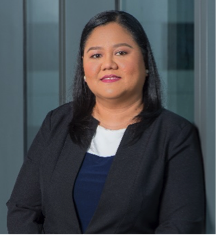
Deloitte Philippines is proud to welcome four new partners to its Audit & Assurance practice, and a new partner and a director to its Risk Advisory practice. Claire Orille, Jenny Menes, Lloyd Moraño, and Sonny Lalunio have between them a combined 70+ years of experience auditing organizations from a wide range of industries.

Claire Orille
Partner
Audit & Assurance

Orille is a homegrown talent of Deloitte Philippines, beginning her professional career with the firm as a junior auditor. Since then, she has logged extensive work auditing large, publicly listed entities and multinational companies, and specializes in working with organizations from the consumer, life sciences & health care, and energy, resources & industrials sectors.

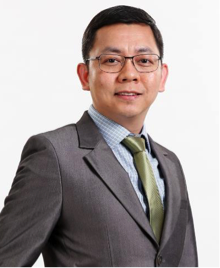
Jenny Menes
Partner
Audit & Assurance
Technical Research Group Leader

Before joining Deloitte Philippines, Menes was an auditor at Deloitte Indonesia and another Big 4 firm. She specializes in the audit of companies from the life sciences & health care, and industrial products sectors, and leads the Audit & Assurance division’s Technical Research Group, where she provides consultation advice on contentious technical issues.


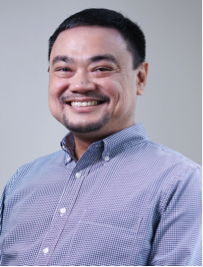
Lloyd Moraño
Partner
Audit & Assurance
DEI Leader

Like Menes, Moraño also worked as an auditor overseas with a Big 4 firm, where he held the post of Operations Head for the main office. While overseas, he gained extensive experience working with high-profile, publicly listed companies, specializing in the audit of organizations in the telecommunications, insurance, and oil & gas sectors. In addition to being an Audit Partner, Moraño takes on the role of Diversity Equity and Inclusion (DEI) Leader at Deloitte Philippines.

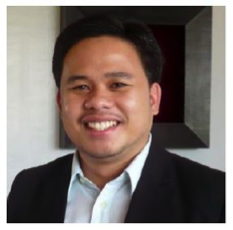
Sonny Lalunio
Partner
Audit & Assurance

Lalunio joined Deloitte Philippines from another local auditing firm where he oversaw the Audit & Assurance division’s technical standards, quality control, methodology, and training functions. He also has audit experience overseas and now specializes in auditing organizations in the following sectors: financial services, real estate, business process outsourcing, manufacturing, and not-for-profit organizations.


Deloitte Philippines also strengthened its Risk Advisory (RA) practice with the addition of a new partner – Ronald Gonzales – and the significant expansion of its Climate & Sustainability advisory team, led by Director Bonar Laureto, also under RA.

Ronald Gonzales
Partner
Risk Advisory Services
(Cybersecurity)

Gonzales joins Deloitte Philippines from one of the country’s largest and most diversified conglomerates, where he held the role of Chief Information Security Officer. He has more than two decades of experience in the areas of information risk management, enterprise risk management, security architecture, and data privacy, and has worked with organizations from a broad range of sectors including consumer goods, banking, transportation, telecommunications, manufacturing, and health care. Gonzales is certified in IT Infrastructure Library (ITIL) Foundations. He is also a Computer Hacking Forensices Investigator (CHFI), an Information Security Management System (ISMS-ISO/IEC 2700i) Certified Practitioner, and a Certified Information Security Manager (CISM).

Bonar Laureto
Director
Risk Advisory Services (Climate & Sustainability)

Recognizing the growing threat of climate change and the opportunities for organizations to be a part of the solution, Deloitte Philippines brought on board a nine-person team of professionals with a combined 50+ years of experience working in the fields of sustainability, climate change, and risk management. Led by Director Bonar Laureto, the Climate & Sustainability advisory team brings to the table specialized knowledge in areas such as ESG reporting, sustainability strategy & roadmaps, decarbonization, climate resilience, circular economy, and ocean plastics and solid waste management to partner with organizations in taking bold climate action now.

Laureto has over 17 years of experience working with multi-stakeholder groups to deliver systemic solutions addressing climate change and other sustainable development challenges. In 2019, he was a lead consultant for a project to design and pilot-test a Philippine-customized, private sector-led Extended Producers’ Responsibility (EPR) system. The output, which includes standards for methodologies and protocols for waste footprint accounting and waste diversion accounting and certification, will enable companies – particularly those that use plastic packaging – to effectively meet compliance requirements under the country’s EPR Law.

With over 345,000 people in 150 countries, Deloitte provides audit & assurance, consulting, financial advisory, risk advisory, tax and related services to public and private clients across multiple industries. These new leaders, who were elevated to their roles in the Philippine practice during a period of great disruption, signal Deloitte Philippines’ commitment to remain a trusted partner and advisor to its clients, especially during times of uncertainty. As the world steadily reopens and the Philippines digs into the hard work of recovering from the coronavirus pandemic, Deloitte Philippines is ready to meet the challenges of, and help clients thrive in, the new world of work.


Spotlight is BusinessWorld’s sponsored section that allows advertisers to amplify their brand and connect with BusinessWorld’s audience by enabling them to publish their stories directly on the BusinessWorld Web site. For more information, send an email to online@bworldonline.com.

Join us on Viber to get more updates from BusinessWorld: https://bit.ly/3hv6bLA.

‘You can’t switch off death,’ German crematorium boss warns as energy crisis looms

 – Germans more often than not choose to be cremated when they die – which would be a problem if Russia turns off the gas.

As Western sanctions heighten tensions between Europe and Moscow, the whole nation is on alert for a possible cut-off of supply by Russian state gas giant Gazprom.

Businesses, including crematoriums, are developing contingency plans to cope with rising gas costs and the risk it is unavailable at any price.

Svend-Joerk Sobolewski, Germany’s cremation consortium chairman, said in the event of any rationing, the sector should be prioritized because, without gas, most crematoriums cannot function.

“You cannot switch off death,” he said.

Of the roughly one million people who die every year in Germany, nearly three quarters are cremated, figures from Germany’s undertakers’ association show.

Compared with other European countries, that is a high percentage, Stephan Neuser, the association’s head told Reuters.

It stemmed in part, he said, from a tradition in the former east Germany, where nearly all burials were through cremation, and it continued as families that relocate and an ageing population prefer urns to graves that they would be unable to visit and maintain.

Longer term, changing from gas to electricity could be an option, but Mr. Neuser said that could not happen quickly.

In the immediate term, one possibility would be to reduce ovens’ average temperature to 750 degrees Celsius (1,382°F) from the current 850C, which could save between 10% to 20% of gas, but he said the measure needed a special permit from states’ authorities.

Crematoriums are also switching off some ovens, while keeping others running constantly, so they don’t cool down and require more gas to be reheated.

“In the event of a gas failure, we would be able to continue operating the plants that are hot … That means we could then continue to work with reduced power,” Karl-Heinz Koensgen, who manages a crematorium in Dachsenhausen, western Germany, told Reuters.

Sobolewski of Germany’s cremation consortium said the measure could reduce the amount of gas used by up to 80%, but that not all crematoriums have sufficient demand to justify the model. Cooperation across the sector could help, he said.

Germany’s environment ministry said in a statement it was working with states’ authorities on issuing guidelines for possible minimum temperature exceptions, adding they would be available in the coming weeks.

The economy ministry was not immediately available to comment. – Reuters

Biden, Putin strike conciliatory tones as nuclear arms talks start at UN

US PRESIDENT Joseph R. Biden and Russia’s President Vladimir Putin — REUTERS

 – US President Joe Biden said on Monday he is ready to pursue a new nuclear arms deal with Russia and called on Moscow to act in good faith as his Russian counterpart Vladimir Putin said there could be no winners in any nuclear war.

Both leaders issued written statements as diplomats gathered for a month-long UN conference to review the Treaty on the Non-Proliferation of Nuclear Weapons (NPT). It was supposed to have taken place in 2020, but was delayed by the COVID-19 pandemic.

“It occurs at a time of nuclear danger not seen since the height of the Cold War,” UN Secretary-General Antonio Guterres told the conference. “Humanity is just one misunderstanding, one miscalculation away from nuclear annihilation.”

He warned that crises “with nuclear undertones are festering,” citing the Middle East, North Korea and Russia’s war in Ukraine.

Within days of Russia’s Feb. 24 invasion, Mr. Putin put the country’s deterrence forces – which include nuclear arms – on high alert, citing what he called aggressive statements by NATO leaders and Western economic sanctions against Moscow.

But in a letter to participants at the NPT review conference, Mr. Putin wrote: “There can be no winners in a nuclear war and it should never be unleashed, and we stand for equal and indivisible security for all members of the world community.” Read full story

Arms control has traditionally been an area in which global progress has been possible despite wider disagreements. The UN conference takes place five months after Russia invaded Ukraine and as US-China tensions flare over Taiwan, the self-ruled island claimed by Beijing. Read full storyRead full story


TIME WASHINGTON “MADE UP ITS MIND”

Moscow and Washington last year extended their New START treaty, which caps the number of strategic nuclear warheads they can deploy and limits the land- and submarine-based missiles and bombers to deliver them, until 2026.

“My Administration is ready to expeditiously negotiate a new arms control framework to replace New START when it expires in 2026,” Mr. Biden said. “But negotiation requires a willing partner operating in good faith.”

“Russia should demonstrate that it is ready to resume work on nuclear arms control with the United States,” he said.

But Russia’s mission to the United Nations questioned if the United States was ready to negotiate, accusing Washington of withdrawing from talks with Moscow on strategic stability over the Ukraine conflict.

“It is high time Washington made up its mind, stopped rushing around, and told us frankly what it is that they want – escalate the situation in the area of international security or embark on equal negotiations,” Russia’s UN mission said in a statement.

Mr. Biden also called on China “to engage in talks that will reduce the risk of miscalculation and address destabilizing military dynamics.”

U.S. Secretary of State Antony Blinken told the U.N. conference that Washington was committed to seeking a comprehensive risk reduction package that would include secure communications channels among nuclear weapon states.

“We stand ready to work with all partners, including China and others, on risk reduction and strategic stability efforts,” he said.

Mr. Blinken also said a return to the 2015 nuclear deal remains the best outcome for the United States, Iran and the world, and again accused North Korea of preparing for a seventh nuclear test. Read full story

Japanese Prime Minister Fumio Kishida urged all nuclear states to conduct themselves “responsibly.” Kishida is from Hiroshima, which on Aug. 6, 1945, became the first city in the world to suffer a nuclear bombing. Read full story

“The world is worried that the threat of the catastrophe of use of nuclear weapons has emerged once again,” he told the conference. “It must be said that the path to a world without nuclear weapons has suddenly become even harder.” – Reuters

Polio found in New York wastewater as state urges vaccinations

 – The polio virus was present in wastewater in a New York City suburb a month before health officials there announced a confirmed case of the disease last month, state health officials said on Monday, urging residents to be sure they have been vaccinated.

The discovery of the disease from wastewater samples collected in June means the virus was present in the community before the Rockland County adult’s diagnosis was made public July 21. Read full story

The U.S. Centers for Disease Control and Prevention (CDC) said in an emailed statement that the presence of the virus in wastewater indicates there may be more people in the community shedding the virus in their stool.

However, the CDC added there have been no new cases identified, and that it is not yet clear whether the virus is actively spreading in New York or elsewhere in the United States.

Laboratory tests also confirmed the strain in the case is genetically linked to one found in Israel, although that did not mean the patient had traveled to Israel, officials added. The CDC said genetic sequencing also tied it to samples of the highly contagious and life-threatening virus in the United Kingdom.

The patient had started exhibiting symptoms in June, when local officials asked doctors to be on the lookout for cases, according to the New York Times.

“Given how quickly polio can spread, now is the time for every adult, parent, and guardian to get themselves and their children vaccinated as soon as possible,” State Health Commissioner Dr. Mary Bassett said.

There is no cure for polio, which can cause irreversible paralysis in some cases, but it can be prevented by a vaccine made available in 1955.

New York officials have said they are opening vaccine clinics to help unvaccinated residents get their shots. Inactivated polio vaccine (IPV) is the only polio vaccine that has been given in the United States since 2000, according to the CDC. It is given by shot in the leg or arm, depending on the patient’s age.

Polio is often asymptomatic and people can transmit the virus even when they do not appear sick. But it can produce mild, flu-like symptoms that can take as long as 30 days to appear, officials said.

It can strike at any age but the majority of those affected are children aged three and younger.

The New York State Department of Health told Reuters that based on available evidence, it was not able to conclude for certain whether the positive polio samples stemmed from the case identified in Rockland County.

“Certainly, when samples such as these are identified, it raises concerns about the potential of community spread – which is why it is critically important that anyone who is unvaccinated, particularly in the Rockland county area, gets vaccinated as soon as possible,” the department said.

The polio vaccine developed by Dr. Jonas Salk in the 1950s was heralded as a scientific achievement to tackle the global scourge, now largely eradicated nationwide. The United States has not seen a polio case generated in the country since 1979, although cases were found in 1993 and 2013. – Reuters

Asia posts biggest 6-month drop in FX reserves since 2015-16

JCOMP-FREEPIK

SINGAPORE – Foreign exchange reserves in Asia have recorded their biggest six-month decline in years, a testament to policymakers’ determination to defend currencies facing persistent downward pressure from a strong U.S. dollar.

Across the region, reserves fell a total of $372 billion, or 6.2%, in the first half of 2022. It was the largest percentage drop in half a year since the six months to January 2016.

Thailand led the decline with a 10.4% fall to $201.4 billion at end-June, followed by the Philippines, where reserves fell 7.3% over the same period to $100.9 billion.

India and Japan came in at about equal-third, both sliding about 7% – to $529.2 billion and $1.2 trillion, respectively, at end-June.

“Usually, actually, Asian economies aren’t that concerned about having a weaker currency, as most of them are large exporters … but the size of the moves has been pretty large and would have raised concern,” said Alex Holmes, senior economist at Oxford Economics.

“The big added factor is that most countries are now battling decade-high inflation, and that’s a problem that’s compounded by having a weaker currency.”

The Deutsche Bank Currency Volatility Index, which measures expectations for gyrations in foreign exchange, has risen more than 70% this year.

The Reserve Bank of India (RBI) has said it is prepared to draw down forex reserves further to stem any sharp, jerky depreciation of the currency.

ANZ economist and foreign exchange strategist Dhiraj Nim expects the RBI to not run down its reserves too quickly or aggressively.

“We don’t exactly know what the peak Fed funds rate will be at the end of this cycle … so I think that uncertainty means that the RBI will still have to be cautious about how to manage their FX reserve intervention policy.”

Likewise, only a more definitive tone from the Fed on peaking rates could provide other currencies in the region with some respite, and reduce the need for more significant reserve drawdowns.

“A deeper corrective pullback in the dollar is probably key to provide relief to the pressure valve,” said Christopher Wong, senior FX strategist at Maybank.

In general, Asia’s fundamentals have vastly improved since the taper tantrum of mid-2013 and the 1997 Asian financial crisis, giving policymakers some headroom to continue whittling down their reserves. But economies such as India, Thailand and the Philippines, which are running current account deficits, may prove to be more vulnerable.

Foreign investment inflows into Asia were not quite enough to cover trade deficit gaps, said Galvin Chia, emerging markets strategist at NatWest Markets.

“But in each of these cases, there isn’t quite enough of these vulnerabilities, like the gap between the foreign financing and the trade deficit, … to suggest some sort of blow up risk.”

The last time reserves for all of Asia fell more strongly in half a year, in the six months beginning August 1, 2015, Beijing spent heavily to stabilise its currency after a surprise devaluation. — Reuters