Home Blog Page 4662

Los Angeles-area hotel workers strike over wages, housing

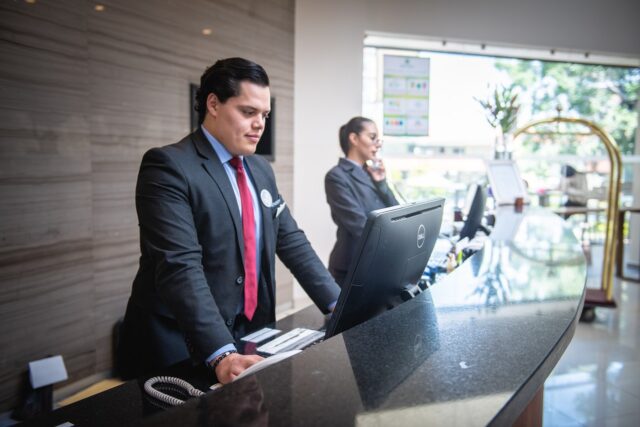
STOCK PHOTO | Image by Rodrigo Salomón Cañas from Pixabay

 – Thousands of Los Angelesarea hotel workers went on strike on Sunday demanding pay hikes and improved benefits in a region where high housing costs make it difficult for low-wage earners to live close to where they hold jobs, union officials said.

Unite Here Local 11, which represents 15,000 workers at more than 60 major hotels in Los Angeles and Orange counties, declared the strike a day after the workers‘ contract expired. It marks one of the largest strikes to hit the US hospitality industry in recent years.

The labor dispute comes during the July Fourth holiday weekend as Southern California’s busy summer travel season goes into high swing. It overlaps with a Hollywood screenwriters strike that was headed into a ninth week, already taking a toll on the Los Angeles economy and showbiz production.

Hotel workers, including housekeepers, dishwashers, cooks, waiters, bellhops and front-desk agents, struggle to afford housing in cities where they work, and many were idled during the COVID-19 pandemic while industry profits soared, the union said in a statement.

“Our members were devastated first by the pandemic and now by the greed of their bosses,” union co-president Kurt Petersen said in a statement.

An industry bargaining group representing more than 40 hotels accused the union of political posturing, pursuing the strike as an organizing tool and failing to negotiate in good faith.

Several thousand workers walked off the job starting Sunday morning at about a dozen hotels, and the numbers are expected to grow as the strike wears on, union spokesperson Maria Hernandez said.

Among the hotels targeted the first day, she said, were the InterContinental, Hotel Indigo, Millennium Biltmore and JW Marriott LA Live in downtown Los Angeles, as well as the Fairmont Miramar in Santa Monica, the Sheraton Universal in Universal City and Laguna Cliffs Marriott in Dana Point.

The industry bargaining group said its hotels would remain open with management and non-union staff filling in for striking workers.

The union reached a contract deal on Friday with the largest of its employers, the Westin Bonaventure Hotel & Suites in downtown LA, averting a strike against that property, Hernandez said.

She urged the industry’s negotiating coalition, the Coordinated Bargaining Group, “to follow the lead of the Westin Bonaventure.”


TWO SIDES FAR APART

The bargaining group was negotiating on behalf of 44 unionized hotels, with the remaining 21 expected to go along with whatever settlement is reached, according to the Los Angeles City News Service.

The union said its workers earn $20 to $25 an hour and is demanding an immediate increase of $5 an hour and an additional $3 an hour in subsequent years of the contract, plus improved healthcare and retirement benefits.

Both the union and management said the hotel group has countered by proposing wage hikes of $2.50 an hour in the first 12 months and $6.25 over four years for most workers. Wages for housekeepers in Beverly Hills and downtown Los Angeles who currently earn $25 an hour would rise 10% next year and to more than $31 by 2027, under the industry’s offer.

Unite Here also is seeking creation of a hospitality workforce housing fund, which according to management would be funded with a new 7% tax on guests staying at unionized hotels.

The union cites survey results showing 53% of hotel workers have either been forced to move in the past five years or will move in the near future due to soaring housing costs. Many workers report having to commute hours from areas where they live far outside the cities where they work, the union said.

Los Angeles has been a flashpoint for labor strife on several fronts this year, including the protracted writers strike and a three-day walkout in March by education support staff for the Los Angeles Unified School District.

The union representing 22,000 dockworkers at the ports of Los Angeles, Long Beach and other West Coast terminals reached a contract deal in June after 13 months of protracted labor talks, averting a strike that could have disrupted US supply chains. – Reuters

US presidential hopeful DeSantis criticized over ‘homophobic’ video

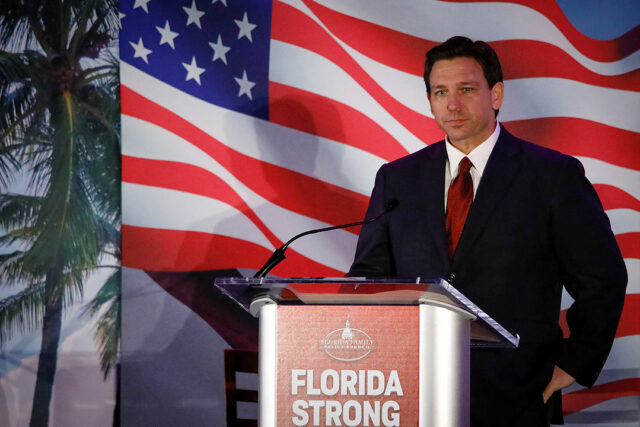
FLORIDA GOVERNOR Ron DeSantis speaks at an event in Orlando, Florida, US, May 20, 2023. — REUTERS

 – Gay Republicans criticized as “homophobic” a video posted by Republican presidential candidate Ron DeSantis‘ campaign highlighting rival Donald Trump’s past statements in support of gay rights, and the former president declined at a rally on Saturday to respond to the attack.

Florida Governor DeSantis‘ campaign posted the video on Twitter late on Friday, saying it marked the end of a month of LGBTQ+ pride celebrations.

“To wrap up Pride Month, let’s hear from the politician who did more than any other Republican to celebrate it,” the campaign said in presenting the video. It contrasted Trump’s 2016 pledge to “do everything in my power to protect our LGBTQ citizens” with Mr. DeSantis‘ own hardline conservatism regarding transgender and other LGBTQ+ rights.

It was unclear who originally produced the video, which featured a montage of muscle-bound men, bolts of electricity flying from Mr. DeSantis‘ eyes, and activists lamenting what they characterized as his efforts to restrict transgender rights.

“This is undeniably homophobic,” Richard Grenell – who was the first openly gay White House Cabinet official as acting director of national intelligence during Trump’s 2017-2021 administration – said on Twitter late on Friday.

As governor, Mr. DeSantis has backed state laws aimed at restricting medical treatment for transgender children and barring minors from attending drag shows in Florida.

His campaign did not respond on Saturday to a request for comment.

At a rally in Pickens, South Carolina, Mr. Trump did not acknowledge the broadside from the campaign for Mr. DeSantis, who trails far behind the former president in public opinion polls and is working to build support with hard-right positions on abortion, transgender rights and other issues.

Instead, Mr. Trump, over the course of an hour-long campaign speech, repeatedly criticized sporting events that have allowed transgender women to participate in women’s competitions.

“I will keep men out of women’s sports,” he vowed.

Mr. Trump pledged at the 2016 Republican National Convention to protect gay rights. But, as president, he was criticized when he banned transgender people from serving in the military and his administration proposed stripping protections for transgender people facing healthcare discrimination.

Asked on Saturday for a comment on the video, Mr. Trump’s campaign pointed to a tweet posted Friday night in which Trump adviser Jason Miller said “somebody’s getting fired” over the DeSantis campaign’s post. Miller did not elaborate.

The Log Cabin Republicans, a conservative group that advocates for gay rights, said Republicans need to stand up against “radical Left gays” but that DeSantis had gone too far.

DeSantis and his team can’t tell the difference between commonsense gays and the radical Left gays,” the group said in a tweet late on Friday, saying the presidential hopeful “has just ventured into homophobic territory.” – Reuters

Moscow says 700,000 children from Ukraine conflict zones now in Russia

YURIIKOCHUBEY-DEPOSITPHOTOS.COM

Russia has brought some 700,000 children from the conflict zones in Ukraine into Russian territory, Grigory Karasin, head of the international committee in the Federation Council, Russia’s upper house of parliament, said late on Sunday.

“In recent years, 700,000 children have found refuge with us, fleeing the bombing and shelling from the conflict areas in Ukraine,” Mr. Karasin wrote on his Telegram messaging channel.

Russia launched a full-scale invasion on its western neighbor Ukraine in February 2022. Moscow says its program of bring children from Ukraine into Russian territory is to protect orphans and children abandoned in the conflict zone.

However, Ukraine says many children have been illegally deported and the United States says thousands of children have been forcibly removed from their homes.

Most of the movement of people and children occurred in the first few months of the war and before Ukraine started its major counter offensive to regain occupied territories in the east and south in late August.

In July 2022, the United States estimated that Russia “forcibly deported” 260,000 children, while Ukraine’s Ministry of Integration of Occupied Territories, says 19,492 Ukrainian children are currently considered illegally deported. – Reuters

The biggest hospitality & manufacturing event is happening this July at the Waterfront Hotel

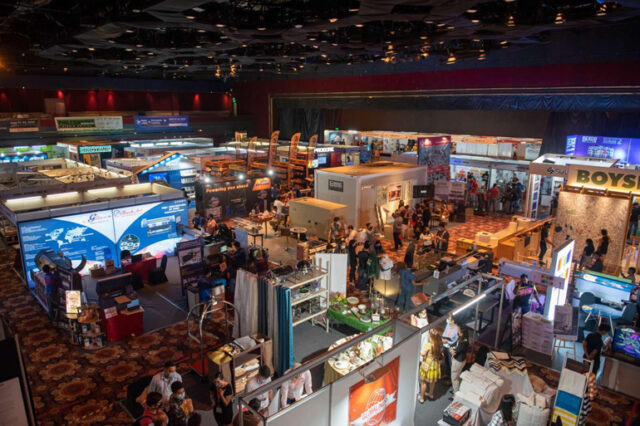
Mark your calendars for the highly anticipated VisMin Hotel & Foodservice Suppliers Show 2023, which will take place back-to-back with the VisMin Printing, Packaging & Plastics Show 2023 from July 13 to 15, 2023, at the prestigious Waterfront Cebu City Hotel & Casino in Lahug City.

VISMIN HOTEL & FOODSERVICE SUPPLIERS SHOW 2023

The VisMin Hotel & Foodservice Suppliers Show is a significant milestone in the trade show’s journey as a premier sourcing event for hotels, resorts, restaurants, and leisure establishments across the country. This year, it expanded its coverage to target the foodservice industries.

This integral event serves as a platform for showcasing the latest products and services, while also providing a valuable networking opportunity for key players in both industries to establish connections and explore potential business partnerships.

Attendees can expect an impressive array of products and services from suppliers nationwide, highlighting the latest trends and innovations in the hospitality and foodservice industries. From state-of-the-art kitchen equipment to luxurious hotel amenities, the VisMin Hotel & Foodservice Suppliers Show 2023 is a must-see event for hotel owners seeking the latest in-room amenities and restaurant managers in search of innovative menu ideas.

To secure your free access pass, register at event.hotelandfoodservicesuppliersshow.com.

VISMIN PRINTING, PACKAGING & PLASTICS SHOW 2023

Back by popular demand, the VisMin Printing, Packaging & Plastics Show 2023 returns to cater to the growing needs of the Visayas and Mindanao regions. Supported by industry leaders such as the Packaging Institute of the Philippines, the Philippine Center for Print Excellence Foundation, Inc., and the Philippine Plastics Industries Association, this comprehensive trade show aims to further the sustainable growth and global competitiveness of the domestic manufacturing industries.

The VisMin Printing, Packaging & Plastics Show brings together businesses and brands from these three industries, showcasing the latest trends, technologies, products, and services. Attendees can explore a wide range of innovative packaging solutions, cutting-edge printing equipment, and high-quality plastic products. From eco-friendly packaging materials to revolutionary printing technologies, this exhibition provides trade buyers with a glimpse into the future of these industries.

Register to get your free access pass at event.visminprintpackplas.com.

VISMIN TOURISM CONGRESS & TRAVEL SALE 2023

Also happening alongside these events is the VisMin Tourism Congress 2023, a gathering of travel experts and key players from across Visayas and Mindanao regions for insightful discussions about the tourism industry. The aim is to promote sustainable tourism management and service practices, the congress will highlight initiatives and best practices that prioritize environmental conservation and community development. Do not miss this opportunity to learn from international and local industry experts and be ready to contribute to the growth of responsible tourism in the Philippines.

For interested delegates, reserve your slot at vismintourismcongress.vx-events.com.

The Tourism Congress will be accompanied by the VISMIN Travel Sale, a much-awaited event that will bring together the leading hotels, resorts, airlines and more for an exhibition displaying the best deals, travel packages, flights, and hotel accommodations. The event being co-presented by UnionBank is set to highlight the best promotions on travel packages for both budget-friendly and luxury locations, airfare, and various other destinations. With so much to see and do, you can’t afford to miss this mega-sale event.

To attend the Travel Sale expo, register to get your free access pass at vismintravelsale.vx-events.com.

This mega trade event is organized by Global-Link MP Events International, Inc., an events and marketing agency that is a subsidiary of Singapore’s MP International Pte. Ltd. and is also a part of the Pico Group, an award-winning events and brand activation firm operating in 41 cities globally.

Global-Link MP is collaborating with the Hotel, Resort, & Restaurant Association of Cebu, Inc. (HRRACI) amongst others in staging these events.

The show hours will be from 10:30 a.m. to 6:00 p.m. on July 13 & 14, and 10:30 a.m. to 5:00 p.m. on July 15, 2023, at the Waterfront Cebu City Hotel & Casino in Lahug City.

See you there!


Spotlight is BusinessWorld’s sponsored section that allows advertisers to amplify their brand and connect with BusinessWorld’s audience by enabling them to publish their stories directly on the BusinessWorld website. For more information, send an email to online@bworldonline.com.

Join us on Viber at https://bit.ly/3hv6bLA to get more updates and subscribe to BusinessWorld’s titles and get exclusive content through www.bworld-x.com.

P&A Grant Thornton: Charting a vibrant future with new exceptional leaders

Building on its impressive legacy, P&A Grant Thornton proudly announces the appointment of its new Chairman and Managing Partner Romualdo V. Murcia III, its Vice Chairman and Deputy Managing Partner Olivier D. Aznar, and nine new partners effective July 1, 2023. These exceptional leaders bring a wealth of experience and expertise, ensuring the Firm’s continued excellence in providing audit, tax, advisory, and outsourcing. With their strategic vision and guidance, P&A Grant Thornton is poised to redefine industry standards and surpass expectations.

P&A Grant Thornton, one of the leading players in providing audit, tax, advisory, and outsourcing services in the Philippines, has established itself as a trusted partner for dynamic businesses, consistently delivering exceptional service and surpassing expectations.

Incoming Chairman and Managing Partner, Romualdo “Boyet” V. Murcia III, and Vice Chairman and Deputy Managing Partner, Atty. Olivier “Vier” D. Aznar, are set to lead P&A Grant Thornton into a new era of success. With their youthful energy, wealth of experience, and strong work ethic, they are poised to build upon the Firm’s legacy and drive it to greater heights.

Boyet, a homegrown talent of P&A Grant Thornton, has risen through the ranks, showcasing exceptional leadership skills and extensive experience in public accounting. He joined P&A Grant Thornton because he resonated with the Firm’s humble beginnings and commitment to excellence. He worked his way up from the Audit Junior position to where he is today. He is currently the National President of the Association of Certified Public Accountants in Public Practice and holds, or has held, prominent positions in other professional organizations including the national association of CPAs, the Philippine Institute of Certified Public Accountants, where he served as President of the Southern Metro Manila Chapter from 2016 to 2017. He is a member of the Philippine Chamber of Commerce and Industry and the Management Association of the Philippines.

Boyet finds satisfaction in resolving client issues and delivering high-quality work. He emphasises the importance of the auditor’s role in providing confidence to investors and the general public. He has been serving for many years as the Firm’s practice leader of the Audit and Assurance practice area and has consistently fulfilled the Firm’s vision, mission, and values while delivering effective services and nurturing high-performance staff. His expertise in auditing local and multinational companies across diverse industries, coupled with his strong educational background and achievements, make him an invaluable asset to P&A Grant Thornton’s leadership team.

Joining Boyet is Vier, also a homegrown talent, who brings a unique blend of expertise as both a certified public accountant and a lawyer. With over two decades of experience in the auditing and professional services field, Vier’s hard work and determination led him to pursue both accountancy and law. With a focus on the Firm’s tax advisory and compliance division, Vier’s deep understanding of tax-related matters and his commitment to professional development make him an ideal choice for his new crucial role, where he aims to contribute to the development of staff and the growth of the Firm. His comprehensive experience in auditing and in tax compliance and consultancy services will further enhance P&A Grant Thornton’s position as a leader in the industry.

Boyet and Vier share humble backgrounds and outstanding academic credentials, both graduating with honors in their accountancy course and both getting high ratings when they took their CPA licensure examinations, with Boyet ranking first in the October 1997 examinations and Vier 16th in October 1999. As a Firm scholar, Boyet earned his MBA degree from the Asian Institute of Management, completing the final semester of the course at the prestigious Amos Tuck School of Dartmouth College in the U.S. Vier, on the other hand, studied law and gained admission to the Philippine Bar. Both leaders further honed their skills through advanced management programs abroad, Boyet attending a course at the Wharton School of the University of Pennsylvania and Vier attending the GTI Advanced Managers Programme Series in the U.S., Germany, and India.

The Firm’s retiring Chairperson and CEO, Maria Victoria “Marivic” C. Españo, has served for 26 years, including 12 years as CEO. Alongside her, retiring Managing Partner and COO, Leonardo “Jun” D. Cuaresma Jr., has dedicated 35 years to the Firm. Both Marivic and Jun have left a lasting impact, paving the way for the new era of leadership.

With a solid foundation laid by past leaders, P&A Grant Thornton embraces a vibrant future under the guidance of its new leadership team. Additionally, the Firm proudly welcomes nine exceptional professionals as partners, further enhancing its capabilities and commitment to delivering unparalleled client service. These new partners, each possessing unique skill sets and industry knowledge, bring expertise in diverse industries. Their elevated roles within the organization reflect P&A Grant Thornton’s dedication to nurturing talent, recognising excellence, and providing innovative solutions to clients.

The new partners include Lovely Charmaine A. Villamora-Dacanay, Marie Fe L. Fawagan-Dangiwan, Mary Grace Morales-Joboco, Raymond Joey D. Mamacus, Ariel V. Morales, Atty. Paraluman Andres-Neagoe, Arman B. Neptuno, Jonavell B. Santiago, and Niccolo Ian N. Unera. Their addition to the team of partners strengthens P&A Grant Thornton’s capabilities, allowing the Firm to provide innovative solutions and strategic guidance to its valued clients. With this dynamic partnership, the Firm is well-equipped to navigate the ever-evolving business landscape and deliver exceptional value.

As P&A Grant Thornton enters a new era of leadership, blending experienced partners with fresh talent, it is excited about the future. The collaboration, synergy, and adaptability within this dynamic partnership will ensure industry leadership. With its vision and the expertise of its leaders, P&A Grant Thornton is poised to embrace a vibrant future of continued success.


Spotlight is BusinessWorld’s sponsored section that allows advertisers to amplify their brand and connect with BusinessWorld’s audience by enabling them to publish their stories directly on the BusinessWorld website. For more information, send an email to online@bworldonline.com.

Join us on Viber at https://bit.ly/3hv6bLA to get more updates and subscribe to BusinessWorld’s titles and get exclusive content through www.bworld-x.com.

Asia’s factory output slumps as weak China demand weighs

REUTERS

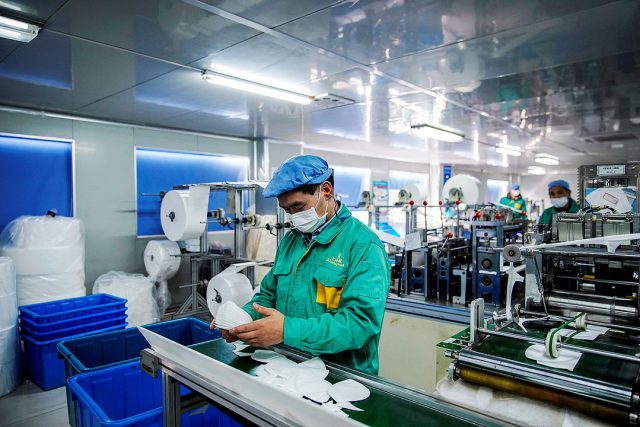
 – Asia’s factory activity slumped in June, business surveys showed on Monday, as sluggish demand in China and advanced nations clouded the outlook for the region’s exporters.

While manufacturing activity expanded marginally in China, it contracted in powerhouses Japan and South Korea as Asia’s fragile economic recovery struggled to maintain momentum.

The surveys underscore the toll China‘s weaker-than-expected rebound from COVID lockdowns is inflicting on Asia, where manufacturers are also bracing for the fallout from aggressive US and European interest rate hikes.

“The worst may have passed for Asian factories but activity lacks momentum because of diminishing prospects for a strong recovery in China‘s economy,” said Toru Nishihama, chief emerging market economist at Dai-ichi Life Research Institute.

China is dragging its feet in delivering stimulus. The US economy will likely feel the pain from big rate hikes. These factors all make Asian manufacturers gloomy about the outlook.”

China‘s Caixin/S&P Global manufacturing purchasing managers’ index (PMI) eased to 50.5 in June from 50.9 in May, the private survey showed on Monday, staying above the 50-point index mark that separates growth from contraction.

The figure, combined with Friday’s official survey that showed factory activity extending declines, adds to evidence the world’s No. 2 economy lost steam in the second quarter.

The impact is being felt in Japan where the final au Jibun Bank PMI fell to 49.8 in June, returning to a contraction after expanding in May for the first time in seven months.

New orders from overseas customers decreased in June at the fastest rate in four months reflecting feeble demand from China, the Japan PMI survey showed.

South Korea’s PMI fell to 47.8 in June, from 48.4 in May, extending its downturn to a record 12th consecutive month on weak demand in Asia and Europe.

Factory activity also contracted in Taiwan, Vietnam and Malaysia, the PMI surveys showed.

Asia’s economy is heavily reliant on the strength of China‘s economy, which saw growth rebound in the first quarter but subsequently fell short of expectations.

The fate of Asia’s economy, including China‘s, will have a huge impact on the global economy with aggressive monetary tightening to curb inflation likely to weigh on U.S. and European growth.

In forecasts released in May, the International Monetary Fund said it expects Asia’s economy to expand 4.6% this year after a 3.8% gain in 2022, contributing around 70% of global growth.

But it cut next year’s Asian growth forecast to 4.4% and warned of risks to the outlook such as stickier-than-expected inflation and slowing global demand. – Reuters

To economic development and beyond

Photo by Patrickroque01 | WIKiMEDIA COMMONS

Today marks the 30th year since the establishment of the Bangko Sentral ng Pilipinas (BSP). The BSP, like other central banks across the world, primarily aims to deliver price stability that contributes to economic growth.

But while the BSP was instituted only in 1993, central banking was already being developed in the Philippines decades prior.

Way back 60 years before the New Central Bank Act of 1993 created the BSP, some Filipinos already formed an idea of a central bank in the country. The discourse over having a central bank went on in the following years, during the Commonwealth period.

In 1939, a law was passed for the establishment of a central bank, as stipulated by the Tydings-McDuffie Act. But because of strong opposition from vested interests, it was disapproved by then-US President Franklin D. Roosevelt. Another law was passed amid the Japanese occupation in 1944, though its implementation was called off with the arrival of American liberalization forces.

A charter for a central bank was then instructed to be formulated by former president Manuel Roxas to Finance Secretary Miguel Cuaderno, Sr. in 1946. By June of 1948, Elpidio Quirino, the successor of Mr. Roxas, signed the Republic Act (RA) No. 265 or the Central Bank Act of 1948, which established the Central Bank of the Philippines (CBP).

Changes were made in the subsequent years for the charter to respond to the economy’s needs. These included the recommendations of the Joint IMF-CB Banking Survey Commission being adopted by the Presidential Decree (PD) No. 72 and the CBP’s designation as the central monetary authority through PD 1801.

In accordance with a provision in the 1987 Constitution, Former President Fidel V. Ramos signed RA 7653, or the New Central Bank Act, which took effect on July 3, 1993.

The BSP remembered that day for its establishment as an independent monetary authority. Unlike the CBP from before, the BSP has fiscal and administrative autonomy from the National Government.

As the bank maintains working on the objective of price stability through the years, the BSP provides the policy directions concerning money, banking, and credit as well as supervision of the banking sector operations.

Over its three decades of service, the central bank has implemented several frameworks, regulations, and approved guidelines for the sector.

Bangko Sentral ng Pilipinas Former Governor Felipe M. Medalla (seated center) signed a memorandum of agreement with Department of Migrant Workers (DMW) Secretary Susana V. Ople (seated left) and BDO Foundation (BDOF) President Mario A. Deriquito (seated right) for the continuation of the Pinansyal na Talino at Kaalaman (PiTaKa), a program that teaches OFWs and their families the value of saving, investing, and achieving financial stability. Also shown in the photo are: (standing from left) BSP Deputy Governor Mamerto E. Tangonan, Monetary Board Member Antonio S. Abacan, Jr., Monetary Board Member Anita Linda R. Aquino, Monetary Board Member V. Bruce J. Tolentino, Monetary Board Member Eli M. Remolona, BSP Deputy Governor Bernadette Romulo-Puyat, and BSP Deputy Governor Francisco G. Dakila, Jr. — Photo from bsp.gov.ph

Among these were the guidelines governing the issuance of e-money and the issuers’ operations in the country back in 2009. But as early as 2004, the central bank adopted the “test and learn” approach for the regulation of e-money issuers. In 2017, the central bank also approved the guidelines for Virtual Currency Exchanges.

Another objective sought by the BSP is to promote extensive and convenient access to high-quality financial services.

In 2001, the central bank adopted microfinance as a flagship program, aiming for poverty alleviation and financial inclusion. It continues to work on making financial services inclusive for Filipinos up to this day, especially with the value of financial inclusion having been underscored during the coronavirus disease 2019 (COVID-19) crisis.

The BSP is not a stranger to crisis, having faced the Asian financial crisis in 1997 and the 2008-2009 Global Financial Crisis. But in 2020, the BSP, along with every organization, began to deal with the unprecedented COVID-19 pandemic, which provoked not only a crisis in public health but also in the economy.

At the time of COVID-19, the central bank carried out various measures to do its part in mitigating the impact of the crisis. One of these measures was reducing the credit risk weights of loans given to micro, small, and medium-sized enterprises (MSMEs).

Despite the challenges of the pandemic, it also presented an opportunity for the central bank to accelerate its efforts for financial inclusion and digital transformation.

“Far from being an impediment, the pandemic has strengthened the BSP’s resolve to promote broad and convenient access to welfare-enhancing financial services for all Filipinos,” the central bank said in its 2020 Financial Inclusion Initiatives report.

The country had already released its first National Strategy for Financial Inclusion (NSFI) in 2015. To drive its implementation, Executive Order No. 208 created the Financial Inclusion Steering Committee (FISC) a year later, in which BSP is the chair. The FISC updated the NSFI in 2021, now serving as a blueprint for the period of 2022 to 2028.

Meanwhile, the BSP’s aim for a digital transformation of payments also sped up during the COVID-19 crisis.

“My goal to shift at least 50% of payment transactions into digital form has also been fast-tracked because of the pandemic. With various quarantine measures being observed and physical distancing as a norm during this time, electronic means of payment have been essential. This is evident in the substantial increase in transactions in PESONet and InstaPay, the two automated clearing houses (ACHs) formed under the National Retail Payment System (NRPS),” Benjamin E. Diokno, former governor of BSP, said in the central bank’s publication titled BSP Unbound: Central Banking and the COVID-19 Pandemic in the Philippines.

Under its Digital Payments Transformation Roadmap for 2020 to 2023, the BSP seeks to turn 50% of the total volume of retail payments into digital, as well as onboard 70% of Filipino adults to the formal financial system, thereby increasing the financially included.

“The BSP’s thrust to promote financial inclusion and digitalization of payments are mutually reinforcing: they go hand-in-hand, each enabling the other. As the BSP continues to foster the growth and development of digital payment innovations through enabling policies and regulations, it also promotes further financial inclusion. Digital payment innovations lower transaction costs and eliminate the oft-cited barriers to owning a transaction account,” the central bank stated on the roadmap.

Last March, outgoing BSP Governor Felipe M. Medalla expressed the central bank’s confidence in reaching such targets on its digital transformation roadmap this year.

Mr. Medalla shared last month that digital payments now accounted for more than 40% of the total volume of retail transactions in the country, thanks to the rise of e-wallet accounts.

Outgoing BSP Governor Felipe M. Medalla (fifth from left), Palawan Provincial Governor Victorino Dennis M. Socrates (fourth from left), and Puerto Princesa Mayor Lucilo R. Bayron (sixth from left) lead the ribbon-cutting ceremony for the central bank’s newest branch in Puerto Princesa City on June 15. According to Mr. Medalla, the BSP’s Puerto Princesa branch will further enhance access to clean banknotes and coins for Filipinos in the Mindoro, Marinduque, Romblon, and Palawan region. Also present during the inauguration were (from left) Puerto Princesa Vice-Mayor Maria Nancy M. Socrates and Monetary Board Members V. Bruce J. Tolentino, Peter B. Favila, Anita Linda R. Aquino, and Antonio S. Abacan Jr. — Photo from Bangko Sentral ng Pilipinas

Meanwhile, the central bank’s data showed that the number of banked Filipinos increased to 56% of the population in 2021 from 29% in 2019.

Digitalization and financial inclusion, along with capital market development, should  be the focus of the next governor of BSP, according to Mr. Medalla.

Monetary Board Member Eli M. Remolona is appointed as the next BSP governor and Monetary Board chairman. Commencing his term today, Mr. Remolona serves as the seventh governor since the New Central Bank Act was enacted or the BSP was established 30 years ago. — Chelsey Keith P. Ignacio

Maintaining balance amid change

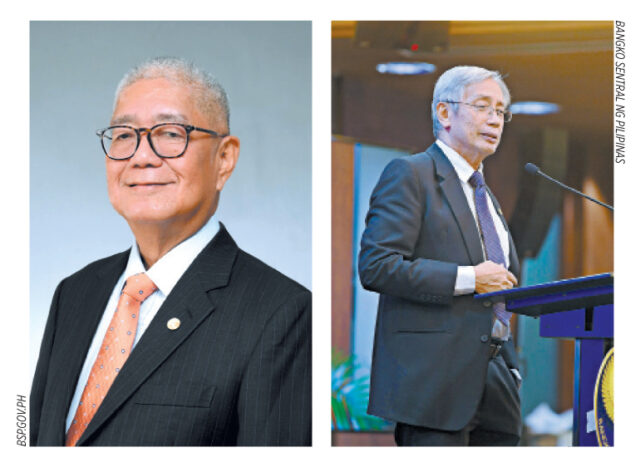
From left: Eli M. Remolona and Felipe M. Medalla

Change brings with it many challenges, especially in a difficult and unpredictable environment.

Finding strong and effective leadership in the midst of today’s turbulent economic environment is no easy feat for even the world’s most powerful governments and institutions. Financial uncertainties, such as energy security issues due to geopolitical conflict or sky-high inflation due to a myriad of other factors, compound the already difficult nature of the changeover process.

A well-balanced mix of experience, innovation, and resilience is needed to safely navigate such challenges, and delicately maintain the balance between growth and prudence.

President Ferdinand R. Marcos, Jr. had recently selected Eli M. Remolona to serve as the next governor of the Bangko Sentral ng Pilipinas (BSP) for a tenure of six years.

Starting this month, Mr. Remolona who currently sits on the seven-member policy-making Monetary Board, will take over for Felipe M. Medalla, the previous central bank governor.

“With his extensive experience and remarkable achievements in central banking, economic policy, international finance, and financial markets, Mr. Remolona brings a wealth of expertise to his new role,” the Presidential Communications Office said in a statement.

Part of this experience was a total of 33 years spent at the Federal Reserve Bank of New York and the Bank for International Settlements (BIS).

Mr. Remolona had previously replaced Mr. Medalla on the Monetary Board when Medalla was appointed governor of the central bank last year.

He was also the Chair of the Risk Management Committee and an Independent Director of the Bank of the Philippine Islands (BPI) prior to joining the BSP.

He also served as a professor of finance and the director of central banking at the Asia School of Business in Kuala Lumpur, a partnership with the MIT Sloan School of Management.

As the BIS regional director for Asia and the Pacific from 2008 to 2018, he worked closely with the 12 top central bank governors in the region to develop policy on topics like financial regulatory reform, the growth of capital markets, and financial stability. He also oversaw BIS reserve management for Asia-Pacific central banks.

It is clear that Mr. Remolona has many eyes watching his next move.

The administration of his predecessor, Mr. Medalla, has largely been responsible for steering the country away from the economic slump affecting most of the world. Mr. Medalla took over the monetary authority to complete the previous governor Benjamin Diokno’s unfinished tenure after he had left the position to assume the role of Finance Secretary.

Since then, the BSP has had to contend with skyrocketing inflation by keeping the most aggressive monetary tightening cycle in years. The key policy interest rate currently sits at 6.25%.

Fortunately, Mr. Medalla thinks that is enough. Future policy choices by the central bank, he said, will mostly be influenced by inflation statistics, which, based on current projections, is expected to return to the bank’s goal range of 2%–4% by the fourth quarter.

“We expect inflation to correct to within target or [revert to] below 4.0 percent by November or December this year,” Mr. Medalla said in a speech to Money Market Association of the Philippines.

“But even if it happens in September, it is 18 straight months of inflation being higher than 4.0 percent, which is [the upper band of] our target. [Again, that is] 18 straight months of above-target inflation.”

As of May, inflation slowed for the fourth straight month to 6.1% from 6.6% in April, but it remained above the BSP’s 2%-4% target range.

“The good thing, though, is we have not lost credibility [as an inflation-targeting central bank] because everyone knows it is [inflation is driven by] supply-side [pressures]. Everyone knows we have clearly addressed it quite aggressively,” he said.

BSP Former Governor Felipe Medalla (center) watched as Pasig City Mayor Vico Sotto (left) scanned a QR code to pay for halo-halo during the launch of the “Paleng-QR Ph Plus” in the city’s Mega Market on March 3. Over 2,000 vendors at the Pasig City Mega Market have joined the Paleng-QR Ph Plus program. — Photo from Bangko Sentral ng Pilipinas

Mr. Medalla also did much to continue Mr. Diokno’s commitment to digitizing the Philippine financial system. In the same speech, Mr. Medalla pointed out that InstaPay transaction volumes had already exceeded automated teller machine transactions.

“PESONet [transactions], sooner or later, will overtake [the volume of] checks,” he said.

“In addition, we have great dreams of making the system even better. We have our so-called Paleng-QR. The goal is [for] merchants and even transportation [operators] to be paid by means of a QR (quick response) code.”

“The vision is, you can do this wherever you are in the ASEAN (Association of Southeast Asian Nations). That one is a little further away because you have the exchange rate. Cross-border payments are generally far more complex, but that dream will probably be true in two to three years,” he said.

According to him, at least five countries in the ASEAN-5 are working on this project, including Singapore, Indonesia, Malaysia, Thailand, and the Philippines.

“We will [aim to] have a single QR for the entire system, or at least in the case of ASEAN, you have different QR systems, but they have enough commonalities to be interoperable.”

Whether Mr. Remolona can keep the momentum going, only time can tell.

Finance Secretary and Former BSP Governor Benjamin E. Diokno expressed his strong confidence in Mr. Remolona and said that he would be able to unwind BSP’s aggressive policy tightening in his tenure.

“I cannot speak for his pace. But that’s easy. Even before, we have an unwinding strategy,” Mr. Diokno said in mixed English and Filipino.

“Monetary policy is his life. I think he’ll do well. He is advising other central bankers in Asia-Pacific, he understands the nature of the job.”

The appointment of Mr. Remolona as the new BSP director was likewise praised by the Bankers Association of the Philippines (BAP).

“The BAP looks forward to working with incoming Governor Remolona on various initiatives impacting the banking industry and its stakeholders, whether it be in the areas of financial market development, cybersecurity, or sustainability,” BAP President and BPI Chief Executive Officer Jose Teodoro K. Limcaoco said in a statement. — Bjorn Biel M. Beltran

BSP’s drive towards digitalized payments

BSP Deputy Governor Bernadette Romulo-Puyat, together with Tarlac Vice-Governor Carlito C. David, watch as Camiling Mayor Erlon C. Agustin buys chicharon from vendor Edna Cacabelos Duldulao using QR Ph during the launch of the “Paleng-QR Ph Plus” in Camiling, Tarlac on May 19. — Photo from Bangko Sentral ng Pilipinas

The economy has faced challenging years, heralded by a very disruptive pandemic. Yet, in spite of the challenges, opportunities also emerged, among them accelerating digital finance as consumers were getting more attuned to cashless transactions using online and mobile platforms.

Commonly through financial technology, or fintech, the financial sector has taken this opportunity to make the most out of digitalizing their services, which enabled both individuals and businesses to access financial services via the Internet, whether on online portals or mobile applications.

Such fruitful transformation won’t be possible without the Bangko Sentral ng Pilipinas (BSP) being at the forefront of pushing digitalization in finance, especially as a means to enable financial inclusion in the country.

“Digitalization paves the way for greater financial inclusion among our people. Increased participation in the formal financial system is critical in deepening our financial and capital markets, growing consumer confidence, and extending products and services to previously underserved markets,” Former Governor Benjamin E. Diokno was quoted in a statement.

According to the Digital Transformation Roadmap 2020-2023, the BSP aims to strengthen the country’s payment digitalization. Particularly, the central bank targets digital payments to account for 50% of all retail transactions and integrate 70% of adult Filipinos into the formal financial system by this year.

Promoting digital payments, while also providing a secure and effective digital platform for financing, has been one of BSP’s actions toward a financially inclusive society.

In line with the National Strategy for Financial Inclusion, BSP has committed itself to digitalize retail payments, achieving sustainability, and promoting inclusive digital finance. In the past few years, as banks dominated the financial systems, electronic money was on the rise, providing an easier way for Filipinos to make financial transactions easier.

According to a special report by Mr. Diokno delivered in an event called “Ulat ng BSP sa Bayan” in 2021, digital financing, such as digital payments and digital transactions, has significantly grown and surged to record levels in the Philippines, allowing people to access financial services in the comfort of their homes.

“At the height of mobility restrictions, enterprises explored new digital approaches to keep their heads above water. Specifically, the rapid adoption of digital payments has facilitated the growth of e-commerce and propelled the shift to a more cash-lite economy,” Mr. Diokno stated.

More recently, according to outgoing Governor Felipe M. Medalla, who succeeded Mr. Diokno last year and served as BSP’s governor until June, the share of digital payments in the total volume of retail transactions in the country is now above 40%.

BSP’s most recent data showed that digital payments increased from 20.1% in 2020 to 30.3% in 2021 as more Filipinos turned to digital channels because of the pandemic’s mobility restrictions.

According to BSP’s 2021 Annual Report, the central bank saw increased participation of banks in digital payment services. The sector was integrating electronic payment systems like EGov Pay and InstaPay.

Also, according to Mr. Medalla, the rise of e-wallet accounts has caused a rise to more than 40% of all retail transactions digitally; while Filipino adults who had bank accounts increased from 29% in 2019 to 60% in 2021.

Under the National Retail Payment System (NRPS), which cleared the ground for the introduction of digital payments via PESONet and InstaPay, the central bank was able to meet its goal of 20% by 2020.

As of January 2023, BSP data show that the combined value of transactions done via InstaPay and PESONet grew by 37.3% to P9.94 trillion in 2022 from P7.24 trillion in 2021. In terms of volume, transactions coursed through both automated clearing houses increased by 21% to 633.47 million last year from 523.61 million in 2021.

Aside from the uptrend in digital payments, these recent years have seen the entry of digital banks into the Philippine banking system as they are given a distinct classification to boost the sector’s delivery of financial services to consumers.

Last year, two years after the BSP released the guidelines for establishing digital banks in the country, the central bank completed issuing digital banking licenses to six banks, namely Overseas Filipino Bank, Tonik Digital Bank Inc. (Philippines), UNObank, Union Digital Bank, Inc., GOtyme Bank, and Maya Bank.

With the central bank’s aim of digitalizing retail payments, the listed digital banks are in line with the central bank’s goal of delivering digital channels for providing financial products and services.

Last year, financial products and services by these banks already reached 1.4 million transactions.

Meanwhile, according to the central bank’s 2022 annual report, the goal to strengthen financial inclusion remains stronger in the banking sector. Along with the National Strategy of Financial Inclusion (NSFI) 2022 – 2028, national policies were also implemented focusing on financial inclusion.

In particular, Executive Order No. 170, a policy on the adoption of digital payment for government disbursements and collection, requires all government entities to use digital channels for financial transactions. This digital shift is a component of the country’s economic development and one step closer to an improved and future-ready economy.

Moreover, BSP’s initiatives in improving financial inclusion include using digital payments or cashless transactions at public markets, transportation, and access to other businesses.

For instance, the use of quick response (QR) codes in businesses or to access financial services has been increasing lately, providing a digital database for monitoring purchasing methods.

Furthermore, to strengthen the advocacy for financial inclusion, BSP has been collaborating with other government units to encourage the widespread use of a transaction account for digital payment and increase consumer trust in digital financing through laws and digital literacy.

The BSP has also collaborated with its development partners to empower regulators and service providers in supporting strategic initiatives to enhance financial services for the unserved and underserved communities.

The central bank has also been extending its hand the Philippine Identification System (PhilSys), the country’s national identification system, which is seen to play a vital role in advancing the delivery of financial services and the shift to digital transformation once the program completes its goal.

“Leveraging on the efficiency, safety, and affordability of the QR technology, this regulation nears far-reaching benefits by enabling micro and small merchants to accept digital payments which were meant for well-established businesses for the longest time,” BSP’s report explained.

According to BSP’s most recent Banking Sector Outlook Survey, BSP has also increased its efforts and initiatives in addressing the risks that come with digitalizing finance, especially cybersecurity risks.

“As a regulator, we are working toward managing and reducing these risks through tough and responsive regulations. The BSP is crafting cybersecurity policies that will require banks and other financial institutions under our supervision to adopt even more robust technology risk management systems and effective cybersecurity resilience controls and measures,” Mr. Medalla explained.

BSP has been supporting laws that will enable better cybersecurity management, allowing the country to fight and reduce cybersecurity risks and threats and creating a safe and reliable digital platform for financial services.

Also, in a webinar about fintech, financial inclusion, and MSMEs last year, Mr. Diokno said that the BSP is in a stronger position to address cybersecurity issues and improve consumer safety within the digital financial system with the passage of the Financial Products and Services Consumer Protection Act.

Financial Products and Services Consumer Protection Act (RA 11765) aims to protect financial consumers and incorporate financial inclusion and promote strong governance within the sector. Furthermore, it is also targeted at strengthening the power of financial regulators, ensuring that financial consumers are correctly meeting their financial needs.

This year, on top of its agenda, the central bank is already in the works of introducing its new developments like introducing its new digital payment streams, including InstaPay Debit Pull and Request to Pay, enabling direct debit to financial consumers.

For financial inclusion, the central bank will also launch a credit risk database project, which will create a credit rating model for MSMEs.

BSP also said it will continue on advocating for supporting the passage of and the Digital Payments Bill, which seeks to promote the adoption of digital payments for financial transactions of the government and all merchants.

“I am confident with all the talent that we have in this institution that this is the year we kick things off and realize our vision — from our targets under the Digital Payments Transformation Roadmap to our sustainability objectives to our plans and process improvements for the organization,” Mr. Medalla was quoted as saying in a BusinessWorld report earlier in January. — Angela Kiara S. Brillantes


Inflation likely eased to 5.5% — poll

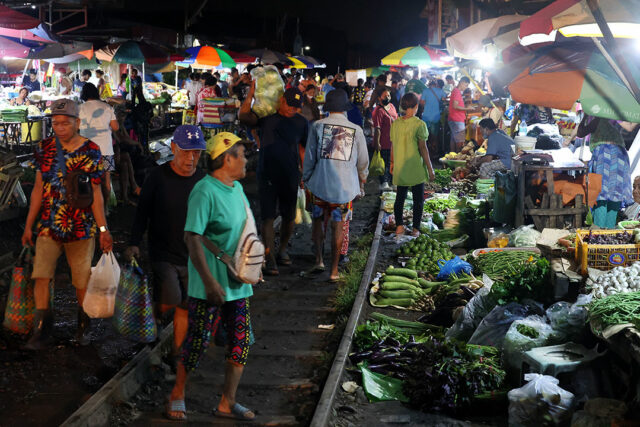
Vendors sell vegetables and other produce at a market along the Philippine National Railways (PNR) tracks in Calamba, Laguna, June 2, 2023. — PHILIPPINE STAR/MIGUEL DE GUZMAN

By Keisha B. Ta-asan, Reporter

HEADLINE INFLATION likely further slowed for a fifth straight month in June, due to stable food prices and high base effects, analysts said.

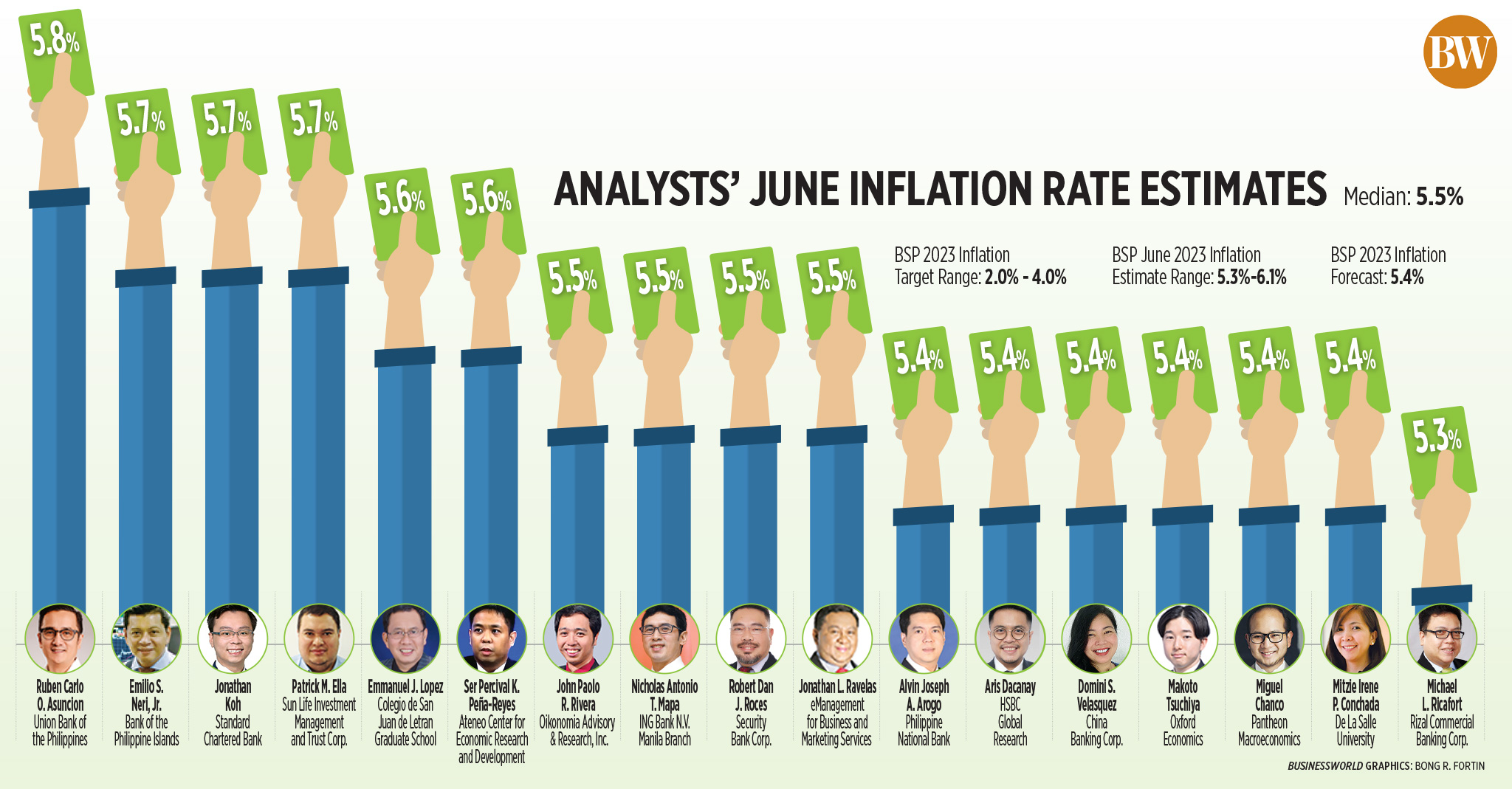
A BusinessWorld poll of 17 analysts yielded a median estimate of 5.5% for June inflation, within the 5.3% to 6.1% forecast given by the Bangko Sentral ng Pilipinas (BSP) last Friday.

If realized, the median estimate will be slower than the 6.1% print in May 2023 and June 2022. It would also be the slowest since the 5.4% in May 2022.

June would mark the fifth consecutive month of slower inflation, and the 15th straight month that inflation surpassed the BSP’s 2-4% target range.

The Philippine Statistics Authority (PSA) will report the consumer price index (CPI) data for June on July 5 (Wednesday).

Standard Chartered Bank economist Jonathan Koh said food and transport inflation may have moderated further in June due to base effects last year.

“Meat and fruit prices have continued to ease in June, while vegetable prices rose in June. Transport prices likely contracted year on year for the second consecutive month on high base effects,” he said in an e-mail.   

In June 2022, food inflation rose to 6.4%, while transport inflation accelerated 17.1% year on year.   

China Banking Corp. Chief Economist Domini S. Velasquez said inflation likely further slowed in June as prices of key food items such as meat, fish and fruits, as well as cooking gas, declined.

Fuel retailers slashed their cooking gas prices by P3.47 per liter to P6.20 per kilogram in June.

“We expect inflation to settle at 5.4% in June, as high base last year pulled down the annual figure. Although sequential growth likely picked up, it is still well below the trend seen last year. We estimate the downtrend was broad-based with both fuel and nonfuel inflation slowing,” Makoto Tsuchiya, assistant economist at Oxford Economics, said in an e-mail.

While fuel prices may have gone up month on month, Mr. Tsuchiya noted prices are much lower compared with the level a year ago.

In June alone, pump price adjustments stood at a net increase of P0.45 per liter for gasoline, P1.7 per liter for diesel, and P1.6 per liter for kerosene.   

“We also observed upward pressures from increases in vegetable and domestic pump prices as well as higher electricity rates of Manila Electric Co. (Meralco) and other regional power distributors. Rice prices have also been consistently rising since February,” Ms. Velasquez said.   

Meralco raised the overall rate for a typical household in Metro Manila by P0.4183 to P11.9112 per kilowatt-hour (kWh) in June. 

OUTLOOK
Analysts said headline inflation is largely expected to further ease to the 2-4% target range before the year ends.

However, upside risks to the inflation outlook includes the El Niño weather event and the minimum wage hike.   

“Moving forward, we expect that the monthly print of the year-on-year consumer price growth will fall below 4% in the fourth quarter of 2023. The main risk against this view is El Niño,” Philippine National Bank economist Alvin Joseph A. Arogo said in an e-mail.   

The local weather agency said the El Niño weather pattern may emerge in the next three months with an 80% probability and will likely persist until the first quarter of 2024. 

The El Niño is a fluctuating weather pattern in the area around the equator in the Pacific. The last time an El Niño weather event hit the Philippines was in 2019, with agricultural damage reaching up to P8 billion. 

ING Bank N.V. Manila Senior Economist Nicholas Antonio T. Mapa said El Niño threatens to affect agricultural output.

“A below-average performance from the agricultural sector will impact the manufacturing sector given the sizable contribution delivered by manufacture of agri-based products,” he said in an e-mail.   

For HSBC economist for ASEAN (Association of Southeast Asian Nations) Aris Dacanay, El Niño remains an upside risk.

“Nonetheless, it remains a risk and not a guarantee that inflation will rise. History shows that policy interventions in the Philippines have been successful in mitigating the impact of El Niño on food prices,” Mr. Dacanay said in an e-mail.   

Ms. Velasquez said inflation may average 5.6% in 2023, above the BSP’s 5.4% forecast.

However, she noted the recent minimum wage hike in Metro Manila has become a key risk in the inflation outlook.   

“A similar increase in the minimum wage in other regions could push up annual inflation by 0.1 percentage point to 5.7% this year. We also expect the impact of the higher minimum wage to be more pronounced in 2024 but lower-than-target inflation projection will likely soften the blow,” she said.   

On Friday, the regional wage board in the National Capital Region (NCR) approved a P40 increase in the minimum wage to P610 a day for non-agriculture workers, effective July 16.    

The Labor department said around 1.1 million minimum wage workers in NCR will benefit from the increase. 

“As to the NCR wage hike, we estimate the impact of the hike to represent an upside risk to both inflation and the policy rate outlook; a policy hike may help offset the inflationary tendency of the wage adjustments and thus the odds of an August policy action have gone up,” Security Bank Corp. Chief Economist Robert Dan J. Roces said.

The Monetary Board has extended its policy pause for a second straight meeting in June, keeping the benchmark rate at a near 16-year high of 6.25%.

Also, Ms. Velasquez said higher toll fees in some expressways may affect food prices as transport costs will likely increase.

Mr. Koh noted that inflation will likely continue to moderate in the second half of the year.

“This should allow the central bank to maintain its pause through third quarter and potentially begin cutting rates in fourth quarter,” he said.

Outgoing BSP Governor Felipe M. Medalla earlier said the BSP may keep rates on hold until third quarter this year and ruled out a rate cut this year due to uncertainty over future policy moves by the US Federal Reserve.   

The BSP sees inflation settling within the 2-4% target by September or October, and averaging at 5.4% this year, before further slowing down to 2.9% in 2024.   

“With inflation firmly on a decline, we think that the BSP will continue to stand pat even if the Fed decides to raise rates further,” Ms. Velasquez said.   

The Fed paused its tightening at its June meeting but signaled it may still raise borrowing costs this year.

“However, there is still a chance that the BSP may be forced to resume hiking if the peso depreciates excessively — which is inflationary — from a narrower interest rate differential with the Fed,” Ms. Velasquez added.   

The peso closed at a near three-month high of P55.20 versus the dollar on Friday, strengthening by 10 centavos from its previous finish, data from the Bankers Association of the Philippines’ website showed. 

The Monetary Board’s next policy meeting is on Aug. 17.

PHL remains a lower middle income economy — World Bank

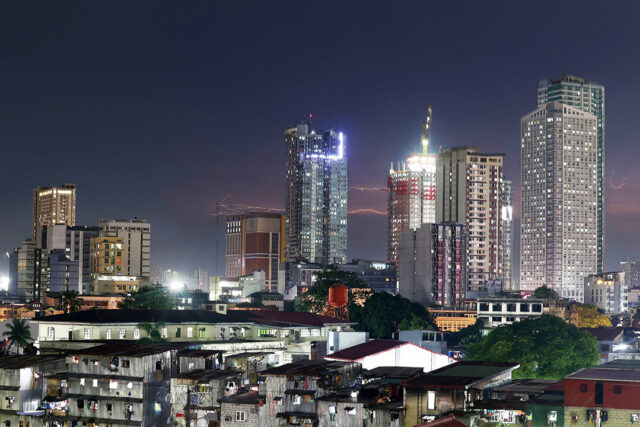
Streaks of lightning strike through the night sky behind condominium buildings in Manila, July 1, 2023. — PHILIPPINE STAR/MIGUEL DE GUZMAN

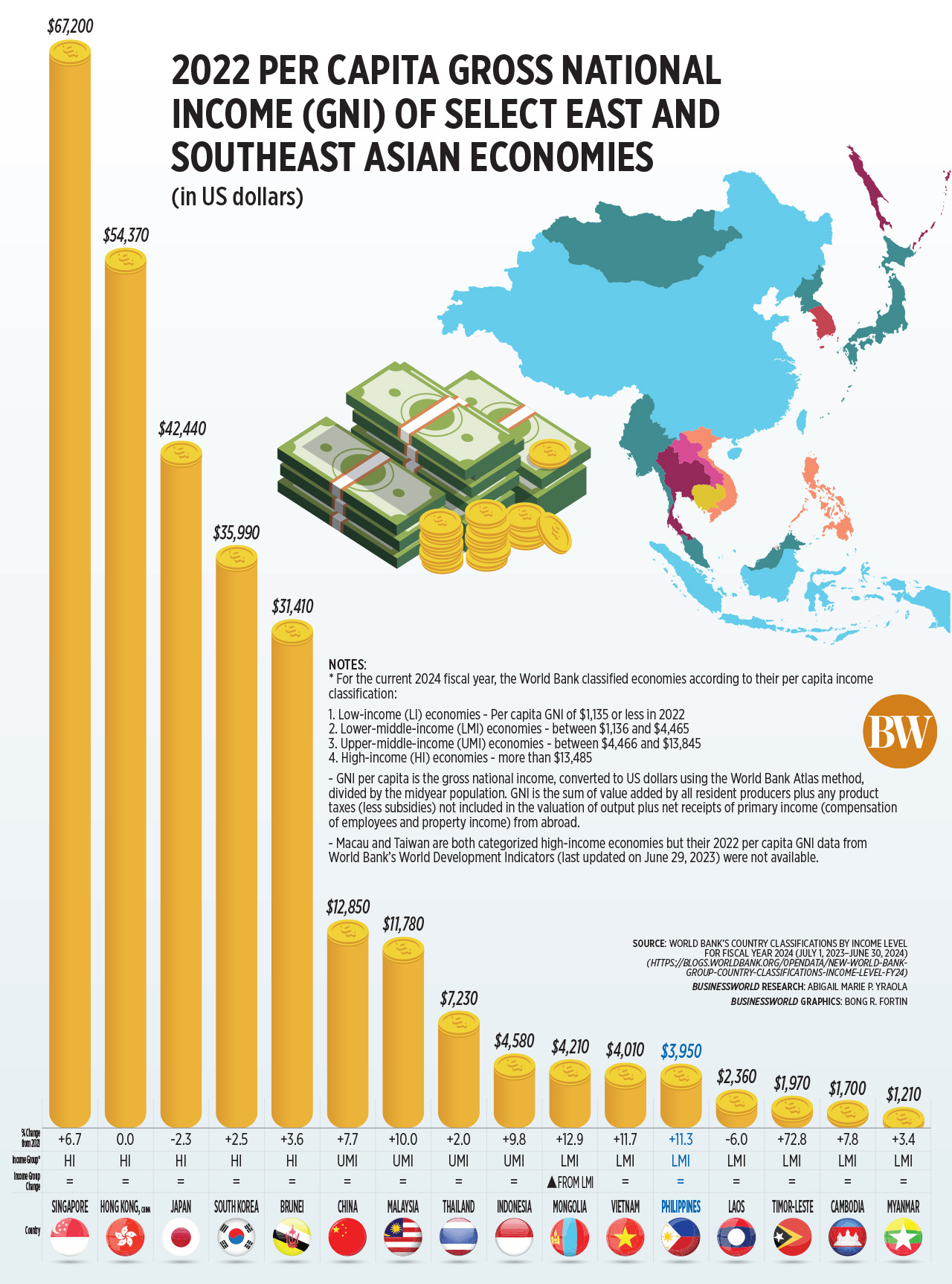
THE PHILIPPINES remained a lower middle-income economy in 2022, according to the World Bank, as its gross national income (GNI) per capita lagged behind most of its Southeast Asian neighbors.

Data posted on the multilateral lender’s website showed the Philippines’ GNI per capita increased by 11.3% to $3,950 in 2022, from $3,550 in 2021.

Despite the increase, the Philippines’ GNI per capita still fell within the World Bank’s bracket for lower middle-income economies of $1,136-$4,465. The income bracket was once again raised from $1,086-$4,255 a year ago.

The Philippines has been classified as a lower middle-income economy since 1987, which is the earliest available data from the World Bank.

In Southeast Asia, the Philippines trailed high-income economies Singapore ($67,200 GNI per capita) and Brunei ($31,410), as well as upper middle-income economies Malaysia ($11,780), Thailand ($7,230) and Indonesia ($4,580).

Aside from the Philippines, other lower middle-income economies in Southeast Asia include Vietnam ($4,010), Laos ($2,360), Timor-Leste ($1,970), Cambodia ($1,700) and Myanmar ($1,210).

The Philippine government is targeting to reach upper middle-income status by 2025. The World Bank raised the bracket for upper middle-income economies to $4,466-$13,845 GNI per capita, from $4,256-$13,205 a year ago.

Rizal Commercial Banking Corp. Chief Economist Michael L. Ricafort said a strong economic performance will help the Philippines achieve its goal to become an upper middle-income economy.

“Philippine gross domestic product (GDP) growth could normalize to around 6% in 2023 and beyond, among the fastest growing economies in Asia, with the stabilization of the GDP base,” he said in a Viber message.

The government is targeting 6-7% growth this year, slower than the 7.6% GDP expansion in 2022.

In the first quarter, the economy grew by 6.4%, slower than the revised 7.1% in the fourth quarter, and the 8% in the first quarter of 2022.

Mr. Ricafort also cited strong remittances, low unemployment, improved infrastructure spending, and the pickup in tourism as factors that will “help reduce poverty and help achieve middle-income status for the country in the coming years.”

In May, the World Bank said the country is “on track” to becoming an upper middle-income economy amid continued recovery and reforms.

The World Bank’s latest update also showed eight countries shifting income classifications. In 2022, Guyana and American Samoa moved to the high-income status, while Indonesia, El Salvador, West Bank and Gaza secured upper middle-income status. Guinea and Zambia are now classified as lower middle-income economies.

However, Jordan was the only country to move down a status. It is now considered lower middle income from its earlier status of upper middle income.

“Not surprisingly, of countries changing income categories in 2022, virtually all moved to a higher category as the recovery from the (coronavirus disease 2019) pandemic continued,” the World Bank said, adding that around 80% of countries improved their GNI per capita versus the 2019 level.

Latest data from the local statistics authority showed that the Philippines’ GNI — the sum of the nation’s GDP and net income received from overseas — rose by 9.9% in the first quarter.

This was slightly lower than the 10.5% a year ago, but higher than the 9.3% in the fourth quarter. — LMJC

May loan growth slowest in over a year

BW FILE PHOTO

BANK LENDING in May grew at its slowest pace in over a year, reflecting the impact of high interest rates, while domestic liquidity expanded by 6.6% in the same month.

Data from the Bangko Sentral ng Pilipinas (BSP) released late Friday showed outstanding loans by big banks, net of reverse repurchase (RRP) placements with the central bank, expanded by 9.4% to P10.9 trillion in May from P9.97 trillion a year ago. 

However, loan growth in May was slightly weaker than the 9.7% expansion in April. This is the slowest credit growth in 15 months or since the 8.9% print in March 2022.

Month on month, outstanding universal and commercial bank loans, net of RRPs, increased by 0.7%, the BSP said.

“The moderation in bank lending activity reflects the impact of the BSP’s cumulative policy rate adjustments,” outgoing BSP Governor Felipe M. Medalla said in a statement.

Since May 2022, the Monetary Board has raised borrowing costs by 425 basis points (bps). The key benchmark interest rate currently stands at 6.25% — the highest in nearly 16 years.

Rizal Commercial Banking Corp. Chief Economist Michael L. Ricafort attributed the weaker growth in lending to higher borrowing costs, as it became more expensive for businesses and consumers to obtain loans. This partly slowed the demand for loans, he added.

“Overall bank lending growth seems pretty modest, currently at high single digit combined with around 11.5% nominal growth for the economy pretty much reduces the probably of a sharp spike in nonperforming loans (NPLs),” Bank of the Philippine Islands (BPI) Lead Economist Emilio S. Neri, Jr. said.

Mr. Neri noted that with high interest rates, “the probability of a surge in NPLs is much lower than when rates were zero or negative.”

The latest central bank data showed the banking industry’s gross NPL ratio increased to 3.41% in April from 3.33% in March, but still lower than 3.93% a year earlier.

“In general, a positive real interest rate environment helps us avoid excessive risk-taking among lenders and borrowers,” Mr. Neri added.

Based on BSP data, outstanding loans to residents, net of RRPs, rose by 9.3% in May, slower than the 9.6% print in April.

Borrowings for production activities rose by 7.9% to P9.5 trillion in May, easing from 8.3% in the previous month.

This was driven by the faster expansion in loans for professional, scientific and technical services (53.8% in May from -40.6% in April), administrative and support services (36.3% from 34.3%), electricity, gas, steam, and air-conditioning supply (14.1% from 12.4%), and real estate activities (5.5% from 4.5%).

Slower month-on-month growth was seen in loans for manufacturing (0.6% in May from 9.4% in April), wholesale and retail trade, repair of motor vehicles and motorcycles (8.6% from 10.3%), information and communication (15.9% from 19%), and agriculture (3.7% from 4.5%)

BSP data also showed a decline in arts, entertainment, and recreation (-7.4% from 4.9 in April) and education (-6.8% from -4.7%).

Meanwhile, consumer loans to residents rose by 22.7% to P1.09 trillion, slightly easing from the 22.3% print in April.

Credit card loans jumped by 29% in May, a tad weaker from the 29.9% in April. Salary-based general purpose consumption loans also eased to 52.9% from the 56.2% in the previous month. 

Borrowings for motor vehicles expanded by 4.1%, improving from the 1.9% seen in April.

Outstanding loans to nonresidents also rose at a faster rate of 13.2% in May from the 2.2% print in the previous month.

Mr. Ricafort said measures to further reopen the economy would boost demand for loans.

“Businesses and industries can also plan better and become more decisive with new investments and expansion plans, which entail more demand for loans and other fund-raising activities,” he said.

Cooling inflation may also spur loan demand, he added, especially if the BSP begins cutting policy rates next year.

STEADY M3 GROWTH
Despite slower credit growth, domestic liquidity rose by 6.6% annually to P16.3 trillion in May, the BSP said in a separate statement.

This was unchanged from the 6.6% expansion in April. Month on month, liquidity rose by about 0.3%.

Money supply, or M3, is considered as the broadest measure of liquidity in an economy.

In May, domestic claims rose by 11.4%, slightly slower than the 11.9% logged in April.

Net borrowings of the central government expanded by 18.3% in May, easing from the revised 20.2% in April.

Net claims on the private sector grew by 9.3% in May, slower than the revised 9.8% in April.

Meanwhile, net foreign assets (NFA) rose by 2.7% in May, a turnaround from the 0.2% contraction in April.

The central bank’s NFA position grew by 4.2% from 2.5% in the previous month, while the NFA of banks declined due to higher bills payable.

“Looking ahead, the BSP will continue to ensure that domestic liquidity conditions remain consistent with the BSP’s price and financial stability objectives,” Mr. Medalla added. — Keisha B. Ta-asan