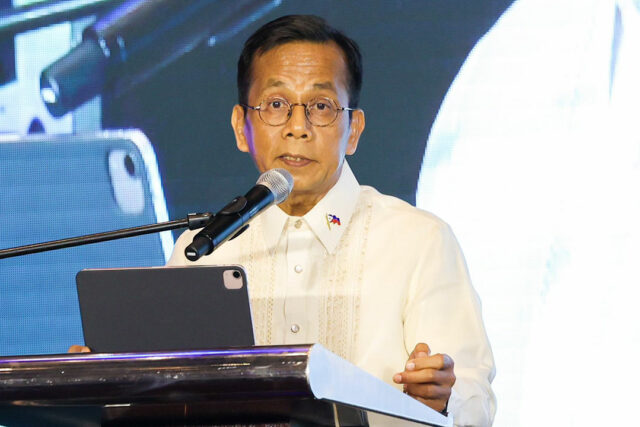
MANILA – The Philippines may have likely missed its growth target last year due to economic disruption from a spate of typhoons in the last three months of 2024, its economic planning minister said on Friday.
Arsenio Balisacan said the country may have difficulty hitting even the low end of its 6% to 6.5% gross domestic product goal.
Mr. Balisacan said farm output last month may have contracted by at least 2% in 2024 due to losses from adverse weather during the year, but inflation is expected to remain within the 2% to 4% target this year.
GDP growth slowed to 5.2% in the third quarter, its weakest in more than a year, as typhoons disrupted government spending and dampened farm output during the period. Growth in the first nine months of 2024 was 5.8%.
The Philippine statistics agency will release growth figures on Jan. 30. – Reuters
MANILA – The Philippines raised $3.29 billion from the sale of U.S. dollar and euro bonds, including sustainability-focused offerings, to help finance its budget, its treasury bureau said on Friday.
The Philippines, among Asia’s most active issuers of sovereign debt, raised $2.25 billion from the sale of 10-year bonds and 25-year sustainability bonds, and 1 billion euros ($1.04 billion) from the sale of a seven-year sustainability bond, National Treasurer Sharon Almanza said in a phone message.
Fixed-income news service IFR reported on Friday that $1.25 billion of 10-year bonds were sold at 90 basis points above comparable U.S. Treasury bonds, reflecting strong investor demand, while the $1 billion 25-year sustainability bond was priced at 101.1 basis points over the same benchmark.
The euro tranche was sold at 125 basis points above the mid-swaps rate.
On Thursday, the Bureau of the Treasury said the proceeds would be used for general budget financing, with the two sustainability tranches also used to refinance assets in line with the Philippines’ sustainable finance framework.
Citigroup, Goldman Sachs, HSBC, JP Morgan, Morgan Stanley, Standard Chartered and UBS were joint lead managers and joint bookrunners for the transaction, the bureau said. – Reuters
A TikTok logo is displayed on a smartphone in this illustration taken Jan. 6, 2020. — REUTERS
DAVOS, Switzerland – U.S. businessman Frank McCourt is open to teaming up with other buyers on a bid to take over the U.S. operations of TikTok as long as he can maintain control of the asset, he told Reuters at the Davos event on Thursday.
The billionaire declined to share details on his sources of financing, but said private equity firms and family offices have reached out to provide options.
“Capital is not the issue here. The issue here is waiting for (TikTok parent) ByteDance, or the Chinese government to make a decision about the future of U.S. TikTok,” said Mr. McCourt, who spoke on the sidelines of the World Economic Forum in Davos, Switzerland.
Mr. Trump also said this week he “would like the United States to have a 50% ownership position in a joint venture” in TikTok, and that he was open to billionaires Elon Musk or Larry Ellison, chairman of Oracle, buying the social media app.
McCourt’s Project Liberty advocacy group submitted a bid to buy the U.S. assets of TikTok in early January with plans to run the app on the group’s technology which aims to let users choose how their data will be used and shared. TikTok has sued to block the U.S. ban but the Supreme Court upheld it in a decision last week.
BIDDERS
The prospect of gaining ownership over one of the world’s most recognized video sharing platforms, or at least its U.S. audience, has drawn an increasingly long list of people and entities ranging from the world of finance, technology and entertainment.
Many in Mr. Trump’s orbit, or with close ties to the president, have been linked with TikTok ever since the U.S. ban became a possibility under the administration of President Joe Biden. Former Treasury Secretary Steven Mnuchin said in March he was building a consortium of investors to bid on TikTok.
Others who have expressed interest range from the CEO of Kingdom Holding, the investment firm of Saudi Arabia’s Prince Alwaleed Bin Talal which was previously a large investor in what was then called Twitter, to a consortium of U.S. investors including Jimmy Donaldson, better known by his online persona “MrBeast.”
But what they are actually competing to buy remains a mystery, and that is before potential bidders start to answer questions around how they will finance a deal.
Existing investors in TikTok have shown support by expressing interest to roll over partial or all stakes in a deal, according to McCourt, which potentially reduces the capital needed to pull off the purchase that could cost $20 billion without the inclusion of TikTok’s algorithm.
SUPPORT
In a meeting with the U.S. House of Representatives’ select committee on China earlier this week, McCourt and his co-bidder Kevin O’Leary received assurances that lawmakers on both sides of the U.S. political aisle are committed to ensuring a qualified divestiture.
“I came away with a very clear impression that the (U.S.) Congress was quite unified on enforcing the legislation and causing either a ban or sale of U.S. TikTok,” said Mr. McCourt.
To Mr. McCourt, who said he has never used TikTok, the most appealing assets of the app are the users, data and the brand. His bid for TikTok does not include buying the algorithm for TikTok’s recommendation system, which is at the heart of the app’s popularity.
He wants to move TikTok’s 170 million U.S. users to his own Project Liberty platform with digital infrastructure in the U.S., and expects that the migration could be completed within a year if a deal happens.
Mr. McCourt said he was flexible on financial arrangements of ownership as long as he can maintain control and move TikTok users to digital infrastructure developed by Project Liberty.
“This is not just about who will pay the most money,” he said. “This is about who can meet the very strict criteria laid out in the legislation and reaffirmed by the Supreme Court.” – Reuters
TORONTO – TD Bank said on Thursday Chief Global Anti-Money Laundering Officer Herbert Mazariegos is stepping down immediately, as the bank takes remediation actions after it was fined by U.S. regulators for compliance failures.
Mr. Mazariegos joined TD in November 2023 from Bank of Montreal, where he served as the chief anti-money laundering officer for over four years. He was hired as part of TD’s push to revamp its risk and compliance team.
Mr. Mazariegos, hired while outgoing CEO Bharat Masrani was in charge, will be replaced by Jacqueline Sanjuas, the head of U.S. financial crime risk management at TD, the bank said.
Toronto-based AML industry expert Sean Parker said TD cushioned the blow by hiring Sanjuas, who joined the bank in January 2024 and comes with two decades of experience in compliance and risk management.
Stephen Joyce, vice president of financial crime risk management transformation delivery and enablement, will take the role of interim head of financial crime risk management for TD’s Canadian and international operations, excluding the U.S.
Mr. Joyce will report to Sanjuas.
“I am confident that these changes will position Financial Crime Risk Management for success,” Chief Risk Officer Ajai Bambawale said in a memo to staff on Thursday, thanking Mazariegos for his “contributions … during a challenging time.”
Mr. Bambawale said in the memo Mazariegos’ departure was based on mutual agreement.
TD faces an asset cap and a $3-billion penalty by U.S. regulators following a probe by U.S. agencies into the lender’s anti-money laundering program that resulted in a rare quarterly loss and forced it to suspend its forecast.
The lender ran into problems with U.S. regulators for failures in its risk and compliance program that provided ground for a host of illicit activity, from fentanyl and narcotics trafficking to terrorist financing.
TD said last week that Masrani, who has taken full responsibility for the anti-money laundering failures, is stepping down in February, more than two months sooner than the previously planned date for his retirement. – Reuters
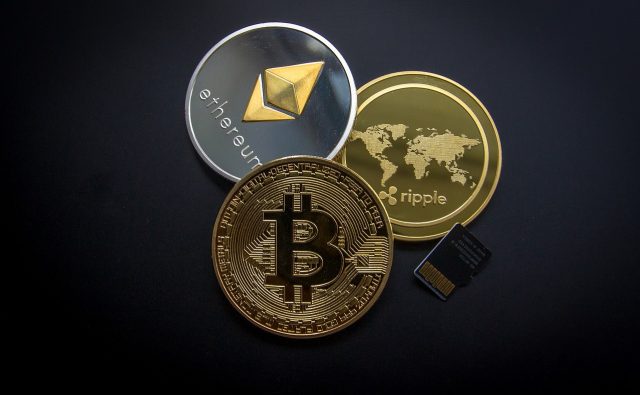
U.S. President Donald Trump on Thursday ordered the creation of a cryptocurrency working group tasked with proposing new digital asset regulations and exploring the creation of a national cryptocurrency stockpile, making good on his promise to quickly overhaul U.S. crypto policy.
The much-anticipated action also ordered that banking services for crypto companies be protected, alluding to industry claims that U.S. regulators have directed lenders to cut crypto companies off from banking services – something regulators deny. The order also banned the creation of central bank digital currencies in the U.S. which could compete with existing cryptocurrencies.
On the campaign trail, Mr. Trump courted crypto cash by pledging to be a “crypto president” and promote the adoption of digital assets. That is in stark contrast to former President Joe Biden’s regulators which, in a bid to protect Americans from fraud and money laundering, cracked down on the industry, suing exchanges Coinbase, Binance and dozens more, alleging they were flouting U.S. laws. The companies deny the allegations.
Thursday’s order was cheered by the crypto industry, which had been pushing for the new administration to send a strong signal of support in Mr. Trump’s first few days in office.
“Today’s crypto executive order marks a sea change in U.S. digital asset policy,” said Nathan McCauley, CEO and co-founder of crypto company Anchorage Digital.
“By taking a whole-of-government approach to crypto, the Administration is making a significant first step toward writing clear, consistent rules of the road.”
If implemented by the relevant regulators, Mr. Trump’s order has the potential to push cryptocurrencies into the mainstream, regulatory and crypto experts said. It follows Tuesday’s U.S. Securities and Exchange Commission announcement that it was creating a taskforce to overhaul crypto policy.
Bitcoin hit a fresh record high of $109,071 on Monday amid investor excitement over the new crypto-friendly administration, although it was down to about $103,000 as of late Thursday afternoon.
“Just days into his administration, President Trump is delivering on his promises… to keep the United States a leader in digital assets innovation,” Senator Tim Scott, the Republican chair of the Senate Banking Committee, said in a statement.
The industry has for years argued existing U.S. regulations are inappropriate for cryptocurrencies and have called for Congress and regulators to write new ones clarifying when a crypto token is a security, commodity or falls into another category.
The working group, which will include the Treasury secretary, chairs of the SEC and Commodity Futures Trading Commission, along with other agency heads, is tasked with developing a regulatory framework for digital assets, according to the order. That includes stablecoins, a type of cryptocurrency typically pegged to the U.S. dollar.
The group is also set to “evaluate the potential creation and maintenance of a national digital asset stockpile… potentially derived from cryptocurrencies lawfully seized by the Federal Government through its law enforcement efforts.”
The order did not provide further details on how such a stockpile would be set up and analysts and legal experts are divided on whether an act of Congress will be necessary. Some have argued the reserve could be created via the U.S. Treasury’s Exchange Stabilization Fund, which can be used to purchase or sell foreign currencies, and to also hold bitcoin.
In December, Mr. Trump named venture capitalist and former PayPal executive David Sacks as the crypto and artificial intelligence czar. He will chair the group, the order said. – Reuters
SEOUL – North Korea’s Supreme People’s Assembly (SPA) met over two days this week and reported on its achievements during 2024 but state media made no mention of anticipated changes to the constitution that would further cement its hostile policy towards South Korea.
KCNA state news agency did not mention either whether leader Kim Jong Un had attended the sessions, nor did it report any decisions on foreign policy including plans for its dealings with the new U.S. administration.
The assembly swore in the country’s new premier and adopted the state budget for 2025 that will raise government spending to 103.8% of last year, including to accelerate “significant change in the national defense capabilities,” KCNA said.
The report did not provide any details on defense spending plans. The assembly approved a constitutional amendment to rename its supreme court and the top prosecutors’ office, KCNA said.
The SPA session last year amended the constitution to designate South Korea as “a hostile state,” and was expected by officials and experts in the South to adopt further changes that could be followed by aggressive military moves.
In a separate KCNA dispatch, the North reported on the arrest of South Korean President Yoon Suk Yeol and the trial reviewing his impeachment, where he “babbled nonsense to try to justify his madcap actions” to declare martial law. – Reuters
PHL executives weigh in on impacts of emerging challenges for 2025
By Bjorn Biel M. Beltran, Special Features and Content Assistant Editor
The story remains promising for the Philippines’ economic narrative. But there is yet a long road ahead before the country transition into the next chapter of reaching “upper middle-income status”, and 2025 is simply the first step.
National Economic and Development Authority (NEDA) Secretary Arsenio Balisacan is confident that the Philippines would reach the official status this year. Upper middle-income countries are those economies recognized by the World Bank with gross national income per capita — in other words, the average income generated by residents inside the country as well as by Filipinos abroad — ranging between $4,516 and $14,005 for the fiscal year 2025.
Many leaders share his optimism. Frederic C. DyBuncio, SM Investments Corp. (SMIC) president and CEO, said in an interview that there are several encouraging trends that bolster the business community’s hope in the Philippines’ unimpeded growth.
“Business confidence has remained stable despite economic challenges, suggesting strong adaptability in the business sector. Companies have learned to manage foreign exchange and interest rate volatility effectively,” he said.
Jeffrey C. Lim, president of SM Prime Holdings, echoed his sentiments. “We expect the Philippine economy to continue its growth trajectory into 2025. The economic team’s GDP target of over 6.0% is attainable because of moderating inflation, strong domestic demand and robust government spending,” he said.
Building resilience amidst volatility
BW FILE PHOTO
Inflation remains a sticking point. Organizations like the Asian Development Bank maintained their projections on the Philippine economy at 6.2% for 2025, with the expansion expected to be driven by broad-based domestic demand and supported by lower inflation and interest rates. The Bangko Sentral ng Pilipinas predicts inflation this year to be at an average 3.3%.
“If inflation continues to moderate, we expect an improvement in the interest rate environment, which could benefit both businesses and consumers. Any further moderation in inflation is likely to restore consumer confidence, creating more growth opportunities in consumer-focused sectors,” Mr. DyBuncio added.
“For me, there are two things I look forward to this 2025. The first is a more stabilized inflation rate. Prices of goods have drastically increased since 2022 and continued to rise until 2024. But, hopefully, prices are now stable and spending power has slightly adjusted as well. I look forward to this so that there will be less shocks to the market and the economy can move as predicted,” Pammy Olivares-Vital, president and CEO of Ovialand, said in an interview.
“Next would definitely be political — globally the return of President Trump and locally our own local elections. This activity always triggers a boost in spending, so hopefully this will spur economic activity.”
Many global organizations like the International Monetary Fund have expressed concerns regarding the potential impact of President Donald J. Trump’s return to office on the global economy, as his proposed economic policies — which include significant tax cuts, import tariffs, deregulation, and mass deportations — could aggravate United States’ (US) inflation, disrupt global trade, and lead to labor shortages in certain sectors.
The import tariffs, in particular, could reduce global economic growth of 2.7% in 2025 by 0.3 percentage point, according to the World Bank, if America’s trading partners retaliate with tariffs of their own. This potential slowdown could have a ripple effect on emerging markets like the Philippines, influencing key factors such as foreign exchange stability and trade dynamics.
“Businesses are particularly sensitive to foreign exchange movements, and recent volatility in the peso has impacted import costs significantly. We must also monitor global monetary policy, especially decisions from the Federal Reserve, which could affect peso stability,” SMIC’s Mr. DyBuncio said.
He added that Mr. Trump’s return could bring a mix of opportunities and challenges for the country, with its strategic location and strong economic ties with the US, especially in areas such as trade.
“In terms of risks, protectionist policies could lead to trade tensions, particularly in sectors where the Philippines is dependent on US markets. The Philippines will need to adapt to this evolving political landscape while ensuring it maximizes potential bilateral advantages,” he said.
Ms. Olivares-Vital remains positive. “Regardless of some of his surprising statements, President Trump is a Republican, and his right leaning tendencies are aimed at strengthening their economy. And when the US is strong, I believe, somehow we positively benefit from it as well,” she said.
“The return of Donald Trump to the White House introduces a significant new dimension to global trade and Philippine-US relations,” Mr. Lim of SM Prime said, adding that changes in US policies could present opportunities for the Philippines to diversify its partnerships and strengthen its domestic industries and competitiveness.
“The Philippines has consistently shown resilience and adaptability in navigating changing global dynamics. I think the government will be proactive and strategic in pursuing opportunities for collaboration that enhance relationships while safeguarding our national priorities,” he said.
Bringing the Philippines onto the global stage
At this crucial juncture in the Philippines’ development, the country has the potential to become a key player in global supply chains, especially in the context of escalating trade tensions between the US and China.
The country’s natural geographic advantage places it at the crossroads of major trading routes, providing access to key markets in Asia, the Americas, and Europe, thus making it a natural hub for logistics, manufacturing, and regional trade. That is, if the country plays its cards right.
“The Philippines faces the complex task of maintaining robust trade relationships with both the US and China, its two largest trading partners,” Mr. DyBuncio pointed out. “Key sectors like electronics and manufacturing are particularly vulnerable to disruptions in US-China trade relations due to their dependence on raw materials and components from both countries.”
“Balancing trade relations with the US and China also requires strategic diplomacy and economic foresight from the government. While tensions between these global powers present risks, they also underscore the importance of diversifying markets, fostering domestic capabilities, and ensuring resilience across key sectors.”
He also noted that the Philippine government can ideally take a multifaceted approach to strengthen economic ties with the US, including enhancing bilateral trade agreements to secure favorable terms for Filipino exports and attract US investments, as well as fostering goodwill through people-to-people diplomacy by promoting cultural, educational, and tourism exchanges.
Additionally, he said that the government could address immigration and remittance-related issues by proactively safeguarding the welfare of Filipino workers abroad and ensuring the steady flow of remittances.
BW FILE PHOTO
Mr. Lim added that strengthening economic ties with the US calls for proactive and constructive diplomacy, focusing on shared priorities such as technology, education, and infrastructure development.
“Regarding immigration and remittances, monitoring potential policy changes that could affect Filipino workers and their families is essential. The government can continue to advocate for the welfare of our overseas workforce while exploring opportunities to diversify markets and enhance economic resilience,” Mr. Lim said.
As the Philippines is a primarily consumer-driven economy, keeping the country’s supply chains away from disruption is crucial for maintaining steady growth — a fact that Ms. Olivares-Vital of Ovialand can attest to.
“For me personally, the global political tensions have affected our supply chain,” she admitted.
“Global supply chains have been significantly disrupted by geopolitical tensions and the lasting effects of the pandemic, creating challenges for local businesses such as supply disruptions and rising costs,” Mr. Lim said.
“To mitigate the impact of these geopolitical risks on the Philippine economy, the government can focus on key strategies such as investing in infrastructure to improve logistics efficiency, promoting local manufacturing to reduce reliance on imports, and implementing policies that attract foreign direct investment to bolster local employment, competitiveness and economic resilience.”
Amid such a backdrop, regional cooperation becomes even more critical.
“In an era of rising global trade tensions and geopolitical uncertainties, regional cooperation through organizations like ASEAN and trade frameworks such as the Regional Comprehensive Economic Partnership (RCEP) has become increasingly vital for the Philippines,” Mr. DyBuncio said.
These agreements, he noted, can help the Philippines diversify its trade partners, stabilize exports, and promote economic integration within the region, providing a buffer against external shocks.
“Global supply chain disruptions, driven by geopolitical tensions, trade disputes, and natural disasters, are increasingly affecting local businesses in the Philippines,” he said.
Mr. Lim underscored how crucial regional cooperation was for sustained growth. Engagement through ASEAN and participation in agreements like RCEP provide the Philippines with access to broader markets, diversified trade opportunities, and collective bargaining power. Such collaboration strengthens economic stability and creates avenues for growth amid global uncertainties.
“The government can take the following measures to protect the Philippine economy: encourage localization of supply chains by supporting local industries to produce key components and reduce reliance on imports; invest in technology by enhancing digital infrastructure to improve supply chain tracking and flexibility; and foster trade agreements by building strong trade relationships with regional and international partners to buffer against global disruptions,” Mr. DyBuncio suggested.
The ultimate test of sufficiency
BW FILE PHOTO
Mr. DyBuncio further highlighted how global trade realignments could be a boon for the Philippines, while also posing significant risks.
“To position itself as an attractive investment destination, our country must focus on creating a conducive environment for businesses, leveraging its strategic location, and addressing key areas of improvements that include: improving the business environment by streamlining regulations, reducing red tape, and enhancing the ease of doing business; promoting sustainability by fostering renewable energy investments to attract foreign capital in green industries; and enhancing infrastructure through investments to improve connectivity and logistics, which can enhance overall business efficiency and support growth in both domestic and foreign investments,” he said.
In renewable energy, specifically, the Philippines has the potential to become a global powerhouse. In the 2024 Climatescope Report by BloombergNEF, the country came second behind India as the most attractive emerging market for renewable energy investments — remarkably coming ahead of mainland China. This was a climb from fourth place in 2023 and an impressive leap from 20th place in 2021.
However, growth should not be sought for growth’s sake. The country should not lose sight of what such a potential future really means. Manny V. Pangilinan, who serves as chairman and president of Metro Pacific Investments Corp. alongside his leadership roles in companies like PLDT, Smart, and Meralco, had a more nuanced view of such promising prospects.
“We view [ourselves] in the traditional perspective of delivering goods and services for a profit,” he shared. “That’s what our owners want. That’s what they demand of the stores, managers, and the business. So that’s our starting premise.”
“But beyond that, there is a larger social component dimension to our business — and that is the improvement of lives and the welfare of everybody. The ultimate test of our sufficiency as a business is really how well we have done better for our people, for our customers, and generally the people in the Philippines in terms of the job and the business that we conduct.”
“And we believe in that is what defines us. That defines our group. We have a very heavy responsibility to our people in the way we do our business.”
Mr. Pangilinan commented that Mr. Trump’s policies on reinvesting in fossil fuels like gas and coal reflected the same idea: that leaders should focus on what they believe their people need. He cited the example of what he had seen doing social work, of children being forced to forego their education sell scrap metal because of poverty.
“Sometimes I wonder whether they worry about whether the air is pure and the water is clean. They must worry more about the food on the table and shirts on their back. And whatever else are essential to human existence,” he said.
BW FILE PHOTO
Whether or not the Philippines seeks to become a global leader in renewables, or simply achieve its goal of achieving upper middle-income status this year, growth must serve the purpose of benefitting lives, first and foremost.
Speaking for SMIC, Mr. DyBuncio said, “As we look ahead to 2025, building resilience and managing risks in our sector remains a top priority. Recognizing the potential challenges posed by global economic slowdowns or recessions, we have implemented strategic measures to strengthen our position and ensure sustainability during periods of uncertainty.”
“While uncertainties remain in the global economic landscape, the SM Group’s proactive approach to risk management and resilience building positions us to navigate potential challenges. By focusing on adaptability, operational efficiency, and financial stability, we are confident in our ability to weather downturns while maintaining long-term growth.”
SM Prime’s Mr. Lim agreed, sharing their own visions of the future. “Our diversified portfolio, encompassing malls, residences, hotels and offices, allows us to manage risks associated with sector-specific downturns. We have also invested significantly in climate-adaptive and disaster-resilient infrastructure to reduce our operating costs and mitigate operational risks, while ensuring business continuity.”
“Whether it be the financial institutions managing exposure to the industry or affecting our supply chain, we need to be extra diligent in all our moves,” Ovialand’s Ms. Olivares-Vital concluded.
“When I reflect on all these extreme scenarios, I go back to one thing which is: How do we add value to the market we serve? This is a constant reminder for us to ensure that every peso we spend and every endeavor we take must have the Filipino middle-class homebuyer in mind. When the homebuyers are happy, profitability follows!”
THE PHILIPPINES on Thursday launched its offer of dual-tranche US-dollar global bonds, as well as a euro sustainability bond, marking its first foray in the international debt market this year.
In a statement, the Bureau of the Treasury (BTr) announced its 10-year and 25-year fixed-rate global bonds and seven-year euro sustainability bonds.
“This marks the Republic’s first ever EUR (euro) sustainability bond and also marks the Republic’s return to EUR bond markets since April 2021. The USD (US dollar) 25-year Global Bond and EUR 7-year will be issued under the Republic’s Sustainable Finance Framework,” the Treasury said in a statement.
National Treasurer Sharon P. Almanza said in a Viber message that the government is targeting to offer benchmark-sized bonds.
Benchmark-sized issues are typically worth at least $500 million.
The Treasury said proceeds from the sale of the 10-year dollar bonds will be used for general budget financing.
Proceeds from the 25-year dollar and seven-year euro sustainability bonds will be used to refinance assets in line with the Philippines’ Sustainable Finance Framework.
“The initial price guidance (IPG) of USD 10-year and 25-year tranches were announced at Treasuries +120 basis points (bps) area and 6.100% area respectively, while the IPG of the EUR 7-year tranche was announced at MS (mid-swap) +160 bps area,” the Treasury said.
The transaction was scheduled to be priced during the New York session on Thursday.
“With a constructive market developing over the week, we see an opportune window for the Republic to re-enter the capital markets. Our goal is to capitalize on the current market momentum to secure the most efficient cost dynamics ahead of potential uncertainties in the near future. We look forward to the continued support of our valued investors,” Ms. Almanza said in a statement.
Citigroup, Goldman Sachs, HSBC, JPMorgan, Morgan Stanley, Standard Chartered and UBS are the joint lead managers and joint bookrunners.
HSBC, StanChart and UBS are also joint sustainability structuring banks.
A trader said in a text message that demand for the global bond offering could reach up to $2 billion.
“I think this is just for refinancing of a maturing dollar bond,” the trader added.
According to Bloomberg News, the Philippines has about $1.5 billion in dollar bonds that will be due in March and €650 million in euro-denominated debt in April.
Rizal Commercial Banking Corp. Chief Economist Michael L. Ricafort said in a Viber message that the bond sale could be attractive for investors looking for higher returns as US Treasury yields are elevated.
“We expect strong demand from foreign investors who are looking to take advantage of yield pickup,” the trader likewise said.
“Thus, bids/demand from international investors could be relatively higher, thereby could still lead to lower yields/borrowing costs for the National Government,” Mr. Ricafort added.
Reyes Tacandong & Co. Senior Adviser Jonathan L. Ravelas, on the other hand, said in a Viber message that the government could raise “$3.5 billion and even up to $5 billion” from the global bonds.
“The timing could be right as the US 10-year yields are taking a breather,” he added.
Fitch Ratings has assigned the Philippines’ proposed US dollar and euro bonds with a “BBB” rating, same as its sovereign credit rating.
S&P Global Ratings also rated the bonds with a “BBB+,” which matched the Philippines’ sovereign credit rating.
Finance Secretary Ralph G. Recto said last week the Philippines is looking to raise $3.5 billion this year from the international debt market, most of which will be in dollars. — A.M.C. SywithBloomberg
The Philippine central bank projects the inflation rate to average 3.3% this year and 3.5% in 2026. — REUTERS/DADO RUVIC/ILLUSTRATION
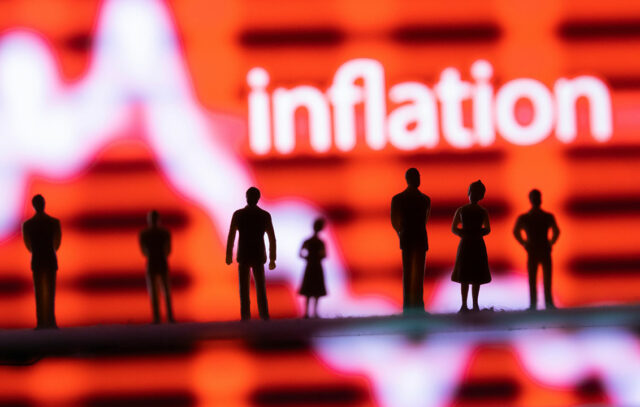
EXPECTATIONS of rising prices prompt households to increase spending, which may cause inflation to be more persistent, according to a discussion paper by researchers at the Bangko Sentral ng Pilipinas (BSP).
“Our empirical results indicated that households tend to increase their planned consumption in the near term when they expect higher prices. This is particularly true for essential commodities like food and non-alcoholic beverages, fuel, and utilities,” the researchers said.
The discussion paper, authored by BSP Research Academy Principal Researcher Faith Christian Q. Cacnio and Research Associate Cymon Kayle Lubangco, explores the effect of inflation expectations on household consumption.
“Moreover, the proportion of households that intend to increase their consumption in the near term grows within higher inflation expectations,” they added.
In its latest Consumer Expectations Survey, the BSP said households still expect inflation to increase in the near term. Household inflation expectations may remain above the 2-4% target range in the near term.
“We also observed that a larger number of households tend to expect elevated prices for commodities with greater consumer price index (CPI) weights when actual inflation is within target than during low and high inflation periods,” the BSP researchers said.
“This results in higher average expected inflation during quarters when inflation is within target.”
Headline inflation averaged 3.2% in 2024. The BSP also expects inflation to remain within the 2-4% target band from this year to the next, as its baseline projections are at 3.3% and 3.5% for 2025 and 2026, respectively.
However, the central bank has warned that the balance of risks to the inflation outlook until 2026 remains on the upside.
“The planned expenditure for a specific commodity is more responsive to expected price changes for that commodity than to the overall household inflation expectations,” according to the researchers.
They found that inflation expectations tend to be sensitive to price movements of key commodities such as oil and rice, as well as currency appreciation.
“In assessing the potential effect of certain shocks, we observed that households’ inflation expectations rise with increases in international benchmark prices of oil and rice and decline in response to higher policy rates and an appreciation of the Philippine peso,” they said.
“Conversely, higher international prices of oil and rice lead households to increase their near-term consumption in anticipation of higher future inflation,” they added.
Fuel and rice are usually among the main sources of local inflation. In particular, rice is typically the biggest contributor to overall inflation.
However, rice inflation has been on a downtrend in recent months after the government slashed tariffs on rice imports in July.
“Following an oil price shock, the likelihood of purchasing durable goods within the next 12 months also increases significantly,” the researchers said.
“Furthermore, a depreciation of the Philippine peso results in a notable rise in the average likelihood of increased consumption of various goods in the next period.”
The peso has been under pressure in recent months as the dollar surged after US President Donald J. Trump’s victory and expectations of slower rate cuts by the US Federal Reserve.
Last year, the peso sank to the record-low P59-per-dollar level three times.
“Linking changes in household inflation expectations to consumption behavior, our simulation results suggest that an increase in the policy rate will lead households to defer increasing their consumption of most commodities.”
The study’s simulation results showed that an increase in the policy rate helps “moderate inflation expectations, which, in turn, affects consumption spending.”
However, it noted that shocks to international oil prices and currency fluctuations have a “more pronounced impact” on inflation expectations and spending versus policy rate changes.
“This highlights the significant effects of supply-side shocks on inflation expectations and economic activity.”
“Supply-side shocks are generally considered to have temporary and short-lived effects on prices and do not necessarily warrant a monetary policy response,” they added.
The BSP researchers said central banks must “remain vigilant to prevent these shocks from leading to second-round effects.”
“Central banks should continue to closely monitor price developments in goods and services, even when inflation is within target, as households tend to form higher inflation expectations during this period.”
“Clear communication is crucial to curb these expectations and keep them aligned with the inflation target. Understanding the potential effects of supply-side shocks on inflation expectations and, subsequently, on household consumption could also help calibrate central banks’ necessary responses.”
The BSP began its easing cycle in August last year, cutting rates by a total of 75 basis points to bring the benchmark to 5.75%.
BSP Governor Eli M. Remolona, Jr. has said there is still room to reduce interest rates further as the current policy rate is still restrictive.
The Monetary Board’s next rate-setting meeting is on Feb. 13. — Luisa Maria Jacinta C. Jocson
THE PHILIPPINES will double down on securing a bilateral free trade agreement (FTA) with the US, which it assumes would be more possible under the administration of President Donald J. Trump, a Board of Investments (BoI) official said.
“The Philippines will push really hard for a bilateral FTA with the US,” BoI Managing Head and Trade Undersecretary Ceferino S. Rodolfo told reporters on the sidelines of a European Chamber of Commerce of the Philippines (ECCP) press event on Thursday.
“Looking at the track record of Trump and his announcements in confirmation hearings, we’d really like to take advantage of this to convert this into actual policy initiatives that would move forward the Philippines-US bilateral free trade agreement and sectoral agreements,” he added.
Mr. Rodolfo said the BoI sees a net positive impact from Mr. Trump’s second term on Philippine-US economic relations.
“He was actually the only recent US president that welcomed a bilateral FTA with the Philippines,” he said. “He did this in 2017 when he came here for the ASEAN Summit, and he issued, together with our president then, a joint statement saying that the US welcomes the Philippines’ interest in a bilateral FTA.”
Mr. Rodolfo said the Biden administration had been cautious towards the Philippines’ moves to seek a bilateral FTA.
“For (the Biden) administration, it was so difficult to even have a watered-down statement that would say that the US notes the Philippines’ interest in a bilateral trade agreement,” he said.
He also noted that the key officials of Mr. Trump, including US Trade Representative Jamieson Greer and US State Secretary Marco Rubio, have a welcoming attitude towards a bilateral FTA and a sectoral agreement with the Philippines.
“So, in summary, looking at what happened in the congressional hearings and the confirmation process of the key officials and key Cabinet secretaries in Trump’s administration, we really foresee a net positive impact on Philippines-US relations,” he added.
Mr. Rodolfo said the reason he mentioned the plans to work on an FTA with the US at an ECCP event is to pressure the European Union (EU) to hasten negotiations on the FTA.
“We hope that this will also, in a way, hasten the negotiations of the EU-Philippines FTA, noting that the US and the EU are demandeurs (seekers) on certain aspects of bilateral FTAs with the Philippines, most particularly the geographic indications (GIs),” he said.
“The US and the EU are competitors in the GIs. Because if you look at it, the interests of the US and the EU are really on agricultural products. But for us, it’s okay because we’re complementary when it comes to agricultural products,” he added.
The BoI official noted the Philippines has already opened up the sector to its current FTA partners — Australia, New Zealand, and China — which are producing almost similar competing products with the US and the EU.
“So, for us, it’s just a matter of diversifying our import sources for these products. But for them, they are really competing head-on when it comes to agricultural products on GIs,” he added.
However, Mr. Rodolfo said the EU has a head start since the US will still have to discuss the proposals, which are expected to take at least a year to be concretized.
“So, I really hope that the EU-Philippines FTA would be finished similar to how we finished the Philippines-European Free Trade Association (EFTA) FTA,” he added.
ECCP President Paulo Duarte said that they are looking forward to the second round of the negotiations for the EU-Philippines FTA.
“The second round of negotiations for the EU-Philippines FTA is set to take place here in the Philippines next month,” said Mr. Duarte. “The ECCP strongly believes that these negotiations will pave the way for enhanced cooperation between Europe and the Philippines.”
European Union Ambassador to the Philippines Massimo Santoro said that the next round will run from Feb. 10 to Feb. 14.
“I share very much also the importance of doing it well and doing it faster. And to do it fast, of course, we have to go together. It is a valid input for both sides, of course, because the better we do, the better the prospects for both our common goods and services are,” said Mr. Santoro.
He said that the EU has concluded FTAs with other Association of Southeast Asian Nations (ASEAN) countries Singapore and Vietnam.
“They both entered into force some years ago. Through the FTA, we wish to facilitate not only trading merchandise but also in services,” he added.
The EU-Philippines FTA is among the advocacy priorities of the ECCP, along with policies that promote economic liberalization and enhance the ease of doing business in the Philippines.
“As we champion the country as a preferred investment destination, we emphasize the integration of sustainability practices and digitalization, aligning with the Green Economy Program and the European Green Deal, among others,” Mr. Duarte said.
“Recognizing the strategic importance of critical raw materials in advancing clean energy, digital technologies, and other key sectors, the chamber also advocates for policies that ensure secure, sustainable, and diversified supply chains,” he added.
On Thursday, the ECCP launched its 2025 Doing Business in the Philippines Guidebook.
“This cornerstone publication remains an invaluable resource for businesses navigating the Philippine market, providing critical insights into the country’s investment environment, regulatory framework, and economic landscape,” said Mr. Duarte.
“Through this annual guidebook, we aim to equip investors with the tools and knowledge necessary to make sound decisions and capitalize on the vast opportunities the Philippines has to offer,” he added.
From left: James Ng, BYD General Manager of Singapore & Philippines; Eagle Zhao, BYD General Manager of Malaysia & Indonesia; Benson Ke, BYD General Manager of Thailand; Liu Xueliang, BYD Asia-Pacific Auto Sales Division — General Manager; He Zhiqi, BYD Executive Vice-President; Chuck Kim, Managing Director, Group Business Development & Capital Markets of Grab; Joshua Chiang, Regional Head (Automotive & Energy Partnerships), Group Business Development of Grab; Sandy Anavachkul, Director, Mobility and Driver Operations of Grab Thailand; Victor Sim, Director, GrabRentals of Grab Singapore, and Steve Ardianto, Director, Fleet & Rentals Business of Grab Indonesia
Agreement offers a greater diversity of vehicles for drivers to choose from through fleet partners
Grab, a leading superapp in Southeast Asia, and BYD have announced a regional partnership to expand access to up to 50,000 BYD electric vehicles (EVs) to Grab’s driver-partners across Southeast Asia, while increasing the availability of green vehicles to Grab users.
Across Southeast Asia, high upfront costs remain a key barrier for EV adoption. Through this partnership, Grab and BYD look to boost the electrification of the transportation sector in Southeast Asia by providing Grab’s fleet partners and driver-partners with access to BYD vehicles at the most competitive rates, with extended warranties on the EV vehicles’ batteries. Drivers will have the option of renting the EVs from Grab’s fleet partners or opt for financing support through Grab’s car ownership schemes. The partnership supports Grab’s commitment to help driver-partners accelerate the transition to zero-emission modes of transport. In countries like Singapore and Thailand, Grab users can also choose to toggle on the “Eco-Friendly Ride” option, which will prioritize allocating green vehicles at no additional charge.
Liu Xueliang, General Manager of BYD Asia Pacific Auto Sales Division, said, “We are excited to partner with Grab as the leading on-demand transport provider in Southeast Asia and push forward the transition to electric vehicles in the region. BYD, as the world’s leading new energy vehicle manufacturer, will best integrate our technology with Grab’s, and we look forward to working with them to deliver a unique and unparalleled experience for their drivers and users. We continue to be dedicated to our goal of building a zero-emission ecosystem and we are committed to supporting Grab’s fleet and driver-partners. Through this collaboration, we are working together with Grab to realize the vision of cooling the earth by one degree.”
Deep technology integration to enhance efficiency and overall experience of Grab services
BYD and Grab will collaborate to facilitate deep IoT integration between the vehicles and Grab’s platform and services. Through this collaboration, Grab aims to deliver:
• Safer rides and a more intuitive driving experience for driver-partners: By installing the Grab driver application available in the head unit of BYD vehicles, drivers will be able to view their jobs, navigation and chats all at-a-glance on a larger screen, instead of having to toggle back and forth on their smartphones. Sensor and telemetry data from BYD vehicles will also be integrated directly into the Grab platform, providing real-time insights into drivers’ driving patterns and behaviors, which Grab can use to give guidance to drivers on how to improve their driving behaviour.
• Improved reliability: With data like wiper signals and travel speed feeding into the Grab platform in real-time, Grab will be able to infer more quickly and accurately external conditions such as weather and traffic. This data, when fed back into Grab’s algorithm is then used to guide drivers towards areas where there is likely greater demand for rides, ensuring that there are sufficient drivers to meet spikes in passenger bookings. Real-time location data from the BYD fleet will also further boost the accuracy of Grab’s backend system in deriving a more precise estimated time of arrival (ETA) for a ride.
• Better navigation and routing: Both companies aim to leverage Grab’s hyperlocal map data and services to facilitate smoother and more efficient journeys for BYD drivers. This collaboration could also enable Grab to collect valuable road and traffic data from the vehicles, potentially enhancing its mapping services.
The partnership spans Indonesia, Malaysia, Philippines, Singapore, Thailand and Vietnam, and covers a range of models including the DENZA D9, BYD ATTO3, BYD SEAL, and BYD M6 cars. Grab intends for the DENZA, the premium electric vehicle brand from BYD, to become the cornerstone of its GrabExec fleet featuring the DENZA D9 luxury seven-seater electric MPVs. These vehicles are designed with state-of-the-art features, to offer unparalleled comfort and luxury. By integrating the DENZA D9 into its fleet, Grab aims to set a new standard in executive transportation, anchored on convenience, style, and sustainability.
Chuck Kim, Managing Director, Group Business Development, Grab, said, “Sustainable growth in Southeast Asia is a priority for us and we are always looking to improve our offerings to both our driver-partners and Grab users. This collaboration enables us to drive the transition to EVs forward by lowering the financial barriers that are often associated with EVs, and in the long run deliver economic benefits to our driver-partners which may include fuel cost savings. We are confident that a reliable partner like BYD who are committed to delivering high-quality vehicles and services allows us to showcase the benefits of EVs and make green transportation an accessible option to everyone.”
Spotlight is BusinessWorld’s sponsored section that allows advertisers to amplify their brand and connect with BusinessWorld’s audience by publishing their stories on the BusinessWorld Web site. For more information, send an email to online@bworldonline.com.
Join us on Viber at https://bit.ly/3hv6bLA to get more updates and subscribe to BusinessWorld’s titles and get exclusive content through www.bworld-x.com.
Transportation is an essential part of Filipinos’ daily lives, from going to work and school to transporting goods that fuel the economy. For 126 years, the Department of Transportation (DoTr) has driven the development of the country’s infrastructure toward greater connectivity and mobility.
The department’s origins date back to January 1899 when it was established as the Department of Public Welfare. At that time, transportation and communications were part of a broader portfolio aimed at addressing the country’s immediate public service needs.
In 2016, Republic Act 10844 formed the Department of Transportation that will focus solely on transportation policy, infrastructure development, and traffic law enforcement.
Throughout major changes, the DoTr has remained committed to improving the lives of Filipinos through better transportation systems.
Modernizing public transportation
Department of Transportation Secretary Jaime J. Bautista joined the groundbreaking ceremony of the Grab Asenso Center of Grab Philippines last Dec. 2, 2024. — Photo from facebook.com/DOTrPH
In response to congested roads and declining air quality, the DoTr launched the Active Transport Program in 2024, promoting walking, cycling, and other non-motorized transport as key urban mobility strategies.
To date, nearly 900 kilometers of bike lanes have been developed across 40 cities, including Metro Manila, Cebu, and Davao. The DoTr has also installed 228 racks as part of end-of-trip facilities, providing secure parking for cyclists.
By 2028, the department aims to expand the bike lane network to 2,400 kilometers. Through safe and accessible routes, the DoTr hopes to integrate bike-friendly infrastructure into urban cities.
Meanwhile, the government is addressing mass transportation challenges through the Public Transport Modernization Program (PTMP). This initiative seeks to overhaul the country’s public transport by tackling issues such as aging vehicles, inefficient routing, and fragmented franchises.
The PTMP also consolidates transport franchises to streamline operations. The current fragmented system often causes confusion among commuters and inefficiencies in service. With this strategy, the DoTr aims to create a more organized transportation network, reducing redundancy and ensuring a smoother experience for commuters.
As of December 2024, 86% of public transport franchises have been consolidated, setting the stage for streamlined operations. The program’s success depends on Local Public Transport Route Plans (LPTRPs), which identify sustainable routes within local government units (LGUs).
So far, 1,170 LGUs have submitted their LPTRPs, with 222 plans approved. Additionally, 80 LGUs have issued circulars opening routes for franchise applications.
Davao City is leading the way with its ambitious Public Transport Modernization Program (DPTMP). Funded by the Asian Development Bank (ADB), the initiative will establish a 672-kilometer route network with 29 interconnected routes, five depots, and a fleet of nearly 1,000 buses, including 300 electric units. Expected to serve 700,000 to 1 million riders daily, the program will transform commutes into more efficient, eco-friendly experiences. Operations will begin by the end of 2026.
In Cebu, the Bus Rapid Transit (BRT) system will connect key areas of Cebu City with swift, reliable, and comfortable transportation. The system will feature 22 stations, spanning 35 kilometers. A landmark public-private partnership deal awarded to Megawide last December brings a P28-billion investment into the project. Once operational in 2027, the Cebu BRT is expected to serve 100,000 to 300,000 passengers daily, significantly improving mobility in one of the nation’s busiest hubs.
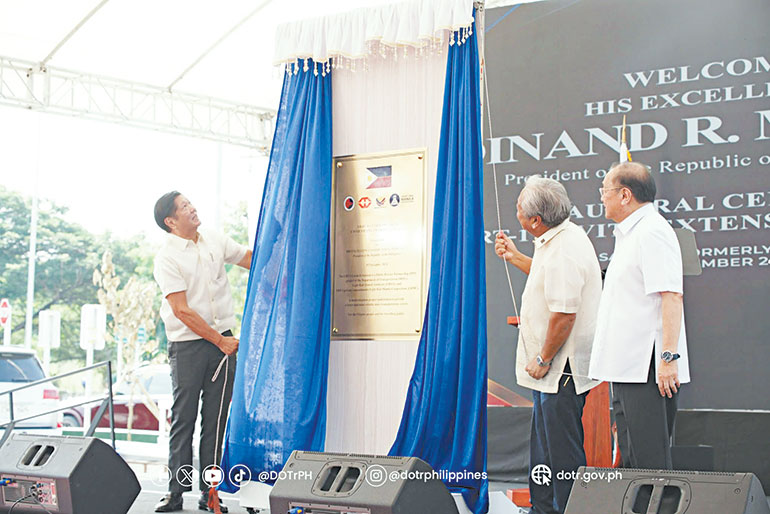
Inauguration of the LRT-1 Cavite Extension Project Phase 1 last November, led by President Ferdinand R. Marcos, Jr. and Transport Secretary Jaime J. Bautista — Photo from facebook.com/DOTrPH
The Light Rail Transit (LRT) Line 1 extension, on the other hand, has increased the line’s capacity by 80,000 passengers daily. Commuters traveling from Baclaran to Sucat can now complete their trip in under 20 minutes through the extended rail system. For shorter trips, including the five new stations added to the network, time savings are even greater, with some trips taking less than 10 minutes. This development marks a major milestone for Metro Manila, where daily traffic congestion costs the economy an estimated P3.5 billion, according to the DoTr.
Rebuilding gateways in the country
Opening of the OFW lounge at the Ninoy Aquino International Airport (NAIA) Terminal 3 last July — Photo from facebook.com/DOTrPH
The long-awaited modernization of Ninoy Aquino International Airport (NAIA) is underway, with a 15-year concession agreement awarded to New NAIA Infra Corp. (NNIC), led by San Miguel Corp. The project involves a complete overhaul aimed at addressing the growing demand for air travel.
“Manila International Airport has the capacity to handle only 35 million passengers, but we have almost 50 million passengers. Because of its capacity, we are facing a congestion problem. We know that this has happened for many years. That’s why the Department of Transportation has decided to privatize this,” said DoTr Secretary Jaime J. Bautista.
Meanwhile, the modernization of regional airports supports the department’s broader vision of improving mobility and spurring economic development across the provinces.
For example, Laguindingan International Airport, the main gateway to Northern Mindanao since 2013, is set to undergo significant transformation. Aboitiz InfraCapital will lead the upgrade, which includes expanding facilities and constructing a new passenger terminal building.
Similarly, the Bohol-Panglao International Airport, known as the “Green Gateway to the World,” is set for modernization under a 30-year concession agreement with Aboitiz InfraCapital. Upon completion, the airport will handle up to 3.9 million passengers annually, along with 35,000 air traffic movements.
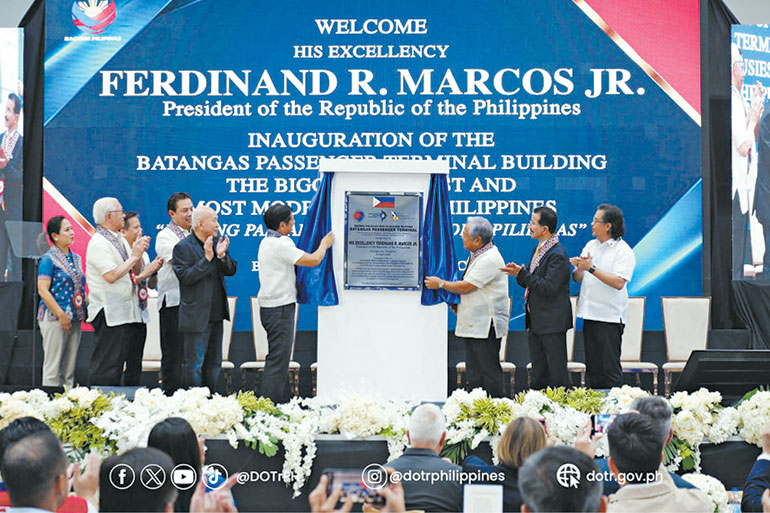
In addition, the department, together with the Philippine Ports Authority (PPA), led the new and improved Passenger Terminal Building (PTB) at the Port of Batangas in April 2024.
Inauguration of the upgraded and modernized Passenger Terminal Building of the Port of Batangas in Batangas City — Photo from facebook.com/DOTrPH
Sailing towards modern infrastructure
The DoTr, together with its partners such as the Maritime Industry Authority (MARINA), Philippine Coast Guard (PCG), Philippine Ports Authority (PPA), and Cebu Port Authority (CPA), is spearheading a range of maritime initiatives aimed at transforming the country’s transportation landscape.
The Passenger Terminal Building (PTB) of Batangas Port is the most modern facility among the ports managed by the PPA, serving between mainland Luzon and the MIMAROPA region (Mindoro, Marinduque, Romblon, and Palawan), as well as to Iloilo, Negros, Cebu, and Mindanao. The newly updated terminal now accommodates travel via fast crafts, ferries, and roll-on/roll-off ships, handling over $8,000 worth of cargo and passenger movements.
Another project under the DoTr’s maritime modernization agenda is the construction of the P16.9-billion New Cebu International Container Port (NCICP). Set to rise in Consolacion, Cebu, this project is designed to decongest the existing Cebu Base Port, which has long struggled with overcapacity. The NCICP will not only expand the country’s logistics capacity but also streamline cargo handling processes, thereby reducing logistics costs.
With a 1,365-meter access road and a 300-meter offshore bridge to be constructed as part of the project, the new port will provide easier access and enhance connectivity to the rest of the region. The port’s completion is slated for November 2027.
Strengthening the rights and skills of seafarers
This year, the DoTr has finalized the implementing rules and regulations (IRR) of the Magna Carta of Filipino Seafarers. With this new legislation, the rights and welfare of Filipino seafarers, both domestic and overseas, are now better guaranteed.
The IRR establishes a comprehensive framework that includes four key provisions: strengthening seafarers’ rights, promoting equality and inclusion, advancing maritime education and training, and ensuring accountability. This legislation promises to enhance the quality of life for Filipino seafarers, providing them with greater job security and ensuring that their voices are heard in both the domestic and international maritime industries.
The Philippines also solidified its position on the International Maritime Organization’s (IMO) White List, recognizing the country’s compliance with international standards for training, certification, and watchkeeping (STCW) for seafarers.
After years of efforts to address past deficiencies in full compliance with seafarer standards, the European Maritime Safety Agency (EMSA) acknowledged significant improvements following an audit in December 2023.
“Before, the European Maritime Safety Agency (EMSA) saw that the country’s STCW (Standards of Training, Certification, and Watchkeeping for Seafarers) is lacking,” Mr. Bautista explained. “We met with EMSA and we gave them our proposed solution. They were happy because they saw the improvements that our government implemented. In March, they said that they will continue to include [the Philippines in the white list.”
Railways in steady progress
Despite facing substantial budget cut as mentioned in this year’s first full Cabinet meeting, Mr. Bautista said the budget reduction primarily affects foreign-assisted project loan proceeds, rather than directly impacting ongoing projects.
For instance, major initiatives like the North-South Commuter Railway and the Metro Manila Subway, which are integral to easing congestion and boosting economic productivity, will continue as planned.
“We should be able to fund these from the loan proceeds,” he explained. “We’re happy that the government’s share of most of our infrastructure projects was not reduced so we will continue to implement these programs.”
Mr. Bautista said the DoTr is currently handling 69 flagship infrastructure projects out of the 186 that were approved by the National Economic and Development Authority (NEDA) Board.
As the Department of Transportation marks its another year in public service, it remains committed to ensuring transparency, building public trust, and developing a world-class transportation network that connects communities and enhances the quality of life for millions of Filipinos. — Mhicole A. Moral








 Railways in steady progress