DA preparing for severe dry spell after forecast of ‘strong’ El Niño
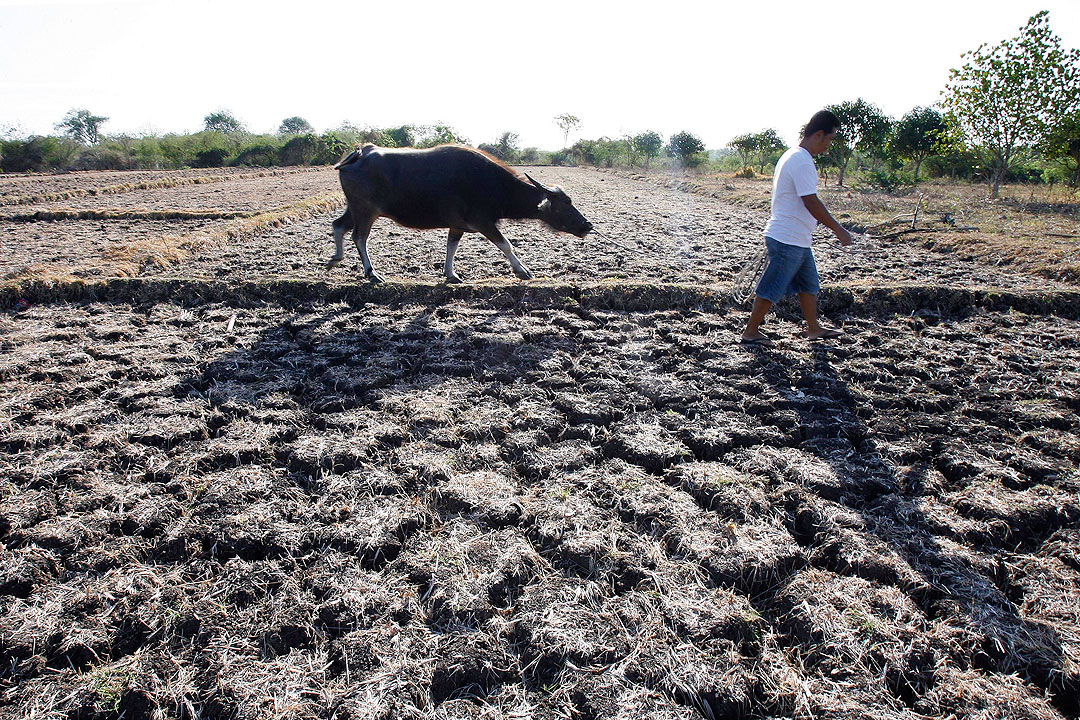
THE Department of Agriculture (DA) said preparations are being put in place for what it called a potentially strong El Niño, citing the weather event’s potential to reduce farm output and disrupt the food supply.
Agriculture Secretary Francisco P. Tiu Laurel, Jr. said the DA is applying lessons from the 2024 El Niño episode, including promoting less water-intensive crops, expanding the use of solar-powered irrigation and low-cost greenhouses, and encouraging earlier planting.
“What we learned during the 2024 El Niño will guide how we prepare and intervene this time around,” Mr. Laurel said in a statement on Monday.
The DA added that the National Rice Program and the Rice Competitiveness Enhancement Fund are being tapped for the distribution of climate-resilient seed, fertilizer support, farm mechanization, irrigation assistance, and farmer training.
Also underway are irrigation system assessments, climate risk mapping, localized planning, and the prepositioning of drought-tolerant seed and other inputs.
It added that crop insurance, credit access, and market facilitation programs are being readied, with the government’s El Niño Task Force being reactivated to improve inter-agency coordination.
The DA has warned that a severe El Niño could cut agricultural production by 20% to 30%, citing recent studies.
Agricultural output contracted by 0.3% year on year in the first quarter, as declines in palay production offset gains in poultry and livestock, the Philippine Statistics Authority reported.
Apart from weather-related risks, the DA also cited supply disruptions and higher input costs linked to the war in the Middle East as additional pressures on the farming.
To help secure rice supply in the event of production shortfalls, the DA said the Philippines and Vietnam have reaffirmed a rice supply arrangement.
The DA said the arrangement would allow the Philippines, if necessary, to purchase up to 1.5 million metric tons of rice from Vietnam at competitive prices.
Mr. Laurel said actual import volumes will still depend on domestic production and market conditions.
He added that the government will continue balancing food security needs with efforts to support farmgate prices for palay (unmilled rice). — Vonn Andrei E. Villamiel