Peso down as oil surge, Iran war lift demand for greenback
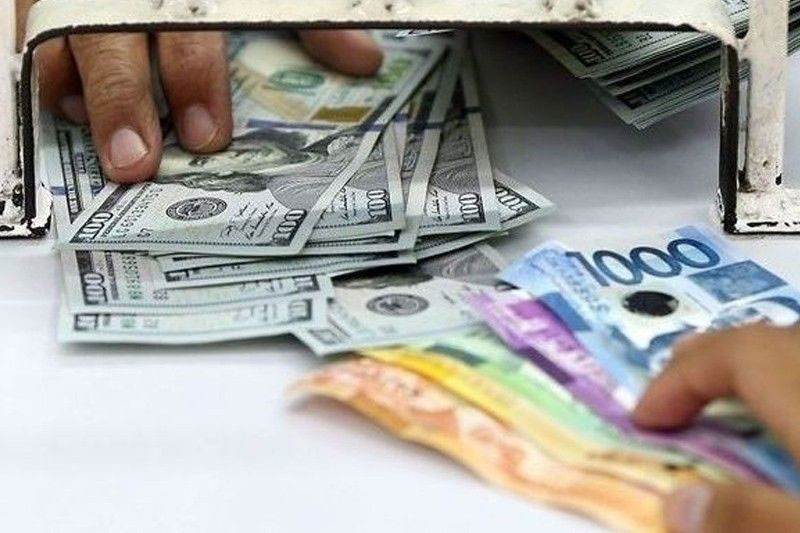
THE PESO slipped to a near two-week low on Tuesday as investors moved into the dollar amid rising global oil prices and continued uncertainty over talks between the US and Iran.
It fell by 33 centavos to close at P61.48 a dollar from P60.15 on Monday, based on Bankers Association of the Philippines data posted on its website.
This marked the peso’s weakest finish since April 30, when it ended at P61.485.
It opened the session weaker at P61.25, which was also its intraday high, before sliding to a low of P61.495. The currency recovered slightly before the close.
Dollar turnover edged up to $1.513 billion from $1.511 billion in the previous session.
The dollar strengthened alongside higher crude oil prices, as markets reacted to the lack of progress in US-Iran negotiations, Michael L. Ricafort, chief economist at Rizal Commercial Banking Corp., said in a Viber message.
Oil prices rose about 2% on Tuesday as expectations for a resolution to the war faded, reinforcing concerns over possible disruptions in global energy supply.
The dollar also extended gains for a second session, supported by safe-haven demand, Reuters reported. The dollar index rose 0.35% to 98.30, reflecting stronger investor preference for lower-risk assets amid uncertainty.
Market participants also positioned ahead of the US Consumer Price Index (CPI) release, which is expected to show sustained inflation pressures that could influence US Federal Reserve policy.
A trader said the peso’s weakness reflected both safe-haven flows into the dollar and anticipation of stronger US inflation data, which could reinforce expectations of prolonged high interest rates.
Economists expect US inflation to remain elevated, with forecasts pointing to a 0.6% monthly increase in April after a 0.9% rise in March. This could translate into the biggest annual increase in more than two years.
The trader expects the peso to test its previous record low of P61.75 on Wednesday or even breach it depending on the US inflation outcome.
Stronger-than-expected inflation could further boost the dollar and pressure emerging market currencies.
The next resistance level is seen at P61.80, followed by P62, as investors continue to monitor developments in US-Iran talks and global oil movements.
Beyond external drivers, sentiment was also weighed by domestic factors, including political developments linked to the impeachment proceedings involving Vice-President Sara Duterte-Carpio, the trader said.
Overall, the peso’s decline reflected a combination of stronger global dollar demand, elevated oil prices and cautious positioning ahead of key US inflation data, with traders expecting volatility to persist in the near term as external risks remain unresolved. — Aaron Michael C. Sy