Peso seen holding above P60 on oil risks, Fed bets
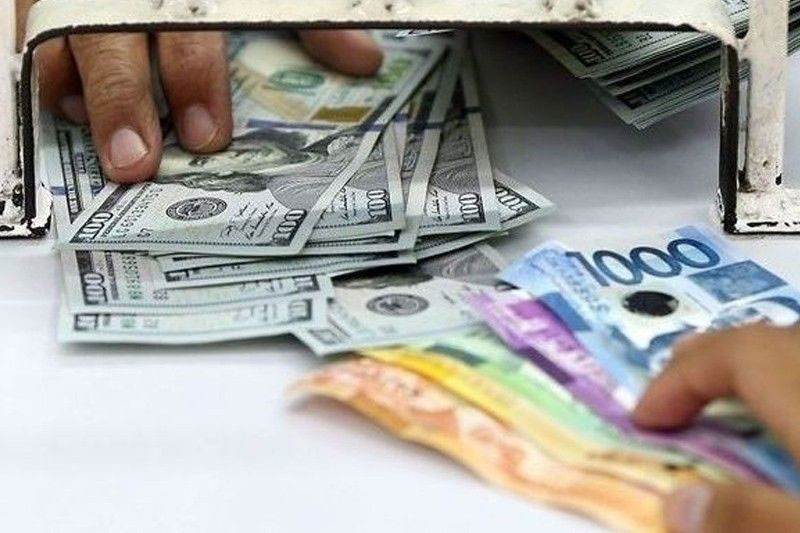
THE PESO is expected to stay above P60 a dollar this week as elevated oil prices and hawkish signals from the US Federal Reserve keep pressure on the local currency.
The peso closed at a record low of P60.10 a dollar on Thursday, weakening by 58 centavos from its P59.52 finish on Wednesday, according to data from the Bankers Association of the Philippines. It touched an intraday low of P60.40.
Trading was suspended on Friday due to the Eid’l Fitr holiday.
The breach of the P60 level marked the currency’s weakest showing on record, surpassing its previous low of P59.87 on March 16.
Week on week, the peso depreciated by 36.5 centavos. Year to date, it has weakened by P1.31 or 2.18% from its P58.79 finish at end-2025.
Analysts said the peso remains under pressure from the intensifying conflict in the Middle East, which has pushed oil prices higher and raised concerns over inflation and the Philippines’ import bill.
The central bank’s counterparts in advanced economies have also signaled tighter policy conditions, adding to dollar strength.
A trader said the peso could trade within a narrow range this week unless supply chain disruptions from the conflict worsen.
The peso is seen moving at P59.90 to P60.40 a dollar, and may weaken further if geopolitical tensions escalate.
Michael L. Ricafort, chief economist at Rizal Commercial Banking Corp., gave a similar outlook, projecting a range of P59.85 to P60.35, as markets continue to monitor oil price movements and global monetary policy signals.
Market participants are also watching how Philippine authorities respond to rising fuel costs, which could influence inflation expectations and currency stability in the near term.
The dollar gained on Friday but was still headed for a weekly fall against major currencies as investors pared back bets on interest rate cuts from the US Federal Reserve given the likelihood of higher inflation from rising energy prices.
Before the US-Israeli war on Iran began in late February, investors had priced in two Fed cuts this year. But they now largely believe one cut is a distant prospect, and other major central banks are turning more hawkish.
The euro, yen, sterling and Swiss franc headed for weekly gains against the dollar as policymakers laid the groundwork for higher interest rates in response to the war in the Middle East, which has choked oil and gas supplies.
“The overall picture is still that central banks sound more confident (about the impact of inflation) than people thought, especially the Bank of England and the Bank of Japan as well,” said Juan Perez, director of trading at Monex USA in Washington.
“This followed a message from the Federal Reserve on Wednesday that is tied to the idea that everyone has been thinking that there’s going to be one or two cuts for 2026 and they have no interest in cutting rates,” be added.
Benchmark Brent crude futures are up about 50% since the US and Israel attacked Iran, which has all but closed the Strait of Hormuz and disrupted Middle East energy exports. Brent futures for May delivery settled on Friday up 3.26% to $112.19 a barrel, the highest since July 2022.
The dollar index was up about 0.26% at 99.59, but on track for a 0.94% weekly decline, its largest since late January. Still, many analysts think a prolonged fall is unlikely.
“Markets have preempted communication with a notable shift in policy pricing: many G10 central banks now priced for hikes, while the Fed is priced for fewer cuts in 2026. This repricing has mitigated some of the dollar’s oil-induced rally,” said Bank of America Global Research analysts led by Adarsh Sinha. — Aaron Michael C. Sy with Reuters