PDIC submits 46 payout plans in 2025
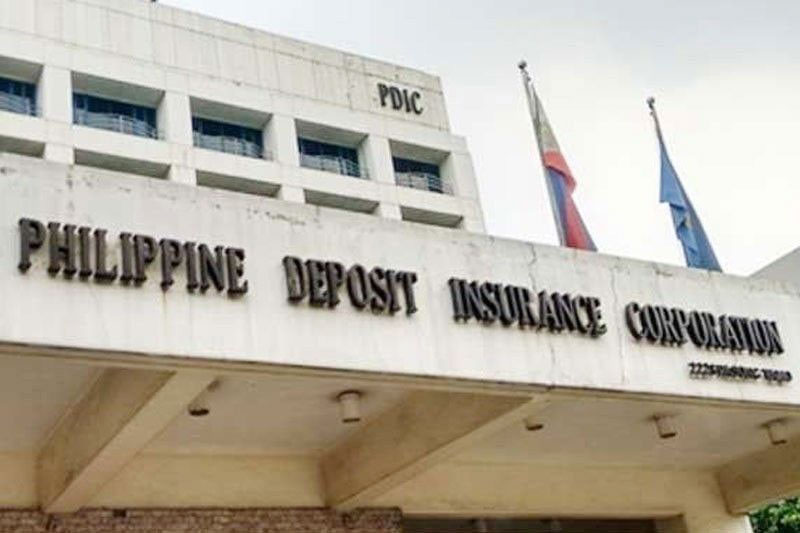
THE PHILIPPINE Deposit Insurance Corp. (PDIC) submitted 46 payout plans for closed banks in 2025, meeting its full-year target and speeding up payments to creditors and uninsured depositors.
The plans included 20 final payout plans, which cover all remaining assets needed to complete liquidation, and 26 partial plans for assets already sold or recovered, the agency said in a statement on Thursday.
“Every asset distribution plan we file brings creditors and uninsured depositors closer to receiving what is lawfully due to them,” PDIC President and Chief Executive Officer Roberto B. Tan said.
He added that meeting the target shows steady progress in settling claims.
Once approved by the courts, the plans will allow the PDIC, acting as liquidator, to distribute proceeds from recovered assets to creditors.
Each plan outlines how funds will be allocated based on the estimated value of assets, following rules on creditor priority under Philippine law.
As of end-2025, the PDIC was handling 303 closed banks, covering 1,245 banking units.
Of these, 64 banks have final payout plans awaiting court approval, which would let the agency complete their liquidation once cleared.
The PDIC said it would continue working through its remaining cases, with these plans helping unlock payments and help complete long-running liquidations.
The filings come as lawmakers push to strengthen the country’s bank resolution framework.
A bill filed in the Senate seeks to expand the PDIC’s authority, including allowing its board to adjust deposit insurance coverage and linking it to economic indicators such as inflation.
Senate Bill No. 1667 also aims to speed up insurance payouts and extend coverage to certain nonbank financial products.
It would allow temporary full deposit insurance during financial crises, upon determination by the Monetary Board, when there is a threat to financial system stability.
“The amendments would empower the PDIC to respond decisively to emerging risks and financial crises, while minimizing disruptions to the financial system,” Senate President Vicente C. Sotto III, who authored the bill, said in the bill’s explanatory note. — Aaron Michael C. Sy