Deutsche Bank sees last rate cut in June
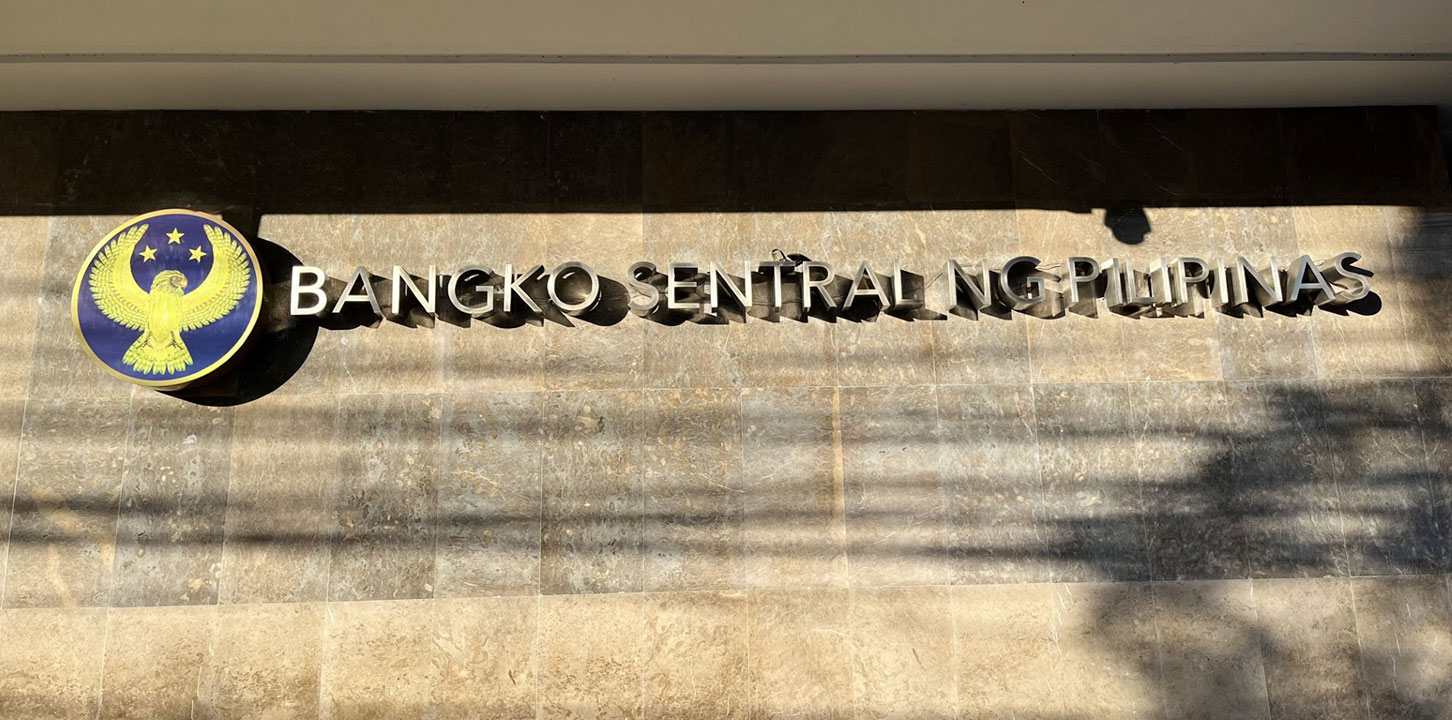
THE BANGKO SENTRAL ng Pilipinas (BSP) could stand pat at its next meeting before delivering its final rate cut for this easing cycle in June as economic growth is likely to stay sluggish this quarter, Deutsche Bank Research said.
“(The) Bangko Sentral ng Pilipinas lowered its policy rate by 25 bps (basis points) to 4.25%, in line with our forecast. We still expect another 25-bp rate cut by BSP’s June meeting, as first-quarter GDP growth data (to be released early May) is likely to remain weak,” it said in a report on Monday.
“Although BSP raised its inflation forecast to 3.6% in 2026, from 3.2% prior, it noted that it was ‘due mainly to supply-side pressures, which are likely to be temporary,’” Deutsche Bank Research said. “This supports our view for another rate cut as demand-pull pressures are likely to stay muted in line with subdued confidence and sentiment.”
For its part, Moody’s Analytics said the BSP may be approaching the end of its monetary easing cycle even as inflation remains subdued as the ongoing economic slowdown requires stronger reforms.
“Much of the recent softness reflects deteriorating business and consumer confidence amid a controversy over the misuse of government funds for flood control projects,” it said in a report dated Feb. 20.
“Rate cuts may contain the slowdown, but it will take greater transparency, stronger governance, and credible policy direction to restore confidence. For this reason, the easing cycle is likely nearing its limit.”
The Monetary Board’s next two policy meetings are scheduled for April 23 and June 18.
Last week, the BSP trimmed benchmark borrowing costs by 25 bps for a sixth straight meeting, bringing the policy rate to an over three-year low of 4.25% as it sought to support domestic demand, as governance concerns due to a corruption scandal involving flood control projects that unfolded last year have dented consumer and business confidence, causing economic growth to slow to a five-year low of 4.4% in 2025.
It has now cut rates by a total of 225 bps since it kicked off its current easing cycle in August 2024.
BSP Governor Eli M. Remolona, Jr. said future easing will largely hinge on how soon confidence will recover as weak sentiment has affected demand, making the output gap bigger.
“We’re now in a situation where it’s more conditional on what happens to confidence and growth,” he said at a briefing after Thursday’s meeting. “We support growth, and we do want growth. But at the same time, our main mandate is still inflation. So, to the extent we can support growth without causing inflation, we will support growth.”
He added that they are seeing “tentative” signs of improving confidence.
On Friday, the BSP chief said that with inflation under control, they have room to help stimulate domestic demand, although they face a “large element of uncertainty.”
“We are at the point where monetary policy cannot do much more, but things are very uncertain.”
The central bank raised its inflation forecasts for this year until 2027 to 3.6% and 3.2%, respectively, from 3.2% and 3% previously. Both are within its 2%-4% annual target.
Officials said they see upside risks coming from the supply side from electricity rate adjustments, higher oil prices, and the impact of the government’s flexible rice tariff scheme, although these are expected to be short-lived. — Katherine K. Chan