FAO urges agri renewable shift, efficiency drive in response to energy shock
THE Philippines should accelerate its transition to renewable energy and adopt stronger efficiency measures to protect agriculture from energy price shocks, the Food and Agriculture Organization (FAO) said.
In a policy brief, the FAO said longer-term resilience depends on reducing reliance on fossil fuels and imported inputs while improving efficiency across food production systems.
It said this shift will require concrete changes in how farms, fisheries, and livestock systems operate, particularly in their use of fuel, water, and key agricultural inputs.
In crop production, the FAO said Philippine farms should reduce dependence on synthetic, fuel-intensive fertilizers by improving nutrient-use efficiency, especially amid rising global fertilizer prices.
“Biofertilizers, compost, and other organic soil amendments can support soil fertility and nutrient availability,” the FAO said, adding that structural dependence on costly inputs can also be reduced through crop diversification and the use of more resilient plant varieties.
It called for the adoption of sustainable mechanization to cut fuel use and improve productivity.
“When appropriately adapted to local conditions, sustainable mechanization can improve the timing and precision of operations, reduce the number of field passes, and limit losses of seed, fertilizer, and water,” it said.
The FAO highlighted alternate wetting and drying (AWD) in irrigated rice fields as a key water-saving practice. AWD involves periodically allowing rice paddies to dry before re-flooding, reducing water use without significantly affecting yields.
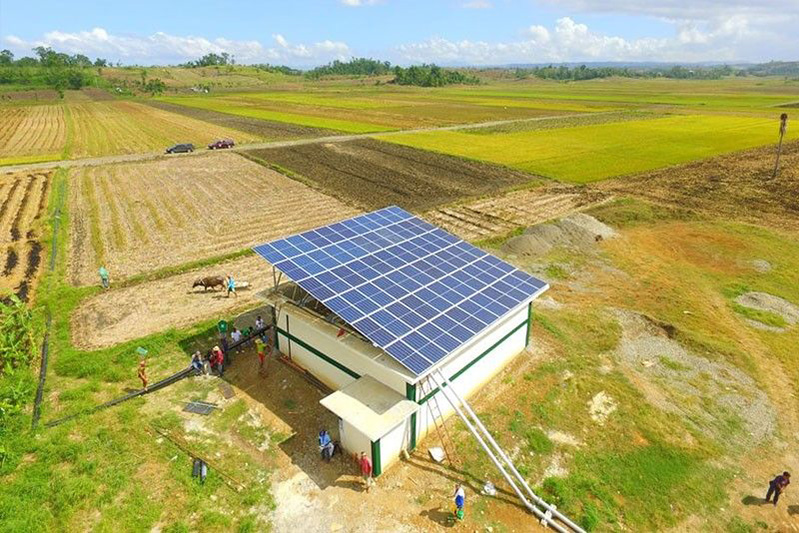
It also recommended rainwater harvesting and small water reservoirs to reduce dependence on pumped irrigation. Where pumping is unavoidable, shifting to solar-powered systems can help farmers avoid diesel price volatility.
Meanwhile, for the fishery sector, which is among the most exposed to fuel price shocks, the FAO said fuel consumption per trip can be reduced through more efficient engines, improved vessel operation, and better hull and propeller design.
It also noted that solar-powered cold storage, refrigeration, and ice production can help reduce diesel use while preserving catch quality, particularly in remote coastal areas.
In livestock systems, the FAO emphasized securing feed supply and maximizing the use of farm by-products.
Silage can help address feed shortages during lean periods, while improved manure management, such as composting and anaerobic digestion, can produce both organic fertilizer and renewable energy.
The FAO said energy reforms should be rolled out in phases, starting with efficiency improvements and followed by investments in renewable energy and support systems.
“Quick gains can come from operational efficiency and improved management practices. These should be complemented by enabling investments in advisory services, finance, maintenance systems, and water control infrastructure,” it said. — Vonn Andrei E. Villamiel