THE Philippine Economic Zone Authority (PEZA) said it signed a memorandum of understanding (MoU) with Schneider Electric Philippines to boost capacity-building for locators operating within PEZA’s economic zones.
The partnership seeks to build a framework for capability-building, joint events, knowledge-sharing, and co-branded initiatives aimed at advancing energy management, digitalization, and industrial automation across PE-ZA-registered enterprises, PEZA said in a social media post on Thursday.
Schneider Electric has agreed to support PEZA in promoting best practices and future-ready operations, while introducing solutions that address locator pain points and enhance operational efficiency.
The partnership is also expected to help strengthen investment promotion efforts by positioning the Philippines as a hub for smart and competitive manufacturing, PEZA said.
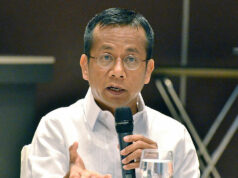
“This collaboration will help us attract more innovation-driven investments and position the Philippines as a viable investment destination in the region,” PEZA Director General Tereso O. Panga said.
Schneider Electric became a registered logistics enterprise in the Cavite Economic Zone (CEZ) in 2011. The company specializes in energy technologies, automation, and digitalization for residential and industrial markets.
Meanwhile, PEZA said the Bureau of Customs’ move to exempt qualified exporters from the Electronic Tracking of Containerized Cargo (E-TRACC) System is expected to lower the cost of doing business and streamline export processes.
“We welcome this development most especially at a time when ongoing tensions in the Middle East are exerting pressure not only on global oil prices but also on trade flows and economic stability,” Mr. Panga said.
Launched in 2020, E-TRACC is a web-based, real-time monitoring system that uses GPS (global positioning system)-enabled locks to track container movement from port to destination.
PEZA said the exemption eases the burden on exporters as they face external risks like high fuel prices and supply chain disruptions. — Beatriz Marie D. Cruz